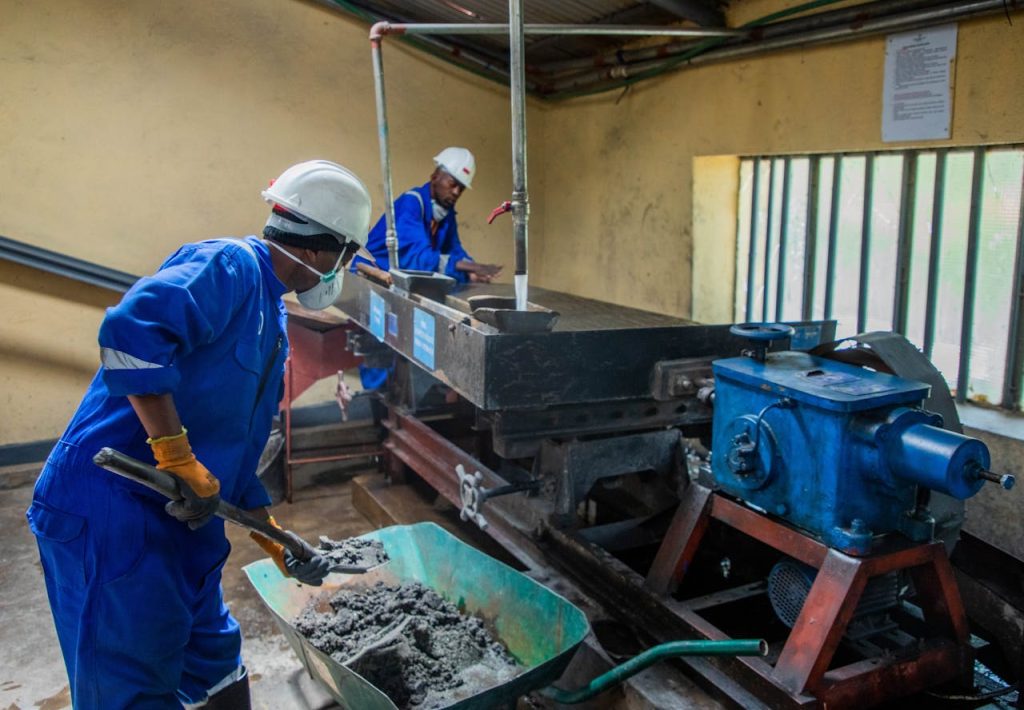
The Republic of Guinea is globally recognized as a bauxite titan, currently host to the world’s most significant iron ore project, Simandou. However, as Guinea enters a transformative era of industrial diversification in 2026, the spotlight is shifting toward a more varied portfolio of high-value commodities. For institutional investors and junior exploration firms, Tungsten Mining in Guinea represents a high-potential frontier in the search for specialty metals essential to the global energy and digital transition.
At Yes! Invest Guinea, we recognize that while Guinea’s mining identity has been defined by bulk commodities, the nation’s complex Proterozoic and Birimian geological belts hold untapped secrets. Moving beyond the “Big Two” (bauxite and iron) into specialty metals is the next logical step for a nation positioning itself as a core supplier to the 21st-century industrial economy.
The Strategic Case for Specialty Metals
The global demand for tungsten often called the “heavy metal” of the modern industrial world due to its exceptional hardness and heat resistance is surging. As the world accelerates its push for renewable energy grids, advanced aerospace technology, and precision electronics, the supply chain for critical industrial metals is bracing for a structural deficit.
1. Diversifying Beyond Bulk Commodities
While bauxite and iron ore provide the foundational export revenue for Guinea, they are cyclical and dependent on massive infrastructure throughput. Specialty metals, including tungsten, offer a unique diversification strategy for mining portfolios. By exploring for high-value minerals, companies can hedge against the volatility of the bulk commodity markets while aligning themselves with the “critical mineral” trend currently favored by global impact funds.
2. Geological Prospectivity
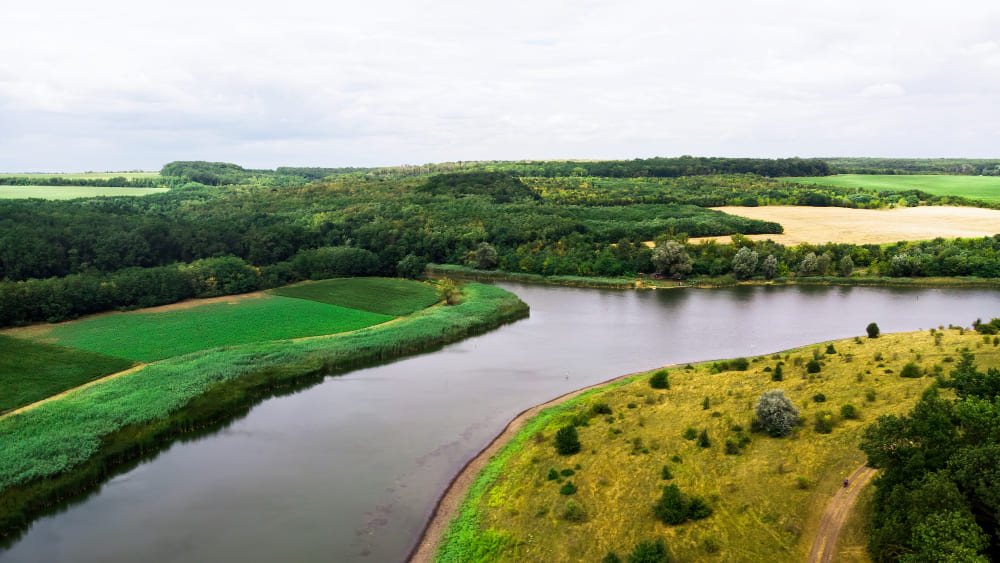
Guinea’s geological makeup, characterized by ancient cratonic environments, has historically shown signatures for base and specialty metals. While exploration for tungsten has been historically overshadowed by the sheer scale of bauxite, the underlying geological formations are highly conducive to the types of mineralized systems where tungsten (often occurring in wolframite or scheelite ores) is typically found. The current lack of intensive historical exploration for tungsten in Guinea should be viewed as an advantage an “early-mover” opportunity to secure prospective acreage.
Leveraging the National Infrastructure Spine
One of the greatest challenges for any new mining operation in West Africa is logistics. Historically, specialty metal projects in remote areas were deemed unviable due to the prohibitive cost of building dedicated rail and port infrastructure. Guinea is changing this narrative in 2026.
1. Shared-Use Infrastructure
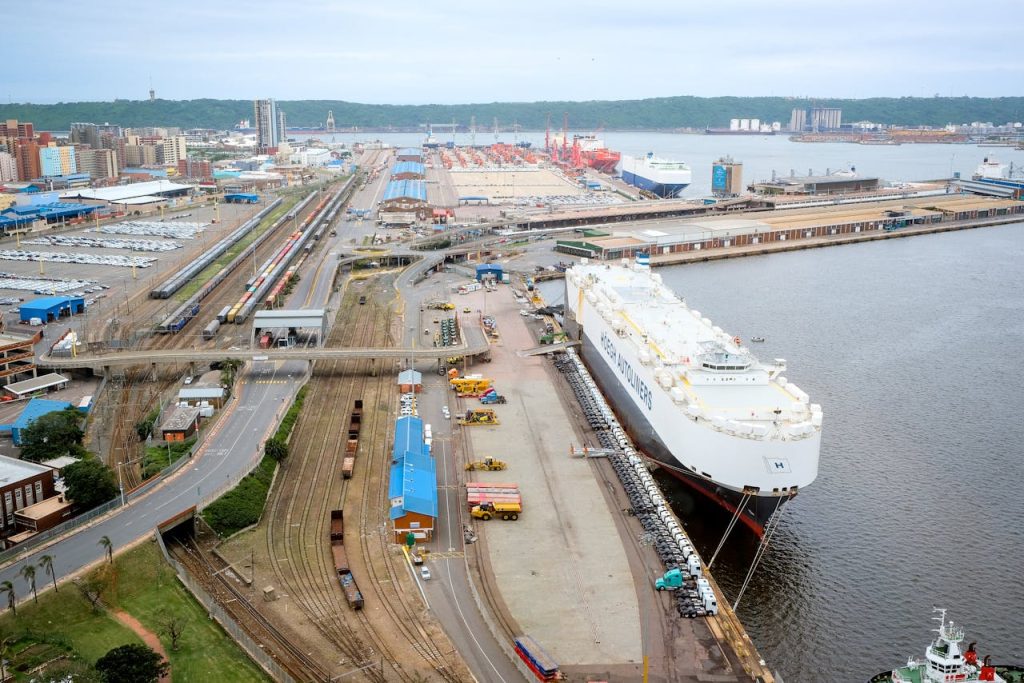
The massive investment in the Trans-Guinean Railway and the modern deep-water ports at Morebaya is creating a multi-user transport spine. This infrastructure is not exclusive to iron ore; it is designed to facilitate national economic growth. Tungsten Mining in Guinea projects that are strategically situated near these corridors will benefit from significantly lower operational expenditure (OPEX) and logistical friction, moving their concentrate to international markets with ease.
2. Energy Sovereignty
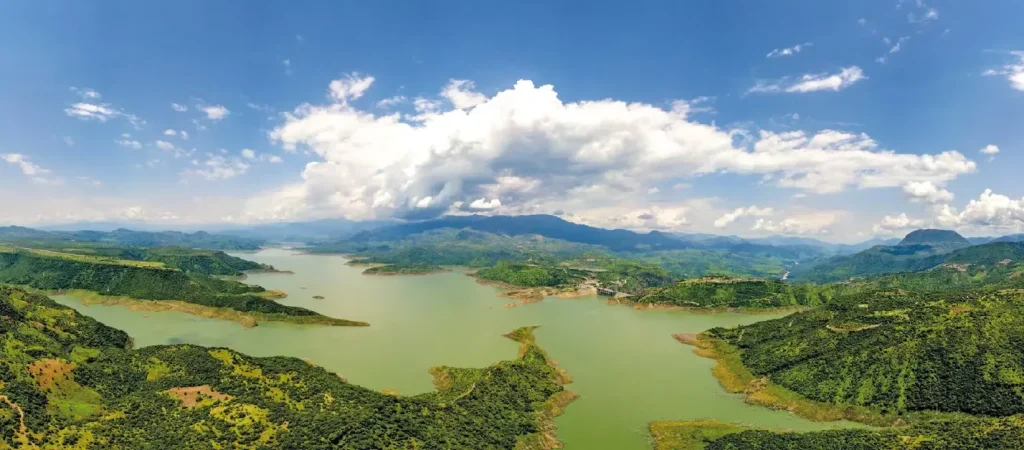
As Guinea expands its hydroelectric generation capacity such as the Souapiti and Kaleta projects reliable, low-cost power is becoming more accessible for industrial operations. For processing-heavy mineral ventures, this energy surplus is a critical competitive advantage that was absent in previous decades.
The 2026 Regulatory and Investment Environment
Guinea has modernized its mining regulatory framework to encourage precisely the kind of diversified, high-value exploration that the specialty metal sector requires.
- Transparency and Security: Through the adoption of OHADA-compliant legal standards, Guinea ensures that mineral concessions and property rights are transparent and internationally enforceable.
- Fiscal Incentives: The government is actively offering fiscal packages designed to attract exploration companies, including customs waivers on heavy exploration machinery and tax holidays for projects that commit to long-term geological research and local beneficiation.
- Institutional Partnership: Agencies like APIP (the national investment promotion agency) provide a “One-Stop Shop” to accelerate permitting, ensuring that your exploration project moves from the desktop phase to field operations with minimal administrative friction.
How Yes! Invest Guinea Facilitates Your Success
Navigating a new exploration frontier in Guinea requires more than capital; it requires deep local intelligence. At Yes! Invest Guinea, we specialize in bridging the gap between global investors and the Guinean mineral landscape.
- Concession Identification: We assist in navigating the national geological database to identify high-potential exploration zones for tungsten and other specialty metals.
- Regulatory Navigation: From securing exploration permits to managing environmental impact assessments, we handle the bureaucratic requirements.
- Local Content Compliance: We guide your integration with local stakeholders, ensuring your project meets government mandates while fostering long-term community support.
- Strategic Liaison: We act as your primary Government and Institutional Liaison, ensuring you have access to the right stakeholders for long-term project stability.
FAQ: Tungsten Mining in Guinea
- Is tungsten mining currently active in Guinea?
While the focus remains on bauxite and iron ore, tungsten is recognized as a significant specialty metal prospect. Current exploration efforts are in the early, speculative stages, offering a “first-mover” advantage for junior explorers.
- Why should investors choose Guinea for tungsten mining?
The primary advantage is the massive, state-backed infrastructure expansion currently underway. Unlike other jurisdictions, Guinea offers logistical pathways that significantly reduce the cost of moving specialty metals from the interior to the coast.
- What are the key risks for a specialty metal explorer in Guinea?
The main challenge is the lack of detailed historical exploration data. Success in Guinea requires a robust initial investment in geological mapping and drilling to define the asset’s actual grade and tonnage.
- How does Guinea’s mining code protect exploration assets?
Guinea utilizes an internationally recognized mining code that guarantees tenure for exploration permits, provided that exploration commitments (work programs) are met. This tenure is robust and internationally bankable.
- How can Yes! Invest Guinea assist my tungsten mining project?
We offer end-to-end consulting from identifying prospective zones and navigating OHADA laws to facilitating the “Strategic Project” status for your venture, ensuring all fiscal incentives are utilized.
Conclusion: Seizing the Specialty Opportunity
Guinea is at the threshold of an industrial evolution. While bulk commodities provide the foundation, specialty metals like tungsten are the future of a diversified, high-value mineral economy. For exploration firms with a long-term horizon, Guinea offers a rare combination of geological prospectivity, a maturing infrastructure backbone, and a proactive government eager to partner with the right operators.
The future of mineral production is being written in Guinea today. Don’t just observe the sector grow; lead the exploration charge.
Partner for Success with Yes! Invest Guinea
At Yes! Invest Guinea, we turn geological potential into high-value industrial reality. From the first exploration permit to the definition of a mineral resource, our team provides the local intelligence and institutional access you need to thrive.