West Africa has emerged as one of the most dynamic regions for global investment, with economic powerhouses like Nigeria, Ghana, Senegal, and Côte d’Ivoire frequently capturing the headlines. However, as the global economy shifts toward the green energy transition and mineral security, Guinea is quietly positioning itself as a transformative regional powerhouse. By offering unique and high-scale opportunities in mining, energy, and agriculture, Guinea is no longer just a “frontier” market it is a strategic necessity for diversified portfolios.
For the modern investor, the primary question is no longer whether to invest in West Africa, but where the most resilient long-term value lies. This article provides an in-depth comparative analysis of Guinea’s investment climate against its regional peers, explaining why its unmatched resource base and ongoing reforms make it a standout choice.
Guinea vs. Other West African Countries: A Comparative Snapshot
While its neighbors have developed more mature service or hydrocarbon sectors, Guinea’s competitive advantage is rooted in industrial-scale natural wealth and untapped energy potential. The following table highlights the strategic differences across the region:
| Country | Key Opportunities | Challenges | Why Guinea Stands Out |
| Guinea |
Bauxite, iron ore, gold, hydropower, agriculture
|
Political transition, infrastructure gaps
|
Largest global bauxite reserves, untapped hydropower, and FDI-driven reforms
|
| Nigeria |
Oil & gas, fintech, agriculture
|
Security risks, regulatory complexity
|
Guinea offers more stability in mining compared to Nigeria’s oil price volatility
|
| Ghana |
Gold, cocoa, renewable energy
|
Currency fluctuations, high debt
|
Guinea’s mineral diversity (iron ore, gold, bauxite) surpasses Ghana’s gold reliance
|
| Senegal |
Tourism, fisheries, oil & gas
|
Smaller market size
|
Guinea’s significantly larger resource base and regional hydropower potential
|
| Côte d’Ivoire |
Cocoa, agriculture, energy
|
Political risks, dependency on cocoa
|
Guinea’s mining sector offers higher resilience against global commodity demand
|
Why Guinea Leads in Investment Potential
Guinea’s value proposition is built on three immovable pillars: massive resource scale, clean energy potential, and a strategic geographic position.
1. Unmatched Natural Resource Wealth
Guinea is often referred to as a “geological scandal” due to the sheer volume of its mineral reserves.
- The Bauxite Giant: Guinea holds the world’s largest bauxite reserves, the critical raw material required for aluminum production. As global industries shift toward lightweight materials for electric vehicles, Guinea’s bauxite is more essential than ever.
- The Simandou Project: This project represents one of the richest untapped high-grade iron ore deposits globally. It is not just a mine; it is a catalyst for an entire national infrastructure corridor.
- Diversified Portfolio: Beyond these giants, Guinea is a major player in gold and diamonds, ensuring the mining sector remains resilient across different market cycles.
2. The “Water Tower” of West Africa: Energy Potential
Unlike many of its neighbors that rely on thermal power, Guinea is naturally endowed with the capacity to become a “Green Battery” for the region.
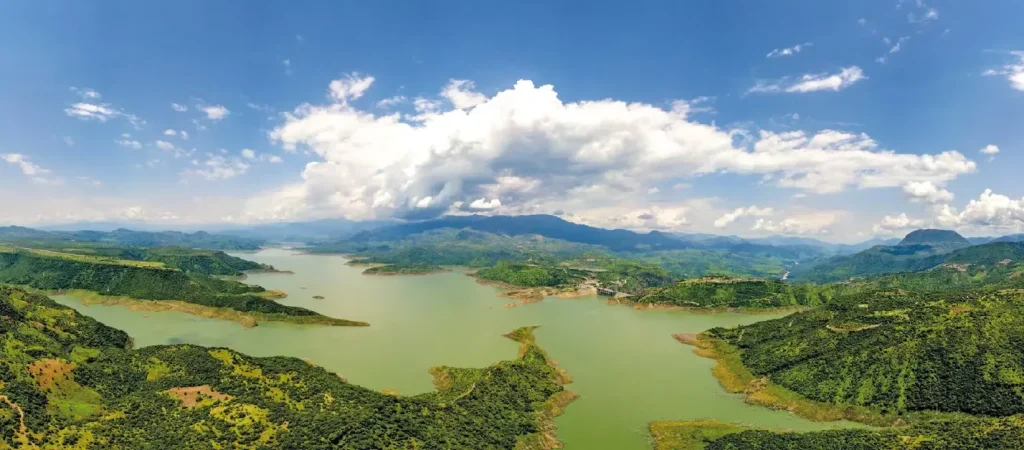
- Hydropower Capacity: Guinea’s vast river systems provide immense hydropower potential, positioning the country to supply clean electricity to its neighbors through the West African Power Pool.
- Sustainability Alignment: Current renewable energy projects are gaining traction, directly aligning with global ESG (Environmental, Social, and Governance) goals and attracting climate-conscious capital.
3. Strategic Location and Trade Access
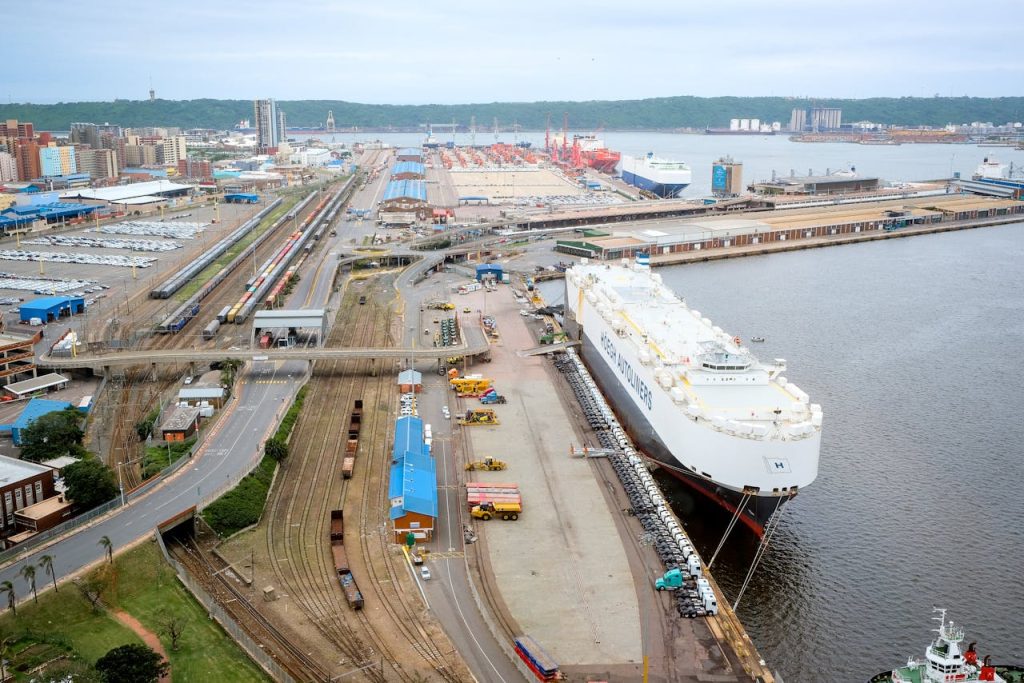
Situated with direct access to Atlantic ports, Guinea serves as a natural gateway for trade between Africa, Europe, and the Americas. The expansion of deep-water ports and modernized rail links is further reducing the cost of doing business and enhancing regional integration.
High-Growth Investment Sectors to Watch
In 2026, the Guinean government prioritized specific sectors to drive its “Simandou 2040” vision, offering various entry points for international firms.
Mining & Minerals: Beyond Extraction
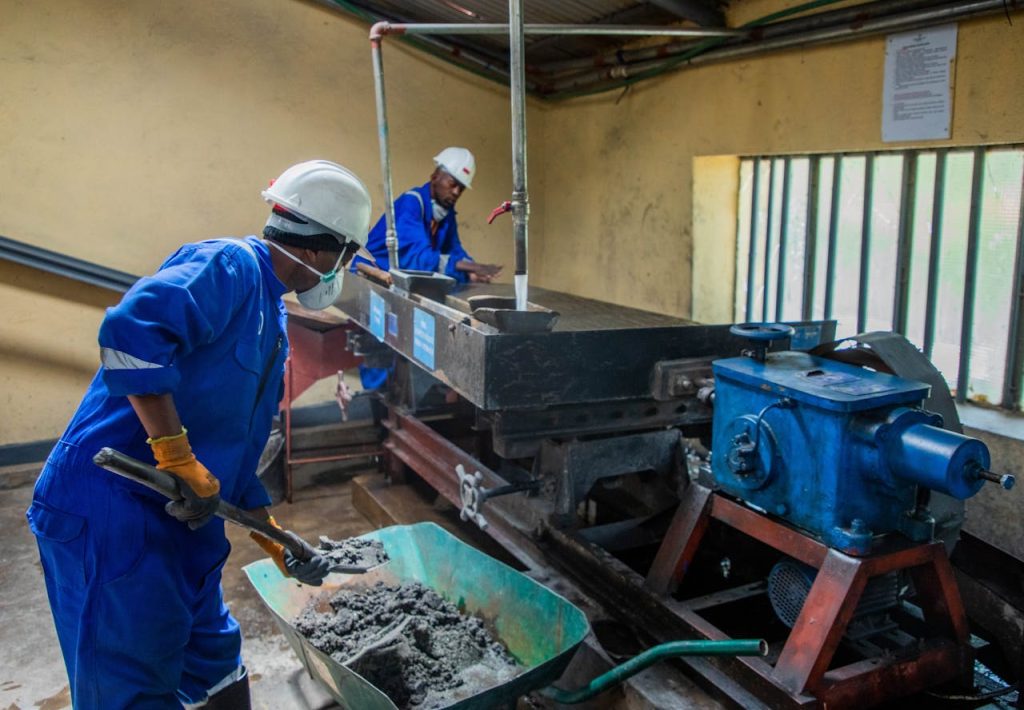
While extraction is the foundation, the real growth is in mid-stream processing. The government is encouraging the construction of alumina refineries to ensure that more value remains within the country. This creates a massive demand for technical services, machinery, and industrial logistics.
Energy & Hydropower: Regional Export Power
With the commissioning of new dams, Guinea is moving from an energy-deficit nation to a regional exporter. Opportunities abound in transmission infrastructure, smart grid technology, and independent power production (IPP).
Agriculture: The Next Food Basket
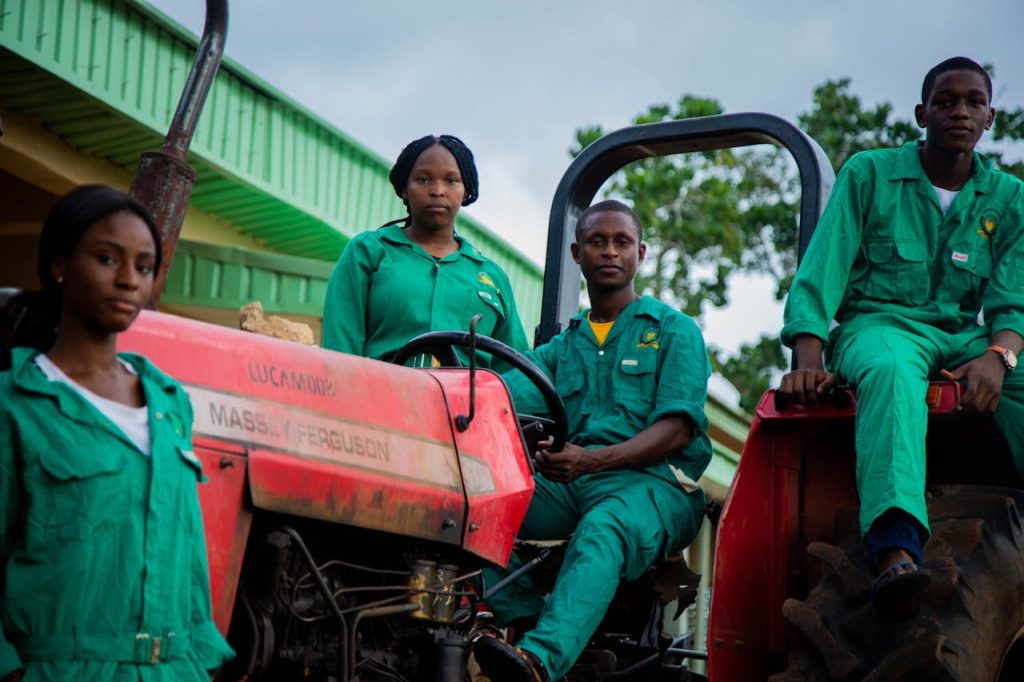
Guinea possesses millions of hectares of fertile land and abundant rainfall, making it ideal for rice, coffee, and high-value cash crops. Compared to the more mature agricultural markets in Senegal or Côte d’Ivoire, Guinea offers lower land costs and higher untapped potential for large-scale agribusiness.
Infrastructure Development: The Multiplier Effect
The development of the “Trans-Guinéen” railway and the expansion of the Morebaya port are creating a multiplier effect. International support is pouring into road networks and energy grids, providing long-term growth potential for engineering and construction firms.
Q&A Section: Addressing Investor Concerns
Q1: Is Guinea safer for investment compared to Nigeria or Côte d’Ivoire? Guinea faces political transition challenges, but its mining sector has demonstrated remarkable stability compared to Nigeria’s volatile oil industry. Furthermore, Guinea’s economy is less dependent on single commodities compared to Côte d’Ivoire’s heavy reliance on cocoa prices.
Q2: What makes Guinea unique among West African countries? Its combination of vast mineral wealth and immense hydropower potential sets it apart. Few countries in the region can offer such a high-scale, diversified range of opportunities in both the “Old Economy” (mining) and the “New Economy” (renewable energy).
Q3: How does Guinea’s ease of doing business compare? While Guinea currently ranks lower than Ghana or Senegal in some indices, ongoing reforms are actively improving transparency and legal protections for foreign investors. The government is increasingly utilizing digital portals to streamline company registration and tax filings.
Q4: Which sectors should foreign investors prioritize? Mining, renewable energy, and agriculture remain the top three sectors for immediate entry. However, infrastructure offers significant long-term growth potential as the country builds out its regional corridors.
Q5: What legal protections are available for foreign firms? Guinea has introduced specific legal protections, including tax incentives and international arbitration-friendly contracts, to attract and safeguard foreign direct investment.
Conclusion: Why Guinea is the Standout Strategic Opportunity
While Nigeria, Ghana, Senegal, and Côte d’Ivoire remain attractive destinations, Guinea’s unmatched mineral reserves, untapped hydropower potential, and reform-driven climate make it a standout choice for the future. For investors seeking genuine diversification and exponential long-term growth, Guinea is not just an option it is a strategic necessity.
As global demand for aluminum, high-grade iron ore, and clean energy continues to rise, Guinea is perfectly positioned to deliver the high-scale assets that the 21st-century economy requires.
Take the Lead in West Africa’s Growth Story
Ready to explore the high-yield potential of the “Water Tower of Africa”? At Yes! Invest Guinea, we specialize in bridging the gap between global capital and local opportunities. Whether you are interested in mining concessions, energy projects, or agricultural expansion, our team provides the local expertise and institutional liaison you need to succeed.
Contact Yes! Invest Guinea today to receive our 2026 West African Comparative Investment Report.