The global fight against climate change has reached a definitive crossroads in 2026. As heavy industries from bauxite refining to cement production strive to meet the stringent “Net Zero” targets of the Paris Agreement, the demand for high-performance mitigation technology has skyrocketed. While renewable energy is the sword of the green transition, Carbon Capture Technology is its shield. In the Republic of Guinea, a nation currently undergoing a massive industrial expansion, the integration of Carbon Capture, Utilization, and Storage (CCUS) is no longer a luxury; it is a strategic economic imperative.
For global ESG (Environmental, Social, and Governance) investors, technology providers, and heavy industry operators, Guinea represents a unique geographic and geological frontier for carbon management. This article explores the roadmap for Carbon Capture Guinea, the industrial synergies within the mining sector, and why 2026 is the pivotal year for sustainable energy investments in West Africa.
The Industrial Imperative: Decarbonizing Guinea’s Growth
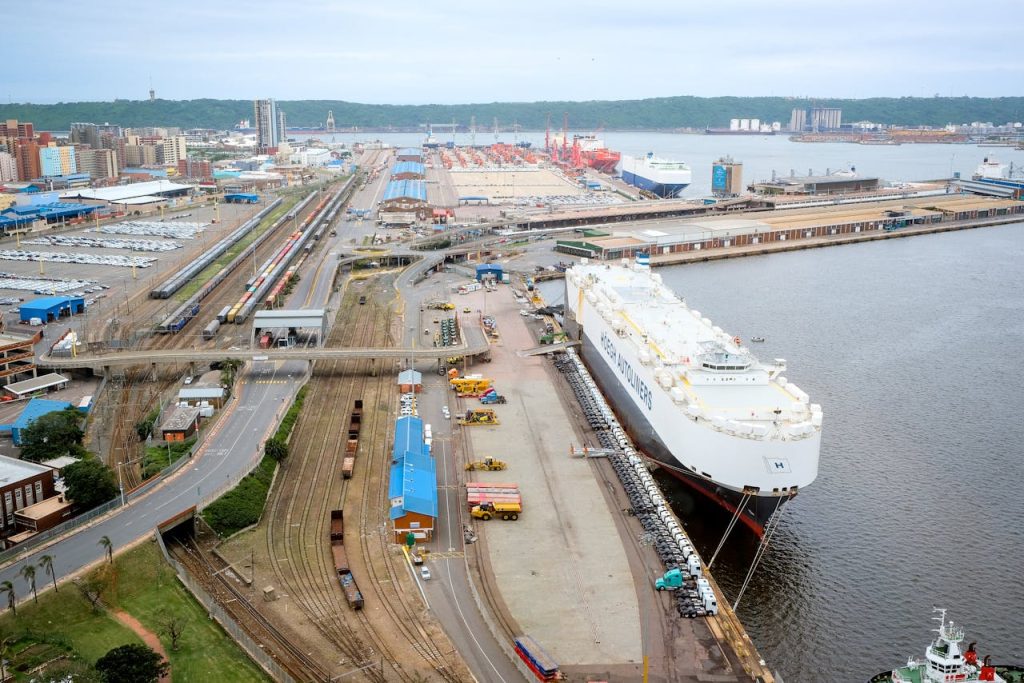
Guinea is home to some of the world’s largest industrial projects, particularly in the aluminum and iron ore sectors. These industries are inherently carbon-intensive, but in 2026, “Green Aluminum” and “Low-Carbon Steel” are the only products that command premium prices in the European and American markets.
1. Retrofitting Bauxite and Alumina Refineries
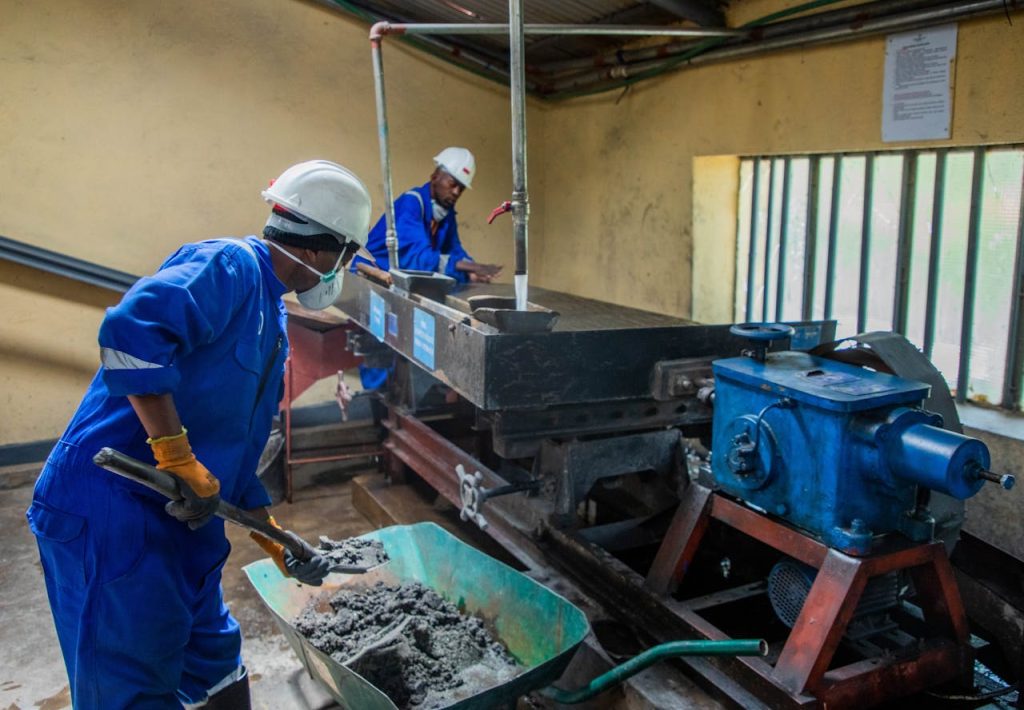
The conversion of bauxite into alumina requires significant thermal energy, typically resulting in high CO2 emissions. By implementing post-combustion Carbon Capture Technology, refineries in the Boké and Fria regions can capture up to 95% of their emissions before they enter the atmosphere. According to the International Energy Agency (IEA), CCUS is one of the only viable pathways for decarbonizing “hard-to-abate” heavy industries.
2. Strategic Alignment with the Simandou Project
As the Simandou iron ore project moves into full production, the opportunity to integrate carbon capture at the sourcen specifically in power generation and ore processing is immense. By adopting Carbon Capture Guinea solutions early, operators can future-proof their assets against carbon taxes and border adjustment mechanisms (CBAM) currently being implemented by the European Commission.
Technical Frontiers: Utilization and Geological Storage
Carbon capture is only half of the equation; the “U” (Utilization) and “S” (Storage) are where the long-term value resides for investors in Guinea.
1. Enhanced Mineral Recovery and Utilization
Captured CO2 in Guinea doesn’t have to be “waste.” It can be a feedstock for secondary industries.
- CO2-to-Value: Captured carbon can be used in the production of synthetic fuels or as a chemical feedstock for local Manufacturing and Industrialization projects.
- Building Materials: Carbonation of bauxite residue (red mud) can stabilize waste products while permanently sequestering CO2 into bricks or construction aggregates.
2. Geological Sequestration Potential
Guinea’s diverse geological landscape, including sedimentary basins and offshore formations, offers potential sites for permanent underground CO2 storage. In 2026, specialized seismic mapping is underway to identify “Carbon Sinks” that can serve not only Guinea but also act as a regional hub for carbon storage services for West Africa.
Why Invest in Carbon Capture Guinea Now?
The 2026 investment climate in Guinea is specifically designed to attract “Climate-Tech” capital through a blend of fiscal incentives and international carbon market integration.
1. Access to Global Green Finance
Projects that incorporate Carbon Capture Technology in Guinea are prime candidates for “Green Bonds” and concessional financing from the Global Environment Facility (GEF). Furthermore, these projects generate high-integrity carbon credits that can be traded on international compliance markets, providing a secondary revenue stream for investors.
2. The 2026 Sustainable Energy Framework
Under the new National Energy Master Plan, the Guinean government has introduced:
- Carbon Credits Incentives: Companies that successfully sequester carbon are eligible for offsets against their industrial tax liabilities.
- Import Duty Exemptions: 100% waiver on the importation of specialized CCUS equipment, including amine scrubbers, CO2 compressors, and monitoring sensors.
- Research and Development Grants: Financial support for pilot projects that adapt carbon capture technology to tropical humid climates.
3. Legal Security via OHADA and International Treaties
By adhering to the OHADA legal framework and the latest international environmental protocols, Guinea ensures that long-term sequestration contracts are legally binding and transparent. This provides the multi-decade security required for the capital-intensive nature of carbon infrastructure.
Roadmap for Implementing Carbon Capture Projects
- Emissions Auditing: Conduct a granular analysis of industrial CO2 flue gases to determine the most cost-effective capture technology (Pre-combustion vs. Post-combustion).
- Pilot Scaling: Establishing a “Mobile Capture Unit” to test the efficiency of carbon scrubbers in the specific atmospheric conditions of Guinea’s coastal industrial zones.
- Infrastructure Integration: Working with Yes! Invest Guinea to secure “Common-User” pipeline rights for transporting captured CO2 from refineries to storage or utilization sites.
- Certification: Aligning the project with the Verified Carbon Standard (VCS) to ensure the captured carbon meets global verification requirements for credit issuance.
FAQ: Carbon Capture Technology Guinea
- Is Carbon Capture technology proven for the mining industry?
Yes. In 2026, several global mining giants have successfully deployed CCUS at alumina refineries and steel mills. Guinea is leveraging these proven technologies to skip the “experimental” phase and move straight to industrial deployment.
- What is the cost of capturing a tonne of carbon in Guinea?
While costs vary by industry, the co-location of capture units with low-cost Hydrogen Energy Projects in Guinea is expected to bring the cost of capture down to competitive global benchmarks (sub-$50 per tonne) by 2027.
- Does Guinea have a carbon tax?
While there is no direct carbon tax yet, the government is moving toward a “Carbon Pricing” model in line with international standards. Early adopters of Carbon Capture Guinea will be exempt from these future costs.
- Can captured CO2 be used in Guinea’s agriculture?
Absolutely. Captured CO2 can be utilized in commercial greenhouses to accelerate crop growth or in the production of urea-based fertilizers for the Agriculture and Agribusiness sector.
- How can Yes! Invest Guinea assist my CCUS project?
Yes! Invest Guinea facilitates the entire investment journey: from identifying industrial partners for CO2 off-take to navigating the environmental permitting process and securing “Strategic Project” fiscal benefits.
Conclusion: Securing a Green Industrial Legacy
The Republic of Guinea is proving that industrialization and environmental stewardship are not mutually exclusive. Carbon Capture Technology: Pioneering Sustainable Energy in Guinea is the bridge between the nation’s mineral-rich present and its carbon-neutral future. In 2026, the technology is ready, the industrial demand is urgent, and the political will is absolute.
For the investor, carbon capture is more than just a “green” initiative it is the ultimate de-risking strategy in a world that no longer accepts “business as usual.”
Lead the Green Revolution with Yes! Invest Guinea
At Yes! Invest Guinea, we specialize in the intersection of heavy industry and sustainable technology. From the first engineering audit to the first carbon credit issued, our team is your strategic partner in the future of energy.
Contact Yes! Invest Guinea today to receive our 2026 CCUS & Industrial Sustainability Report