The global aluminum industry has a single, undeniable center of gravity: The Republic of Guinea. As the world transitions toward a green economy, the demand for aluminum essential for electric vehicles, solar panels, and lightweight infrastructure has skyrocketed. At the heart of this supply chain is Guinea Bauxite Mining, a sector that currently holds the world’s largest proven reserves and is rapidly evolving its export strategies to meet 2026’s global demands.
For investors and industrial stakeholders, understanding the Guinean bauxite landscape is no longer optional; it is a strategic necessity. With reserves estimated at over 40 billion tonnes, Guinea isn’t just a participant in the market it is the market leader.
The Magnitude of Guinea’s Bauxite Reserves
While several countries produce bauxite, the quality and quantity found in the Boké and Kindia regions of Guinea are unparalleled. Guinean bauxite is prized for its high alumina content and low reactive silica, making it the most cost-effective ore for refineries globally, particularly in China and the Emirates.
Geological Dominance and Quality
The deposits in Guinea are primarily lateritic, located near the surface, which allows for open-pit mining. This significantly reduces operational costs compared to deep-mining operations found elsewhere. In 2026, technological advancements in geological mapping further confirmed that Guinea’s reserves could sustain global demand for centuries, providing a level of long-term security rarely found in the extractive industries.
Regional Hubs of Production
- Boké Region: The powerhouse of the sector, hosting major consortiums and dedicated mining railways.
- Kindia: Home to some of the longest-running operations, benefiting from established logistics to the Port of Conakry.
- Boffa: An emerging corridor that has seen massive infrastructure investment over the last three years.
Evolution of Export Strategies in 2026
The “dig and ship” model of the past is being replaced by sophisticated, integrated export strategies. The Guinean government and private stakeholders are now prioritizing value-addition and logistical efficiency to maximize the nation’s “white gold.”
1. The Multi-User Infrastructure Model
One of the most significant shifts in Guinea Bauxite Mining is the transition toward multi-user infrastructure. Previously, each mining company built its own short-haul rail and port facilities. Today, the government encourages shared rail corridors. This reduces the capital expenditure (CAPEX) for new entrants and minimizes the environmental footprint of the industry.
2. Transshipment and Deep-Water Logistics
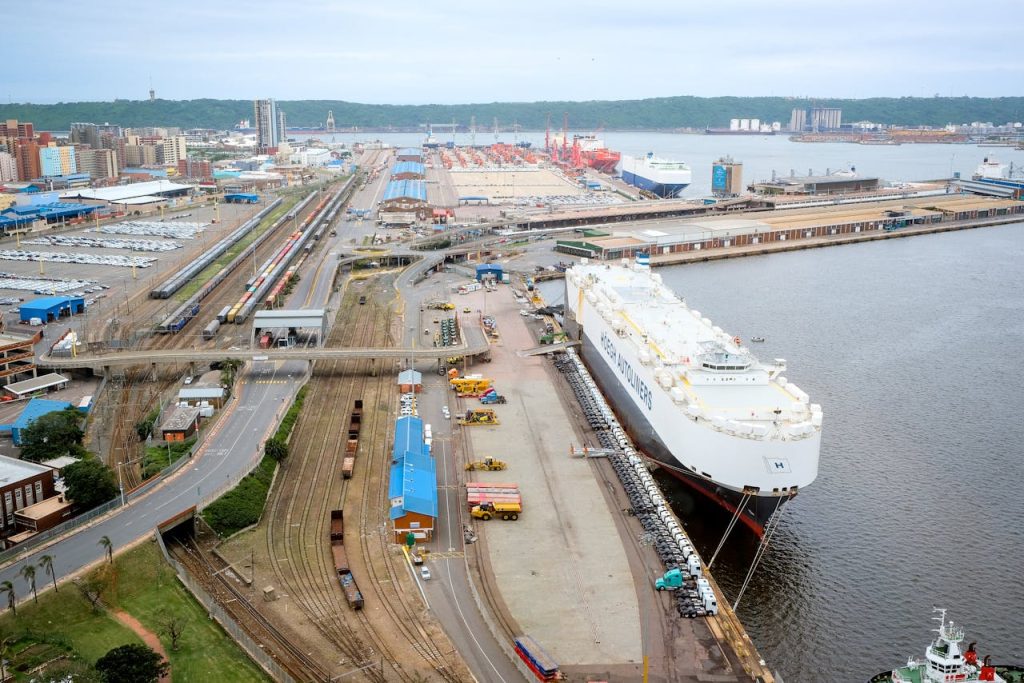
Because many of Guinea’s coastal areas are shallow, the use of large Capesize vessels was historically difficult. In 2026, the industry has mastered “Transshipment”—using smaller barges to carry ore to massive floating transfer stations in deeper waters. This strategy has slashed freight costs by 20%, making Guinean ore even more competitive in distant markets like East Asia.
3. The Push for Local Transformation (Alumina Refineries)
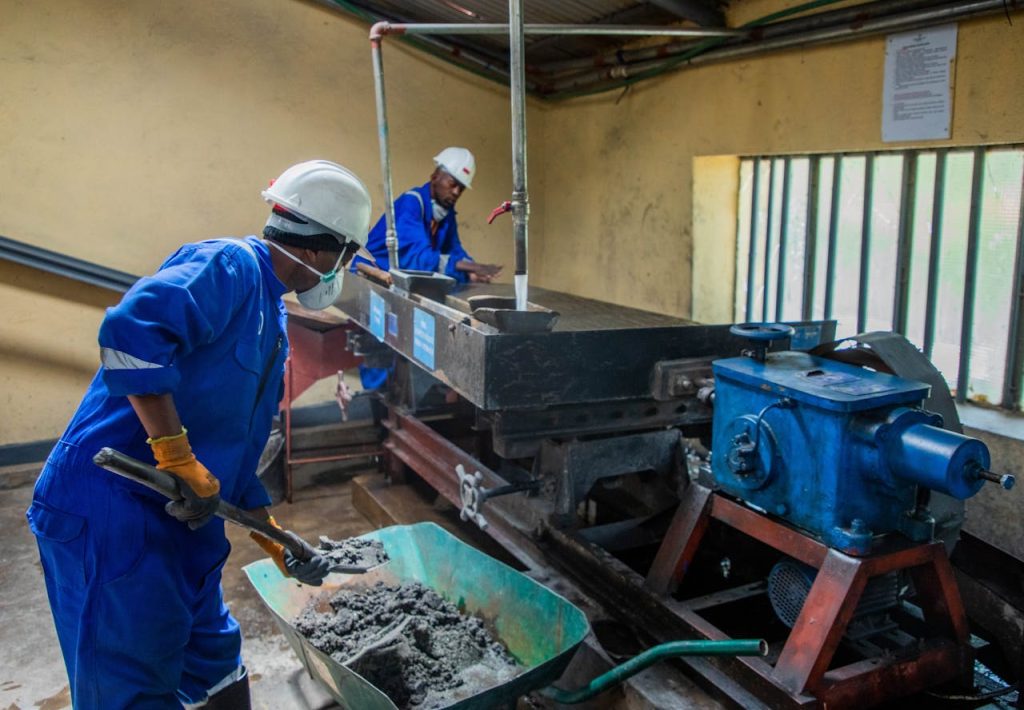
A core pillar of the current export strategy is the mandate for local processing. The government is incentivizing the construction of alumina refineries within Guinea. By converting bauxite into alumina locally, the country reduces the bulk of its exports while exponentially increasing the value per tonne. This shift represents a massive secondary investment opportunity for those focusing on industrial infrastructure.
The ESG Frontier: Sustainable Mining in Guinea
In 2026, institutional investors are no longer looking at volume alone; they are looking at ESG (Environmental, Social, and Governance) compliance. The Guinea Bauxite Mining sector has undergone a radical transformation in this regard.
Decarbonizing the Supply Chain
Mining companies are increasingly integrating renewable energy—specifically solar and hydropower—into their operations. This “Green Bauxite” is fetching a premium in European markets where carbon border adjustments are now in play.
Community Engagement and Social License
Successful mining in Guinea now requires a robust social license to operate. This involves:
- Transparent community compensation frameworks.
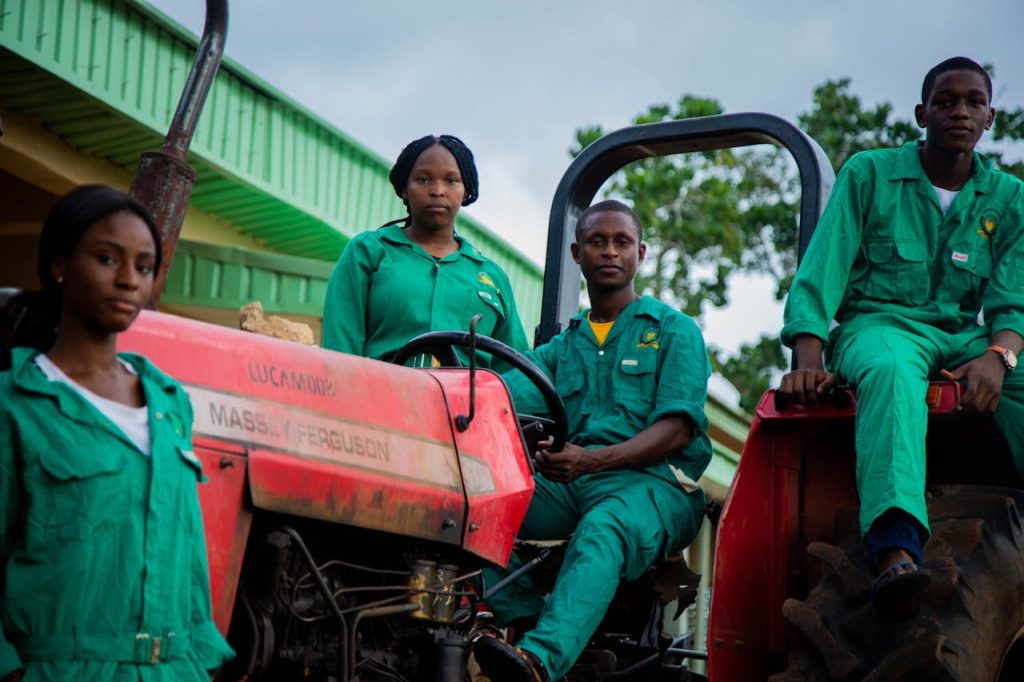
- Local content requirements that ensure Guinean SMEs are part of the supply chain.
- Biodiversity offsets to protect Guinea’s unique chimpanzee populations and rainforests.
Investment Opportunities in the Bauxite Value Chain
Investing in Guinea Bauxite Mining is not limited to owning a mine. The ecosystem around the ore provides various entry points for international capital.
Logistics and Transport
With millions of tonnes moving from mine to port, the demand for specialized rail maintenance, heavy-duty trucking, and maritime services is at an all-time high. Logistics providers who can offer “smart” tracking and automated loading solutions are finding high-margin contracts.
Specialized Machinery and Maintenance
The harsh, red-dust environment of a bauxite mine is notoriously tough on equipment. There is a persistent need for specialized maintenance hubs, spare parts distribution, and heavy machinery leasing.
Energy Infrastructure
Refineries require a stable, high-voltage power supply. The intersection of mining and energy (Independent Power Providers) is one of the most profitable niches for investors in 2026.
FAQ: Understanding the Bauxite Sector
1. How much of the world’s bauxite is in Guinea?
Guinea is estimated to hold approximately 25% to 33% of the world’s total proven bauxite reserves, with the highest quality ore available for commercial extraction.
2. What are the main export markets for Guinean bauxite?
China remains the largest importer, using Guinean ore to feed its massive aluminum smelters. However, the United Arab Emirates, India, and European nations are significantly increasing their market share as they seek to diversify away from other sources.
3. What is the “Local Content” law in Guinea mining?
The law requires mining companies to prioritize Guinean employees and local subcontractors. This is designed to ensure that the wealth generated by Guinea Bauxite Mining supports the broader national economy.
4. Is the mining sector in Guinea politically stable for investors?
Yes. Despite political transitions, the mining sector remains the protected “engine” of the economy. The investment codes are designed to provide long-term stability and protection for foreign direct investment (FDI).
5. How can an investor get started in the Guinean mining sector?
The first step is securing a mining permit or partnering with an existing concession holder. Navigating these legalities is best done through a consultancy like Yes! Invest in Guinea, which understands the local regulatory framework.
Conclusion: Capitalizing on the Bauxite Supercycle
As the world’s appetite for aluminum continues to grow, Guinea stands as the most critical player in the global supply chain. The combination of unmatched reserve volumes, improving infrastructure, and a clear national export strategy makes Guinea Bauxite Mining the premier choice for natural resource investors in 2026.
The window for entering the market at current valuations is narrowing as infrastructure projects come to fruition. To succeed, investors need a partner who understands the ground-level reality of the Boké and Kindia corridors.
Ready to explore the “White Gold” of West Africa? At Yes! Invest in Guinea, we provide the strategic advisory and local network you need to secure your place in the world’s most significant mining boom.
Contact Yes Invest in Guinea today to receive our latest Bauxite Sector Report and Investment Guide.