The global metals and logistics landscape is experiencing a massive recalibration as traditional trade corridors stabilize and demand for premium industrial commodities reaches new heights. A significant development in this macroeconomic shift is the official confirmation that Rio Tinto’s aluminum exports to the US rebound to pre-tariff levels. This recovery represents a major milestone for cross-border industrial supply chains, signaling a return to predictable trade volumes and strong long-term demand from North American manufacturing, automotive, and aerospace sectors.
For macro investors and mining consortia, this trade rebound highlights a deeper structural reality: the global market’s appetite for high-grade aluminum is unshakeable. As a result, the spotlight has turned intensely toward primary supply nodes capable of feeding global smelters. At Yes! Invest Guinea, we track these international trade shifts to provide global corporate boards, private equity firms, and joint-venture syndicates with high-yield market entry strategies. Unlocked by Guinea’s comprehensive “Simandou 2040” national development strategy, this global market recovery directly amplifies the urgency for localized value addition and mid-stream processing hubs right at the primary resource source.
1. Analyzing the Rebound: What Driving Rio Tinto’s Export Recovery Means for Global Trade
The normalization of aluminum trade volumes between international producers and major manufacturing destinations is a masterclass in supply chain resilience and regulatory adjustment.
Market Demand and Tariff Normalization
The return to pre-tariff export volumes demonstrates that long-term industrial demand ultimately overrides short-term protectionist trade barriers. North American automotive manufacturers, expanding production lines for light-weight traditional vehicles and advanced electric vehicle (EV) fleets, require massive, predictable volumes of premium aluminum. By navigating the shifting tariff landscapes successfully, major global miners have proven that securing high-purity metal supply chains is a non-negotiable priority for advanced industrial economies.
The Ripple Effect on Primary Mineral Sources
Rio Tinto’s successful export recovery sends a strong signal down the entire global supply chain, directly impacting the raw materials that feed aluminum smelters worldwide. To sustain these high export levels, processing facilities require a continuous, scalable supply of high-grade bauxite. This global demand curve places the Republic of Guinea the holder of the world’s largest premium bauxite reserves at the center of international mining strategies, increasing the value of Mining Opportunities in Guinea for forward-thinking institutional funds.
2. Transforming the Supply Chain: Guinea’s Leap into Localized Alumina Refining
As international aluminum markets fully recover, the raw extraction model is undergoing a massive transformation. The true wealth of the future lies in shifting operations from simple ore shipping to localized mid-stream value addition.
Capitalizing on the Bauxite Refining Mandate
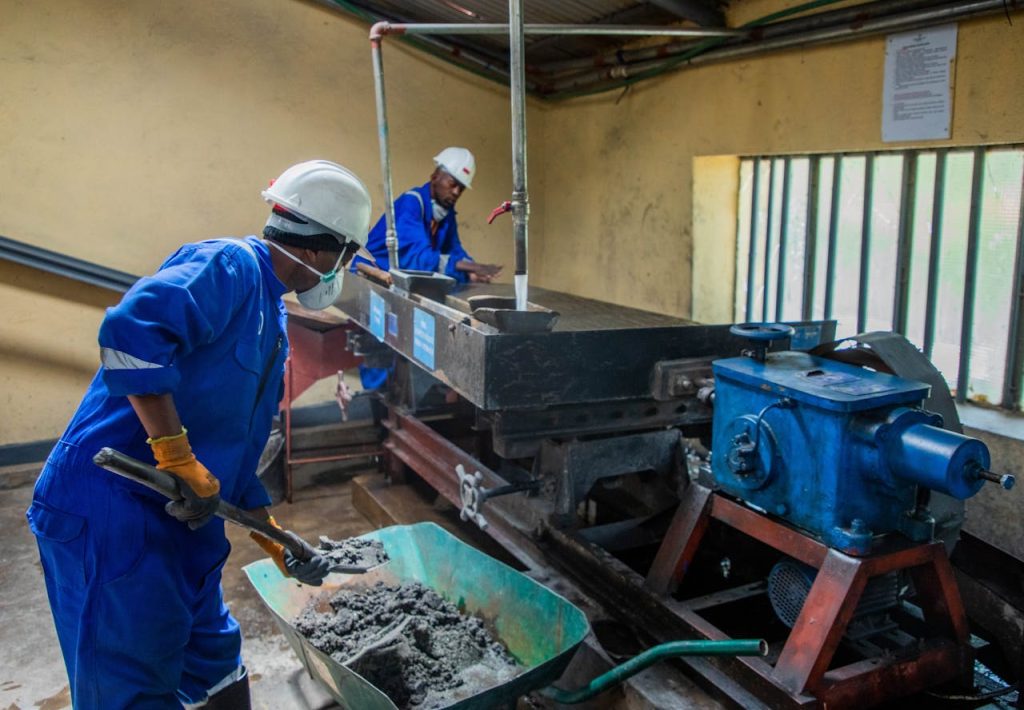
Guinea possesses over 40 billion tonnes of high-purity bauxite. Historically, massive volumes of raw ore were shipped across long ocean routes to be refined elsewhere. However, the Guinean government has implemented strict mandates and highly attractive fiscal incentives for international corporations that establish alumina refineries domestically. Localizing this processing stage slashes trans-continental shipping costs and protects margins from global freight volatility, making Guinea the most logical location for heavy industrial processing.
Utilizing Modern Multi-User Transport Networks
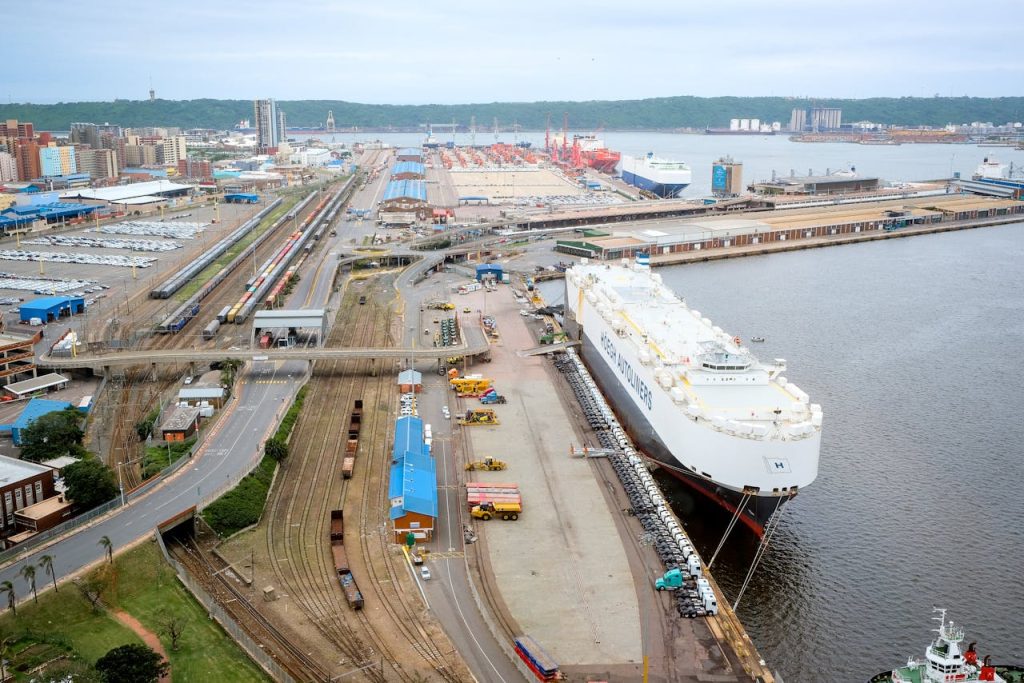
The historical bottleneck for industrial scaling in West Africa has always been physical logistics. This barrier has been dismantled by the operational rollout of the Trans-Guinean logistics corridor, featuring a state-of-the-art 670 km heavy-haul railway line and deep-water port facilities at Morebaya and Kamsar. Formally structured as a multi-user network, this infrastructure spine allows industrial developers to transport heavy raw inputs and processed alumina from the deep interior to global shipping lanes with maximum efficiency, radically optimizing Infrastructure Development Guinea ventures.
3. Tech-Driven Operations: Powering Smart Refineries and Industrial Automation
Modern industrial processing plants require a deep digital infrastructure spine and highly efficient automation systems to remain competitive on the global stage.
Integrating IoT and Automation in Special Economic Zones (SEZs)
International developers establishing operations within Guinea’s newly designed Special Economic Zones (SEZs) are successfully deploying modern smart-factory models. By integrating advanced IoT Guinea sensor networks directly into refinery assembly lines, operators can monitor machinery health in real-time, predict maintenance needs, and manage raw inventories dynamically via automated cloud dashboards, ensuring maximum operational safety and zero unexpected downtime.
Securing Uninterrupted Power via Renewable Microgrids
To power heavy alumina refineries and automated processing plants with absolute energy sovereignty, industrial developers are actively moving away from traditional grid reliance. Forward-thinking operators are deploying decentralized, hybrid Microgrid Systems that pair large-scale industrial solar arrays with advanced battery energy storage systems (BESS). These smart grids utilize intelligent power-load software to ensure stable, 24/7 clean energy, allowing corporate players to lower operational costs while shrinking their carbon footprints to meet strict global ESG protocols.
4. Legal Certainty: Navigating Corporate Security under the OHADA Framework
A primary requirement for multinational mining boards, institutional compliance teams, and legal counsels looking to allocate large-scale capital in West Africa is the transparency, predictability, and safety of the local legal environment. Guinea provides an ironclad framework to protect foreign direct investment (FDI).
Standardized Business Laws under OHADA
Guinea operates as a core member of the OHADA Law framework, a highly unified commercial legal code implemented across 17 African nations. This civil law system offers exceptional predictability, ensuring that international mineral concessions, infrastructure partnerships, corporate joint ventures, and long-term land leases are legally secure and fully recognized by international commercial arbitration courts.
Exclusive Incentives Under the 2026 Investment Code
Foreign enterprises registering manufacturing or industrial processing operations through the Agency for the Promotion of Private Investments (APIP) unlock competitive fiscal benefits under the updated Investment Code:
- Tax Stability Agreements: Guaranteed protection against any future changes in fiscal or corporate tax laws for the entire duration of the primary industrial convention.
- Customs Duty Waivers: 0% import duties and full VAT exemptions on all specialized heavy machinery, technological hardware, and engineering equipment during the construction phase.
- Capital Protection: Full legal rights for international corporations to freely repatriate 100% of profits, company dividends, and operational capital in foreign currency.
5. Frequently Asked Questions (FAQ)
- What does the rebound of Rio Tinto’s aluminum exports to the US signal for the global market?
It proves that global industrial demand for premium aluminum remains resilient, stabilizing cross-border trade corridors and increasing the demand for high-grade bauxite sources to feed international smelters.
- Can an international industrial corporation maintain 100% ownership of a refinery in Guinea?
Yes. Under the OHADA legal framework and Guinea’s open investment policies, foreign investors are legally permitted to establish, manage, and maintain 100% ownership of their local corporate subsidiaries (such as a SARL or SA) across the manufacturing and processing sectors.
- What international trade frameworks benefit goods processed or manufactured in Guinea?
Goods manufactured or processed within Guinea qualify for tariff-free distribution across the continent via the African Continental Free Trade Area (AfCFTA). For global trade, products also benefit from duty-free access to European markets through the Everything But Arms (EBA) initiative.
- How does Guinea manage environmental and social compliance for heavy industrial setups?
Guinea enforces strict environmental, social, and governance (ESG) protocols aligned with international benchmarks. Every large-scale processing or refining setup must undergo an official Environmental and Social Impact Assessment (ESIA) to guarantee long-term operational sustainability.
- How can Yes! Invest Guinea assist international industrial groups?
We serve as your comprehensive institutional concierge on the ground. Our team handles Legal and Regulatory Compliance, assists in securing industrial land or processing permits, navigates bureaucratic processes, and facilitates local International Recruitment to build your local engineering and management teams.
Conclusion: Securing the Future of Industrial Refining
The news that Rio Tinto’s aluminum exports to the US rebound to pre-tariff levels is a powerful reminder that global industrial demand is resilient and forward-moving. By matching advanced international processing demands with Guinea’s immense natural wealth, modernized transport corridors, and secure legal frameworks, forward-thinking corporations can secure an unshakeable market position in West Africa.
Accelerate Your Corporate Expansion with Yes! Invest Guinea
At Yes! Invest Guinea, we deliver the critical data, verified institutional networks, and legal safety rails required to transition your industrial project seamlessly from a blueprint into a highly profitable operational reality.