Home | Opportunities | Fishing and Aquaculture | Aquaculture & Fish Farming

Aquaculture & Fish Farming Investment in Guinea: West Africa's Untapped $500 Million Blue Revolution

Guinea imports 60% of its fish despite possessing 300,000+ hectares of ideal aquaculture sites and abundant freshwater resources—representing a $200 million annual import substitution opportunity.

How Guinea's 60% Fish Import Bill Creates Africa's Most Lucrative Aquaculture Frontier

This extraordinary aquaculture potential in Africa’s water-richest nation creates West Africa’s most compelling fish farming investment frontier. As Guinea’s aquaculture development architects, we guide strategic investors to build the integrated fish farming operations that will transform aquatic resources into economic prosperity.

The Aquaculture Imperative: A Water-Rich Nation Importing Fish

Guinea’s markets reveal a staggering paradox: A nation with 1,000+ rivers, 300km coastline, and ideal tropical climate imports $200 million in fish annually while local aquaculture produces less than 500 tonnes. This aquaculture deficit presents an undeniable investment opportunity:

  • Import Crisis: 60% of fish consumed in Guinea is imported
  • Production Gap: Current production <500 tonnes vs 50,000+ tonne potential
  • Resource Underutilization: 300,000+ hectares suitable for ponds lying idle
  • Economic Loss: $200M annual import bill growing at 15% yearly

Market Analysis: The Perfect Aquaculture Storm

Current Aquaculture Landscape:

  • Production Scale: <500 tonnes annually (vs 5,000+ tonne regional neighbors)

  • Farm Types: 95% small-scale subsistence ponds (<0.5 hectare)
  • Technology Level: Zero commercial-scale operations, limited hatcheries
  • Value Chain: No integrated feed, processing, or distribution systems

Natural Advantages:

  • Water Resources: 1,000+ rivers, abundant groundwater, 2,500mm annual rainfall
  • Climate: Year-round growing season (25-30°C ideal for tropical species)
  • Land Availability: 300,000+ hectares suitable for pond development
  • Species Suitability: Tilapia, catfish, shrimp all thrive in Guinean conditions

Strategic Investment Opportunities

Integrated Tilapia & Catfish Farming

Commercial Pond Operations

  • Market Demand: 150,000+ tonnes annual fish consumption, 60% imported
  • Species: Nile tilapia (growth rate: 500g in 6-8 months)
  • Scale: 100-500 hectare integrated farms
  • Technology: Aerated ponds, automatic feeders, water quality monitoring
  • Production: 15-20 tonnes/hectare/year with proper management
  • Investment: $5,000-10,000/hectare for complete farm development


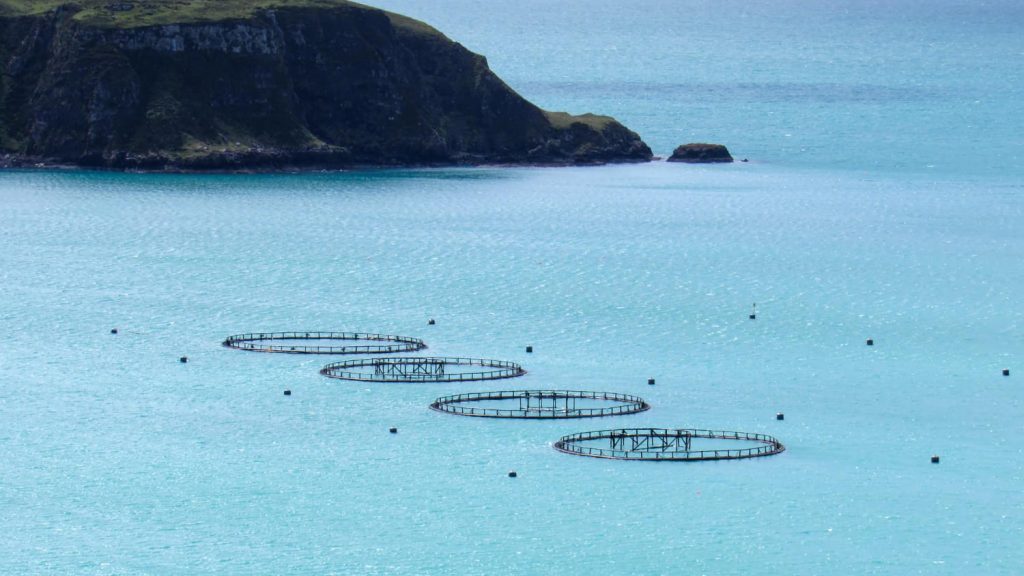
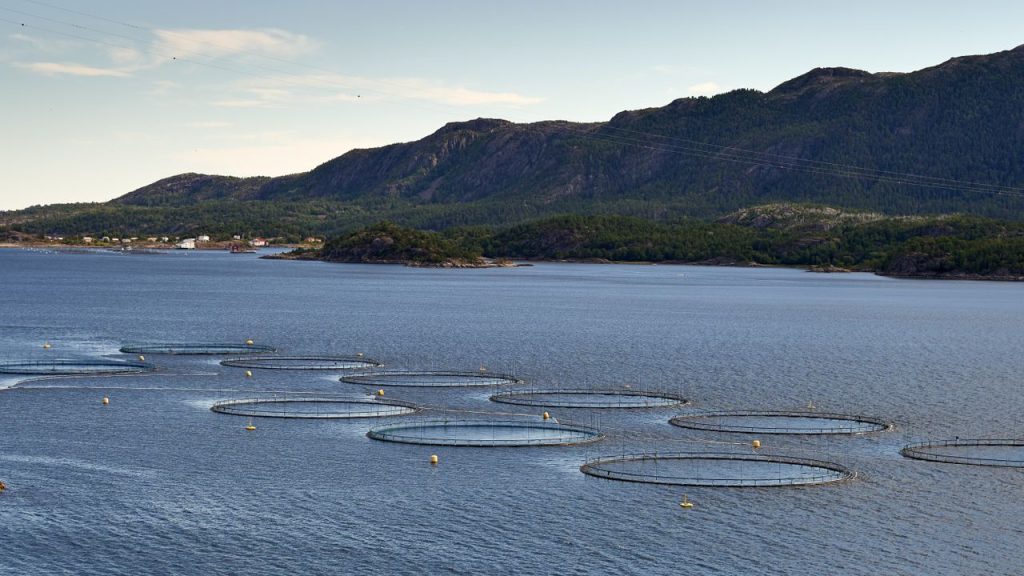
Cage Culture Systems

  • Water Bodies: Niger River tributaries, reservoirs, floodplains
  • Advantage: Lower land requirement, natural water exchange
  • Design: 500-2,000m³ cages with feeding and monitoring systems
  • Yield: 50-100kg/m³/year with proper management
  • Scale: $2-5M investment for 1,000+ tonne annual production

Coastal Aquaculture Development

Brackish Water Shrimp Farming

  • Natural Advantage: 50,000+ hectares of mangrove-adjacent land
  • Species: Pacific white shrimp (Litopenaeus vannamei)
  • Technology: Semi-intensive ponds with aeration and feeding
  • Production: 5-10 tonnes/hectare/crop, 2 crops annually
  • Market: Export to EU and US at $8,000-12,000/tonne
  • Investment: $15,000-25,000/hectare for complete farm setup


Integrated Mangrove-Aquaculture

  • Sustainability Model: Aquaculture within restored mangrove areas
  • Certification: Organic and sustainability premiums available
  • Species: Mud crab, mullet, milkfish in polyculture systems
  • Market: Premium export markets for eco-certified products
  • Innovation: Blue carbon credits from mangrove restoration

Hatchery & Feed Production Infrastructure

Modern Fish Hatchery Operations

  • Critical Gap: 95% of fingerlings imported or wild-caught
  • Scale: 10-50 million fingerlings annually to supply industry
  • Technology: Biosecure facilities, hormone-induced breeding, live feed production
  • Species: Tilapia, catfish, high-value native species
  • Investment: $2-5M for commercial-scale hatchery
  • Returns: 40-60% margins with guaranteed farmer demand


Aquafeed Manufacturing Plant

  • Import Dependency: 100% of commercial feed imported
  • Local Ingredients: Rice bran, fishmeal from bycatch, oilseed cakes
  • Scale: 20,000+ tonne annual production facility
  • Technology: Extrusion processing for floating feeds
  • Investment: $8-15M for integrated feed mill
  • Market: 50,000+ tonne annual demand at commercial scale

Value-Added Processing & Distribution

Modern Processing Facilities

  • Quality Gap: No proper processing for farmed fish
  • Products: Fresh chilled, frozen fillets, smoked, value-added products
  • Technology: HACCP-certified processing, IQF freezing, packaging
  • Scale: $3-8M facilities processing 20-50 tonnes daily
  • Market: Supermarkets, hotels, export, institutional buyers


Cold Chain & Distribution Network

  • Critical Need: <5% of fish handled in temperature-controlled chain
  • Components: Collection centers, refrigerated transport, urban cold stores
  • Technology: Solar-powered cold storage, tracking systems
  • Investment: $5-10M for national distribution network
  • Revenue: Logistics fees plus quality premiums

Financial Architecture: Aquaculture Economics

Production Economics:

  • Tilapia Pond Farming: $1.50-2.00/kg production cost, $2.50-3.50/kg market price
  • Shrimp Farming: $3.50-5.00/kg production, $8.00-12.00/kg export price
  • Catfish Cage Culture: $1.80-2.20/kg production, $2.80-3.80/kg market
  • Value-Added Products: 50-100% margin increase over whole fish

Investment Returns by Segment:

  • Commercial Farming: 25-35% IRR with 4-5 year payback
  • Hatchery Operations: 30-40% IRR with 3-4 year horizon
  • Feed Production: 20-30% IRR with 5-6 year recovery
  • Processing & Distribution: 35-45% IRR with 3-4 year return

Investment Scales:

  • Large Integrated Farm: $10-25M for 200-500 hectare operations
  • Medium Commercial Farm: $2-8M for 50-100 hectare farms
  • Hatchery & Feed Complex: $5-15M for integrated supply operations
  • Processing Facility: $3-10M for export-standard processing

Government's Aquaculture Revolution

National Aquaculture Development Strategy 2024-2030:

  • Production Target: 50,000 tonnes annual aquaculture production by 2030
  • Import Substitution: 50% reduction in fish imports by 2028
  • Land Allocation: 100,000 hectares designated for aquaculture development
  • Quality Standards: Mandatory certification for commercial operations

Investor Incentives Package:

  • Tax Holiday: 8-year corporate tax exemption for aquaculture investments
  • Duty Exemption: 100% on aquaculture equipment, vehicles, and inputs
  • Land Concessions: 25-year leases at $10-50/hectare/year for aquaculture
  • VAT Exemption: On locally produced fish and aquaculture inputs
  • Training Support: Government-funded extension services for large operations

Infrastructure Commitments:

  • Water Access: Guaranteed water rights for aquaculture operations
  • Road Development: Priority access road construction to aquaculture zones
  • Energy Supply: Solar energy incentives for off-grid aquaculture operations
  • Research Support: Government-funded aquaculture research station partnerships

Our End-to-End Aquaculture Investment Solution

  • Hydrographic and soil suitability analysis
  • Water quality and availability assessment
  • Market analysis and product positioning
  • Technology selection and farm design
  • Land acquisition and permitting facilitation
  • Pond/cage construction and equipment installation
  • Hatchery and feed system establishment
  • Team recruitment and training programs
  • Stocking and production cycle management
  • Quality control and certification systems
  • Market development and sales channels
  • Continuous improvement and optimization
  • Production capacity expansion
  • Value-added product development
  • Export market certification and access
  • Technology upgrades and efficiency improvements

Success Blueprint: From Pond to Plate

Our 2023 advisory role in Guinea’s first commercial tilapia farm:

  • Farm: “Guinea Aqua Farms” integrated tilapia operation
  • Scale: 120 hectares of ponds in Kindia region
  • Technology: Aerated ponds, automatic feeders, water recirculation
  • Production: 2,000 tonnes annually of premium tilapia
  • Hatchery: On-site producing 5 million fingerlings annually
  • Processing: HACCP-certified processing plant on site
  • Markets: Supermarkets (40%), hotels (30%), export (30%)
  • Investment: $12.5M with 50% development finance
  • Revenue: $6.5M annually with 32% EBITDA margin
  • Employment: 180 direct jobs, 500+ indirect
  • Expansion: Phase 2 doubling capacity within 3 years

The Strategic Imperative: Why Invest in Aquaculture Now

Five Irreversible Market Shifts:

  1. Protein Demand Surge: 30% increase in fish demand projected by 2030
  2. Import Substitution Wave: Government prioritizing local production
  3. Sustainability Focus: Farmed fish as sustainable alternative to wild catch
  4. Technology Advancement: Modern systems making tropical aquaculture highly efficient
  5. Climate Resilience: Aquaculture as adaptation to changing ocean fisheries
Company registration process in Guinea – business setup support

Begin Guinea's Blue Revolution

Contact Our Aquaculture Investment Advisory Team for Site Access