The macroeconomic landscape of 2026 is driving international corporate entities and institutional funds to actively diversify their global footprints. As traditional markets reach capacity, forward-thinking businesses require jurisdictions that offer unmatched structural advantages, reliable regulatory safety rails, and direct access to expanding consumer ecosystems. Within the West African subcontinent, the premier destination answering this high-yield demand is the Republic of Guinea.
Guinea stands out as one of Africa’s most resource-rich nations, offering unparalleled opportunities for global investors. Endowed with immense mineral wealth, exceptional river systems, and an administrative apparatus deeply committed to pro-market restructuring, Guinea is strategically positioned as the principal gateway to West Africa’s 350 million consumers. For expanding companies looking to maximize operational efficiency and secure future-proof assets, understanding this market’s unique advantages is essential. Here are 10 good reasons why investing in Guinea will take your company to a great height.
1. Unlocking the Macroeconomic Drivers: 10 Reasons to Invest in Guinea
World-Class Mineral Resources
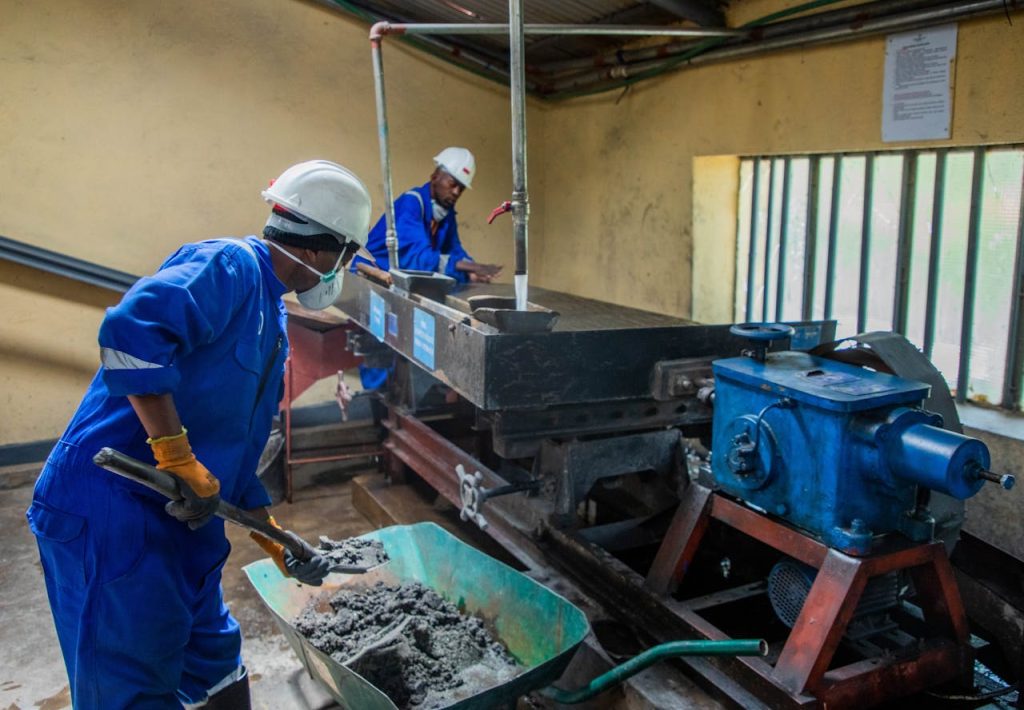
Guinea is home to the largest bauxite reserves in the world, alongside massive, high-grade deposits of iron ore, gold, and diamonds. These premium natural resources provide critical long-term supply security for major automotive, aerospace, and heavy industrial manufacturers worldwide. By establishing a direct localized presence, global corporate buyers can completely eliminate middleman transaction costs and secure a reliable raw material pipeline.
Strategic Location in West Africa
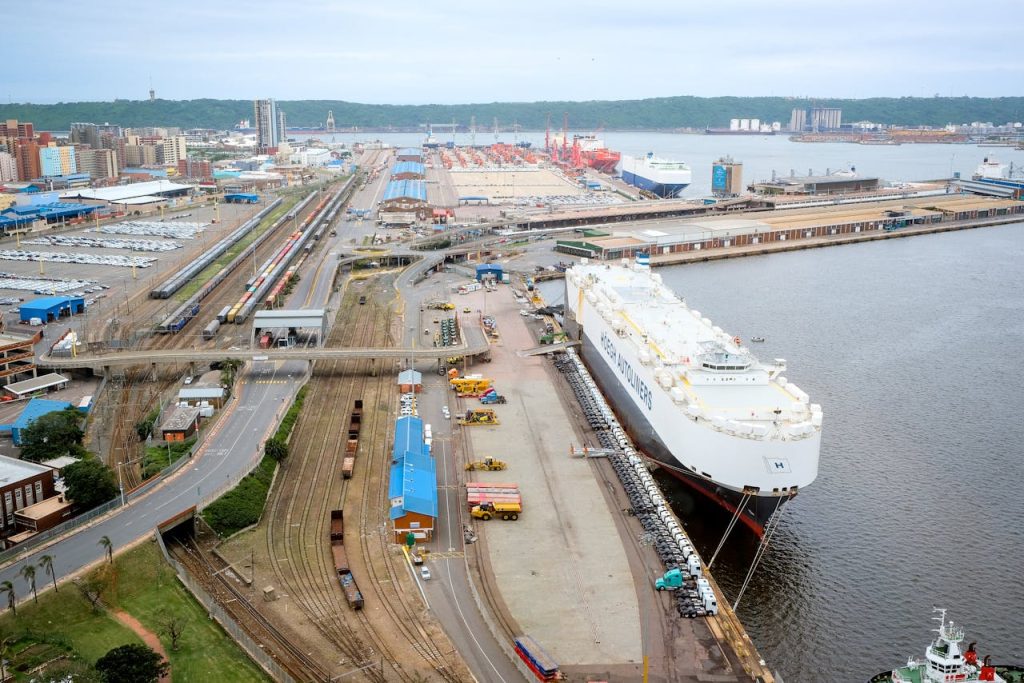
Boasting a massive Atlantic Ocean coastline and well-positioned maritime gateways, Guinea offers seamless global shipping access. Its active membership in the Economic Community of West African States (ECOWAS) officially transforms the country into a highly strategic logistical hub for trade, distribution, and commercial investment across West Africa.
Renewable Energy Potential
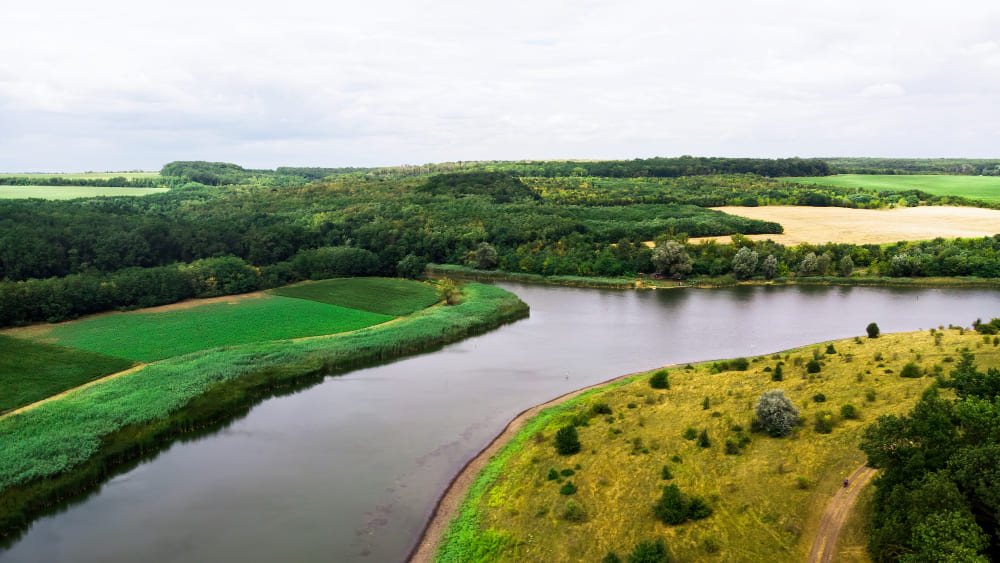
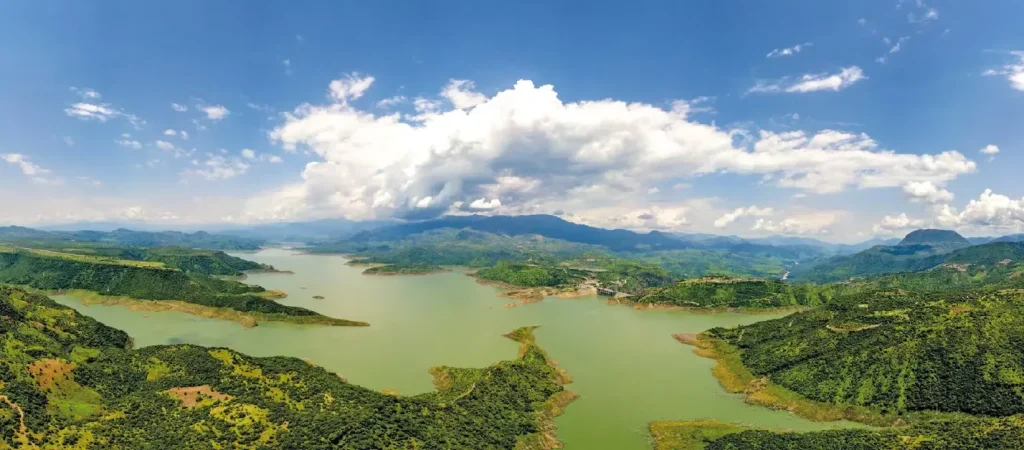
Famously dubbed the “Water Tower of West Africa” due to its extensive network of over 1,300 rivers, Guinea features immense potential for clean power generation. With abundant year-round sunshine and heavy seasonal rainfall, the country presents lucrative opportunities for developers specialized in commercial solar installations and large-scale hydroelectric power setups, fostering sustainable industrial growth.
Growing Infrastructure Development
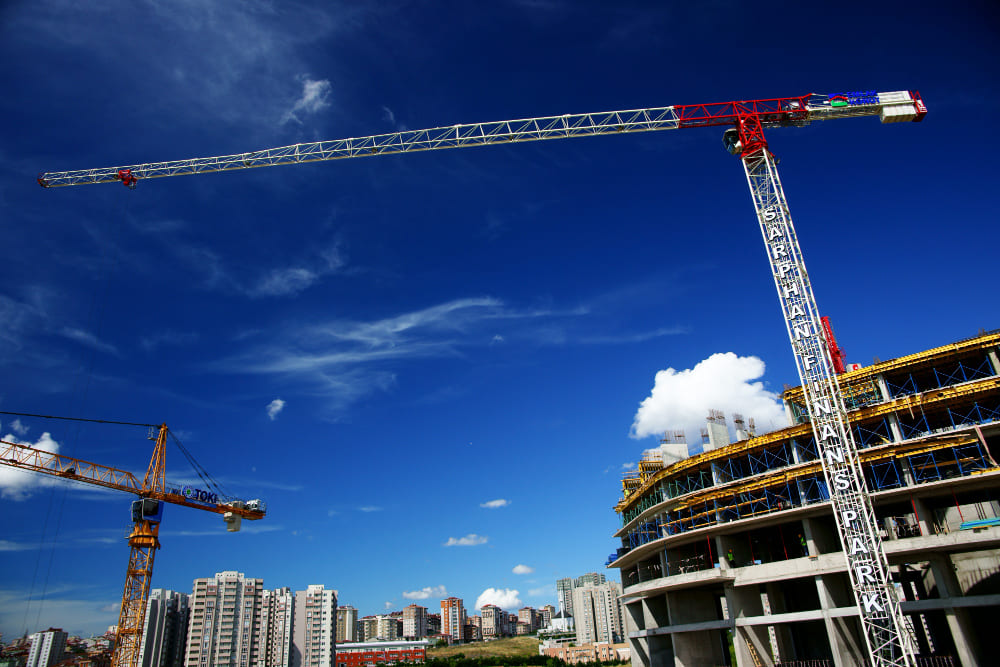
The physical and digital landscape of Guinea is undergoing an unprecedented expansion. Major, multi-billion-dollar projects in heavy-haul railways, deep-water port modernizations, and regional electrical grids are actively underway. Heavily backed by international consortia, these initiatives are rapidly turning Guinea into a highly integrated regional logistics hub.
Government Reforms and Incentives
To build a transparent, investor-friendly business environment, Guinea’s government is actively promoting and securing public-private partnerships (PPP). Under the modernized Investment Code, foreign entities unlock aggressive investment incentives, including extensive corporate tax holidays, zero-rate customs exemptions on technological machinery, and streamlined administrative processing channels.
Access to Regional Markets
Operating a manufacturing or assembly facility inside Guinea opens the door to cross-border free trade. Under regional trade pacts and the continental African Continental Free Trade Area (AfCFTA) framework, investors in Guinea gain direct, tariff-free access to 350 million ECOWAS consumers, allowing them to distribute finished goods, agricultural yields, and consumer merchandise seamlessly.
Rising Demand for EV and Green Industries
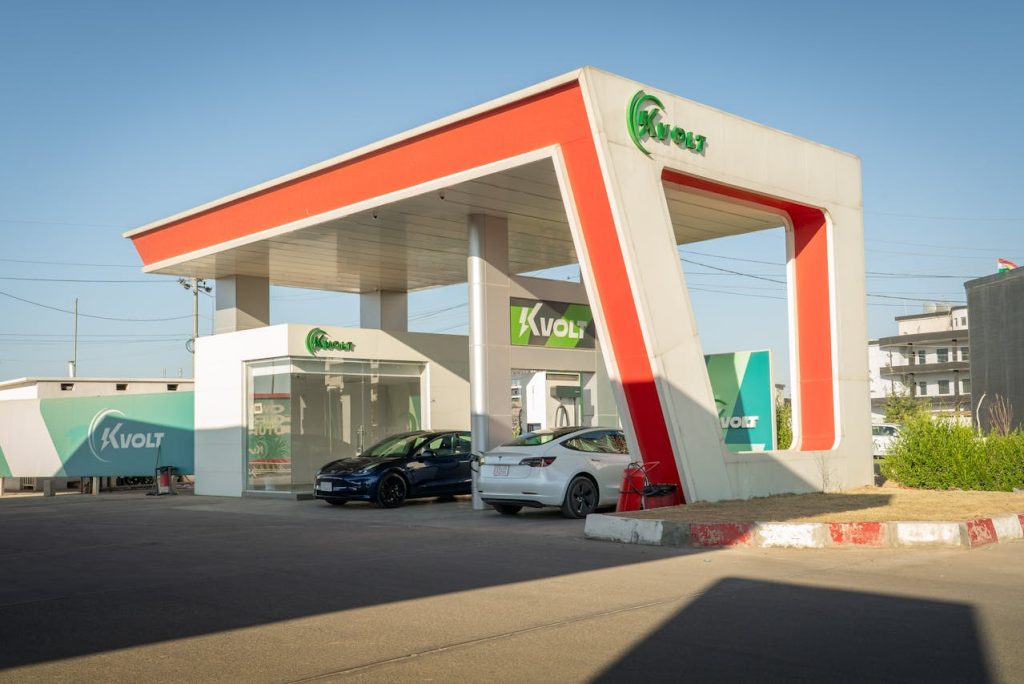
As global manufacturing shifts toward strict environmental, social, and governance (ESG) compliance, Guinea’s mineral portfolio has become highly critical. The country’s high-purity iron ore and premium bauxite serve as fundamental feedstocks for electric vehicle (EV) batteries, advanced aluminum frames, and low-carbon technologies, aligning perfectly with global sustainability trends.
Untapped Agricultural Potential
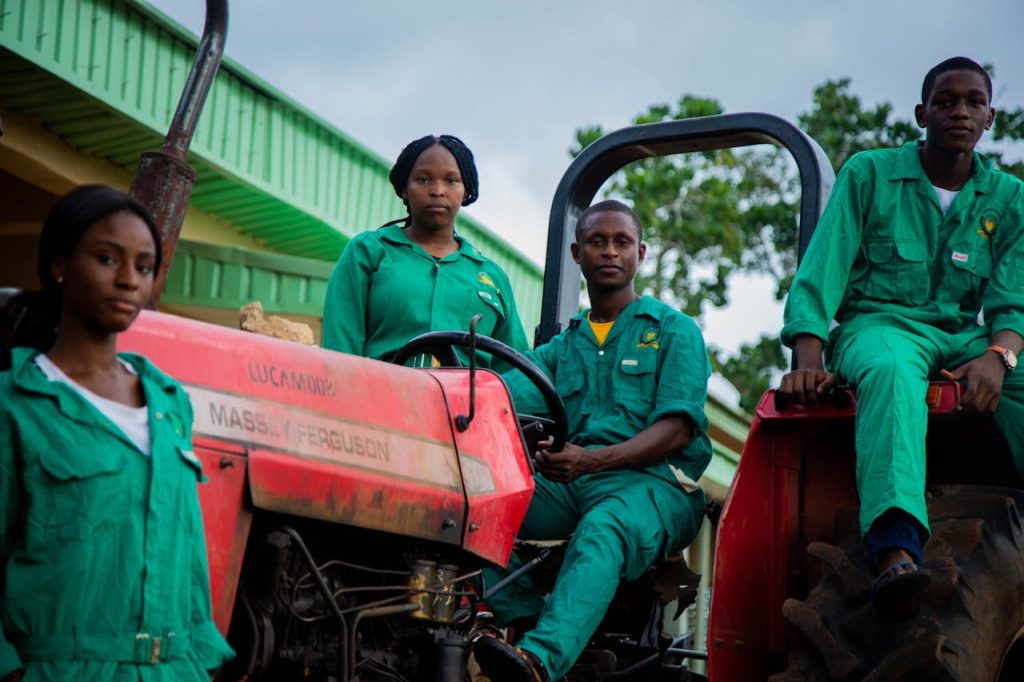
Beyond heavy industrial extraction, Guinea represents an agricultural goldmine. Featuring over 6 million hectares of highly fertile arable land and an exceptional tropical climate, the country is ideal for massive agribusiness investments. Opportunities span from large-scale cultivation of cash crops to the construction of modern, value-added food processing factories and automated Nut Processing Units.
Competitive Labor Force
A vital operational metric for any international expansion project is labor efficiency. Guinea offers a young, energetic, and highly trainable workforce. This dynamic demographic provides corporate developers with highly cost-effective labor across multiple economic sectors, ranging from mining exploration and engineering to light manufacturing assembly and transport logistics.
Long-Term Stability and Growth
Driven by ongoing legal modernizations, institutional capacity building, and powerful international trade partnerships, Guinea has cemented its status as a highly secure investment destination. The integration of its local output into the critical supply chains of global superpowers ensures strong, resilient macroeconomic growth potential for the next decade.
2. Structural Security: Navigating the Legal Protections of the OHADA Framework
For international corporate boards, legal counsels, and compliance managers, deploying large-scale capital into frontier markets requires absolute structural predictability. Guinea answers this requirement through its adherence to international civil law codes.
Unified Corporate Protections
Guinea operates as a prominent member of the OHADA Law framework, a highly unified system of commercial laws active across 17 African nations. This civil framework provides businesses with total predictability, ensuring that long-term commercial land concessions, corporate joint ventures, asset acquisitions, and intellectual property rights are fully protected and enforceable through international commercial arbitration standards.
3. Tech-Driven Industrialization: Implementing Smart Hybrid Grids
To support high-capacity alumina refining, heavy civil construction, and continuous automated assembly lines, Guinea is heavily modernizing its industrial power delivery networks.
Decentralized Microgrids for Operational Sovereignty
While large-scale run-of-river dams supply baseline power to the main national grids, remote mining concessions, special economic zones (SEZs), and agro-industrial installations require localized energy sovereignty. International energy-tech providers are successfully capturing market share by deploying decentralized hybrid Microgrid Systems.
By pairing industrial solar arrays with advanced battery energy storage systems (BESS), operators can distribute reliable, 24/7 electricity directly to factories. These smart grids utilize advanced internet-of-things (IoT) architectures to manage heavy power loads in real-time, completely preventing unexpected industrial downtime and lowering corporate carbon footprints.
4. Frequently Asked Questions (FAQ)
- What makes Guinea unique compared to other African countries? Guinea uniquely combines world-class mineral reserves including the world’s largest bauxite deposits with massive renewable energy potential, immense arable land, and seamless tariff-free access to large regional West African markets.
- Which sectors are most promising for international investors? The top high-yield sectors actively drawing foreign direct investment include mining and natural resources, renewable energy infrastructures, mechanized agribusiness, and large-scale maritime and rail logistics projects.
- How does investing in Guinea benefit companies globally? Global enterprises can secure critical raw material pipelines, drastically lower operational and logistics costs, expand tariff-free into massive regional consumer bases, and align directly with global ESG and sustainability metrics.
- Can a foreign investor maintain 100% corporate ownership in Guinea?
Yes. Under the unified OHADA legal code and Guinea’s open commercial framework, foreign investors are legally permitted to establish, manage, and maintain 100% corporate ownership of their local subsidiaries (such as a SARL or SA) across most industrial, technological, and service sectors.
- How long does the official corporate registration process take for foreign entities?
Through the digitized “One-Stop Shop” system managed by the Agency for the Promotion of Private Investments (APIP), international businesses can fully complete company incorporation, secure a local Tax ID, and obtain a commercial registry in approximately 3 to 5 business days.
Conclusion: Partner with Yes! Invest in Guinea
Unlock Guinea’s endless opportunities with a trusted, deeply rooted institutional partner. At Yes! Invest in Guinea, we connect your leadership directly with verified local companies, procurement managers, and high-level government networks. From mining concessions and renewable energy grids to financial administration and commercial infrastructure, we deliver the comprehensive legal clarity, operational resilience, and executive contacts your corporate team needs to thrive.
Begin Your High-Yield Investment Journey Today
Our localized expertise and dedicated industrial desks ensure your corporate expansion into West Africa is fluid, legally protected, and primed for immediate structural scale.