The global landscape of foreign direct investment (FDI) is experiencing a powerful tectonic shift, with the Republic of Guinea emerging as West Africa’s premier industrial growth node. Driven by unmatched geological endowments, an aggressive national modernization pipeline under the “Simandou 2040” framework, and a highly synchronized administrative setup, Guinea has become a magnet for foreign investment. From world-scale high-purity iron ore and bauxite mining to decentralized green energy networks and multi-user transit corridors, global investors are fueling Guinea’s economic transformation.
At Yes! Invest Guinea, we act as the primary operational and institutional bridge connecting international corporate boards, sovereign wealth managers, and private equity syndicates with high-yield local asset concessions. Understanding which sovereign nations are actively deploying capital provides crucial market intelligence for expanding firms aiming to secure a competitive foothold. This article explores the top 10 countries investing in Guinea and the strategic sectors they dominate.
1. Profiles of the Top 10 Sovereign Investment Partners in Guinea
1. China
- Sector Focus: Mining, Infrastructure, Energy
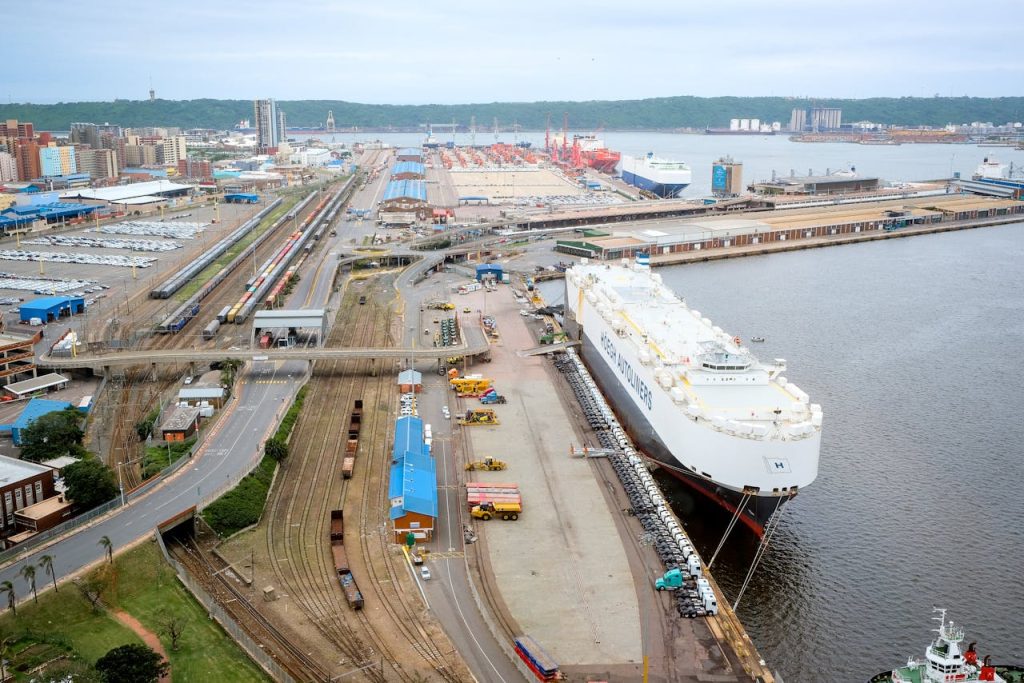
- Operational Highlights: China firmly leads foreign investment in Guinea, primarily through large state-owned enterprises and heavy manufacturing syndicates. Chinese giants like Baowu Steel Group, Chalco, and China Hongqiao Group are spearheading the historic $24 billion Simandou iron ore project. This massive undertaking includes a 670 km heavy-haul railway and deep-water port infrastructure at Morebaya, establishing an unshakeable East Asian-West African industrial corridor.
2. France
- Sector Focus: Energy, Telecom, Finance
- Operational Highlights: Leveraging deep historic ties and structural commercial familiarity, French firms maintain a major presence in Guinea’s service and utility networks. Multinational enterprises such as TotalEnergies and Orange Guinea invest heavily in localized energy distribution and advanced telecom networks, strengthening Guinea’s digital connectivity and stable power supply.
3. United States
- Sector Focus: Mining, Energy, Development Aid
- Operational Highlights: U.S. corporate investors and federal development agencies work closely with local authorities to support Guinea’s primary mining sector and expanding renewable energy projects. Concurrently, American institutional capital funds vital governance, institutional transparency, and large-scale infrastructure reforms to protect long-term private direct investments.
4. United Kingdom
- Sector Focus: Mining, Finance
- Operational Highlights: UK-based exploration companies and institutional investment funds contribute significantly to Guinea’s primary mining exploration and financial services. London’s financial networks play a vital role in enhancing global capital inflows into Guinea, underwriting mineral concessions, and introducing complex corporate insurance structures to the local market.
5. Singapore
- Sector Focus: Private Equity, Infrastructure
- Operational Highlights: Operating as East Asia’s premier financial hub, Singaporean investors connect Guinea’s resource opportunities with global capital markets. Through advanced digital investment platforms like Aurigin, Singaporean syndicates deploy targeted private equity and venture capital into high-growth West African mining, automated transit networks, and multi-user port logistics.
6. India
- Sector Focus: Mining, Manufacturing
- Operational Highlights: Driven by massive domestic industrialization demands, Indian companies invest heavily in Guinea’s bauxite and iron ore exploration corridors. This direct capital allocation allows Indian industrial conglomerates to secure critical raw materials for India’s rapidly growing domestic steel and aluminum industries.
7. Australia
- Sector Focus: Mining Exploration
- Operational Highlights: Renowned globally for advanced mining engineering, Australian mining firms bring high-level expertise in deep resource exploration and sustainable environmental management to Guinea. Their operations significantly contribute to Guinea’s resource development while setting international benchmarks for localized safety and performance.
8. South Africa
- Sector Focus: Mining, Energy
- Operational Highlights: South African companies invest heavily in Guinea’s expanding gold mining belts and regional renewable energy projects. By leveraging deep regional expertise and familiarity with African operational terrains, South African mining houses introduce robust technical management teams and cost-effective supply solutions.
9. United Arab Emirates (UAE)
- Sector Focus: Finance, Infrastructure
- Operational Highlights: Middle Eastern capital has experienced an unprecedented expansion in West Africa. UAE investors are increasingly active in Guinea’s commercial infrastructure and financial services. Funding from Dubai and Abu Dhabi supports the modernization of deep-water container terminals, international trade zones, and corporate digital banking applications.
10. Norway
- Sector Focus: Renewable Energy, Governance
- Operational Highlights: Focused on long-term sustainability, Norway invests significantly in Guinea’s clean energy projects and municipal governance reforms. Norwegian capital backs run-of-river hydroelectric developments and solar installations, promoting sustainable development while helping Guinea align with global climate parameters.
2. Macro Factors Driving Global Capital Inflows to Guinea
The gathering of the world’s most competitive sovereign nations in Conakry is driven by absolute economic logic. Guinea offers a distinct set of structural advantages that appeal to international corporate boards:
Unmatched Mineral Abundance
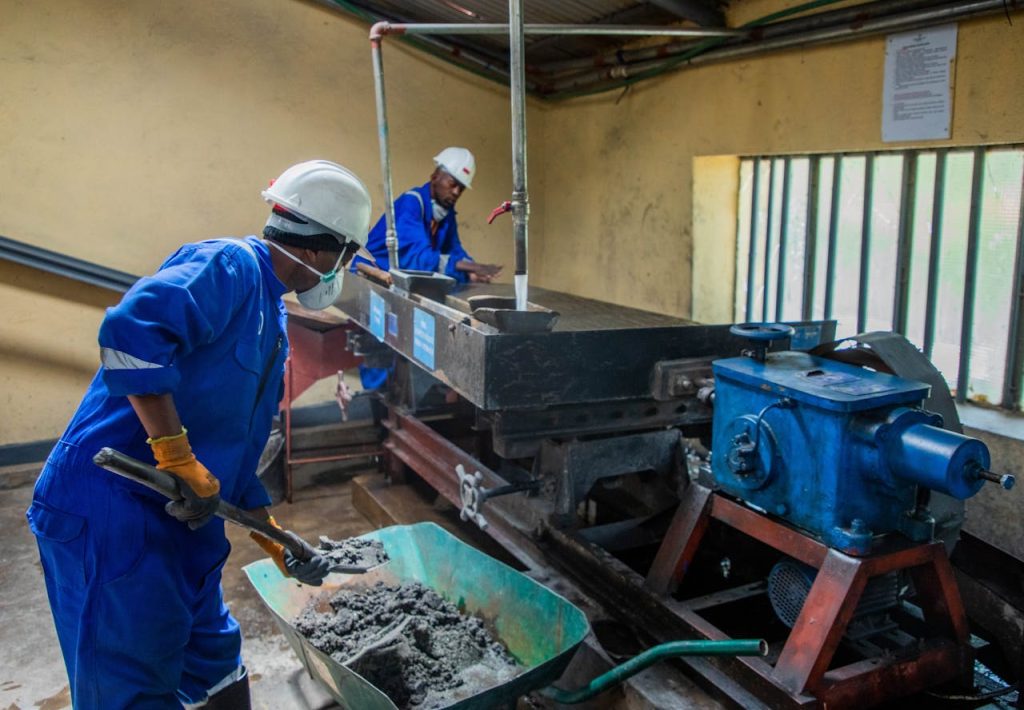
Guinea is globally recognized for holding the world’s absolute largest reserves of high-grade bauxite, the massive untapped Simandou iron ore reserves, expansive gold belts, and premium diamond fields. This allows global manufacturers to secure long-term resource pipelines directly at the primary source.
Seamless Regional Market Access
With its strategic Atlantic coastline and active membership in the Economic Community of West African States (ECOWAS), Guinea functions as a natural shipping hub. Localized manufacturing or assembly lines gain duty-free, tariff-free access to a broader regional market encompassing over 350 million West African consumers.
Pro-Enterprise Regulatory Restructuring
The Guinean government has successfully implemented comprehensive reforms designed to encourage public-private partnership (PPP) projects and expand digital finance systems. Under the modernized Investment Code, foreign businesses gain access to attractive incentives, including 8 to 10-year corporate tax holidays and full customs waivers on specialized industrial machinery.
3. Structural Safeguards: The Legal Power of the OHADA Framework
For multinational boards, sovereign wealth managers, and institutional compliance officers, deploying large-scale capital into frontier markets requires absolute structural predictability. Guinea answers this priority through its unified commercial business laws.
Standardized Protections and Risk Mitigation
Guinea operates as a core member of the OHADA Law framework, a highly unified commercial civil law code implemented across 17 African nations. This legal system provides international corporations with complete predictability. It guarantees that long-term land concessions (emphyteutic leases up to 99 years), corporate joint ventures, asset purchases, and intellectual property rights are fully protected and enforceable through international commercial arbitration standards.
4. Tech-Driven Operations: Implementing Smart Hybrid Microgrids
To support high-capacity aluminum smelting, automated port terminals, and digitized banking systems, Guinea is rapidly expanding its decentralized clean energy matrix.
Independent Power for Industrial Sovereignty
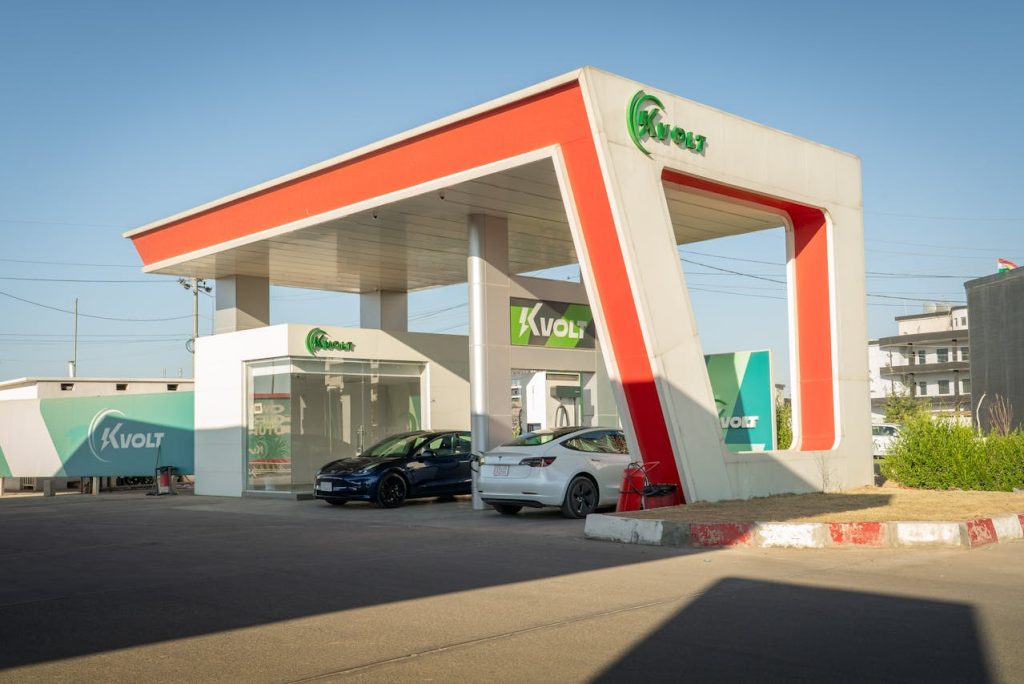
While large-scale hydroelectric dams supply baseline power to the national grid, remote mining camps and special economic zones (SEZs) require independent power structures. International clean-tech developers are successfully capturing market share by constructing hybrid Microgrid Systems. By combining high-efficiency industrial solar arrays with advanced battery energy storage systems (BESS), operators can distribute stable, 24/7 electricity directly to factories. These smart grids deploy advanced internet-of-things (IoT) architectures to manage heavy power loads in real-time, completely preventing unexpected industrial downtime and lowering corporate carbon footprints to meet global sustainability metrics regulated by the International Energy Agency (IEA).
Frequently Asked Questions (FAQ)
- Which country invests the most in Guinea’s economy? China leads foreign direct investment in Guinea, focusing heavily on large-scale mining operations and multi-user transport infrastructure, notably through the $24 billion Simandou iron ore project.
- What primary sectors attract the most foreign direct investment? The mining sector (specifically premium bauxite and iron ore) draws the largest share of global capital, followed closely by renewable energy infrastructures, telecommunications networks, and transport logistics.
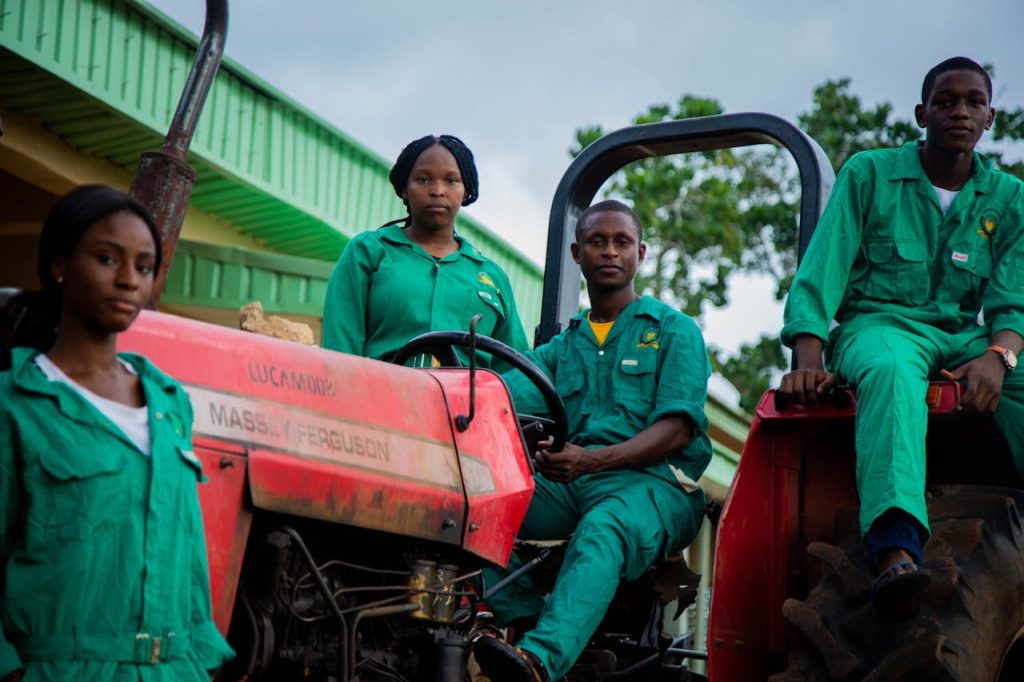
- How do foreign investments benefit Guinea’s local economy? Foreign investments drive positive structural growth by generating thousands of skilled local jobs, constructing multi-user railways and modern deep-water ports, increasing government revenues, and integrating Guinea into global supply chains.
- Can an international corporation maintain 100% business ownership in Guinea?
Yes. Under the unified OHADA legal framework and Guinea’s open investment policies, foreign investors are legally permitted to establish, manage, and maintain 100% corporate ownership of their local subsidiaries (such as a SARL or SA) across most industrial, technological, and service sectors.
- How long does the official corporate registration process take for a foreign entity?
Through the digitized “One-Stop Shop” system managed by the Agency for the Promotion of Private Investments (APIP), international businesses can fully complete company incorporation, secure a local Tax ID, and obtain a commercial registry in approximately 3 to 5 business days.
Conclusion: Partner with Yes! Invest in Guinea
Unlock Guinea’s endless opportunities with a trusted partner who knows the terrain. At Yes! Invest in Guinea, we connect your leadership directly with verified companies, procurement managers, and high-level government networks. From mining concessions and renewable energy grids to financial administration and commercial infrastructure, we provide the legal clarity, operational resilience, and executive contacts your corporate team needs to thrive.
Begin Your High-Yield Investment Journey Today
Our localized expertise and dedicated industrial desks ensure your corporate expansion into West Africa is fluid, legally protected, and primed for immediate structural scale.