> Guinea’s economy is projected to grow at a staggering 10.5% in 2026, driven by the operationalization of the world’s largest untapped high-grade iron ore deposit.
For savvy investors looking beyond traditional markets, Guinea represents what might be the most compelling emerging market opportunity of the decade. Beyond its established position as the world’s largest bauxite exporter, this West African nation is on the cusp of a transformative economic surge fueled by the Simandou iron ore project, robust institutional reforms, and a strategic pivot toward sustainable economic diversification. For the forward-looking investor, Guinea offers precisely what matters most: massive growth potential, strategic mineral resources, and improving governance frameworks—all coming together in perfect alignment over the next three years.
The Simandou Engine: Transforming Guinea’s Economic Trajectory
The cornerstone of Guinea’s investment case is the Simandou iron ore project, widely regarded as one of the world’s largest untapped deposits of high-grade iron ore. This isn’t just another mining project—it’s a nation-building initiative that will fundamentally reshape Guinea’s economic landscape and global positioning.
Unprecedented Scale and Quality
- Reserve Size: Simandou contains over 2 billion tonnes of high-grade iron ore, with iron content often surpassing 65%—among the world’s highest grades.
- Production Projections: By 2026, annual production is expected to reach 100-120 million metric tonnes, positioning Guinea as a major global iron ore supplier.
- Global Impact: This output would represent nearly 7% of global iron ore trade, significantly influencing world market dynamics.
Economic Multiplier Effect
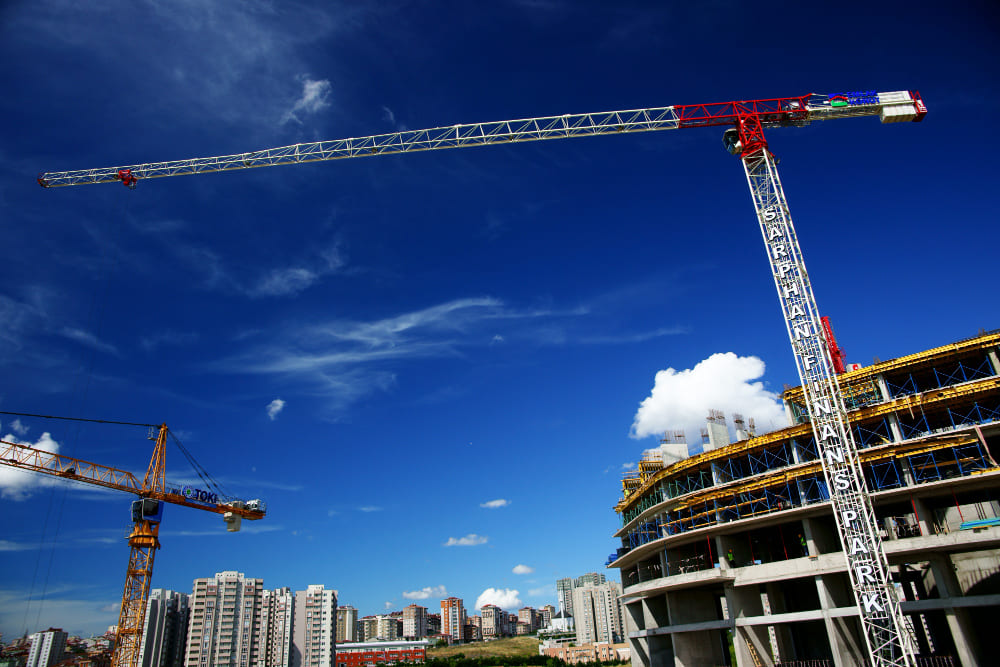
The International Monetary Fund estimates that Simandou could add revenue equivalent to 3.4% of Guinea’s GDP in the decade from 2030 to 2039, compared with total mining receipts of just 2.2% of GDP in 2022. More immediately, the project is already catalyzing massive infrastructure development:
Table: Simandou’s Projected Economic Impact (2024-2026)
| Year | Estimated Production (Million Tons) | Estimated Export Revenue (USD Billion) | Projected Job Creation | Major Infrastructure Developments |
| 2024 | 15 | 1.2 | >7,500 | Initial rail bed, port site prep |
| 2025 | 45 | 3.4 | 15,000+ | Rail and port construction |
| 2026 | 100 | 7.5 | 25,000+ | Fully operational rail and port |
*Source: Farmonaut Mining Analysis*
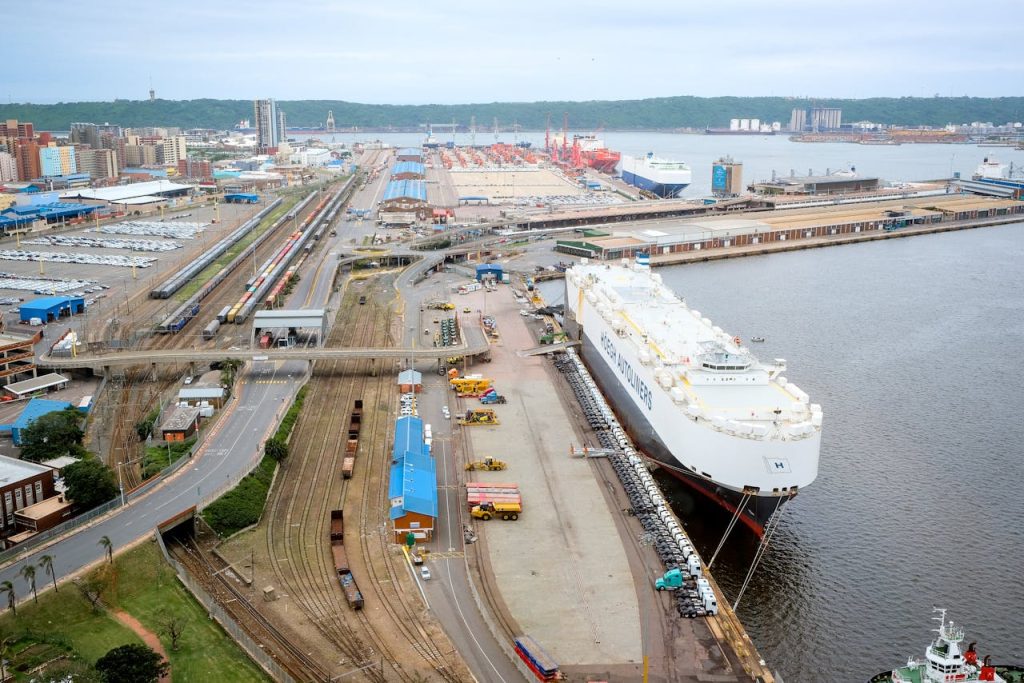
This infrastructure—particularly the hundreds of kilometers of railway and deep-water port facilities—creates value far beyond mining alone, improving market access for agriculture, facilitating goods movement, and connecting historically underserved regions.
Beyond Resources: Guinea’s Strategic Governance Reforms
What separates Guinea from other resource-rich nations is its concerted effort to build institutional frameworks that translate mineral wealth into sustainable development. Recent initiatives demonstrate a forward-thinking approach to economic governance.
The Simandou Sovereign Wealth Fund
In a landmark move, Guinea plans to launch its first sovereign wealth fund in the second quarter of 2026 with an initial $1 billion endowment. This fund represents a strategic commitment to intergenerational equity and economic stability with several innovative features:
- International Best Practices: Modelled on established examples like Singapore’s Temasek and Malaysia’s Khazanah, with governance advice from countries with established funds.
- Transparent Mandate: Designed to channel resource revenues into infrastructure, education, agriculture, and industry while buffering the economy from commodity-price volatility.
- Professional Management: Guinea is actively recruiting an independent chief executive to run the fund, signaling commitment to professional oversight.
Pioneering Environmental Leadership
Guinea is establishing itself as a regional leader in climate governance, becoming the first West African nation to introduce a carbon pricing instrument (CPI) and the first country in Africa to launch a sector-based CPI. This positions Guinea advantageously for:
- Attracting climate-aligned investment: The CPI forms part of Guinea’s $17.7 billion climate-investment plan for 2026–2035.
- Accessing green finance: Formal participation in international carbon markets under Article 6 of the Paris Agreement creates pathways for climate finance.
- ESG leadership: This regulatory foresight demonstrates commitment to internationally recognized ESG standards, increasingly important for institutional investors.
The Growth Trajectory: Numbers That Command Attention
Guinea’s macroeconomic indicators tell a story of accelerating momentum:
- GDP Growth: After expanding 5.60% in Q4 2024, Guinea’s GDP is expected to reach 10% growth by the end of 2026, with projections of 8.70% in 2027 and 8.10% in 2028.
- IMF Projection: The IMF forecasts an even stronger 10.5% real GDP growth for 2026.
- Inflation Control: Consumer prices are projected to rise just 3.0% in 2026, indicating stable macroeconomic management alongside rapid growth.
- Sovereign Rating: Guinea received its first sovereign credit rating (B+ with stable outlook) from S&P Global in 2025, lowering borrowing costs and improving market access.
Diversification Strategy: Building Beyond Mining
Guinea’s leadership recognizes that sustainable development requires moving beyond extractive industries. The government’s “Simandou 2040” strategy ambitiously targets sectoral transformation:
- Fisheries: Goal to increase share of GDP from less than 1% to 4% within six years.
- Tourism: Target to grow from negligible levels to 7% of GDP within six years.
- Telecommunications: Planned expansion to 8% of GDP by 2040.
Planning Minister Ismael Nabe captures the ambition succinctly: “If we manage proper reforms, GDP could grow strongly and reach the same level as Morocco or South Africa”.
Navigating Investment Considerations
While the opportunity is substantial, investors should approach Guinea with strategic awareness of both its potential and challenges.
Understanding the Risk Environment
Recent policy decisions have created investor concerns, including project suspensions and permit revocations that some companies have challenged as abrupt. The Fraser Institute’s 2025 survey placed Guinea in the bottom ten mining jurisdictions globally, citing “significant uncertainty” for operators.
However, these developments should be contextualized within Guinea’s broader push to assert sovereignty over natural resources and renegotiate terms more favorable to national development—a trend seen across resource-rich nations. The key distinction lies between transparent renegotiation and unpredictable intervention.
Strategic Entry Points
For investors, several sectors offer particularly compelling entry points:
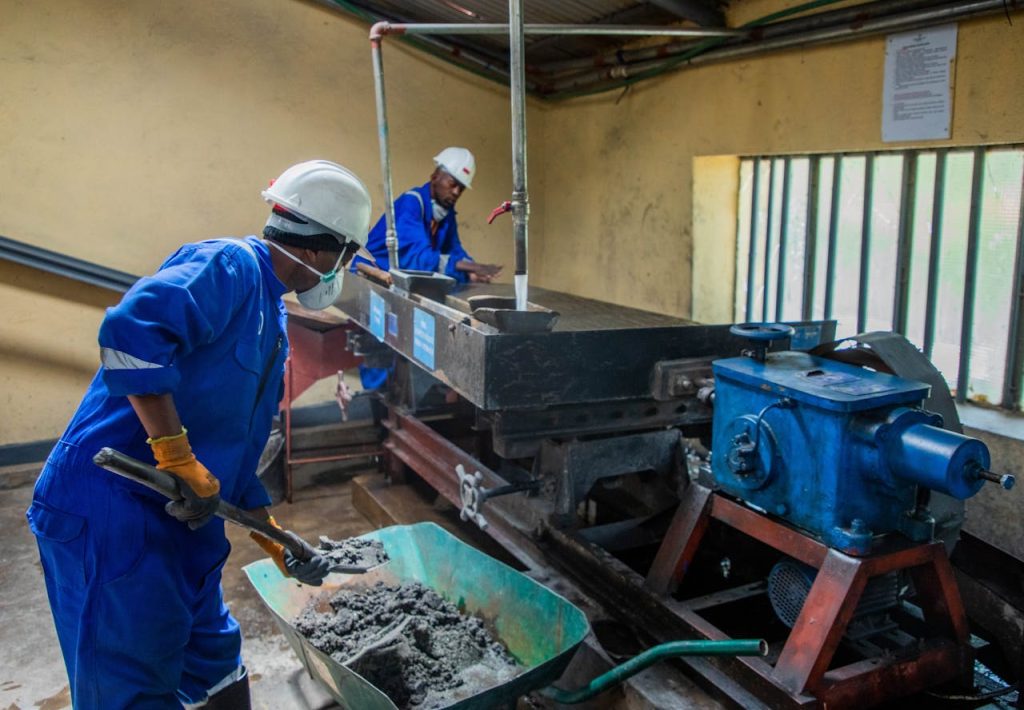
- Mining Services and Technology: As Simandou scales, demand grows for specialized services, from digital monitoring to equipment maintenance.
- Infrastructure Development: Rail, port, and energy projects present opportunities for engineering, construction, and logistics firms.
- Agribusiness: Improved transportation networks unlock agricultural potential, especially in regional value chains.
- Renewable Energy: Meeting mining and industrial power needs through sustainable sources aligns with Guinea’s climate commitments.
Partnership Approach
Successful investment in Guinea requires local partnerships and patient capital. The dominant presence of Chinese investment—Baowu now controls Simandou Blocks 1 and 2, and Chinese firms control over 70% of bauxite output—creates both competitive pressure and potential partnership opportunities. International investors should consider joint ventures with established operators or focus on complementary niches within the value chain.
The 2026-2028 Window: Timing the Opportunity
The next three years represent a unique convergence of catalysts that won’t be repeated:
- 2026: Simandou sovereign wealth fund launch and projected 10.5% GDP growth.
- 2026-2027: Simandou reaches full operational capacity of 100+ million tonnes annually.
- 2026-2035: Implementation of $17.7 billion climate-investment plan begins.
This timeline coincides with Guinea’s efforts to improve its standing in global governance indices—a process that, if successful, could trigger significant re-rating by international investors.
Conclusion: A Calculated Bet on Africa’s Next Economic Powerhouse
Guinea presents a classic asymmetrical investment opportunity: the potential upside of catching an economy at the beginning of a resource-led transformation significantly outweighs the risks for informed investors. The country isn’t just exporting minerals—it’s exporting a development model that balances resource sovereignty with international partnership, environmental stewardship with economic growth.
For the investor with a 3-5 year horizon and tolerance for emerging market complexity, Guinea offers exposure to:
- The world’s premier new iron ore source at a time of supply chain diversification
- A sovereign wealth fund mechanism designed to recycle resource revenues into broader development
- A first-mover advantage in West African climate governance
- Infrastructure development with economy-wide multiplier effects
The path won’t be linear—resource economies rarely are—but the direction is clear. As one of the last major mineral frontiers with both scale and strategic positioning, Guinea represents not just a commodity play, but a nation-building opportunity at precisely the moment when its institutional frameworks are aligning with its geological endowment. For investors positioned to navigate this complexity, the next three years may well define a generation of African investment returns.
Disclaimer: This article is for informational purposes only and does not constitute investment advice. Investors should conduct independent due diligence and consult with financial professionals before making investment decisions in emerging markets.