Introduction: A New Epicenter of Global Investment
Guinea stands at the precipice of a historic economic transformation. While already the world’s leading bauxite exporter, the West African nation is now capturing unprecedented global attention and capital flows due to a single, monumental project: the Simandou iron ore mine. This has catalyzed a surge in Foreign Direct Investment (FDI), with Guinea’s inflows doubling to $1.83 billion in 2024, a staggering 105% year-over-year growth. This article maps the global competition, identifying the top 10 countries leading the investment charge into Guinea and exploring the strategic interests driving this modern-day “scramble” for resources.
The Simandou Catalyst: Understanding the Investment Magnet
To grasp the scale of international interest, one must first understand Simandou. Often called the world’s largest untapped high-grade iron ore deposit, it is more than a mine; it’s a $20-23 billion integrated infrastructure megaproject.
The project is divided between two major international consortia, which are the primary vehicles for foreign investment:
| Project Block | Lead Consortium & Key Investors | Nationalities Represented | Estimated Investment |
| | Simandou North (Blocks 1 & 2) | Winning Consortium Simandou (WCS) | Singaporean, Chinese | Multi-billion dollar share of total project |
| Simandou South (Blocks 3 & 4) | Simfer S.A. (Rio Tinto, Chalco, Gov. of Guinea) | Anglo-Australian, Chinese, Guinean | Rio Tinto investment ~$6 billion |
| Shared Infrastructure | Compagnie du TransGuinéen (CTG) | Co-owned by both consortia & Guinea (15%) | Backbone of the $20B+ total project |
This structure funnels massive capital from corporate and state entities worldwide, directly making the involved nations top investors. Beyond equity, international banks and export credit agencies have mobilized over $2 billion in financing, including from the UK, France, and global institutions.
Top 10 Countries Investing in Guinea
Based on corporate stakes, financing deals, and strategic engagements, here are the nations most deeply invested in Guinea’s future.
1. China: The Strategic Dominant Player
China is arguably the most influential foreign actor in Guinea. Its involvement is multifaceted:
- Resource Security: Guinea is a critical pillar in China’s supply chain. Chinese firms control approximately 75% of the Simandou project. Major state-owned champions like China Baowu Steel Group (the world’s largest steelmaker) and China Rail Construction Corporation hold direct stakes and construction contracts.
- Integrated Approach: China’s strategy combines resource extraction with infrastructure building, locking in long-term offtake agreements for the high-grade ore essential for its steel industry and green transition goals.
2. Singapore: The Pivotal Commercial Hub
While smaller in geographic size, Singapore’s role is outsized. The Winning International Group, a Singapore-based multinational, is the namesake and lead partner of the WCS consortium developing Simandou’s northern blocks. Singapore functions as a neutral, financially sophisticated hub channeling global capital—particularly from Asia—into the project.
3. Australia: Mining Expertise and Western Partnership
Represented by Rio Tinto, Australia brings world-class mining expertise and acts as the operational manager for Simandou’s southern blocks. Rio Tinto’s approximately $6 billion investment represents a massive corporate commitment and provides a Western counterbalance within the project’s partnership structure.
4. United Kingdom: Financial and Export Backing
The UK’s investment is channeled through its export credit agency, UK Export Finance, which is part of the international consortium that has provided over $2 billion in financing for the Simandou infrastructure. Major British banks like Standard Chartered are also involved in project financing.
5. France: Historical Ties and Continued Finance
France maintains significant economic ties with its former colony. French public investment bank Bpifrance is a key financier in the Simandou project. Furthermore, French financial giant BNP Paribas is among the international commercial banks providing funding.
6. United States: Corporate and Strategic Interests
U.S. investment, while less direct in equity stakes, is present. American corporations like Wabtec Corporation have won major contracts, such as supplying locomotives for the trans-Guinean railway. Historically, U.S. firm Alcoa was a partner in Guinea’s bauxite sector, and the strategic importance of critical minerals is drawing increased U.S. government attention.
7. United Arab Emirates (UAE) & Gulf States: Diversifying Portfolios
While the search results focus on Simandou, Guinea’s broader investment climate attracts Gulf capital. As noted in Africa-wide FDI trends, Gulf states are increasingly targeting African agro-industrial and infrastructure projects. Guinea’s sovereign wealth fund plans and economic reforms are designed to attract such diversified, long-term capital from the Middle East.
8. Rwanda: Regional Partnership and Diplomacy
Investment isn’t solely from distant continents. Rwanda’s President Paul Kagame attended Simandou’s inauguration, signaling strong regional diplomatic and economic interest. This points to potential future investments in cross-border logistics and regional value chains enabled by Guinea’s new infrastructure.
9. Multi-National & Regional Institutions
While not a single country, the role of multilateral institutions is crucial. The African Development Bank and the Africa Finance Corporation have expanded their exposure to Guinea through Simandou-linked financing. These institutions pool capital from member states worldwide, representing a collective international investment.
10. Guinea Itself: The State as Investor and Visionary
Finally, Guinea is a major investor in its own future. The state holds a 15% free-carried interest in all aspects of Simandou. More importantly, it is launching the Fonds de Richesse Simandou, a $1 billion sovereign wealth fund in 2026, to reinvest mining revenues into national development.
The “Simandou 2040” Vision: Beyond the Mine
These investments are not just about extracting ore. They are anchored in Guinea’s national “Simandou 2040” strategy, a roadmap to leverage this project for broad-based economic transformation. The vision targets diversification into:
- Agriculture & Fisheries: Aiming to increase GDP share to 4%.
- Tourism & Telecoms: Targeting 7% and 8% of GDP respectively.
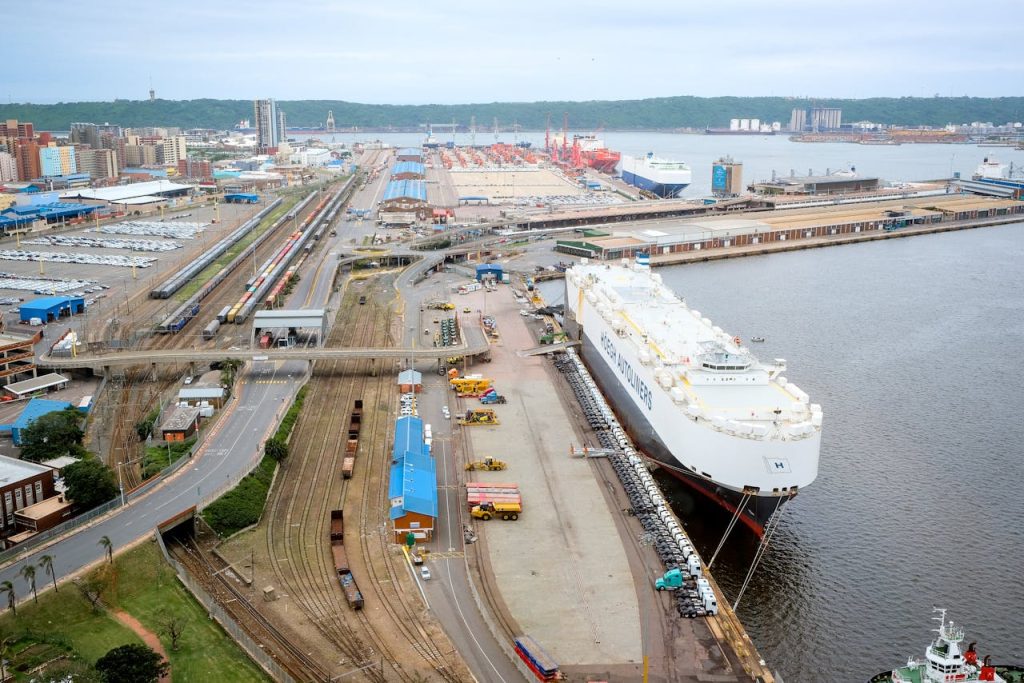
- Regional Logistics: The new 650km railway and port position Guinea as a potential trade hub.
This creates future investment opportunities far beyond the mining sector, in areas like agro-processing, transportation, and energy.
Conclusion: A Global Partnership with High Stakes
The top investors in Guinea form a unique coalition: Chinese strategic capital, Singaporean commercial drive, Western technical and financial expertise, and robust African institutional support. For investors, Guinea presents a high-stakes, high-reward proposition centered on Simandou but extending into a decades-long development vision. Success hinges on transparent governance, stable politics, and the effective translation of mineral wealth into lasting growth. The world is not just investing in Guinean iron ore; it is investing in Guinea‘s potential to become a transformed and pivotal African economy.