As the Republic of Guinea advances its ambitious industrial roadmap, the quest for energy diversification has never been more critical. While Guinea is globally celebrated for its immense hydroelectric potential and world-class mineral deposits, the nation is also exploring innovative ways to optimize its subsurface resources. Coal Bed Methane (CBM) a form of unconventional natural gas trapped within coal seams is increasingly recognized by energy experts as a potential “alternative” bridge fuel that can complement traditional energy sources.
At Yes! Invest Guinea, we believe that long-term industrialization requires a multifaceted energy strategy. While Guinea’s primary energy focus remains on its vast hydro capacity and renewable potential, understanding the geological potential for alternative gas resources like CBM is a strategic necessity for institutional investors and energy pioneers looking to the future.
What is Coal Bed Methane?
Coal Bed Methane is a form of natural gas extracted from coal beds. Unlike conventional natural gas, which is found in porous rock reservoirs, CBM is adsorbed directly onto the surface of coal particles within the seam.
1. A Cleaner Burning Alternative
Methane is the primary component of natural gas, which burns cleaner than coal or oil, producing lower levels of carbon dioxide and virtually no particulate matter. In the context of industrial energy, CBM can serve as a highly efficient fuel for electricity generation, industrial heat, and even as a feedstock for chemical manufacturing.
2. The Global Shift toward Unconventional Gas
Across the globe, nations are turning to unconventional gas sources to supplement traditional energy supplies. From the United States to Indonesia, CBM has been successfully developed as a reliable, locally produced source of power. For a nation like Guinea, which is scaling its heavy industrial capacity, any localized, reliable energy source can significantly reduce dependence on imported petroleum and provide a buffer against global energy price volatility.
The Geological Context of Guinea
It is important to emphasize that Guinea’s geological profile is fundamentally different from regions that are historically rich in commercial coal basins. Guinea is predominantly known for its Precambrian crystalline basement and extensive sedimentary basins hosting world-class bauxite, iron, and gold.
1. Assessing the Potential
While there is no large-scale commercial coal industry in Guinea comparable to South Africa or Zimbabwe, specialized geological exploration is required to determine if specific coal-bearing formations or sedimentary basins hold commercially viable methane concentrations. The primary challenge for any Coal Methane Guinea venture is the lack of intensive historical exploration focused specifically on gas content rather than solid fuel extraction.
2. Infrastructure Synergies
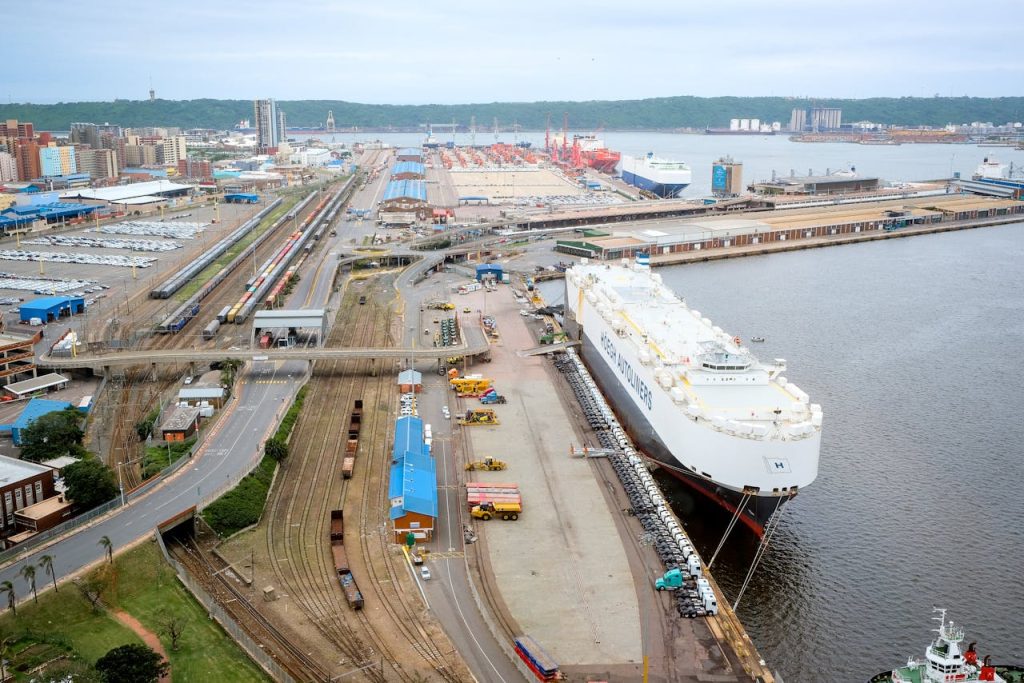
The massive infrastructure build-out currently defining Guinea’s economy such as the Trans-Guinean Railway and deep-water port developments provides the physical foundation that would be necessary to transport energy products. Any future CBM development would likely be integrated into these existing industrial corridors, ensuring that potential gas resources can be efficiently moved from the interior to the coast.
Developing a Sustainable Energy Future
Any exploration for alternative energy in Guinea must align with the nation’s commitment to sustainable development and environmental stewardship.
1. ESG Integration and Innovation
Modern extraction techniques for CBM are significantly more environmentally friendly than legacy methods. Advanced “gas drainage” technologies can ensure that methane a potent greenhouse gas is captured and utilized as fuel rather than being released into the atmosphere. This aligns perfectly with international ESG (Environmental, Social, and Governance) standards, which are essential for attracting modern mining and energy capital.
2. The Role of Institutional Partnerships
The government of Guinea, through the Ministry of Mines and Geology, has created a transparent framework for mineral and energy exploration. For firms interested in unconventional energy, Yes! Invest Guinea serves as the vital institutional bridge. We facilitate the high-level coordination required to secure exploration permits and ensure that technical teams have access to the latest geological data.
Why Energy Diversification Matters for Guinea
Guinea’s industrial future defined by the Simandou 2040 vision requires a robust, reliable, and diversified energy mix.
- Stability: A diversified energy portfolio, including hydro, solar, and potentially unconventional gas, protects the national economy from environmental shocks (like prolonged droughts affecting hydro capacity).
- Industrial Cost Reduction: Localized energy sources, when properly harnessed, can significantly lower the cost of industrial production for mining and manufacturing firms, enhancing Guinea’s competitive edge in the global market.
- Technological Sovereignty: Investing in the research and development of unconventional energy assets builds local technical expertise, creating high-value jobs for Guinean engineers and geologists.
FAQ: Coal Bed Methane Potential
- Is Coal Bed Methane currently a commercial energy source in Guinea?
No. At present, Guinea’s energy strategy is primarily focused on massive hydroelectric power and renewable energy integration. CBM remains an emerging area of geological interest that requires dedicated feasibility studies.
- Why is CBM considered an alternative energy source?
It is classified as an unconventional natural gas. Because it is cleaner burning than coal or crude oil, it acts as a “bridge fuel” that can supplement existing energy grids.
- What is the biggest hurdle to developing unconventional gas in Guinea?
The main challenge is the lack of specialized exploration data. Most geological research in Guinea has focused on solid minerals like bauxite and iron; very little has been done to quantify the gas content of deeper sedimentary basins.
- How can I get involved in energy exploration in Guinea?
The most effective way is to engage with the national geological agencies to review existing data. We recommend working with local institutional partners to navigate the permitting process and align with national energy goals.
- How can Yes! Invest Guinea assist my energy venture?
We serve as your strategic partner on the ground facilitating Government and Institutional Liaison, helping you secure the necessary exploration permits, and connecting you with local industrial players.
Partner for Energy Success with Yes! Invest Guinea
At Yes! Invest Guinea, we turn energy visions into industrial reality. From site identification to international partnership, our team provides the local intelligence and institutional access you need to thrive in Guinea’s evolving energy sector.
Contact Yes! Invest Guinea today to receive our 2026 Energy Infrastructure & Industrial Outlook Report.