The global investment landscape is shifting rapidly, and in 2026, the Republic of Guinea has emerged as a beacon for institutional capital and private enterprise. Known traditionally as the “geological scandal” due to its overwhelming mineral wealth, Guinea is now much more than just a mining powerhouse. Under the “Simandou 2040” vision, the nation has matured into a diversified economy with a modernized legal framework, making investment in Guinea one of the most strategic moves for global portfolios.
At Yes! Invest Guinea, we serve as the bridge between international ambition and Guinean opportunity. This guide provides an exhaustive roadmap for foreign investors looking to capitalize on the nation’s industrial evolution, regulatory incentives, and untapped potential.
1. Why Guinea? The Macroeconomic Case for 2026
Investment decisions are driven by stability, growth, and infrastructure. Guinea has spent the last decade fortifying these pillars.
The Trans-Guinean Corridor
The completion of the 670 km Trans-Guinean Railway has done for Guinea what the intercontinental railroad did for North America. It has unlocked the mineral-rich interior and created a multi-user transport spine that serves mining, agriculture, and general trade. This infrastructure significantly lowers the cost of doing business, which is a primary concern for foreign direct investment (FDI).
Diversification Beyond Bauxite
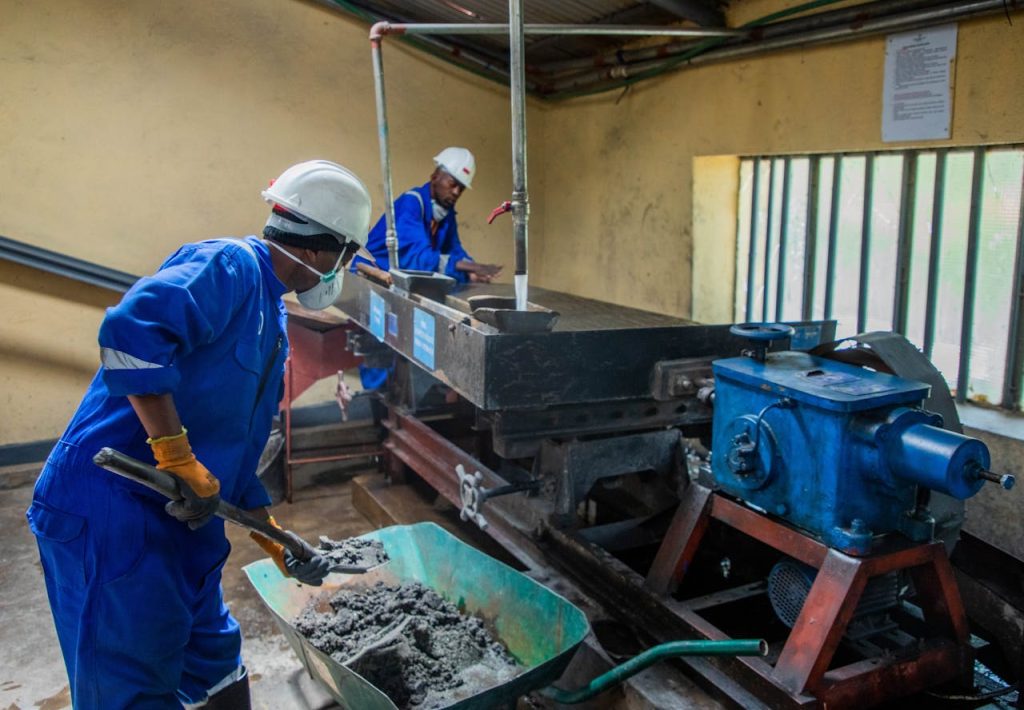
While Guinea remains the world’s leading exporter of bauxite, the focus in 2026 is on “Hilirisasi” or downstream processing. The government now mandates local transformation of raw materials, creating massive opportunities in alumina refineries and smelting. Furthermore, specialty minerals like Antimony and Bismuth are attracting tech-focused investors.
2. Strategic Sectors for High-Yield Investment
To maximize ROI, investors must look at sectors where Guinea holds a natural competitive advantage combined with high domestic or regional demand.
A. Agriculture and Agro-Processing
Guinea possesses over 6 million hectares of arable land and is often called the “Water Tower of Africa.”
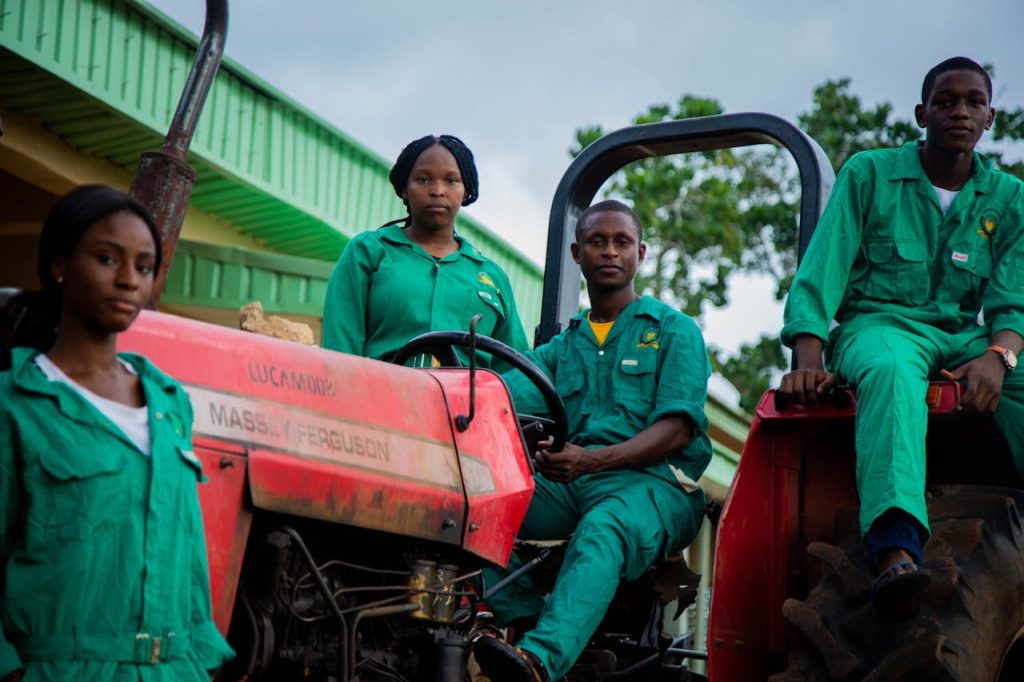
- Nut Processing: There is a critical gap in the processing of cashews and groundnuts. Establishing Nut Processing Units allows investors to export value-added products to Europe and North America duty-free.
- Commercial Plantations: Opportunities abound in rubber, oil palm, and cocoa, particularly for investors adhering to global ESG Standards.
B. Renewable Energy and Microgrids
As industrialization accelerates, the demand for stable power has skyrocketed.
- Hydropower: Guinea has a potential of over 6,000 MW of hydroelectric power.
- Decentralized Solutions: For remote mining and agricultural sites, Microgrid Systems combining solar and battery storage are the most profitable energy ventures today.
C. Commercial and Health Real Estate
The influx of expatriates and a rising middle class have created a shortage of high-standard infrastructure.
- Office Parks: Developing Grade-A business hubs in Conakry.
- Medical Tourism: Building specialized Health Real Estate to serve the regional West African market.
3. The Legal and Regulatory Framework: Understanding OHADA
For any foreign investor, legal security is the non-negotiable foundation of a project. Guinea provides this through its membership in OHADA (Organization for the Harmonization of Business Law in Africa).
The 2026 Investment Code
Guinea’s modernized Investment Code offers some of the most aggressive fiscal incentives in the region:
- Customs Exemptions: 100% duty-free import of specialized equipment during the construction phase.
- Tax Holidays: Corporate tax exemptions for up to 10 years for projects located in the interior of the country.
- Profit Repatriation: Guaranteed rights for foreign investors to transfer profits and dividends abroad in foreign currency.
Institutional Support: APIP and LNW
The Agency for the Promotion of Private Investments (APIP) acts as a “One-Stop Shop” for company registration, which can now be completed in less than 72 hours. Working with local consultants like Yes! Invest Guinea ensures that you navigate these administrative hurdles with zero friction.
4. Digital Infrastructure: The 2026 Edge
Guinea has quadrupled its backbone capacity to 200 Gbps, supported by over 12,000 km of fiber-optic cables. This digital leap has birthed a new era of Innovative Tech.
IoT and Big Data in Industry
Foreign investors are now utilizing IoT Guinea solutions to track logistics across the Trans-Guinean railway and Big Data Analytics to optimize crop yields. Guinea is no longer a “black hole” of data; it is an environment where every asset can be monitored in real-time from an office in London, Singapore, or New York.
5. Risk Mitigation and ESG Compliance
Investing in emerging markets requires a sophisticated approach to risk.
- Political Risk Insurance: Utilizing MIGA (World Bank) or local Insurance and Risk Management providers.
- Community Engagement: Successful projects in Guinea are those that integrate local content and community development into their core strategy.
- Environmental Standards: Adhering to HACCP in food processing or international mining safety protocols.
FAQ: Frequently Asked Questions about Investment in Guinea
- Can a foreigner own 100% of a company in Guinea?
Yes. Guinea’s investment laws allow for 100% foreign ownership of companies across almost all sectors, with no requirement for a local partner unless specified in certain strategic mining or security concessions.
- What is the minimum capital required to start a business?
While the legal minimum for a SARL (Limited Liability Company) is low, investors seeking fiscal incentives under the Investment Code typically need to meet specific investment thresholds based on the project size.
- How stable is the Guinean currency for international trade?
Guinea maintains a flexible exchange rate. International investors often utilize specialized Financial and Administrative Services to manage currency risk and facilitate smooth international transfers.
- What are the main export markets for Guinean products?
Major partners include China, the European Union, India, and the United Arab Emirates. Guinea also benefits from the AfCFTA (African Continental Free Trade Area), providing tariff-free access to the entire African continent.
- How does Yes! Invest Guinea assist foreign investors?
We provide the “Institutional Concierge” service handling land acquisition, regulatory permits, International Recruitment, and strategic market entry analysis.
Conclusion: Securing Your Stake in Africa’s Future
The window of opportunity for investment in Guinea is wider than ever, but the market is moving fast. The 2026 infrastructure boom has set the stage for a decade of unprecedented growth. By combining Guinea’s natural resource wealth with modern technology and a secure legal framework, investors are not just chasing returns aka they are building the industrial foundations of West Africa.
Start Your Journey with Yes! Invest Guinea
At Yes! Invest Guinea, we don’t just provide data; we provide the local intelligence and institutional access required to win. Whether you are in mining, agribusiness, or tech, our team is ready to facilitate your success.
Contact Yes! Invest Guinea today to receive our 2026 Strategic Investment Prospectus.