As we move through 2026, the global industrial landscape is witnessing a significant shift in resource procurement. For a nation like Japan, whose industrial and technological prowess is inextricably linked to secure access to raw materials and sustainable energy, the search for resilient partners has become a matter of national economic security. While regions like Australia and Latin America have long served as Japan’s primary resource hubs, the Republic of Guinea in West Africa is rapidly emerging as the most critical new frontier for the Japanese private sector.
Invest in Guinea for Japanese Investors is no longer just a tagline; it is a strategic imperative. With unmatched mineral reserves, immense hydropower potential, and a series of government reforms designed to protect foreign capital, Guinea offers Japanese corporations a unique opportunity to diversify supply chains, stabilize production costs, and strengthen long-term partnerships in the African continent.
Guinea’s Investment Landscape in 2026
The Guinean economy in 2026 is defined by its “geological scandal” a term used to describe its overwhelming concentration of mineral wealth. For Japanese trading houses (Sogo Shosha) and manufacturers, the landscape is divided into several high-value pillars:
- World-Class Bauxite Reserves: Guinea holds the world’s largest bauxite reserves. As the primary ore for aluminum, this is essential for Japan’s automotive, aerospace, and electronics industries.
- The Simandou Iron Ore Milestone: The Simandou project is recognized as one of the richest untapped high-grade iron ore deposits globally. Its high Fe content aligns perfectly with Japan’s needs for “Green Steel” production.
- Diverse Mining Portfolio: Beyond bauxite and iron, Guinea produces high-purity gold and gem-grade diamonds, offering a diversified hedge within the extractive sector.
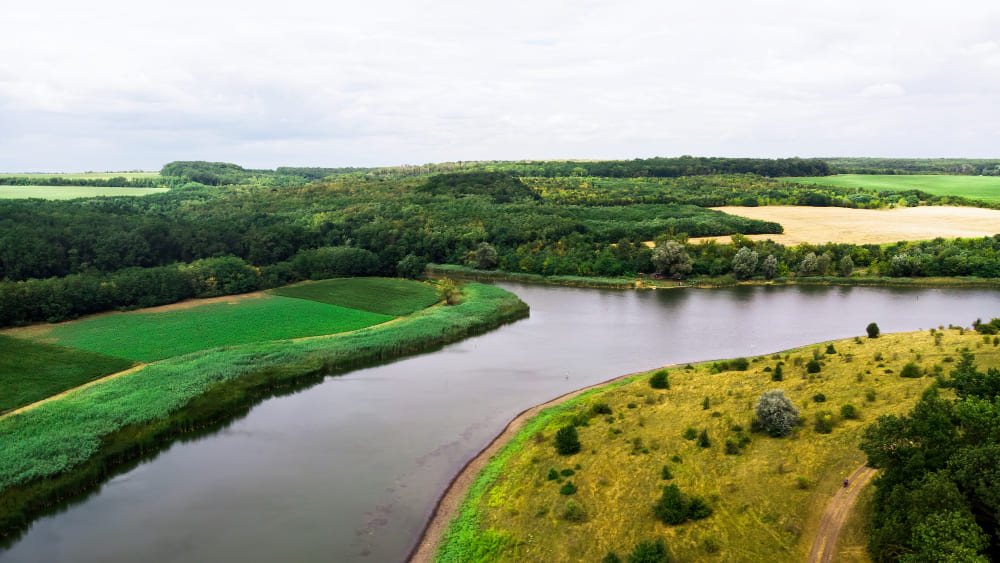
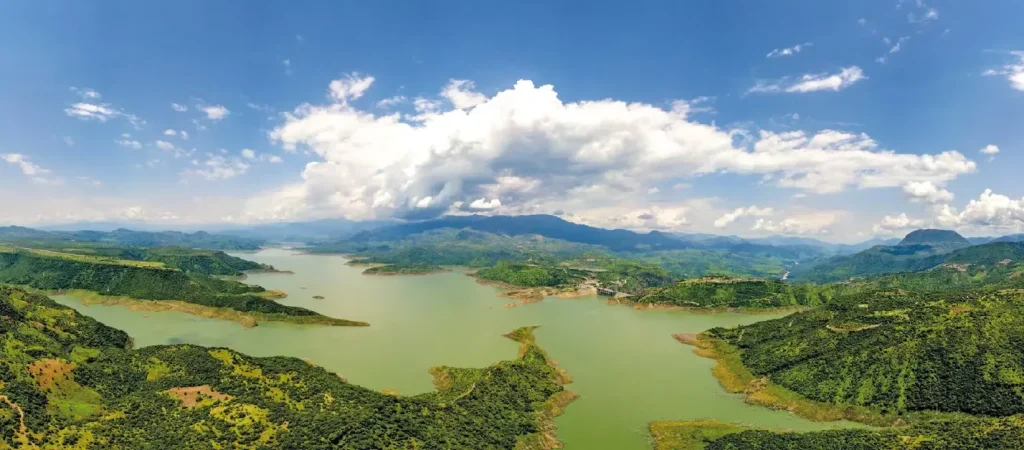
- Hydropower Potential: Guinea’s vast river systems are capable of generating significant electricity for domestic use and regional export, supporting Japan’s global renewable energy and carbon-neutrality goals.
- Agriculture Expansion: Fertile land and abundant rainfall support large-scale cultivation of rice, coffee, and other cash crops, presenting a lucrative opening for Japanese agribusiness and food security technology.
Why Guinea is Strategic for Japanese Investors
For Japan, the decision to engage with the Guinean market is driven by the need for long-term stability and environmental responsibility.
Securing Essential Raw Materials
Japan’s demand for aluminum and steel is surging as it leads the global transition toward electric vehicles (EVs) and advanced infrastructure. Guinea’s reserves are not just large; they are of a quality that reduces processing costs and energy consumption. By securing direct stakes in Guinean mines, Japanese firms can bypass the price volatility of the spot market.
Renewable Energy and ESG Partnerships
The global community, including the International Renewable Energy Agency (IRENA), has highlighted West Africa’s potential for green transition. Guinea’s hydropower projects offer Japanese companies renowned for their turbines and grid technology—opportunities to invest in sustainable energy. These projects complement Japan’s global green initiatives and help fulfill corporate ESG mandates.
Supply Chain Diversification and Resilience
Recent global disruptions have taught the Japanese industrial sector the danger of over-reliance on a few suppliers. Partnering with Guinea reduces reliance on traditional sources in Australia and Latin America, enhancing the overall resilience of the Japanese supply chain against geopolitical shifts.
Comparing Guinea with Other West African Destinations
When Japanese investors look at the ECOWAS region, Guinea stands out specifically because its resources match Japan’s industrial DNA more closely than its neighbors.
| Country | Key Opportunities | Fit for Japan | Why Guinea Wins |
| Guinea |
Bauxite, iron ore, hydropower
|
Direct match with Japan’s industrial & energy needs
|
Largest reserves and renewable energy synergy
|
| Ghana |
Gold, cocoa
|
Limited industrial fit
|
Guinea offers broader mineral diversity for manufacturing
|
| Nigeria |
Oil & gas
|
Less relevant for Japan’s green transition
|
Guinea’s minerals align with Japan’s sustainability goals
|
| Senegal |
Tourism, fisheries
|
Smaller-scale for major industry
|
Guinea’s mining & energy sector is more strategic
|
Specific Opportunities for Japanese Companies
In 2026, the Guinean government is actively seeking Japanese expertise in three primary areas:
1. Mining & Advanced Processing
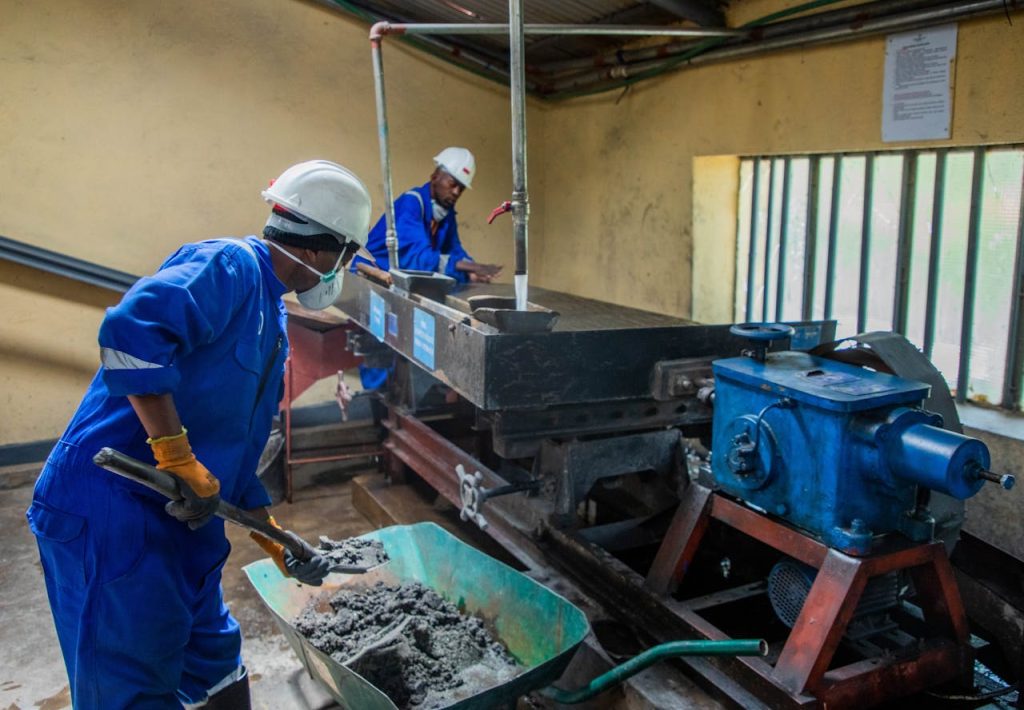
The government is moving away from the export of raw ore toward local value addition. There are significant opportunities for:
- Joint ventures in bauxite and iron ore extraction.
- Establishing alumina refineries and high-tech steel plants that utilize Guinea’s growing power grid.
2. Energy & Infrastructure Facilitation
The “Simandou Effect” has triggered a massive infrastructure boom. Japanese firms specializing in heavy machinery and civil engineering can participate in:
- Large-scale hydropower projects designed for regional electricity export.
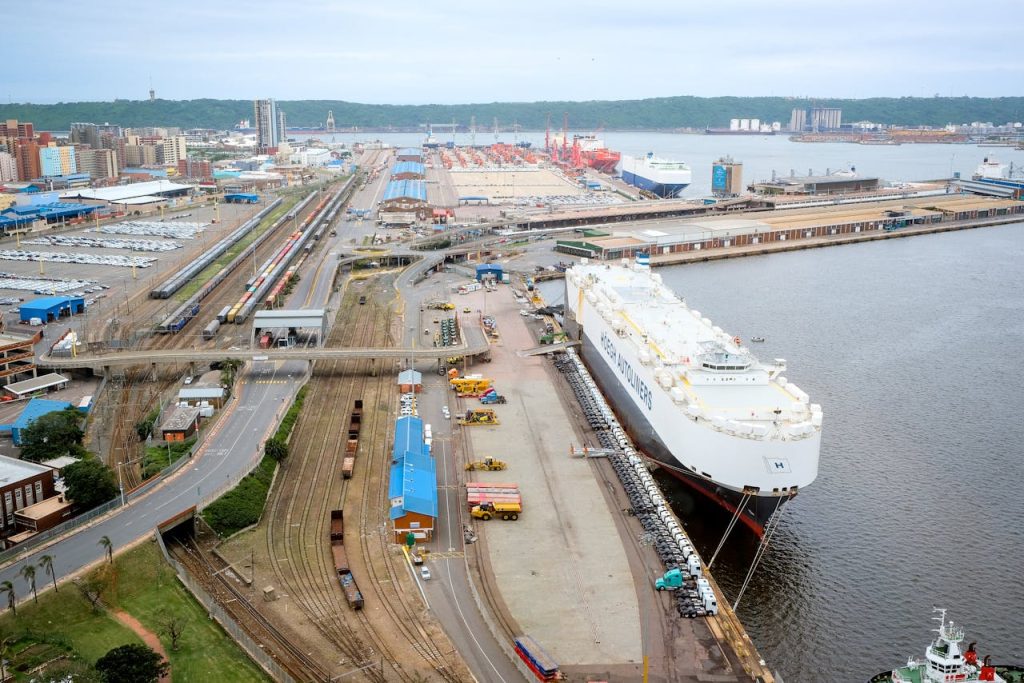
- Development of railways, deep-water ports, and sophisticated logistics networks to support the mining corridors.
3. Agriculture & Food Security
Leveraging Japan’s advanced agricultural technology could revolutionize Guinean farming.
- Large-scale rice and coffee cultivation to meet both local and international demand.
- Export-oriented agribusiness partnerships that utilize Guinea’s fertile soil and Japan’s processing standards.
Navigating Risks and Challenges in 2026
While the potential is vast, Investing in Guinea requires a nuanced approach to risk management.
- Political Transition: Guinea’s evolving governance requires careful and constant monitoring to ensure long-term contract stability.
- Infrastructure Gaps: While improving rapidly, transport and energy networks are still developing, requiring investors to sometimes incorporate “captive” infrastructure into their project costs.
- Community Engagement: In line with Japan’s “Quality Infrastructure Investment” principles, investors must prioritize local partnerships and community development to ensure sustainable growth.
Q&A: Invest in Guinea for Japanese Investors
Q1: Why should Japanese investors prioritize Guinea over other mineral-rich nations? Guinea offers the world’s largest bauxite and iron ore reserves combined with a massive renewable energy potential. This dual advantage directly supports Japan’s industrial production and its urgent sustainability goals.
Q2: What sectors beyond mining are attractive for Japanese capital? Renewable energy (hydropower), large-scale infrastructure, and agribusiness provide diversified and sustainable opportunities that leverage Japanese technology.
Q3: How stable is Guinea’s investment climate in 2026? Reforms implemented through 2026 have significantly improved transparency and legal protections. While political transitions are ongoing, the government has shown a steadfast commitment to honoring international investment contracts.
Q4: Is it possible for Japanese companies to establish long-term partnerships? Absolutely. Guinea’s government offers various incentives for long-term cooperation, and the sheer scale of the resources ensures that projects can span several decades.
Q5: What is the first step for a Japanese company looking to enter Guinea?
The first step is engaging with a local strategic advisor like Yes! Invest Guinea to navigate the regulatory landscape and identify vetted local partners.
Conclusion: A Strategic Frontier for Japan
For Japanese investors, Guinea is more than just another destination in Africa it is a strategic frontier for industrial growth and sustainability. The convergence of Japan’s need for secure, high-quality minerals and Guinea’s vast untapped potential has created a window of opportunity that will define the next decade of West African trade.
By leveraging Guinea’s vast mineral reserves and hydropower potential through reform-driven policies, Japan can secure its industrial future while building a sustainable partnership that benefits both nations.
Partner with the Experts at Yes! Invest Guinea
Entering a new market requires local intelligence and high-level institutional liaison. At Yes! Invest Guinea, we are dedicated to helping Japanese firms navigate the Guinean landscape with confidence. From legal assistance to infrastructure facilitation, we ensure your investment is built on a solid foundation.
Contact Yes! Invest Guinea today to receive our 2026 Strategic Briefing for Japanese Investors.