The landscape of global supply chains and industrial capital allocation is experiencing an unprecedented structural shift. In 2026, international corporate boards, private equity syndicates, and manufacturing conglomerates are heavily prioritizing jurisdictions that offer raw material security, sustainable energy horizons, and unshakeable legal frameworks. Within the West African subcontinent, this strategic mandate has created a powerful economic trend: U.S. companies are investing in Guinea at a record-breaking pace.
Historically characterized by development aid and initial mineral exploration, the bilateral commercial corridor between Washington and Conakry has evolved into a sophisticated, multi-billion-dollar trade ecosystem. Driven by the comprehensive execution of Guinea’s “Simandou 2040” national development blueprint, the country has positioned itself as West Africa’s leading industrial growth hub. U.S. enterprises, renowned for their technological innovation, strict compliance structures, and large-scale project execution capabilities, are capturing early-mover advantages across a highly diversified asset pipeline.
At Yes! Invest Guinea, we operate as the premier institutional concierge and operational bridge on the ground. By pairing Guinea’s immense natural wealth with optimized administrative safe-harbors, we help North American corporate groups transition from early-stage blueprints into high-yielding, legally protected operations. This extensive analytical guide explores the core factors explaining why U.S. companies are investing in Guinea and how expanding firms can seamlessly capture these frontiers.
1. The Critical Minerals Alliance: Securing the Green Tech Supply Chain
Modern advanced economies rely completely on securing long-term access to critical minerals to sustain their high-tech manufacturing, defense, and electric vehicle (EV) ecosystems. Guinea’s extraordinary geological landscape provides an ironclad solution to these strategic industrial demands.
Bauxite Domination and the Shift to Alumina Refineries
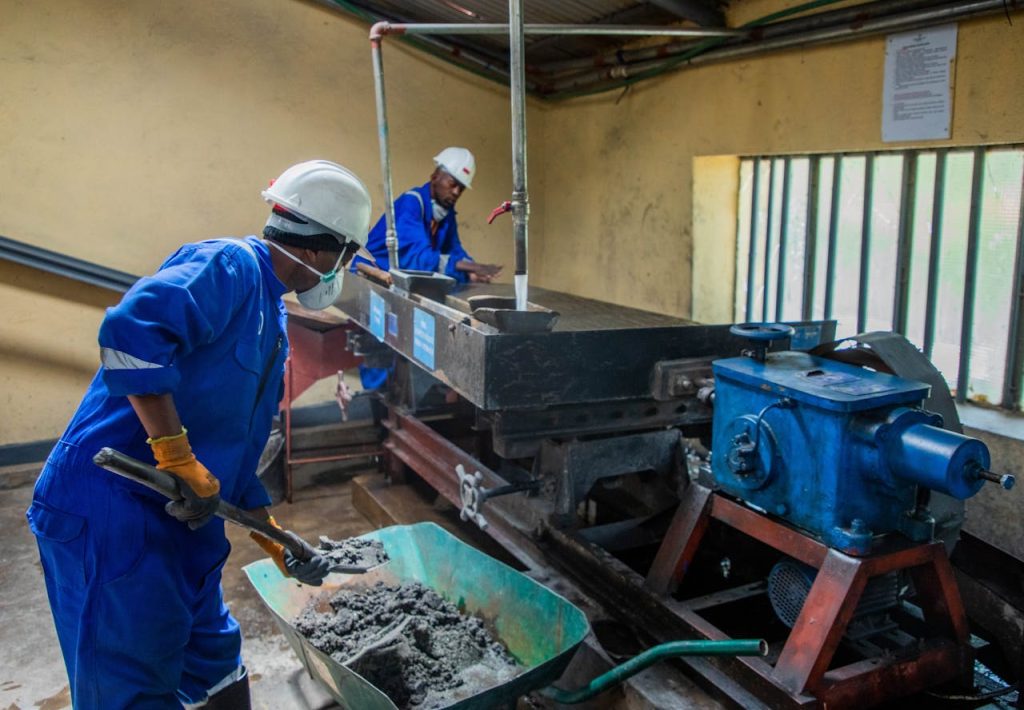
Guinea holds the world’s absolute largest reserves of high-grade bauxite, estimated at over 40 billion tonnes. While raw ore shipping has traditionally dominated the export market, the updated Guinean regulatory framework heavily rewards localized value addition. U.S. metals and mining firms are successfully capitalizing on this shift by investing in mid-stream alumina refining facilities. Processing the ore locally allows U.S. manufacturers to bypass trans-continental freight volatility, reduce raw shipping weight, and distribute refined aluminum directly to North American automotive and aerospace manufacturing corridors under highly competitive margins.
High-Purity Simandou Iron Ore for Green Steel Production
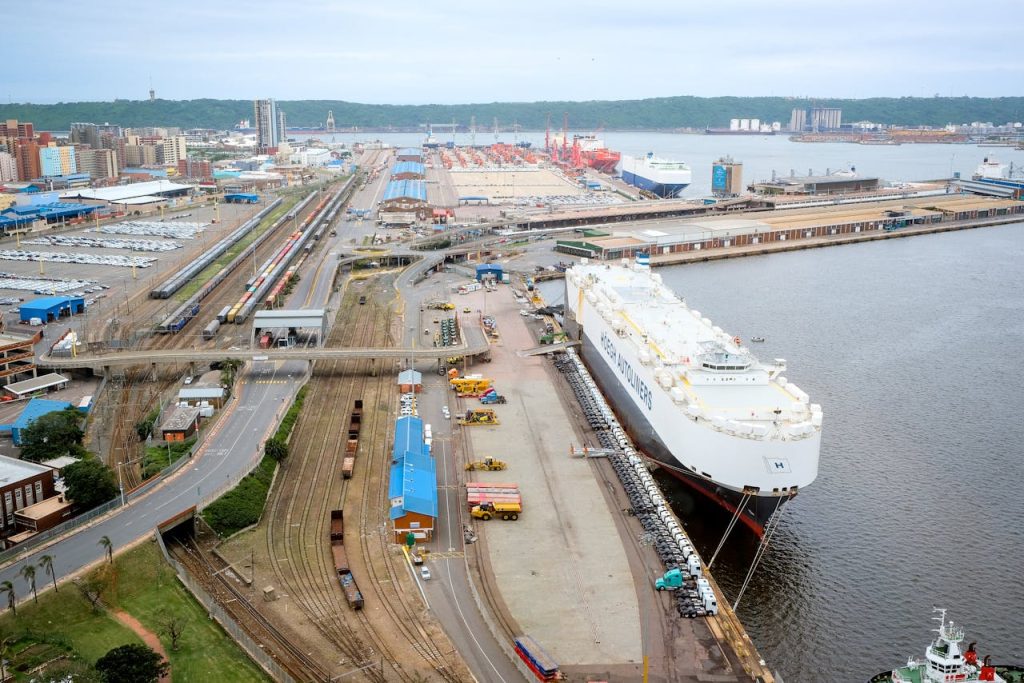
The multi-billion-dollar operational rollout of the Trans-Guinean logistics corridor—anchored by a state-of-the-art 670 km heavy-haul railway network and the deep-water port at Morebaya—has unlocked the world’s richest untapped iron ore deposits. Simandou’s iron ore features exceptionally high purity levels, making it the perfect input required for Direct Reduced Iron (DRI) processing. As U.S. industrial players align their corporate operations with global net-zero mandates, securing concessions within Guinea’s iron ore belts ensures a reliable supply chain that complies with international carbon reduction goals.
2. Renewable Energy Infrastructure: Tapping the “Water Tower” Potential
Heavy industrialization and modern manufacturing assembly lines cannot scale without an absolute guarantee of uninterrupted, sustainable electrical power. U.S. energy developers are actively leveraging Guinea’s natural geographical assets to build out a robust, zero-carbon energy matrix.
Large-Scale Hydroelectric Engineering
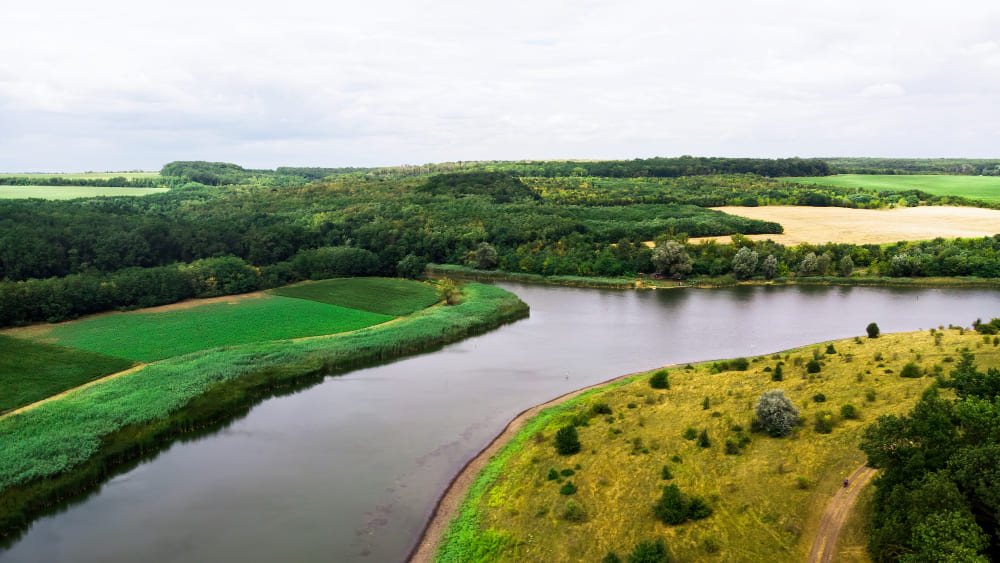
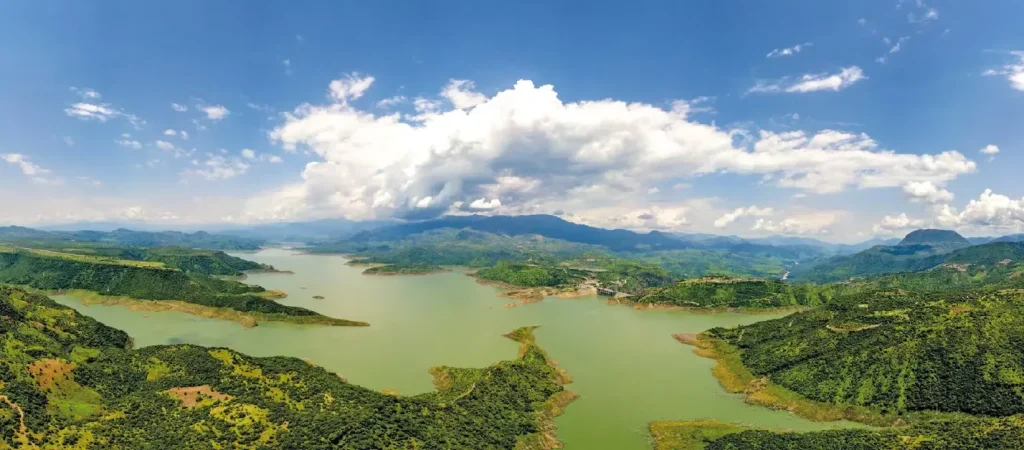
Commonly referred to as the “Water Tower of West Africa” due to its network of over 1,300 rivers and high annual rainfall, Guinea possesses an immense estimated hydroelectric potential of over 6,000 MW. U.S. engineering, procurement, and construction (EPC) consortia are actively partnering with local authorities to design and deploy automated run-of-river dams and modern transmission systems. These grids connect seamlessly with the West African Power Pool (WAPP), transforming Guinea into a clean energy exporter across the entire sub-continent.
Decentralized Solar Farms and Smart Microgrids
While massive hydro projects provide baseline power to primary industrial sectors, remote commercial agriculture sites, mining camps, and manufacturing zones require independent solutions. U.S. clean-tech providers are successfully capturing market share by deploying decentralized hybrid Microgrid Systems.
By combining high-efficiency solar arrays with advanced battery energy storage systems (BESS), operators can distribute stable, 24/7 power directly to local operations. These smart microgrids deploy advanced IoT Guinea tracking tools to monitor power loads in real-time, completely preventing unexpected factory downtime and lowering corporate carbon footprints to meet global sustainability parameters regulated by the International Energy Agency (IEA).
3. High-Yield Agribusiness: Optimizing Regional Food Supply Logistics
Beyond heavy industrial mining, a critical pillar drawing U.S. investment capital to Guinea is the profound opportunity for automated, vertical agribusiness and food processing.
Precision Farming and Mechanized Agriculture
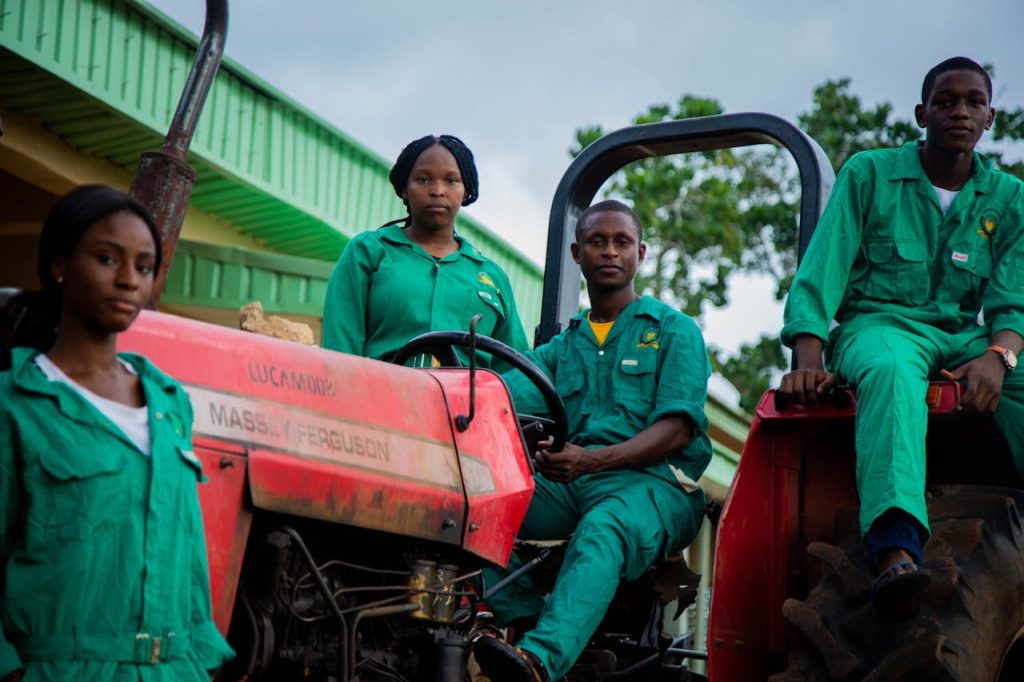
Guinea features over 6 million hectares of ultra-fertile arable land. To help shift the local agricultural sector from raw commodity shipping to value addition, U.S. agribusiness syndicates are introducing precision farming technologies, high-efficiency drip-irrigation software, and smart harvesting hardware optimized by advanced Big Data Analytics.
Establishing Modern Nut Processing Units
A prime example of a highly lucrative venture is the development of integrated Nut Processing Units. Rather than exporting raw cashews and groundnuts to distant markets for basic processing, U.S. operators are constructing processing factories directly at the crop source. This localization creates value-added finished lines that strictly comply with international quality certifications regulated by the International Organization for Standardization (ISO), opening up seamless, tariff-free export channels via continental free trade frameworks.
4. Legal Certainty: Navigating Protections under the OHADA Framework
A primary requirement for U.S. corporate boards, legal counsels, and institutional risk compliance managers looking to allocate large-scale capital into frontier markets is absolute legal safety and predictability. Guinea answers this requirement through its adherence to standardized international civil business laws.
Standardized Protections under OHADA
Guinea operates as a core member of the OHADA Law framework (Organization for the Harmonization of Business Law in Africa), a highly unified commercial legal code implemented across 17 African nations. This civil law system offers exceptional predictability. It guarantees that long-term land concessions, corporate joint ventures, asset purchases, and intellectual property rights are legally secure and fully recognized by international commercial arbitration courts, mitigating standard legal risks.
Exclusive Incentives Under the Investment Code
Foreign enterprises registering operations through the Agency for the Promotion of Private Investments (APIP) gain access to a competitive suite of industrial incentives under the updated Investment Code:
- Tax Holidays: A complete 8 to 10-year exemption from corporate income tax for infrastructure, manufacturing, and agricultural projects established outside the capital city.
- Customs Duty Waivers: 0% import duties and full VAT exemptions on all specialized heavy machinery, technological hardware, and engineering equipment during the initial construction phase.
- Capital Protection: Full legal rights for international corporations to freely repatriate 100% of profits, corporate dividends, and operational capital in foreign currency.
5. Frequently Asked Questions (FAQ)
- Why are U.S. companies specifically choosing to invest in Guinea in 2026? U.S. companies are targeting Guinea to secure critical industrial mineral pipelines like bauxite and high-purity iron ore, tap into massive renewable energy and agribusiness value chains, and leverage Guinea’s strategic Atlantic maritime access.
- Can a U.S. enterprise maintain 100% corporate ownership of its assets in Guinea?
Yes. Under the unified OHADA legal framework and Guinea’s open investment policies, foreign investors are legally permitted to establish, manage, and maintain 100% ownership of their local corporate subsidiaries (such as a SARL or SA) across most industrial, manufacturing, and technological sectors.
- What international trade frameworks benefit goods processed in Guinea?
Goods manufactured or processed within Guinea qualify for tariff-free distribution across the continent via the African Continental Free Trade Area (AfCFTA). For global trade, products also benefit from duty-free access to European markets through the Everything But Arms (EBA) initiative.
- How does Guinea manage power reliability for new industrial facilities?
While large-scale hydroelectric projects supply baseline power to heavy industry, remote processing and agricultural hubs increasingly deploy decentralized hybrid Microgrid Systems. These smart grids combine solar arrays with advanced battery storage to manage industrial loads in real-time.
- How can Yes! Invest Guinea assist North American corporate groups?
We serve as your comprehensive institutional concierge on the ground. Our team handles Company Registration in Guinea, provides elite Legal and Regulatory Assistance, navigates bureaucratic processes via direct Government and Institutional Liaison, and manages local operations to ensure your project runs with maximum resilience.
Conclusion: Capitalizing on the Trans-Atlantic Industrial Axis
The window of opportunity to leverage the momentum of U.S. companies investing in Guinea is wide open in 2026. By matching the advanced technological sophistication and capital depth of North American enterprises with Guinea’s unparalleled natural wealth, modernized transport corridors, and secure legal frameworks, forward-thinking corporations can secure an unshakeable market position in West Africa.
Scale Your Corporate Output with Yes! Invest Guinea
At Yes! Invest Guinea, we deliver the critical data, verified institutional networks, and legal safety rails required to transition your commercial project seamlessly from a blueprint into a highly profitable operational reality.
Contact our North American Investment Desk today to receive your 2026