The global wellness industry is undergoing a seismic shift toward natural, plant-based remedies. In 2026, the demand for organic botanicals and standardized herbal extracts has reached an all-time high, driven by a global consumer base seeking alternatives to synthetic pharmaceuticals. While many regions struggle to meet this demand, the Republic of Guinea stands as a biological treasure trove. Herbal Medicine Processing is no longer just an ancestral practice; it is a high-growth Traditional Agribusiness niche that bridges Guinea’s rich biodiversity with the multibillion-dollar international pharmaceutical and nutraceutical markets.
For agribusiness investors, pharmaceutical firms, and impact funds, the Guinean herbal sector represents an untapped high-margin opportunity. By transitioning from raw herb collection to sophisticated, standardized processing, Guinea is positioned to become West Africa’s primary hub for botanical excellence. This article explores the economic potential of Guinea’s flora, the technical requirements for modern processing, and why the “Green Pharmacy” is the most persuasive investment story of the year.
The Biological Wealth: Guinea’s “Natural Pharmacy”
Guinea’s unique geography ranging from humid tropical forests to high-altitude plateaus—has fostered one of the most diverse plant populations on the continent. Many of these species are endemic and have been used for centuries in local health traditions.
1. High-Value Botanical Species
In 2026, several Guinean plants have gained international recognition for their clinical efficacy:
- Artemisia annua: Critical for anti-malarial treatments and immune support.
- Moringa oleifera: A “superfood” powerhouse with massive demand in the global supplement market.
- Griffonia simplicifolia: A primary source of 5-HTP, used globally for mental health and sleep regulation.
- Voacanga africana: Highly sought after by the pharmaceutical industry for its alkaloid content.
2. The Shift to Standardized Extracts
The global market no longer wants raw, dried leaves; it demands standardized extracts with guaranteed active ingredient concentrations. According to the World Health Organization (WHO), traditional medicine is a pillar of primary healthcare for millions, and integrating it into the formal economy through regulated Herbal Medicine Processing is key to sustainable development.
Strategic Opportunities in Herbal Agribusiness 2026
The real value in the herbal sector lies in the “Middle Stream” the processing and stabilization of raw botanicals into export-grade ingredients.
1. Industrial Extraction and Distillation Plants
The biggest challenge for the sector is the degradation of active compounds during traditional drying.
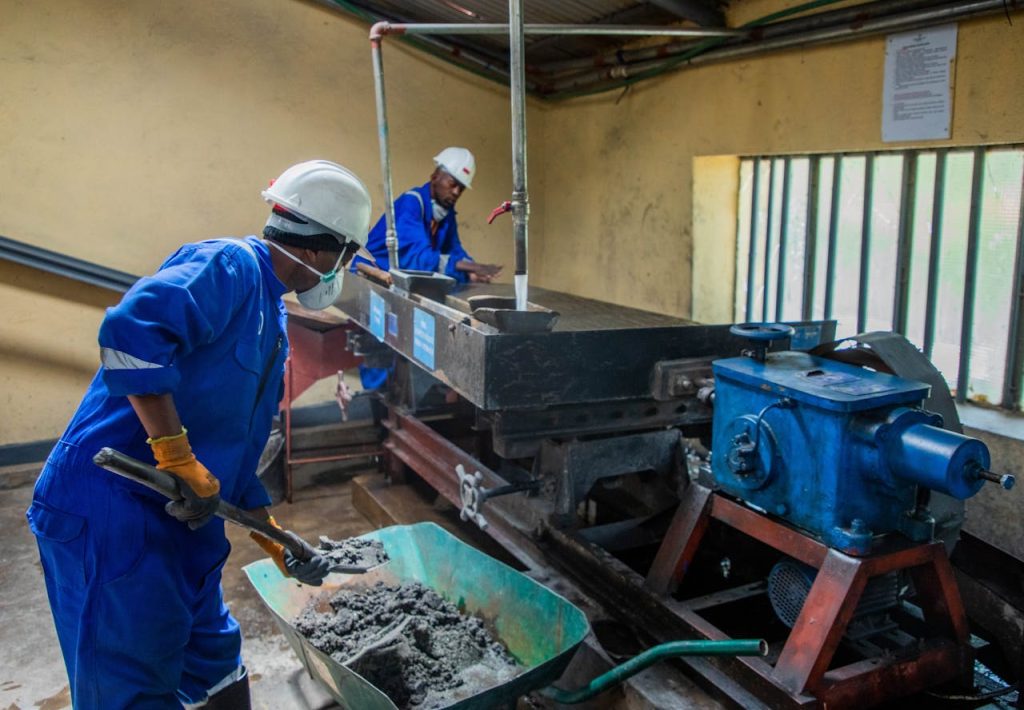
- The Opportunity: Establishing modern facilities for steam distillation, solvent extraction, and freeze-drying.
- The ROI: Essential oils and powdered extracts command a price per kilogram that is 10 to 20 times higher than bulk dried herbs. This aligns with Guinea’s push for Manufacturing and Industrialization in the agricultural sector.
2. Certified Organic Outgrower Networks
Global buyers in 2026 require strict “Farm-to-Pharma” traceability.
- The Opportunity: Organizing local smallholders into certified organic cooperatives. By providing seeds, technical training, and Legal and Regulatory Assistance, investors secure a consistent, high-quality supply of raw materials.
- The Impact: This model fulfills SME and Local Content requirements while ensuring the sustainability of Guinea’s wild-crafted species.
3. R&D and Quality Control Laboratories
To enter European and American markets, products must meet strict pharmacopeia standards.
- The Opportunity: Building ISO-certified laboratories for phytochemistry and microbiological testing. Partnering with Vocational Training Centers to develop a local workforce of chemists and botanists ensures long-term operational success.
Why Invest in Guinea’s Herbal Sector Now?
The 2026 investment landscape in Guinea is specifically calibrated to support the transformation of natural resources into high-value exports.
1. The 2026 Agribusiness Incentive Framework
The government has classified Herbal Medicine Processing as a “Strategic Export Sector,” offering:
- Tax Holidays: Up to 8 years of corporate tax exemption for processing units located in the Forest Region or Middle Guinea.
- Duty-Free Imports: 100% waiver on customs duties for laboratory equipment, stainless steel extractors, and specialized packaging machinery.
- Simplified Export Licensing: A dedicated “Green Lane” at Conakry’s ports for botanical products.
2. Access to Global Trade Agreements
As a member of the African Continental Free Trade Area (AfCFTA), Guinea-processed herbal medicines can be traded duty-free across a market of 1.3 billion people. Furthermore, Guinea’s trade status with the EU under the Everything But Arms (EBA) agreement provides a zero-tariff gateway into the European wellness market.
3. Ethical Sourcing and ESG Returns
Herbal medicine is the ultimate “Impact Investment.” It promotes biodiversity, preserves indigenous knowledge, and provides high-value income to rural women who are often the primary collectors of these plants. In 2026, Impact Investing funds are increasingly targeting “Ethical Botanicals” as a core asset class.
Roadmap for Entering the Guinean Herbal Market
- Botanical Sourcing Audit: Identify the most viable species based on global demand and local abundance. Yes! Invest Guinea can facilitate connections with the Ministry of Agriculture and local botanical experts.
- Facility Design and Permitting: Ensuring that the processing plant meets Good Manufacturing Practices (GMP). Use the “One-Stop Shop” via Invest in Guinea to streamline licensing.
- Certification Acquisition: Securing USDA Organic, EU Organic, or FairWild certifications to access premium international pricing.
- Market Integration: Establishing off-take agreements with international pharmaceutical or cosmetic brands seeking high-purity African ingredients.
FAQ: Herbal Medicine Processing Guinea
- Is it legal to export traditional herbal medicines from Guinea?
Yes, provided they are processed and packaged according to the regulations of the Ministry of Health and meet the export standards for non-timber forest products.
- What is the typical shelf life of processed herbal extracts?
Standardized dry extracts typically have a shelf life of 2 to 3 years if packaged in vacuum-sealed, pharmaceutical-grade containers, making them ideal for long-distance export.
- Does the government protect indigenous intellectual property?
Yes. Guinea is a signatory to international treaties regarding the protection of traditional knowledge and biodiversity. Investors are encouraged to enter into “Benefit Sharing” agreements with local communities.
- Can I set up a processing plant near the source of the plants?
Highly recommended. Setting up units in the Forest Region or Fouta Djallon reduces transport costs and ensures the freshness of the raw material before extraction.
- How can Yes! Invest Guinea assist my botanical venture?
Yes! Invest Guinea provides end-to-end support from identifying land for cultivation and processing to navigating Government and Institutional Liaison and securing investment incentives.
Conclusion: Healing the World, Growing the Economy
The Republic of Guinea is ready to transition from a supplier of raw herbs to a leader in botanical science. Herbal Medicine Processing: Traditional Agribusiness represents a unique intersection of heritage and high-tech industry. In 2026, the global “Back to Nature” movement is not just a trend; it is a permanent shift in the global economy, and Guinea is its most promising frontier.
By investing in the processing of Guinea’s natural pharmacy, you are not just capturing market share; you are fostering a sustainable, healthy, and prosperous future for the entire region.
Harvest the Future with Yes! Invest Guinea
At Yes! Invest Guinea, we turn natural potential into industrial success. From the forest floor to the global pharmacy shelf, our team is your strategic partner on the ground.
Contact Yes! Invest Guinea today to receive our 2026 Herbal & Botanical Agribusiness Report.