The allure of “Gold Coast” Africa has historically centered on Ghana and Mali, but in 2026, the global spotlight has shifted significantly toward the Republic of Guinea. While Guinea has long been celebrated for its bauxite dominance, the Gold Mining Guinea sector has emerged as a powerhouse of economic diversification. Boasting some of the most under-explored Birimian greenstone belts in the world, Guinea offers a combination of high-grade artisanal potential and massive industrial scalability.
For global investors, the current landscape is defined by a government eager to formalize the sector, a robust price for bullion, and the discovery of Tier-1 deposits in the Siguiri and Mandiana regions. This article provides an in-depth analysis of Guinea’s gold reserves, current production dynamics, and the evolving export markets.
The Geological Wealth: Guinea’s Gold Reserves
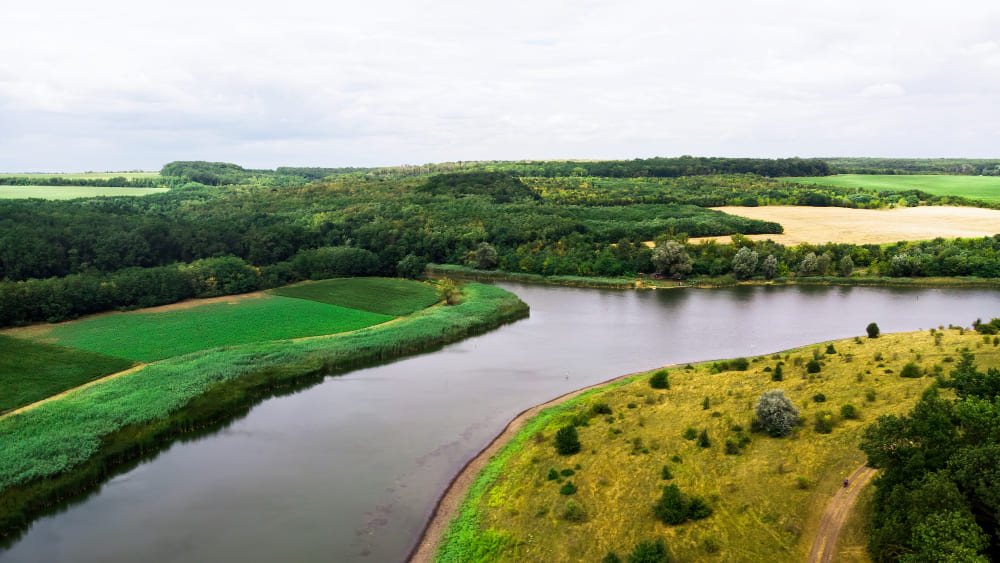
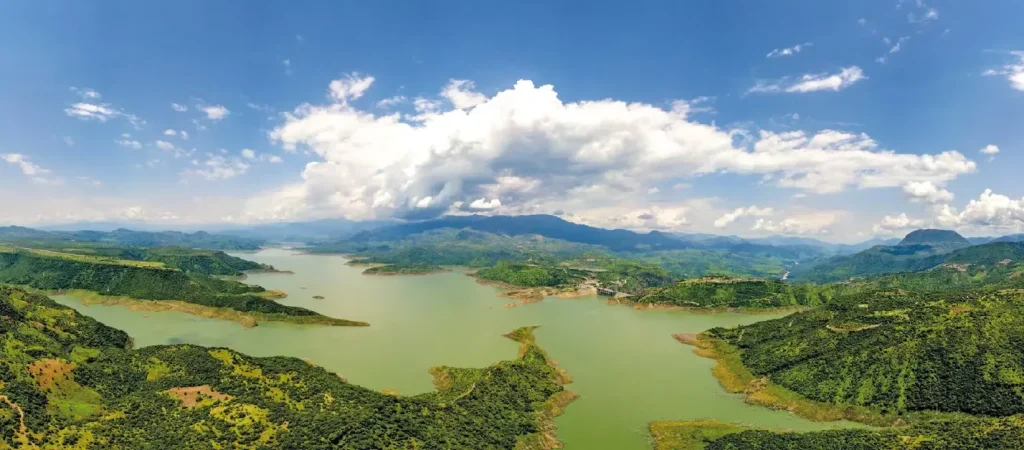
Guinea sits atop the Siguiri Basin, part of the larger West African Craton. This geological formation is world-renowned for its prolific gold mineralization. Unlike other regions where gold is found at extreme depths, much of the gold in Guinea is located in saprolite and weathered rock, allowing for more cost-effective open-pit mining operations.
Major Mining Hubs
- The Siguiri Region: Located in Upper Guinea (Haute-Guinée), this is the traditional heart of the gold sector. It hosts major industrial players and thousands of artisanal sites.
- Mandiana and Kouroussa: These regions have seen a surge in exploration activity in 2026, with several junior mining companies moving from discovery to feasibility stages.
- The Dinguiraye Corridor: Known for high-grade quartz vein systems, this area continues to attract mid-tier miners looking for high-margin deposits.
Estimated Potential
While official “proven” reserves are constantly updated, geological surveys from the Ministry of Mines and Geology suggest that Guinea’s gold potential exceeds several hundred tonnes. The lack of modern, deep-drilling exploration across large swaths of the country means that the current reserve figures likely represent only the “tip of the iceberg.”
Production Trends in 2026: Industrial vs. Artisanal
The Gold Mining Guinea sector operates as a dual-track economy. Balancing large-scale industrial output with the socio-economic importance of artisanal mining is a key focus of the current administration.
Industrial Mining Leaders
Major international corporations have successfully established a footprint in Guinea, proving that the regulatory environment is conducive to long-term capital expenditure. Key players include:
- AngloGold Ashanti: Operating the Siguiri Gold Mine, which has been a cornerstone of national production for decades.
- Nordgold: Managing the Lefa Mine, one of the largest gold mines in the country.
- Hummingbird Resources: Active in the Kouroussa region, bringing modern processing technology to high-grade deposits.
The Formalization of Artisanal Mining
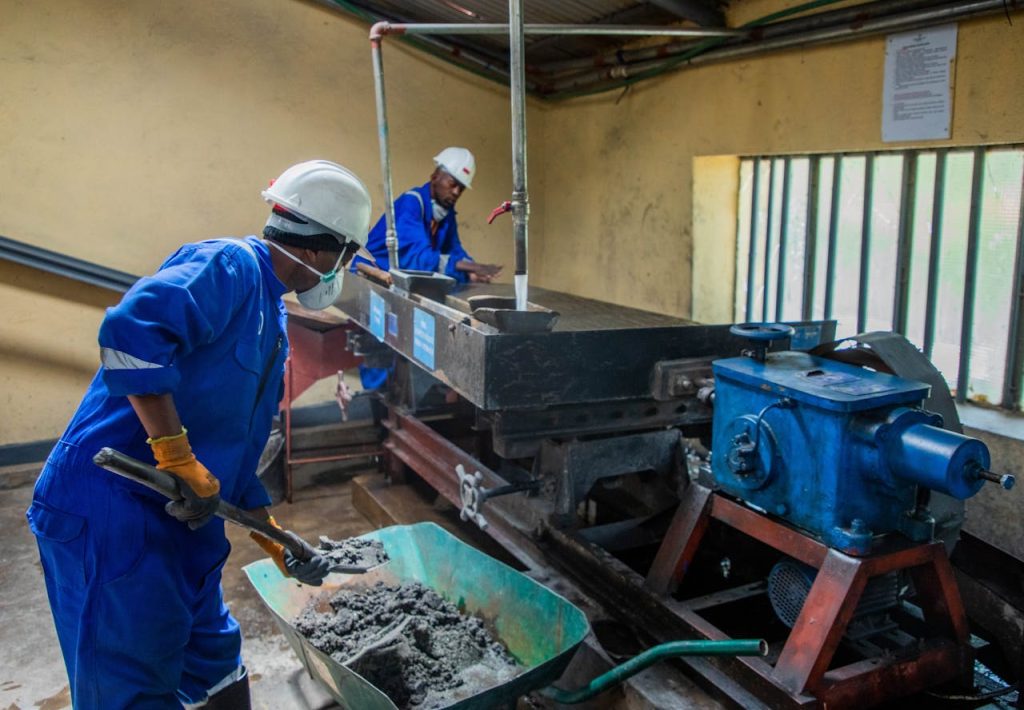
Artisanal and Small-scale Mining (ASM) contributes significantly to Guinea’s total gold output. In 2026, the government has introduced “Mining Artisanal Zones” to improve safety, environmental standards, and tax collection. This formalization process creates an opportunity for investors to provide “Mining-as-a-Service,” offering processing equipment and mercury-free technology to local cooperatives in exchange for a share of the production.
Export Markets and the Global Gold Supply Chain
Guinea’s gold is a vital component of the global supply chain, with export strategies evolving to capture more value domestically.
Primary Export Destinations
Historically, much of Guinea’s gold has been exported to:
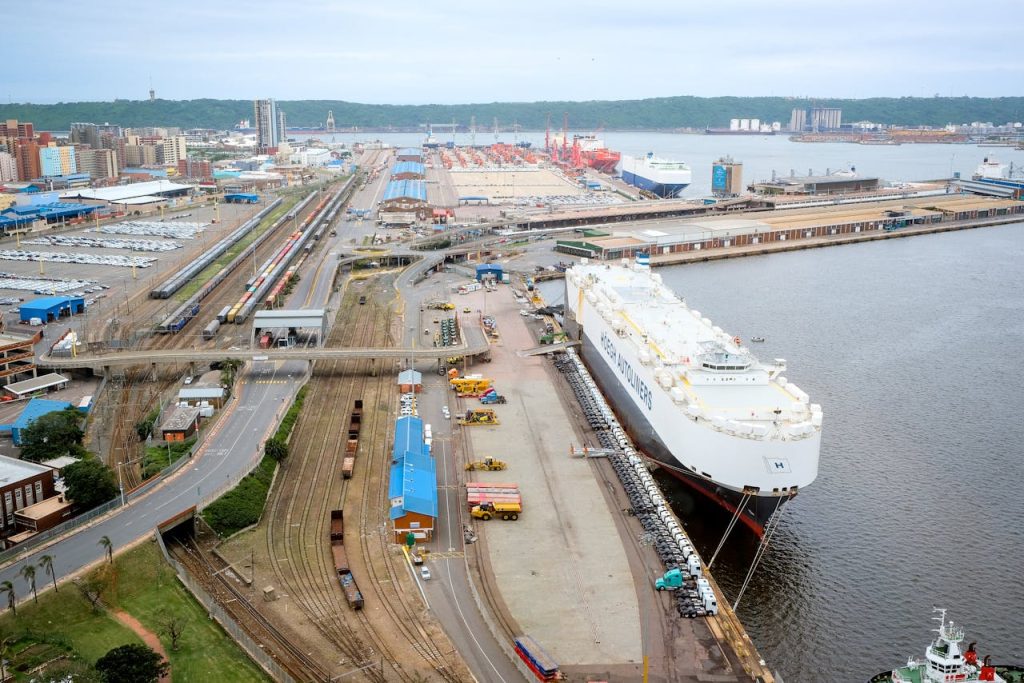
- United Arab Emirates (Dubai): A major hub for refining and trading West African gold.
- Switzerland: Known for high-purity refining and vaulting services.
- India: A primary market for jewelry and investment-grade bullion.
The Push for Domestic Refining
In 2026, there is a strategic movement toward domestic value addition. The government is incentivizing the construction of gold refineries within Guinea. By refining gold to 99.9% purity locally, the country can reduce export costs and increase its foreign exchange reserves. This shift represents a massive opportunity for investors in industrial infrastructure and refinery technology.
The Regulatory Framework and Investor Incentives
The Investment Code of Guinea and the Mining Code have been designed to protect foreign capital while ensuring national benefit.
Key Incentives for Gold Investors:
- Stability Clauses: Protection against changes in the fiscal regime for a set period, ensuring predictable ROI.
- Tax Exemptions: Customs duty exemptions for the import of heavy machinery and exploration equipment.
- Repatriation of Profits: Clear legal pathways for the transfer of dividends and capital to foreign parent companies.
ESG and Sustainable Mining
In 2026, “Green Gold” is the priority. Investors who implement robust ESG (Environmental, Social, and Governance) frameworks—focusing on reforestation, water management, and community education—find much smoother paths to permitting and social license. The World Bank’s mining guidelines serve as a benchmark for many new projects in the region.
Frequently Asked Questions (FAQ)
1. Is it possible for a foreign company to own a gold mine in Guinea?
Yes. Foreign entities can own 100% of a mining company in Guinea, though the state typically retains a 15% free-carried interest in industrial mining projects to ensure national benefit.
2. What is the typical grade of gold found in Guinea?
Grades vary by region, but many open-pit operations in the Siguiri Basin work with grades between 0.8 g/t and 1.5 g/t, while high-grade vein systems can exceed 5 g/t.
3. How does the government manage artisanal mining rights?
The government designates specific areas for artisanal mining. Foreigners cannot directly engage in artisanal mining but can partner with local cooperatives to provide equipment, technology, and financing.
4. What are the environmental requirements for gold mining?
All projects must undergo an Environmental and Social Impact Assessment (ESIA). In 2026, there is a strict ban on the use of mercury in new projects, favoring cyanide leaching or gravity separation methods.
5. How can Yes Invest in Guinea help me enter the gold sector?
We provide comprehensive consultancy services, including mining title due diligence, local partner matching, legal registration, and navigating the Ministry of Mines and Geology’s permitting process.
Conclusion: Tapping into Africa’s Golden Frontier
The Gold Mining Guinea sector is currently at a historic crossroads. With rising global gold prices and a domestic environment focused on modernization and transparency, the potential for high-yield returns is significant. Whether you are an exploration firm looking for the next Tier-1 discovery or a technology provider aiming to modernize the supply chain, Guinea offers a stable and resource-rich foundation.
Success in Guinea requires more than just capital; it requires local knowledge, a commitment to sustainability, and the right strategic partners.
Ready to explore the golden opportunities of West Africa? At Yes! Invest in Guinea, we are your boots on the ground. We bridge the gap between international capital and Guinean resources, ensuring your investment is secure, compliant, and profitable.
Contact Yes! Invest in Guinea today to receive our 2026 Mining Investment Prospectus.