The Republic of Guinea, widely recognized for its vast mineral wealth, is quietly embarking on a second, equally transformative industrial journey: the professionalization of its agricultural sector. In 2026, the focus has shifted toward high-value agribusiness, with Tomato Processing in Guinea emerging as a cornerstone of national food security and export diversification.
For savvy investors and agribusiness entrepreneurs, the tomato processing industry offers more than just a business opportunity; it represents a strategic pivot toward modernizing West African value chains. At Yes! Invest Guinea, we are guiding capital into ventures that solve the “post-harvest glut” problem by transforming perishable raw produce into shelf-stable, high-demand products like paste, puree, and sauces.
The Strategic Importance of Tomato Processing
In many emerging markets, fresh tomato production is seasonal and highly fragmented, leading to massive post-harvest losses. Tomato Processing Guinea facilities change the equation by creating a guaranteed, year-round market for farmers, which in turn incentivizes increased production and improved quality.
1. Reducing Import Dependency
West Africa is one of the world’s largest importers of tomato paste. By establishing local processing plants, Guinea can substitute expensive imported products with locally manufactured alternatives. This not only preserves foreign exchange reserves but also creates a resilient domestic food supply chain.
2. Economic Empowerment of Rural Areas
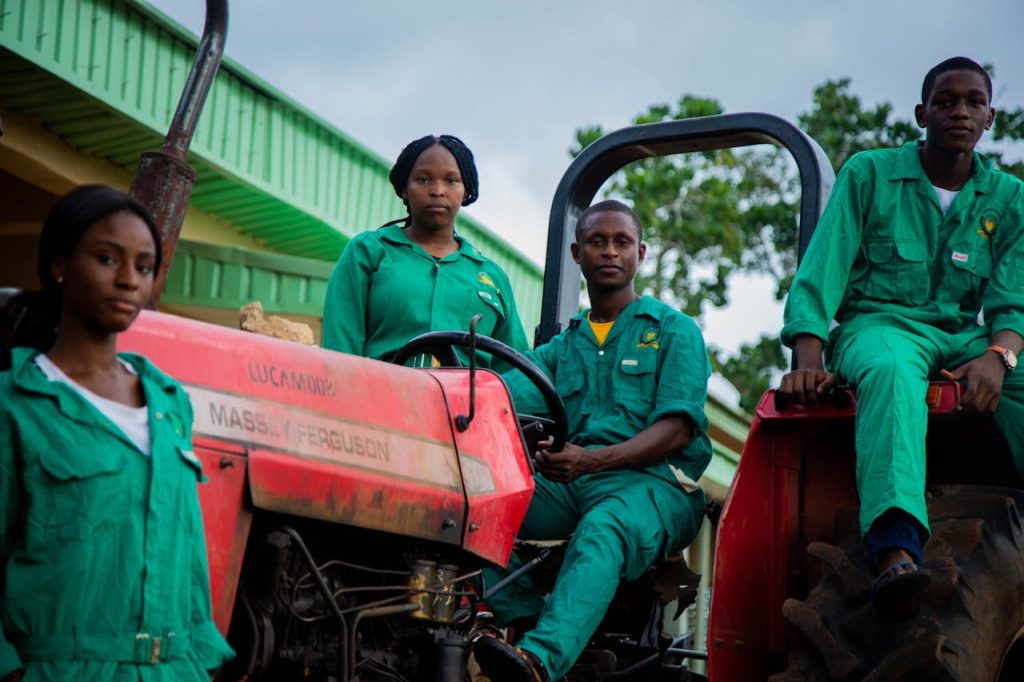
Tomato farming is predominantly a smallholder activity. A processing facility acts as an anchor tenant for rural development, providing farmers with a reliable off-taker and the technical assistance needed to improve yields. This aligns perfectly with the government’s 2026 priority to drive agriculture-led economic growth.
Building a World-Class Processing Facility
To compete with international commodity suppliers, a Tomato Processing Guinea venture must be built on a foundation of operational efficiency and compliance with global standards.
1. Essential Technology and Infrastructure
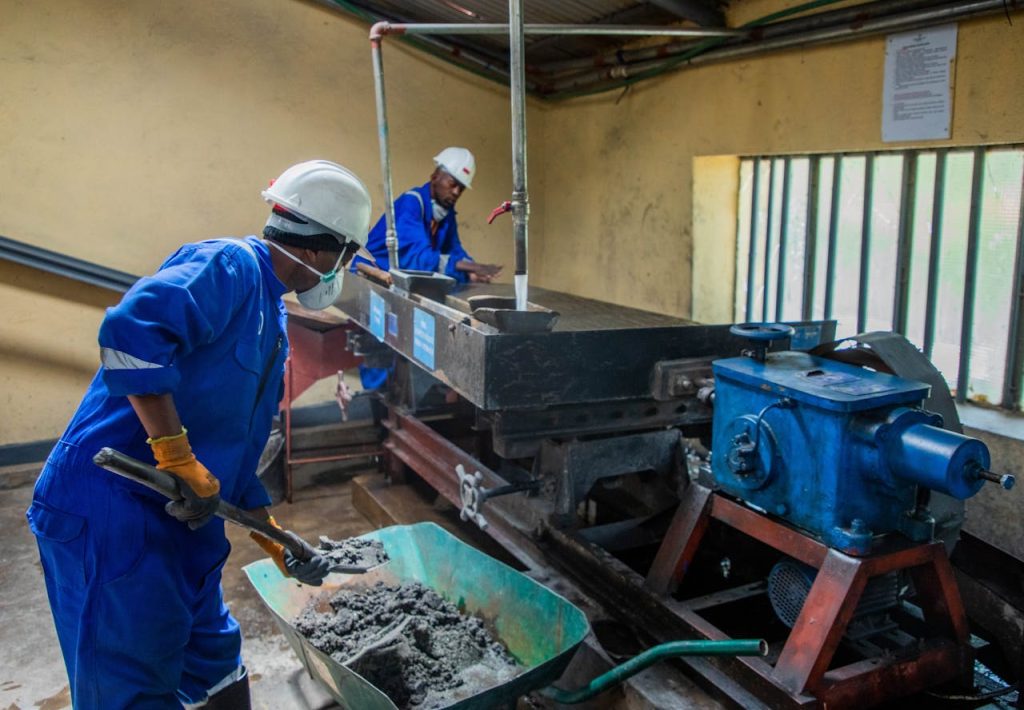
A competitive facility requires more than just crushing machines; it needs an integrated technological ecosystem:
- Washing and Sorting Systems: To ensure only high-quality produce enters the line, minimizing waste and ensuring consistency.
- Evaporation Units: The heart of the plant, used to concentrate the tomato pulp into paste, increasing its market value and shelf-life.
- Aseptic Packaging: Essential for ensuring products remain fresh without refrigeration for months, a critical requirement for West African retail and wholesale markets.
2. Water and Energy Sovereignty
Processing is energy- and water-intensive. Guinea’s surplus of clean hydroelectric power provides a distinct cost advantage. Investors who integrate efficient water treatment and wastewater management critical for environmental compliance will find a significantly streamlined path to licensing and “Strategic Project” status.
Investment Incentives and Regulatory Framework
The 2026 investment climate in Guinea is specifically tailored to reward agribusiness pioneers. Under the national investment code, projects in the Vegetable Agribusiness sector can leverage significant fiscal advantages.
- Tax and Customs Exemptions: Investors can benefit from duty-free importation of specialized processing machinery and materials essential for factory construction.
- Legal Stability: Through OHADA-compliant frameworks, your long-term agribusiness contracts are internationally enforceable, providing the institutional security required for large-scale capital deployment.
- Strategic Support: Agencies like APIP provide a “One-Stop Shop” to accelerate permitting, ensuring that your venture moves from feasibility to operation rapidly.
Roadmap for Agribusiness Success
- Feasibility & Sourcing: Identify clusters with high tomato production and establish outgrower schemes to guarantee supply.
- Infrastructure Setup: Utilize Yes! Invest Guinea to navigate land acquisition, zoning, and building permits.
- Compliance: Ensure the facility meets global food safety standards like ISO 22000 or HACCP, which are prerequisites for both domestic retail and export.
- Distribution: Build partnerships with wholesalers, supermarkets, and industrial food producers to ensure consistent demand.
FAQ: Tomato Processing Guinea
- Is tomato processing viable given the current import competition?
Yes. By focusing on quality and leveraging local tax incentives, domestic processors can offer competitive pricing while avoiding the volatility of global shipping costs and currency fluctuations associated with imports.
- How does a processing plant help the local farmer?
It eliminates the “glut” during peak harvest when prices crash. By providing a fixed-price contract, the factory stabilizes farmer income, encouraging them to invest in better seeds and fertilizers.
- What are the key utilities needed for a factory?
Reliable electricity (with backup), clean water, and steam boilers are essential. Guinea’s increasing investment in national power infrastructure makes it an ideal location for these energy-intensive operations.
- How long does it take to set up a processing facility?
Typically, 12 to 18 months from feasibility study to full-scale commercial launch, assuming all regulatory and environmental permits are managed efficiently.
- How can Yes! Invest Guinea help my agribusiness venture?
We act as your local strategic bridge assisting with land acquisition, securing tax-exempt status, and facilitating Government and Institutional Liaison to ensure your project is compliant and profitable.
Conclusion: Planting the Seeds of Industrialization
Tomato Processing Guinea is more than just a business it is an investment in the nation’s industrial future. By capturing value at the source, Guinea can transform from an importer of processed foods into a regional powerhouse.
The market for high-quality, locally produced tomato products is expanding daily. Investors who establish the “first-in-class” facilities today will lead the transformation of the West African agribusiness landscape tomorrow.
Lead the Agribusiness Evolution with Yes! Invest Guinea
At Yes! Invest Guinea, we turn agricultural potential into high-value industrial reality. From the feasibility study to the final export container, our team is your strategic partner on the ground.
Contact Yes! Invest Guinea today to receive our 2026 Agribusiness & Tomato Processing Market Prospectus.