As the world grapples with food security challenges and the urgent need for climate-resilient supply chains, the Republic of Guinea has emerged as a cornerstone for agricultural transformation. Often overshadowed by its mining sector, the true long-term wealth of the nation lies in its fertile soil and abundant water resources. In 2026, Sustainable Farming Guinea is not just an environmental goal; it is a high-growth investment frontier, particularly in the production of rice and maize.
With over 6.2 million hectares of arable land and the highest rainfall in West Africa, Guinea is uniquely positioned to transition from a net importer to a regional powerhouse of cereal production. For the savvy investor, this shift represents a rare opportunity to combine profitability with significant social and environmental impact.
The Strategic Importance of Sustainable Farming in Guinea
The global shift toward “Regenerative Agriculture” has found a perfect testing ground in Guinea. Unlike established agricultural markets that are often depleted by decades of chemical intensive-farming, much of Guinea’s land remains underutilized and organic by default.
Why 2026 is a Turning Point
The Guinean government’s “National Agricultural Development Policy (PNDA)” has reached a critical implementation phase this year. The policy prioritizes Sustainable Farming Guinea initiatives, focusing on soil health, water management, and the integration of smallholder farmers into industrial value chains. This state-led push, combined with rising regional demand within the ECOWAS trade bloc, has created a stable environment for foreign direct investment (FDI).
Environmental Advantages
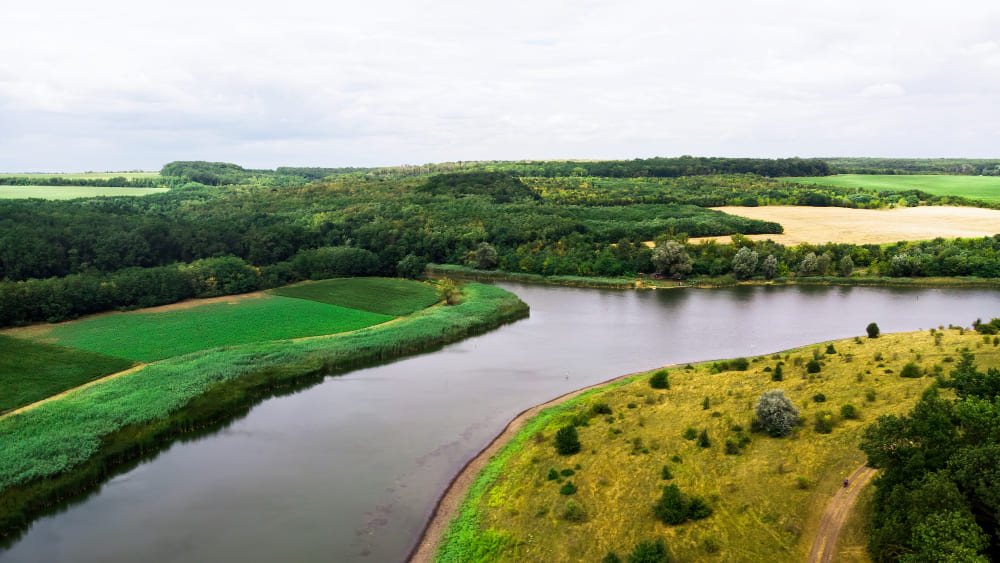
Guinea’s geography, ranging from the humid coastal plains to the temperate Fouta Djallon highlands, allows for multiple harvest cycles per year. Sustainable practices—such as crop rotation, organic fertilization, and solar-powered irrigation ensure that these yields are maintained without degrading the natural ecosystem that earns Guinea its title as the “Water Tower of Africa.”
Rice Production: Achieving Self-Sufficiency and Beyond
Rice is the primary staple food in Guinea, yet the country still relies on significant imports to meet domestic demand. This gap is exactly where the opportunity for Sustainable Farming Guinea lies.
Scaling Lowland Rice (Riziculture de Bas-fonds)
Guinea possesses vast inland valleys that are naturally flooded, making them ideal for high-yield rice production.
- The Opportunity: Investing in modern, sustainable water control systems allows for two or even three harvests per year, compared to the single harvest traditional farmers achieve.
- Sustainability Focus: By using System of Rice Intensification (SRI) methods, investors can reduce water consumption by 25% and methane emissions by up to 50% while increasing yields.
The Rise of “Guinean Parboiled Rice”
There is a massive premium market for locally processed, parboiled rice. Investors focusing on mid-stream processing units that utilize biomass (rice husks) for energy are seeing lower operational costs and higher market valuations for their end product.
Maize Production: Powering the Livestock and Industrial Sectors
While rice feeds the people, maize is the engine behind Guinea’s burgeoning poultry and livestock sectors. As domestic meat consumption rises, the demand for high-quality animal feed has skyrocketed.
Upper Guinea: The Maize Corridor
The Savannah regions of Upper Guinea (Haute Guinée) offer the ideal solar radiation and land expanses for large-scale maize cultivation.
- Sustainable Mechanization: We are seeing a move toward “Precision Agriculture” in 2026. This involves using drone technology and soil sensors to minimize fertilizer runoff and optimize seed placement.
- Hybrid Varieties: The introduction of climate-smart, drought-resistant maize seeds has allowed for consistent yields even during unpredictable weather patterns, ensuring a secure return on investment.
Industrial Value Addition
Maize isn’t just for feed. Opportunities in Sustainable Farming Guinea include processing maize into flour, starch, and even biofuels. Establishing a processing plant near production hubs significantly reduces post-harvest losses, which currently stand at an estimated 20–30% in the region.
Investment Incentives and Regulatory Support
The Guinean government has structured its 2026 investment code to be one of the most attractive in Africa for agribusiness.
1. Tax Holidays and Customs Exemptions
Under the current code, agribusiness ventures focusing on Sustainable Farming Guinea can qualify for:
- Zero Custom Duties on the import of specialized agricultural machinery and irrigation equipment.
- Corporate Tax Exemptions for a period of 5 to 8 years, depending on the location of the project.
2. The Role of APIP and Yes Invest in Guinea
The Agency for the Promotion of Private Investments (APIP) has streamlined the process for land acquisition and business licensing. By working with a local consultancy like Yes! Invest in Guinea, investors can navigate the nuances of land rights and community engagement, ensuring a “Social License to Operate” from day one.
3. Access to International Carbon Markets
Sustainable projects in rice and maize that utilize regenerative techniques are now eligible for carbon credits. In 2026, these credits provide an additional, liquid revenue stream that can improve the overall IRR of the project by 2-4%.
Overcoming Challenges in the Agribusiness Landscape
Investing in emerging markets requires a clear-eyed view of the risks. In Guinea, the primary hurdles are logistics and technical expertise.
Logistics and the “Simandou Backbone”
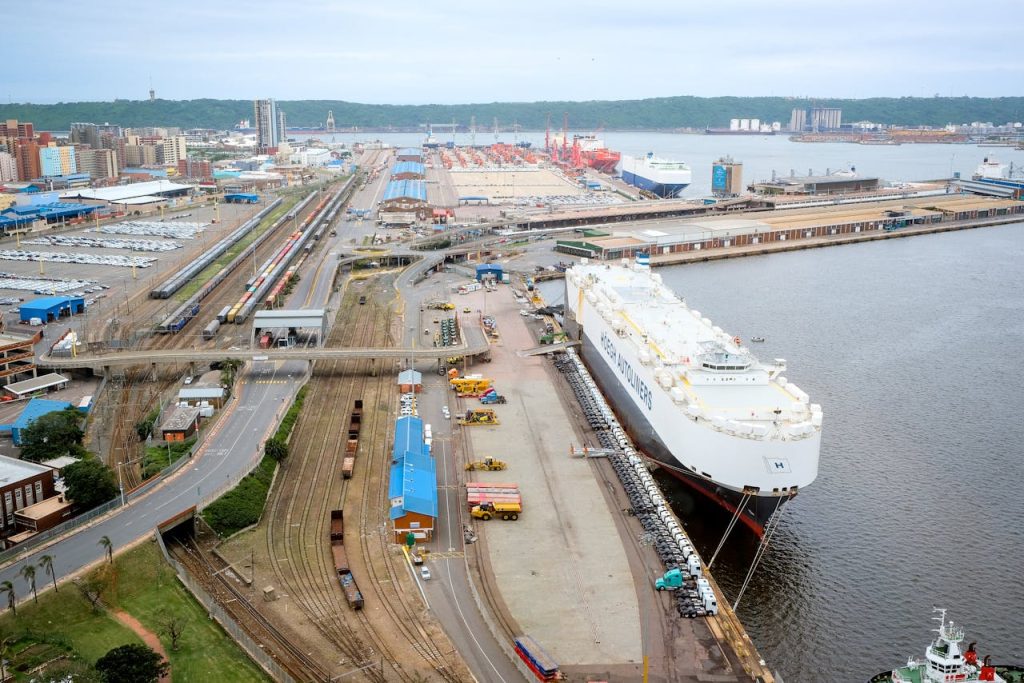
The infrastructure being built for the Simandou mining project—specifically the 600km railway—is being opened for multi-user access. This is a game-changer for Sustainable Farming Guinea, as it allows for the cost-effective transport of cereals from the interior to the Port of Conakry for regional export.
Technical Training and Local Content
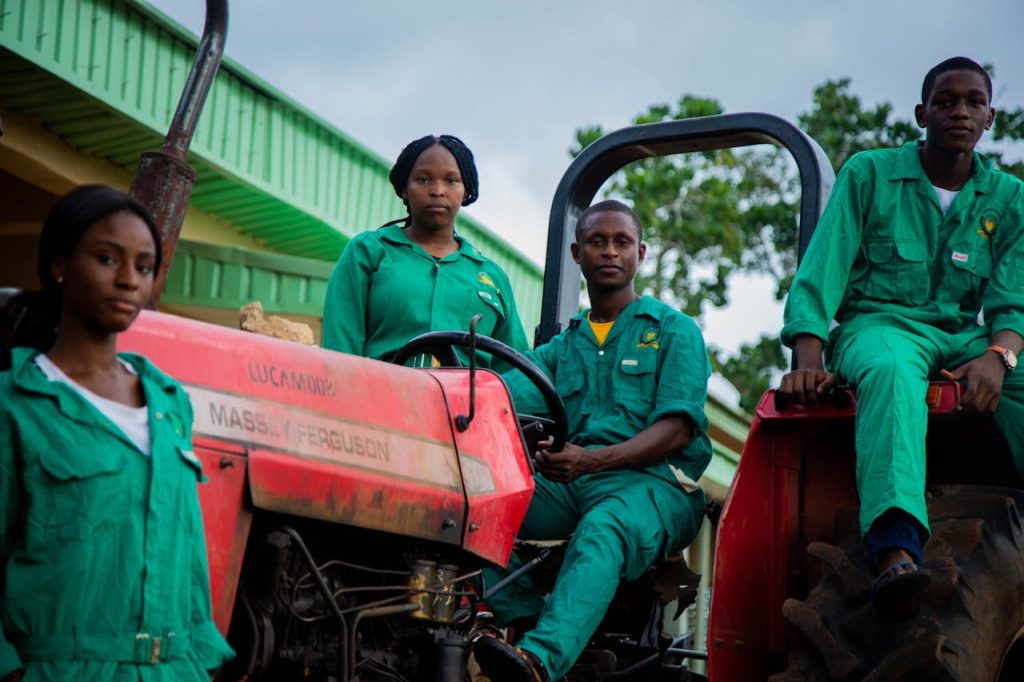
Success in Guinean agriculture depends on the local workforce. Successful investors are those who build training centers and work with local cooperatives. This not only ensures a high-quality labor force but also aligns with the UN Sustainable Development Goals (SDGs), making the project more attractive to development finance institutions (DFIs).
FAQ: Frequently Asked Questions
1. Is land ownership available for foreigners in Guinea?
Foreigners can secure long-term leases (up to 99 years) which are legally robust and can be used as collateral. Direct ownership is generally reserved for the state, but these long-term “Emphyteutic leases” provide all the security necessary for industrial-scale farming.
2. How does the “Water Tower” status help agriculture?
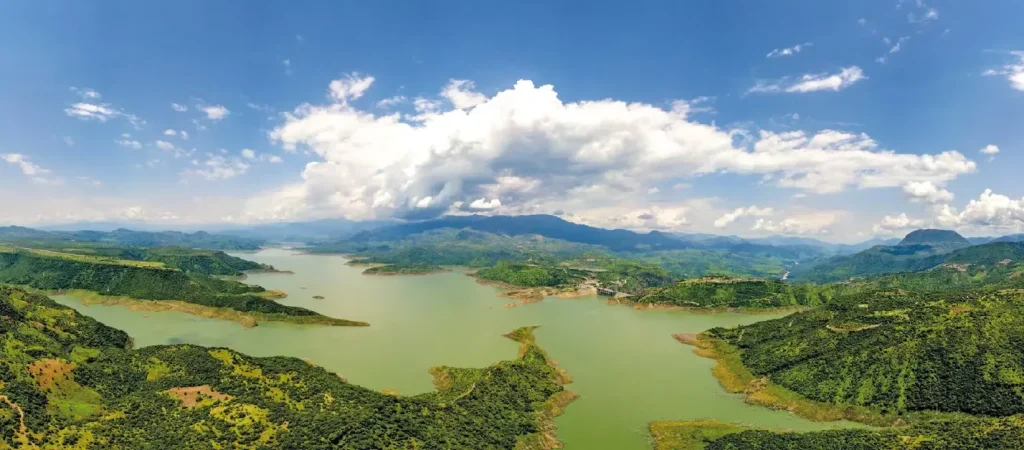
Guinea is the source of the Niger, Senegal, and Gambia rivers. This means the country has a natural surplus of fresh water for irrigation, reducing the risk of crop failure during the dry season compared to more arid Sahelian neighbors.
3. What is the average ROI for rice and maize in Guinea?
While it varies by scale, many industrial projects in Sustainable Farming Guinea are seeing ROIs of 15% to 22%. The high domestic price of rice and maize, driven by import substitution, ensures strong local margins.
4. Can I export my produce to neighboring countries?
Absolutely. As a member of ECOWAS, Guinea enjoys duty-free trade for agricultural products with 14 other West African nations, providing a total market of over 400 million people.
5. How does Yes Invest in Guinea assist with sustainability compliance?
We connect you with certified environmental consultants and help you implement ESG (Environmental, Social, and Governance) frameworks that meet both Guinean law and international standards like the World Bank’s IFC Performance Standards.
Conclusion: Seizing the Green Opportunity
The transition to Sustainable Farming Guinea is not just an idealistic vision; it is a pragmatic response to a global need for food security. With its unmatched natural assets, improving infrastructure, and pro-investor climate in 2026, Guinea offers a fertile ground for those ready to plant the seeds of a sustainable future.
Whether you are interested in a 5,000-hectare rice estate or a high-tech maize processing facility, the time to act is now. The “Green Revolution” of West Africa has a home, and it is in Guinea.
Ready to explore the fertile plains of Guinea? At Yes! Invest in Guinea, we are your strategic partner on the ground. From land due diligence to government liaison, we ensure your agricultural venture is built on a foundation of success.
Contact Yes Invest in Guinea today to receive our 2026 Agribusiness Investment Prospectus.