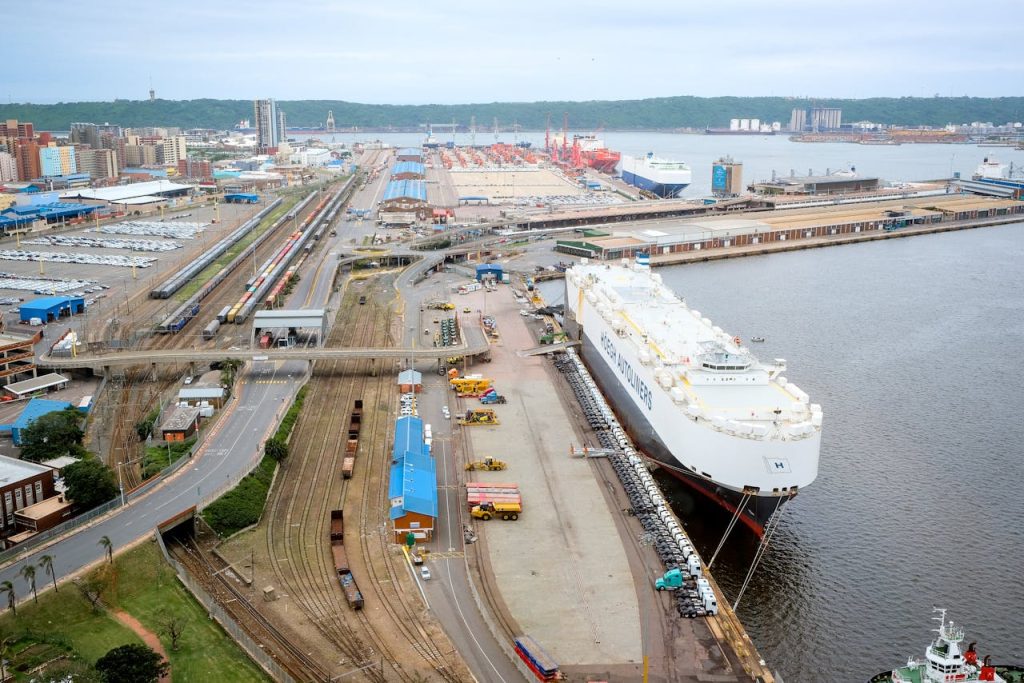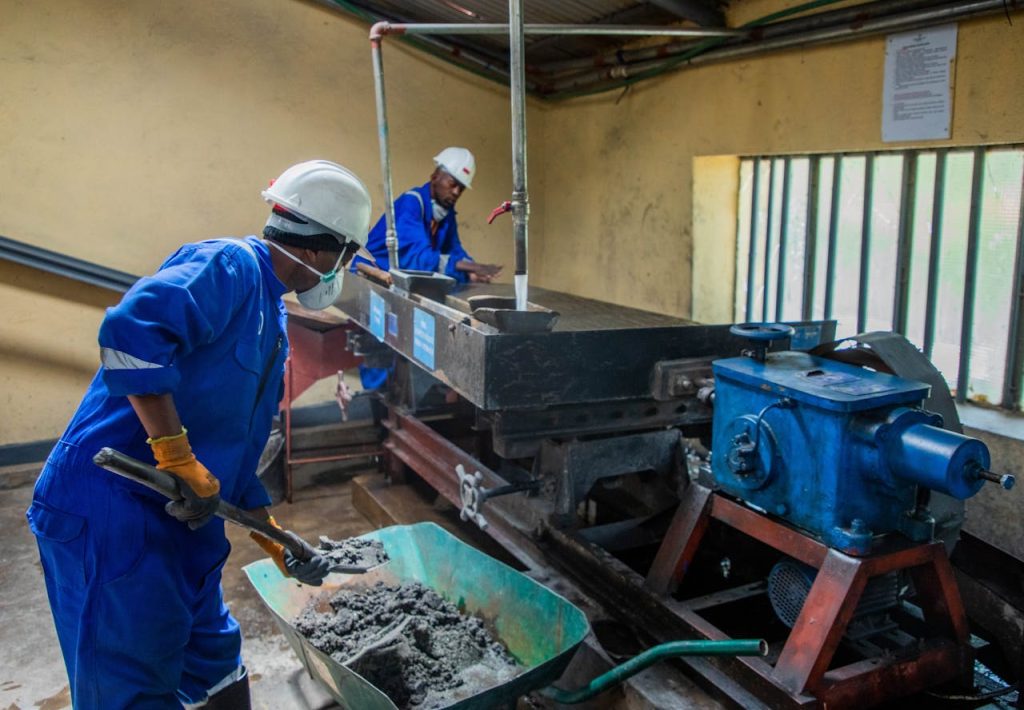
The Republic of Guinea is currently experiencing a historic economic transformation, led by the massive expansion of its mining sector. As global giants stabilize their operations in the bauxite, gold, and iron ore corridors, a secondary boom is quietly taking over the skyline: Office Space Guinea. In 2026, the demand for high-quality commercial real estate in mining hubs like Boké, Kamsar, and Siguiri has reached an all-time high, creating a lucrative frontier for property developers and institutional investors.
For international firms, having a presence in Guinea is no longer just about the mine site; it is about having a sophisticated operational base that reflects corporate standards. This shift is driving a “Flight to Quality,” where premium, secure, and technologically advanced office spaces are the most sought-after assets in West Africa. This article explores the drivers of this commercial real estate surge and the strategic opportunities for investors in Guinea’s mining-led urban centers.
The Drivers of Office Space Demand in 2026
The transition from temporary site offices to permanent, Grade-A commercial buildings is fueled by the maturation of Guinea’s industrial landscape.
1. The Decentralization of Corporate Operations
While Conakry remains the administrative heart, major mining firms are increasingly moving their decision-making and logistics teams closer to the source. Hubs like Boké are no longer just transit points; they are becoming regional corporate centers. This decentralization requires “Ready-to-Use” office spaces that can house engineering, HR, and legal departments.
2. The Multiplier Effect of the Simandou Project
The development of the Simandou iron ore project has brought thousands of subcontractors, consultants, and service providers to the country. These secondary businesses ranging from environmental firms to specialized logistics providers all require professional Office Space Guinea to operate effectively and meet the compliance standards of their multinational clients.
3. Modernization and Digital Connectivity
According to the World Bank, infrastructure development in West Africa is a primary driver for private sector growth. Guinea’s investment in fiber optic networks and stable energy has made it possible for modern office buildings to offer high-speed internet and 24/7 power, which are non-negotiable requirements for global firms in 2026.
Strategic Opportunities in Commercial Real Estate
Investors looking to capitalize on the mining boom should focus on three specific niches within the commercial property market.
Grade-A Executive Suites and Serviced Offices
There is a critical shortage of Grade-A office buildings that meet international safety (OHS) and fire standards. Investors who develop serviced offices fully furnished spaces with shared reception, high-speed Wi-Fi, and conference facilities can command premium rental rates and secure long-term leases from blue-chip tenants.
Mixed-Use Business Plazas
In mining hubs, the “Live-Work-Play” model is becoming highly popular. Developing business plazas that combine ground-floor retail and banks with upper-floor premium office space provides a one-stop solution for professionals. These developments often become the focal point of the local economy.
Specialized Logistics and Mining Administrative Hubs
Beyond general office use, there is a niche for “Operations Centers” that include laboratory spaces, secure storage for geological samples, and large-scale data processing rooms. These specialized facilities are highly attractive to mining exploration companies and technical consultants.
Why Invest in Mining Hub Real Estate Now?
The 2026 investment landscape in Guinea is characterized by high demand, low vacancy rates, and significant government support.
- Attractive Rental Yields: Due to the scarcity of premium space, commercial rental yields in Guinea’s mining hubs often outperform those in more mature African markets, with double-digit ROI common for early-stage developments.
- Pro-Investment Regulatory Framework: Under the latest investment codes, large-scale real estate projects that support industrial growth may be eligible for customs duty exemptions on construction materials and VAT relief during the development phase.
- OHADA Legal Protections: As a member of the OHADA framework, Guinea provides a standardized and transparent legal system for commercial leases, ensuring that property owners and tenants have clear rights and recourse.
Navigating the Development Process in Guinea
- Strategic Site Selection: Proximity to port terminals, rail heads, or major mining concessions is vital. In 2026, land along the “Boké-Conakry Corridor” is particularly valuable.
- Compliance and Titling: Ensuring a clear “Titre Foncier” (Land Title) is the foundation of any successful project. Working with a local partner to verify land history is essential.
- Sustainable Design: In a tropical climate, “Green Building” practices such as passive cooling, solar integration, and water recycling—significantly reduce operational costs for tenants and improve the asset’s value.
- Local Content Integration: Utilizing local construction firms and materials not only supports the Guinean economy but also facilitates smoother permitting and community relations.
FAQ: Office Space Guinea
- Which mining hubs have the highest demand for office space?
Boké and Kamsar lead the demand due to bauxite exports, followed closely by Kankan and Siguiri for gold mining. The Forest Region is also seeing a rise in demand due to the Simandou project.
- Are commercial leases typically paid in local currency or USD/EUR?
In the premium segment, many commercial leases for international mining firms are indexed to major currencies to protect investors against inflation and currency fluctuations.
- What is the typical lease duration for mining-related tenants?
Major firms usually seek long-term stability, with lease agreements typically ranging from 3 to 10 years, often with options for renewal.
- Can foreign developers own 100% of their commercial assets?
Yes. Guinea allows for 100% foreign ownership of commercial property through a locally registered company, provided all zoning and land registration laws are followed.
- How can Yes! Invest Guinea assist with my real estate project?
Yes! Invest Guinea provides market intelligence, identifies prime land for development, handles legal due diligence on titles, and connects you with reputable local contractors and international tenants.
Conclusion: Building the Pillars of Industry
The economic rise of the Republic of Guinea requires more than just mines; it requires the infrastructure of modern business. Office Space Demand: Commercial Real Estate in Mining Hubs represents a strategic opportunity to provide the operational foundation for the world’s leading mining companies. In 2026, the real estate developers who recognize the shift toward professional, Grade-A hubs will be the ones who define the future of Guinea’s urban landscape.
The mines are active, the firms are arriving, and the space is needed. Now is the time to lay the first stone of your commercial legacy.
Secure Your Commercial Asset with Yes! Invest Guinea
At Yes! Invest Guinea, we are your strategic gateway to the Guinean property market. From land acquisition to tenant placement, our team provides the local intelligence and institutional access you need to thrive.
Contact Yes! Invest Guinea today to receive our 2026 Mining Hub Real Estate Investment Prospectus.