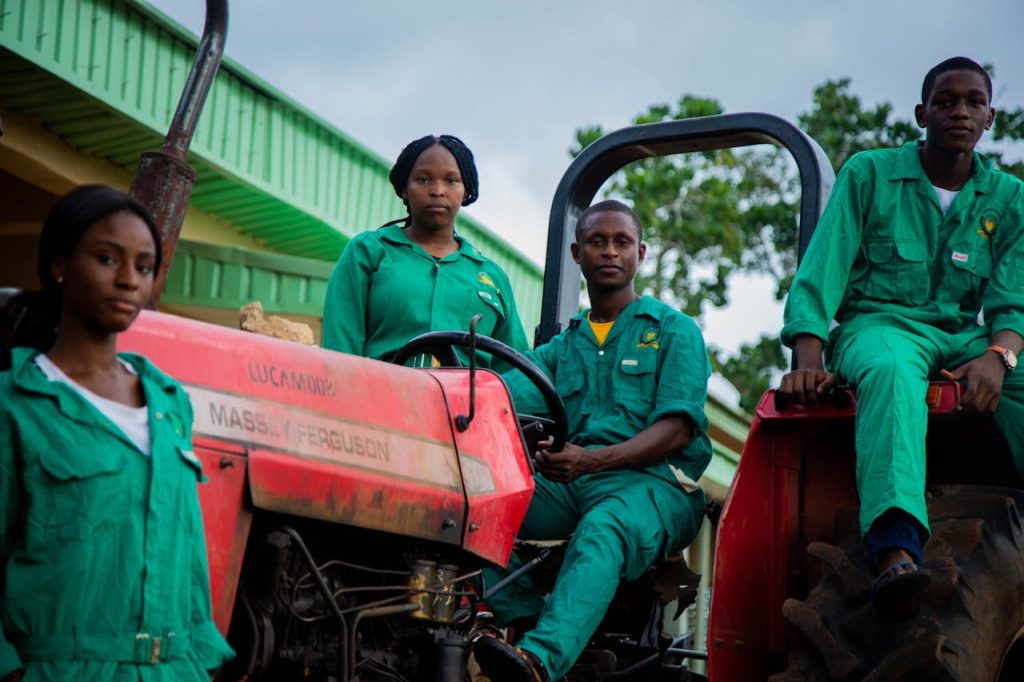
The global energy transition has reached a critical inflection point in 2026. As nations scramble to meet net-zero targets, the focus has shifted from intermittent renewables to stable, high-density power solutions. In the Republic of Guinea, a nation synonymous with vast mineral wealth and hydroelectric potential, a new frontier is opening: Fuel Cell Technology. By harnessing chemical energy to produce electricity with zero local emissions, fuel cells offer a transformative path for Guinea’s mining, transport, and telecommunications sectors.
For institutional investors, energy pioneers, and industrial giants, Fuel Cell Technology: Clean Energy Adoption in Guinea represents the ultimate synergy between technological innovation and natural resource management. At Yes! Invest Guinea, we recognize that the “Hydrogen Economy” is not just a future possibility it is the strategic bedrock for Guinea’s decentralized industrial revolution. This article explores the technical advantages of fuel cells, their specific applications in the Guinean context, and the fiscal roadmap making 2026 the year for hydrogen investment.
Understanding the Hydrogen Edge: Why Fuel Cells?
Fuel cell technology generates electricity through an electrochemical reaction between hydrogen and oxygen, producing only water and heat as byproducts. Unlike batteries, which store energy, fuel cells produce it as long as fuel is supplied.
1. Reliable Baseload for Remote Operations
Guinea’s geography often places its most valuable assets mines and agricultural hubs far from the national grid. While solar is effective, its intermittency requires massive battery storage. Fuel Cell Technology provides a constant, 24/7 power supply, making it an ideal baseload partner for remote Renewable Energy Projects. According to the International Energy Agency (IEA), hydrogen-based power is essential for decarbonizing “hard-to-abate” sectors like heavy mining and long-haul shipping.
2. High Energy Density and Scalability
Fuel cells offer a much higher energy density than traditional lithium-ion batteries. This makes them particularly suited for heavy-duty applications, such as the massive hauling trucks used in the Simandou iron ore project or the bauxite mines of Boké. By adopting fuel cell electric vehicles (FCEVs), mining companies can reduce their carbon footprint while maintaining or even exceeding the operational uptime of diesel-powered fleets.
Strategic Opportunities in Guinea’s Hydrogen Economy
The adoption of Fuel Cell Technology in Guinea is being driven by the need for localized, high-efficiency energy solutions that align with global ESG mandates.
1. Green Hydrogen Production via Hydropower
Guinea is the “Water Tower of West Africa.” This abundance of water, combined with surplus hydroelectric power from dams like Souapiti, creates the perfect environment for “Green Hydrogen” production via electrolysis.
- The Opportunity: Establishing industrial-scale electrolyzers to produce hydrogen using clean hydro-power.
- The ROI: This hydrogen can then be used in fuel cells to power the national rail network or exported as a high-value “Green Commodity” to European markets seeking to fulfill their Green Deal obligations.
2. Decarbonizing the Mining Supply Chain
The mining sector is Guinea’s economic engine, but it is also the largest consumer of fossil fuels.
- The Opportunity: Replacing diesel generators at mine sites with stationary fuel cell power plants.
- The ROI: Beyond environmental benefits, fuel cells offer lower maintenance costs and higher reliability. This transition is a key component of ESG Investing in Guinea, attracting lower-cost capital from impact-focused funds.
3. Backup Power for Digital Infrastructure
As Guinea expands its Data Centers Guinea and Broadband and Fiber Optics networks, the need for zero-failure backup power is paramount.
- The Opportunity: Utilizing small-scale hydrogen fuel cells to replace lead-acid batteries and diesel backups at telecom towers and data hubs.
- The ROI: Fuel cells provide longer runtimes and perform better in the high-humidity environments typical of coastal Guinea.
Why Invest in Clean Tech in Guinea Now?
The 2026 regulatory environment in Guinea has been specifically tailored to reward pioneers in the clean energy space through the Invest in Guinea framework.
1. The 2026 Green Energy Incentive Suite
The government has introduced the “Hydrogen Roadmap,” which offers:
- Tax Holidays: Up to 15 years of corporate income tax exemption for projects involving green hydrogen production or fuel cell assembly.
- Customs Waivers: 100% duty-free importation of fuel cell stacks, reformers, and specialized hydrogen storage tanks.
- R&D Grants: Access to the National Innovation Fund for projects that involve Vocational Training Centers in hydrogen technology.
2. Strategic Location and Export Potential
Guinea’s Atlantic coastline makes it a natural hub for the global hydrogen trade. Hydrogen produced in Guinea can be liquified or converted to ammonia and shipped to global markets more efficiently than from landlocked producers. This positions Guinea as a strategic partner for the global Broadband and Fiber Optics and industrial energy networks.
3. Legal Security via OHADA
For international technology investors, the protection of intellectual property and physical assets is guaranteed under the OHADA legal framework. This provides a transparent, standardized system for commercial contracts and long-term energy purchase agreements (PPAs), ensuring that your investment in Fuel Cell Technology is legally robust.
Roadmap for Fuel Cell Adoption in Guinea
- Feasibility and Site Selection: Identifying areas with high water availability and existing renewable energy surpluses. Use Yes! Invest Guinea to navigate the zoning and Legal and Regulatory Assistance process.
- Infrastructure Integration: Designing “Hydrogen Hubs” where production, storage, and consumption are co-located to minimize transport costs.
- Strategic Partnerships: Partnering with international fuel cell manufacturers to facilitate “Technology Transfer” and local assembly, qualifying for SME and Local Content incentives.
- Licensing and Permitting: Navigating the regulatory requirements of the Ministry of Energy and the Ministry of Environment through a streamlined “One-Stop Shop.”
FAQ: Fuel Cell Technology Guinea
- Is Fuel Cell Technology safe for use in the Guinean climate?
Yes. Modern fuel cells are designed to operate in a wide range of temperatures and high humidity. In fact, their lack of moving parts makes them more resilient to dust and tropical conditions than traditional internal combustion engines.
- How does the cost of hydrogen power compare to diesel in 2026?
While the initial CAPEX is higher, the total cost of ownership (TCO) for fuel cells is becoming increasingly competitive due to lower maintenance costs and the rising price of carbon-heavy fuels. In Guinea, the abundance of hydro-power makes local hydrogen production significantly cheaper than imported diesel.
- Can fuel cells be used for residential power?
While currently focused on industrial and Commercial Real Estate applications, “Micro-CHP” (Combined Heat and Power) fuel cells for residential use are an emerging opportunity for high-end urban developments in Conakry.
- Does Guinea have the skilled workforce to maintain this technology?
The government is actively partnering with Vocational Training Centers to create specialized “Green Tech” curricula, ensuring a steady pipeline of Guinean engineers and technicians.
- How can Yes! Invest Guinea assist my energy project?
Yes! Invest Guinea acts as your local strategic partner identifying prime locations, securing “Strategic Project” status for tax waivers, and facilitating Government and Institutional Liaison.
Conclusion: Powering Guinea’s Zero-Emission Future
The transition to Fuel Cell Technology is the ultimate expression of Guinea’s industrial maturity. By combining its massive water resources with world-class electrochemical technology, Guinea is not just adopting clean energy; it is becoming a leader in the global energy transition.
In 2026, the “Hydrogen Highway” begins in Guinea. The investors who build the infrastructure for fuel cells today will lead the most efficient, clean, and profitable energy market of the next fifty years.
Energize Your Portfolio with Yes! Invest Guinea
At Yes! Invest Guinea, we are the architects of your clean energy success. From the first feasibility study to the final grid connection, our team provides the local intelligence and institutional access you need to win.
Contact Yes! Invest Guinea today to receive our 2026 Hydrogen & Clean Energy Investment Prospectus.