The economic landscape of West Africa is witnessing a seismic shift, with the Republic of Guinea positioned at the epicenter of this transformation. In 2026, the narrative surrounding Guinea’s economic trajectory has evolved from raw potential into a sophisticated, multi-sectoral industrial engine. Driven by massive infrastructure projects, a revamped investment code, and a strategic pivot toward value-added processing, Guinea is now outperforming many of its regional peers.
At Yes! Invest Guinea, we track the pulse of these industrial shifts to provide investors with high-yield entry points. This article explores the core industries that are currently acting as the primary catalysts for Guinea’s unprecedented economic expansion.
1. The Mining Revolution: Moving Downstream
Mining remains the bedrock of the Guinean economy, but the strategy for 2026 is defined by “local transformation” rather than simple extraction.
The Simandou Iron Ore Project
The world’s eyes are on Simandou. As the largest high-grade iron ore deposit on the planet begins its full-scale production cycles, it has brought with it the Trans-Guinean Railway a logistics spine that has slashed operational costs for industries across the nation. This project alone is expected to double Guinea’s GDP over the next decade.
Bauxite and the Alumina Shift
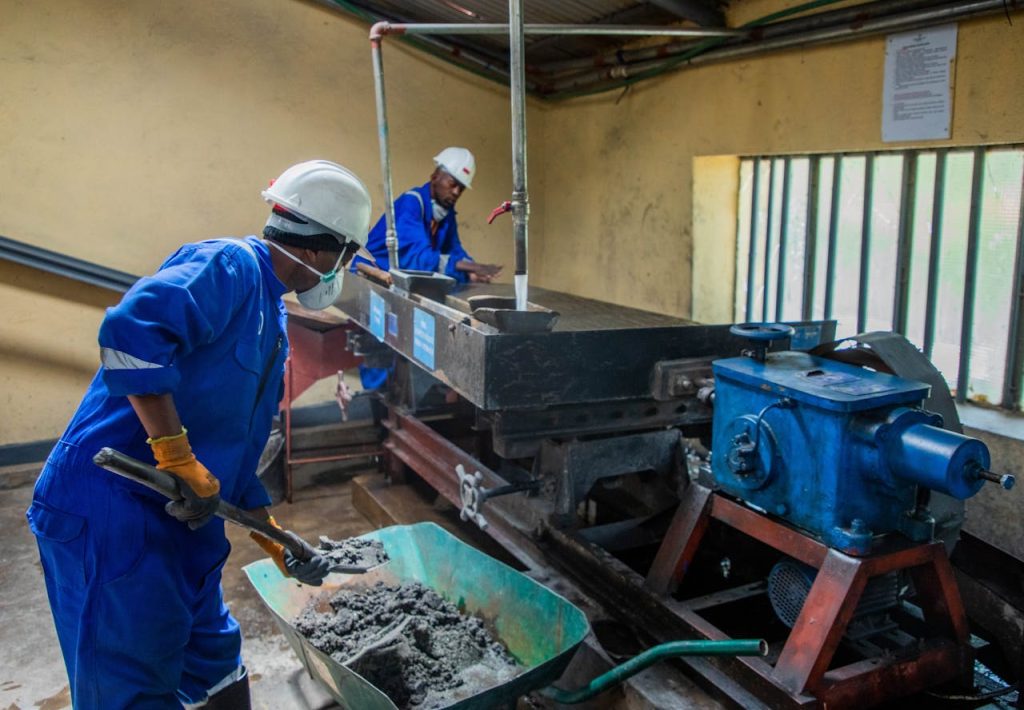
Guinea holds the world’s largest bauxite reserves. In 2026, the government’s mandate for local alumina refineries has turned the country from a raw ore exporter into a processing hub. Investors are increasingly focusing on the Mining and Natural Resources sector to capitalize on this shift from mining to manufacturing.
2. Agribusiness: Beyond Subsistence to Global Export
Agriculture is the largest employer in Guinea, and in 2026, it has become a major contributor to foreign exchange earnings through professionalization.
The Success of Agro-Processing
The most dynamic growth in the agricultural sector is seen in Agro-Processing. Guinea is no longer just growing nuts and fruits; it is processing them into export-ready goods.
- Cashew and Nut Processing: Strategic Nut Processing Units are now producing high-value kernels for the European and American markets.
- Tropical Fruit Industrialization: Canning and juice production facilities are meeting the demands of the rising West African middle class.
Sustainable Livestock and Fisheries
With its extensive coastline and fertile highlands, Guinea has modernized its Fishing and Aquaculture industry. The integration of modern cold-chain logistics and industrial trawling fleets has made Guinea a key protein supplier for the Mano River Union.
3. The Digital Economy and Innovative Tech
The expansion of a 12,000 km fiber-optic backbone has triggered a digital revolution that is permeating every other industry.
Fintech and Financial Inclusion
As the economy grows, the demand for Financial and Administrative Services has led to a boom in Fintech. Mobile banking and digital payment systems are now the standard, facilitating trade in even the most remote mining outposts.
EdTech and Vocational Training
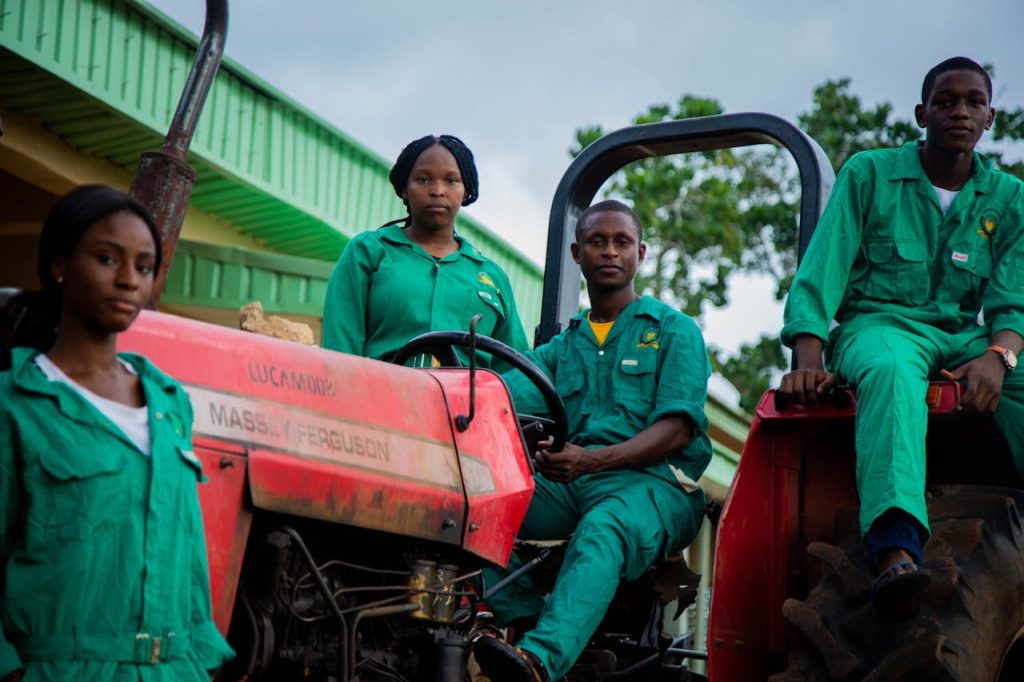
To support industrial growth, Guinea is investing heavily in its human capital. EdTech Solutions are bridging the gap between urban and rural education, while new vocational centers are training the next generation of engineers and technicians for the Simandou corridor.
4. Renewable Energy: Powering Industrialization
Guinea is often called the “Water Tower of Africa,” and in 2026, it is finally leveraging this status to achieve energy sovereignty.
Hydroelectric Power
Large-scale dams like Souapiti and Kaléta are now reaching peak efficiency, providing the base load needed for alumina smelters. This surplus energy is also being exported to neighboring countries, making Guinea a regional energy hub.
Decentralized Microgrids
For the agribusiness and tourism sectors, Microgrid Systems utilizing solar and hybrid technology have become the most profitable way to ensure 24/7 power in decentralized locations.
5. Strategic Infrastructure and Real Estate
The physical transformation of Conakry and strategic regional hubs like Kamsar and Nzérékoré is creating a massive boom in the construction sector.
Industrial Parks and Warehousing
As trade through the AfCFTA (African Continental Free Trade Area) grows, the demand for Industrial Parks and Warehousing has skyrocketed. These “Smart Zones” are equipped with fiber optics and dedicated power lines, attracting manufacturers from Asia and Europe.
Hospitality and Business Hubs
The influx of international consultants and executives has led to a shortage of Grade-A office spaces. Investment in Office Parks and Business Hubs currently offers some of the highest rental yields in West Africa.
Frequently Asked Questions (FAQ)
- What makes Guinea’s economic growth different in 2026 compared to previous years?
The primary difference is diversification and value-addition. Guinea is moving away from being a single-commodity exporter to an industrial processor in mining and agriculture.
- Is it safe for foreign investors to enter the Guinean market now?
Yes. Guinea operates under OHADA Law, which provides a standardized and transparent legal framework for business across West Africa, ensuring investor protection.
- How is the government supporting new industrial players?
Through the 2026 Investment Code, which offers tax holidays, customs exemptions for equipment, and simplified registration through APIP (Agency for the Promotion of Private Investments).
- What is the impact of the Simandou project on other industries?
Simandou has provided the “Trans-Guinean Railway,” which acts as a logistics spine, making it cheaper and faster to transport agricultural goods and industrial supplies across the country.
- How can Yes! Invest Guinea help me start my project?
We provide the “Institutional Concierge” service, helping you with everything from market entry strategy and land acquisition to International Recruitment and legal compliance.
Conclusion: Capitalizing on the Guinean Momentum
Guinea’s economic trajectory in 2026 is characterized by resilience and rapid modernization. For the global investor, the opportunity lies in the synergy between natural resources and technological adoption. By moving into sectors like agro-processing, digital infrastructure, and renewable energy, you are not just investing in a country you are investing in the future of the African continent.
Secure Your Investment with Yes! Invest Guinea
At Yes! Invest Guinea, we don’t just provide data; we provide the local intelligence and institutional access required to succeed in West Africa’s most exciting market.
Contact our team today to explore your 2026 investment roadmap in Guinea.