As West African urban centers experience rapid demographic shifts, the demand for sustainable and inclusive urban development has never been higher. In the Republic of Guinea, the intersection of population growth and urbanization has created a significant gap in the housing market. In 2026, Affordable Housing Projects Guinea are no longer seen just as social initiatives; they have matured into a high-yield, “Social Impact” real estate asset class that attracts institutional capital from across the globe.
Investing in Affordable Housing in Guinea offers a unique opportunity to generate stable financial returns while addressing a critical social need. By focusing on middle-to-low-income developments, international investors can tap into a massive, underserved market that is supported by government incentives and a growing local middle class. This article explores the current trends in Guinea’s real estate sector and the roadmap for successful social impact investing.
The Growing Demand for Urban Housing in Guinea
Guinea’s urban population is growing at an unprecedented rate, driven by the expansion of the mining, energy, and service sectors. However, the supply of quality, affordable residential units has not kept pace with this migration.
1. The Urbanization Challenge
Conakry, the nation’s capital, along with regional hubs like Boké and Kamsar, is facing a severe housing deficit. This has led to high rental costs in the city centers and a push toward the suburbs. Investors who can deliver large-scale, cost-effective housing solutions are positioned to capture this “mass-market” demand.
2. The Rise of Social Impact Investing
Global investment trends are increasingly prioritizing ESG (Environmental, Social, and Governance) criteria. Affordable Housing fits perfectly into this framework, offering “Social Impact” by providing secure, clean, and dignified living conditions for thousands of Guinean families. According to the World Bank, affordable housing is a primary driver of social stability and economic productivity in emerging economies.
Strategic Opportunities in 2026
The Guinean real estate market in 2026 offers diverse entry points for developers, technology providers, and impact funds.
Large-Scale Residential Masterplans
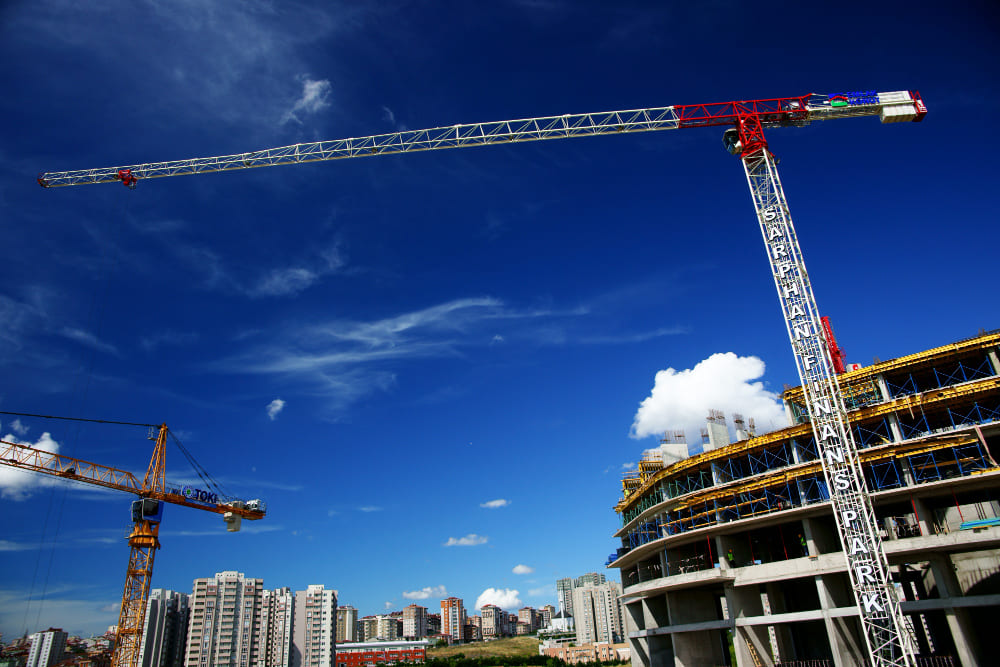
The government is encouraging the development of “Satellite Cities” on the outskirts of Conakry. These projects combine residential units with essential social infrastructure like schools, clinics, and markets. By utilizing industrial construction techniques such as pre-cast concrete or 3D printing investors can achieve the economies of scale necessary for Affordable Housing Projects.
Employer-Led Housing Schemes
The booming mining sector provides a unique opportunity. Major corporations operating in the interior of Guinea require housing for their large workforces. Investors can partner with these companies to develop “Company Towns” or employee housing complexes that guarantee 100% occupancy rates through long-term corporate leases.
Sustainable and “Green” Affordable Housing
In 2026, there is a strong preference for homes that incorporate solar power, rainwater harvesting, and energy-efficient materials. These “Green” affordable homes lower the cost of living for tenants and are increasingly eligible for specialized green financing from international development banks.
Why Invest in Guinea’s Housing Sector Now?
The Republic of Guinea has modernized its regulatory landscape to make real estate development more accessible and secure for foreign capital.
Government Incentives for Social Housing
Under the National Social Housing Program, the government provides several key benefits to developers:
- Tax Exemptions: Significant relief on corporate income tax for developers focused on certified social housing projects.
- Customs Duty Reductions: Lowered duties on imported construction materials and equipment that are not available locally.
- Administrative Facilitation: A “one-stop shop” for construction permits and land titles for projects that meet affordable housing criteria.
Legal Security and OHADA Framework
As a member of the OHADA (Organization for the Harmonization of Business Law in Africa) framework, Guinea provides a transparent and standardized legal environment. Property rights and commercial leases are governed by robust laws, ensuring that investor assets are protected and that contracts are enforceable.
Overcoming Challenges with Modern Technology
To maintain the “Affordable” label, developers in Guinea are turning to innovative construction methods.
- Prefabricated Construction: Using modular systems reduces construction time by up to 50% and significantly lowers labor costs.
- Local Material Innovation: Utilizing compressed earth blocks (CEB) or local bamboo reduces the reliance on expensive imported materials like cement and steel.
- Fintech for Mortgages: The rise of mobile money and digital banking in Guinea is beginning to solve the “mortgage gap,” making it easier for local buyers to access the credit needed to purchase these homes.
FAQ: Affordable Housing Guinea
- What defines “Affordable Housing” in the Guinean context?
Typically, these are units priced for the middle-to-low-income segment of the population, often supported by government-negotiated price ceilings or subsidized interest rates for buyers.
- Is land title secure for foreign real estate developers?
Yes. Guinea utilizes a formal “Titre Foncier” (Land Title) system. Working with Yes! Invest Guinea ensures that all due diligence on land ownership is completed thoroughly before capital is deployed.
- What are the typical returns on investment (ROI) for social housing?
While margins per unit are lower than luxury real estate, the high volume and government tax incentives often result in an Internal Rate of Return (IRR) of 12% to 18%, with much lower vacancy risks.
- Are there “Green Building” standards in Guinea?
While the government is still developing formal standards, many investors follow international IFC EDGE certification guidelines to attract green financing.
- How can Yes! Invest Guinea help with my housing project?
We assist in identifying prime development sites, navigating the Ministry of Urbanism for permits, and connecting developers with institutional off-takers and vetted local contractors.
Conclusion: Building a Sustainable Urban Future
The need for high-quality, inclusive living spaces is the heartbeat of Guinea’s economic growth. Affordable Housing Projects: Social Impact Real Estate in Guinea represent a rare alignment of profit and purpose. By investing in the homes of the future, you are investing in the stability and prosperity of a nation.
In the landscape of 2026, the developers who solve the housing puzzle will be the ones who define the future of West African cities. Guinea is ready for a housing revolution, and the foundation is already laid.
Construct Your Success with Yes! Invest Guinea
At Yes! Invest Guinea, we are your strategic partner in the real estate sector. From land acquisition to regulatory liaison, our team provides the local intelligence you need to build with confidence.
Contact Yes! Invest Guinea today to receive our 2026 Real Estate & Social Housing Market Report.