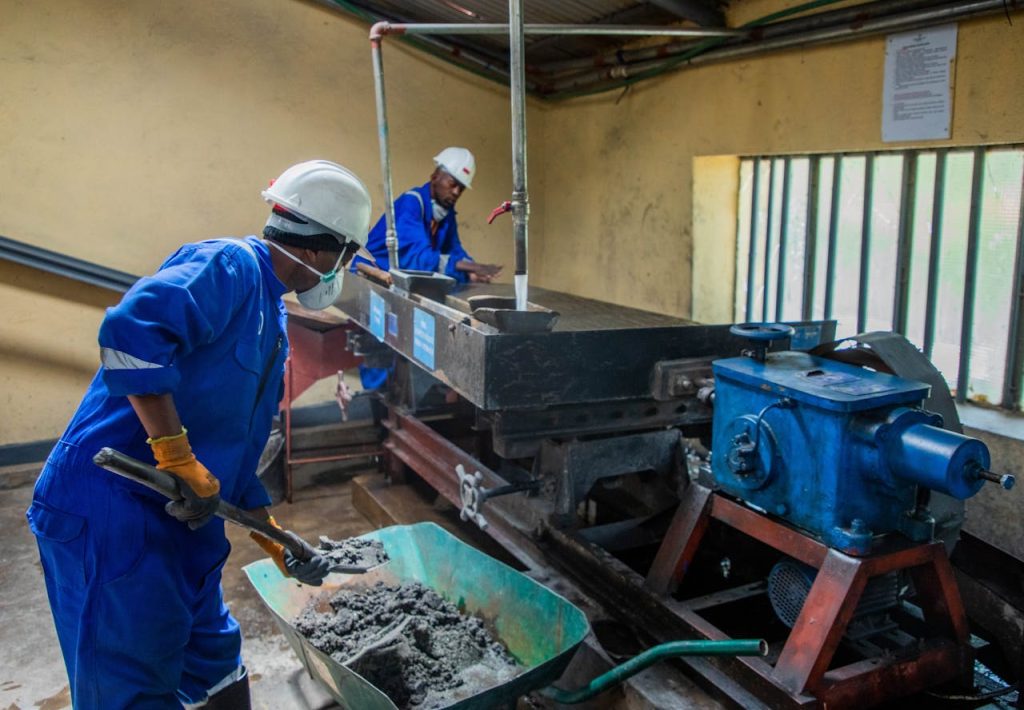
The Republic of Guinea stands at a pivotal moment in its industrial history. For decades, the nation has been recognized as a global leader in upstream mining, holding the world’s largest reserves of bauxite. However, the year 2026 marks a strategic shift from being a raw material exporter to becoming a regional industrial powerhouse. The focus has moved toward Downstream Mining Investments Guinea, specifically the establishment of aluminum smelting facilities. This transition represents the “Holy Grail” of Guinean industrialization, promising to multiply the nation’s GDP and provide investors with unprecedented vertical integration opportunities.
As global demand for lightweight, infinitely recyclable aluminum surges driven by the electric vehicle (EV) revolution and sustainable aerospace engineering Guinea is no longer just a source of ore. It is becoming the destination for value-added manufacturing. This article explores the economic landscape of aluminum smelting in Guinea, the infrastructure catalysts in place, and why the current regulatory environment makes 2026 the ideal window for downstream capital entry.
The Strategic Shift: From Bauxite to Aluminum
To understand the scale of the opportunity, one must look at the value chain. Bauxite is the raw ore; alumina is the refined chemical; and aluminum is the final industrial metal. Traditionally, Guinea exported the bulk of its bauxite to be refined and smelted elsewhere.
1. Capturing the Value Gap
The price difference between a ton of raw bauxite and a ton of primary aluminum is massive. By localizing the smelting process, Guinea aims to capture this value gap domestically. For investors, this means significantly reduced transportation costs eliminating the need to ship heavy, low-value ore across oceans and gaining direct access to the source material. According to the International Aluminium Institute (IAI), global demand for primary aluminum is expected to rise by 40% by 2030, placing Guinea in a prime position to meet this deficit.
2. The Simandou and Infrastructure Catalyst
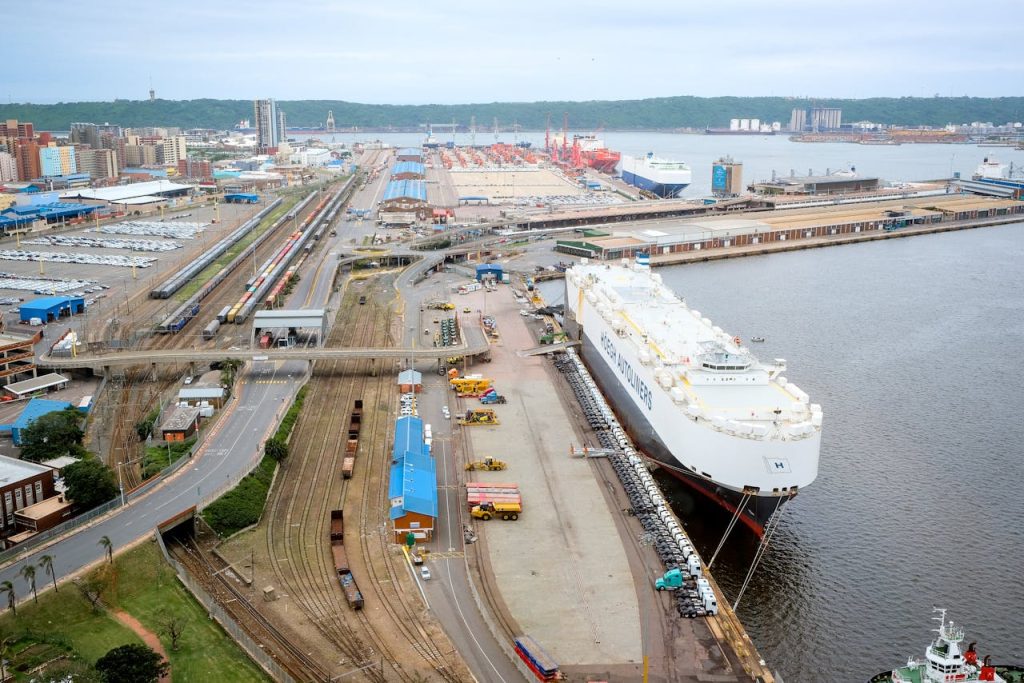
The massive infrastructure projects currently nearing completion, including the Trans-Guinean railway and the expansion of deep-water ports, have created a “logistics spine” that supports heavy industry. Aluminum smelting requires a robust supply chain, and for the first time in history, Guinea has the integrated rail and port capacity to support large-scale downstream plants.
Critical Success Factors for Downstream Mining Investments
Aluminum smelting is an energy-intensive and capital-heavy endeavor. In 2026, Guinea has addressed the historical barriers to this sector through three critical pillars.
High-Capacity Energy Solutions
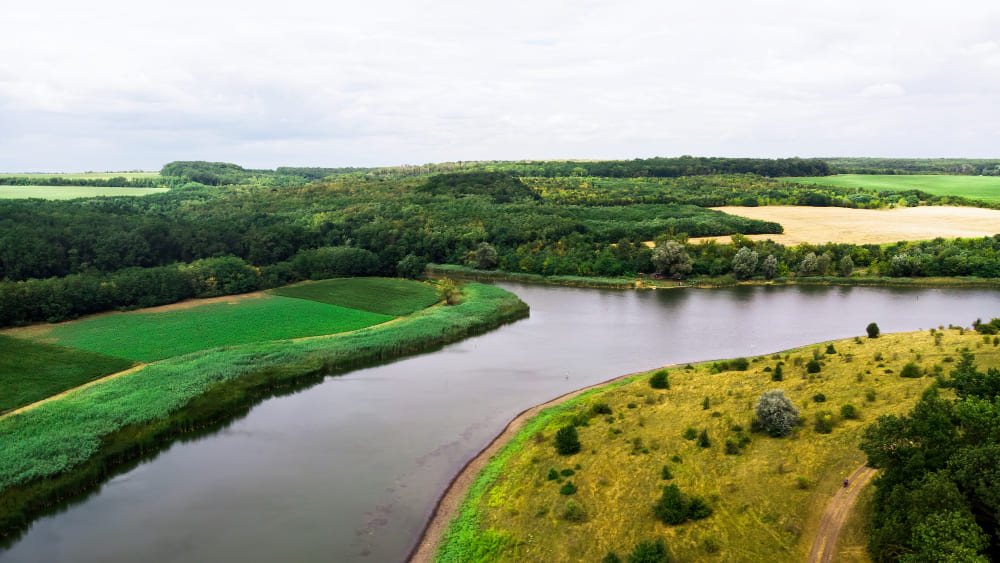
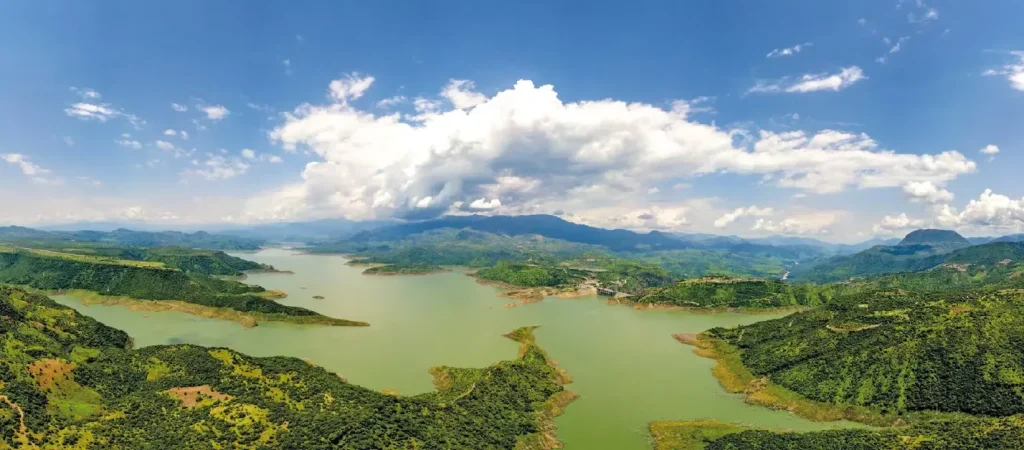
The “Water Tower of Africa” is finally realizing its power potential. The completion of the Souapiti and Amaria hydroelectric dams provides the consistent, low-cost, and renewable energy required for smelting.
- Green Aluminum: Because Guinea can power its smelters with hydropower, the resulting metal qualifies as “Green Aluminum.” In 2026, this carbon-neutral certification is essential for selling into the European and North American markets, where Carbon Border Adjustment Mechanisms (CBAM) penalize high-carbon imports.
Pro-Industrial Regulatory Framework
The Guinean government has implemented specific incentives for “Value-Addition” projects. Under the 2026 Investment Code, downstream mining projects benefit from:
- Tax Holidays: Extended corporate tax exemptions for integrated refinery-smelter complexes.
- Customs Waivers: 100% duty-free importation of specialized smelting equipment and industrial components.
- Stable Mining Conventions: Long-term legal stability that protects the heavy CAPEX required for smelting infrastructure.
Strategic Location and Trade Access
As a member of the African Continental Free Trade Area (AfCFTA), aluminum produced in Guinea can be exported duty-free across the African continent. Furthermore, its Atlantic coastline provides a direct shipping route to the industrial hubs of the US and the EU, bypassing the Suez Canal and other geopolitical chokepoints.
Investment Opportunities in the Downstream Value Chain
The push for Downstream Mining Investments Guinea creates a multiplier effect across several sub-sectors:
1. Primary Aluminum Smelters
The flagship opportunity lies in building large-scale smelters near the Boké and Kamsar bauxite hubs. These facilities serve as the anchor for an entire industrial ecosystem.
2. Anode Manufacturing and Carbon Plants
Smelting requires carbon anodes. Currently, these must be imported. Investors can establish local carbon plant facilities to supply the smelters, creating a secondary industrial niche.
3. Fabrication and Semi-Finished Products
Beyond primary ingots, there is a growing market for semi-finished products:
- Aluminum Extrusions: For the construction and window frame industry.
- High-Purity Foils: For the global battery and electronics sector.
- Automotive Alloys: Supplying the global EV supply chain directly from West Africa.
Why Invest in Guinea’s Downstream Sector Now?
The window of opportunity in 2026 is defined by the convergence of high global prices and a stable local environment.
- Market Dominance: Early investors in Guinean smelting will likely set the benchmark for West African aluminum production, securing long-term off-take agreements with global manufacturers.
- ESG Compliance: Smelting in Guinea allows companies to meet their ESG (Environmental, Social, and Governance) targets by utilizing renewable hydro-energy and fostering significant local economic development.
- Legal Security via OHADA: As an OHADA member state, Guinea offers a standardized commercial legal framework, ensuring that large-scale industrial contracts are enforceable and transparent.
Roadmap for Successful Downstream Entry
- Feasibility and Energy Assessment: Partner with the Ministry of Energy to secure long-term Power Purchase Agreements (PPAs) from the national hydroelectric grid.
- Strategic Site Selection: Focus on the “Special Economic Zones” (SEZs) near the port of Kamsar, which offer streamlined logistics and additional fiscal benefits.
- Local Content Integration: Build a workforce development plan in partnership with Guinean technical universities to ensure a steady supply of specialized industrial engineers.
- Partner with Yes! Invest Guinea: Leverage our institutional network to facilitate the “One-Stop Shop” registration process and secure the necessary industrial licenses.
FAQ: Downstream Mining Investments Guinea
- Why is aluminum smelting only becoming viable in Guinea now?
The primary barrier was always stable, low-cost energy. With the recent completion of several mega-hydroelectric projects, Guinea now has the surplus energy capacity to power energy-intensive smelting operations.
- What is the government’s stance on “Green Aluminum”?
The government is highly supportive of green industrialization. Smelting projects that utilize renewable energy receive additional “Green Credits” and faster permitting under the 2026 environmental guidelines.
- Are there specific zones designated for smelting?
Yes, the government has established Special Economic Zones (SEZs) specifically for heavy industry and mining value-addition near major port and rail infrastructure.
- Can a foreign investor own 100% of a smelting project?
Yes, Guinea allows 100% foreign ownership of industrial assets, although many investors choose to partner with local entities or the state to streamline community relations and local content compliance.
- How can Yes! Invest Guinea assist my industrial project?
Yes! Invest Guinea provides end-to-end support, including identifying industrial land, negotiating energy tariffs, navigating the regulatory “One-Stop Shop,” and identifying local service providers.
Conclusion: Building the Industrial Backbone of West Africa
The era of Guinea as a mere “quarry for the world” is ending. Aluminum Smelting: Downstream Mining Investments in Guinea represents the next phase of the nation’s economic evolution. In 2026, the transition from bauxite export to aluminum manufacturing is the single most significant industrial opportunity in Sub-Saharan Africa.
The resources are beneath the soil, the energy is flowing from the rivers, and the infrastructure is ready. For the investor who recognizes that the future of the green economy is made of aluminum, Guinea is the place to build that future.
Forge Your Industrial Future with Yes! Invest Guinea
At Yes! Invest Guinea, we specialize in turning industrial vision into commercial reality. From the first core sample to the first aluminum ingot, our team is your strategic partner on the ground.
Contact Yes! Invest Guinea today to receive our 2026 Downstream Mining & Smelting Report.