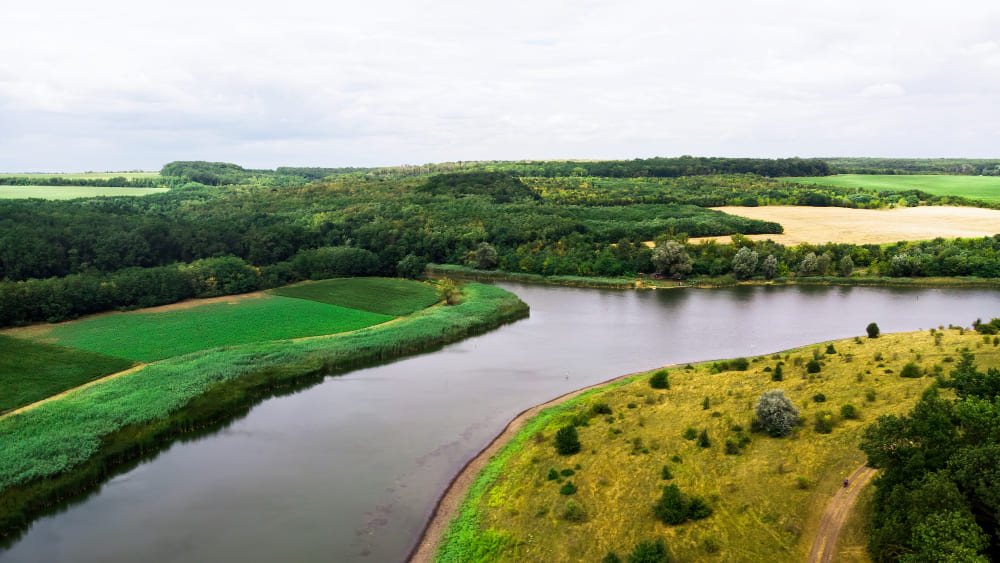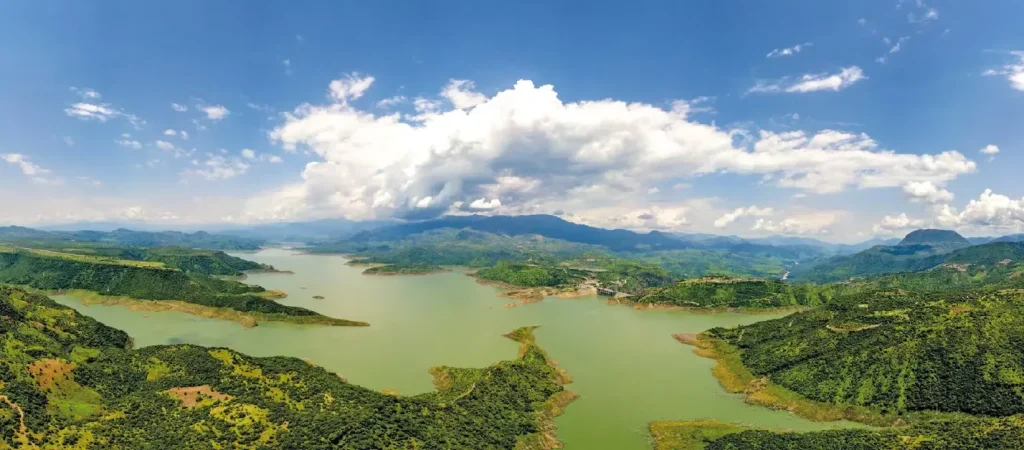
The Republic of Guinea is famously known as the “Water Tower of West Africa.” With over 1,300 rivers and an annual rainfall that far exceeds its regional neighbors, the nation’s hydroelectric potential is staggering. However, while massive dam projects like Souapiti and Kaléta provide power to the industrial core and urban centers, a significant portion of the rural population remains off the grid. In 2026, the focus has shifted toward a more agile, localized, and sustainable solution: Micro-Hydro Projects. These decentralized energy systems are the key to unlocking the economic potential of Guinea’s interior, providing a reliable foundation for agribusiness, education, and local manufacturing.
For international investors, engineering firms, and impact funds, Micro-Hydro Projects in Guinea represent a unique frontier. By harnessing the natural flow of small rivers without the environmental footprint of large-scale dams, these projects offer stable long-term returns and profound social impact. This article explores the technical feasibility, the investment landscape, and the strategic roadmap for bringing small-scale power to the heart of Guinea.
The Untapped Potential of Small-Scale Hydro in Guinea
Micro-hydro systems typically generate between 5kW and 100kW of power. Unlike large dams, they do not require massive reservoirs or the flooding of land; instead, they use “run-of-river” technology to divert a portion of the stream to drive a turbine.
1. Guinea’s Unique Topography
The highlands of Fouta Djallon and the Forest Region (Guinée Forestière) are characterized by steep gradients and year-round water flow. This geography is a “natural battery” for Micro-Hydro Projects. These regions are home to thousands of agricultural communities that currently rely on expensive, carbon-intensive diesel generators. According to the International Hydropower Association (IHA), small-scale hydro is the most cost-effective way to provide 24/7 renewable baseload power to remote mountainous areas.
2. Bridging the Rural Electrification Gap
In 2026, rural electrification remains a priority for the Guinean government. Large grid extensions are often logistically impossible or prohibitively expensive in rugged terrains. Micro-hydro offers a “Leapfrog” technology allowing villages to establish their own independent mini-grids that can eventually be interconnected. This decentralized approach aligns with the World Bank’s strategy for universal energy access in Sub-Saharan Africa.
Strategic Opportunities in Micro-Hydro Investment 2026
Investing in Micro-Hydro Projects in Guinea is not just about selling electrons; it is about powering a value chain.
1. Powering the Agribusiness Revolution
Agribusiness is the largest employer in rural Guinea. However, without power, farmers cannot process their harvests, leading to significant post-harvest losses.
- The Opportunity: Investors can develop “Energy-plus-Agriculture” hubs where micro-hydro power is used to run cold storage for Avocado Farming or milling machines for Spice Production. This creates a guaranteed “Anchor Tenant” for the power produced.
2. Technical Service and Maintenance Contracts
The sustainability of micro-hydro depends on maintenance. There is a massive demand for firms that can provide “Product-as-a-Service” models.
- The Opportunity: Establishing regional maintenance hubs that use remote monitoring and IoT sensors to manage multiple micro-hydro sites. This ensures high uptime and consistent revenue from Maintenance and Logistics agreements with local cooperatives.
3. Manufacturing of Small Turbines
Currently, most high-efficiency turbines are imported.
- The Opportunity: Setting up local assembly or Manufacturing and Industrialization units for cross-flow or Pelton turbines designed specifically for Guinea’s river profiles. This qualifies for significant “Local Content” incentives and reduces CAPEX for developers.
Why Invest in Rural Energy in Guinea Now?
The 2026 regulatory environment has been specifically “streamlined” to attract decentralized energy capital through the Invest in Guinea framework.
1. The 2026 Rural Electrification Incentives
The government has introduced the “Mini-Grid Regulatory Framework,” which provides:
- Tax Holidays: Up to 15 years of corporate tax exemption for renewable energy projects serving rural areas.
- Customs Waivers: 100% duty-free importation of turbines, governors, and transmission equipment.
- Feed-in Tariffs: Guaranteed pricing for any excess power that the mini-grid eventually sells back to the national utility (EDG).
2. ESG and Carbon Credit Integration
Micro-hydro projects are prime candidates for high-value carbon credits. Because they directly replace diesel generation, the “Carbon Displacement” value is high. In 2026, these projects can be bundled to access the global Impact Investing markets, allowing investors to monetize their environmental returns.
3. Legal Security and Land Tenure
Securing river rights and land for powerhouses is protected under the OHADA framework. This provides a transparent, standardized legal system for long-term concessions, ensuring that your Micro-Hydro Projects are legally robust and “bankable” for international finance.
Roadmap for Micro-Hydro Development
- Hydrological Assessment: Conducting 12-month flow measurements to ensure seasonal reliability. Yes! Invest Guinea can facilitate access to historical rainfall and river data.
- Community Engagement: Working with local “Sages” and cooperatives. A “Community-Owned” or “Shared-Revenue” model often ensures better security and maintenance of the assets.
- Environmental Licensing: Securing a “Simplified ESIA” (Environmental and Social Impact Assessment) through the Ministry of Environment.
- Financing: Leveraging “Blended Finance” from organizations like the African Development Bank (AfDB) to mitigate initial exploration risks.
FAQ: Micro-Hydro Projects Guinea
- How much does a typical micro-hydro project cost in Guinea?
Costs vary based on topography, but typically range from $1,500 to $4,000 per installed kW. The presence of existing natural waterfalls significantly reduces the civil engineering costs.
- Does micro-hydro work during the dry season?
Run-of-river systems are designed based on the “minimum flow” of the river. While output may decrease during the dry season, it is often more consistent than solar energy in the cloudy Forest Region.
- What is the typical lifespan of a micro-hydro turbine?
With proper maintenance, high-quality turbines can last 25 to 30 years, making them one of the most durable renewable energy assets.
- Can I sell power directly to mining companies?
Yes. Mining companies often look for “Green Power” to meet their ESG targets. Small-scale hydro can provide power to mining camps or peripheral Logistics Hubs.
- How can Yes! Invest Guinea assist my energy project?
Yes! Invest Guinea serves as your local partner identifying high-potential river sites, securing Government and Institutional Liaison, and navigating the licensing process at the “One-Stop Shop.”
Conclusion: Powering the Interior, Building the Future
The “Water Tower of West Africa” is ready to illuminate its own interior. Micro-Hydro Projects: Rural Energy Solutions in Guinea represent the most sustainable and scalable path to national prosperity. By decentralizing power, Guinea is not just lighting homes; it is igniting a rural industrial revolution.
In 2026, the technology is affordable, the rivers are flowing, and the government is supportive. The investors who build the first wave of micro-hydro grids today will be the energy leaders of Guinea’s decentralized tomorrow.
Energize Your Portfolio with Yes! Invest Guinea
At Yes! Invest Guinea, we specialize in connecting renewable energy capital with high-impact opportunities. From the first site survey to the final grid connection, our team is your strategic partner on the ground.
Contact Yes! Invest Guinea today to receive our 2026 Rural Energy & Hydro Investment Prospectus.