The global industrial landscape in 2026 is witnessing a monumental shift toward localized processing and logistical resilience. In West Africa, the Republic of Guinea has moved beyond being a mere exporter of raw bauxite and iron ore. Today, the nation is rapidly developing into a manufacturing and logistical powerhouse. At the heart of this transformation is the surge in Industrial Real Estate Guinea, specifically the development of high-spec warehouses and modern factories designed to support the country’s massive mining hubs.
As the $20 billion Simandou project reaches its operational peak, the demand for support infrastructure ranging from heavy machinery maintenance workshops to cold-chain storage for mining townships has created a supply gap that represents one of the most lucrative real estate opportunities in the region.
The 2026 Industrial Boom: Why Now?
For decades, the “missing link” in Guinea’s mining success was the lack of value-added industrial facilities. In 2026, government policy and international capital have finally aligned to solve this.
1. The “Simandou Effect” on Logistics
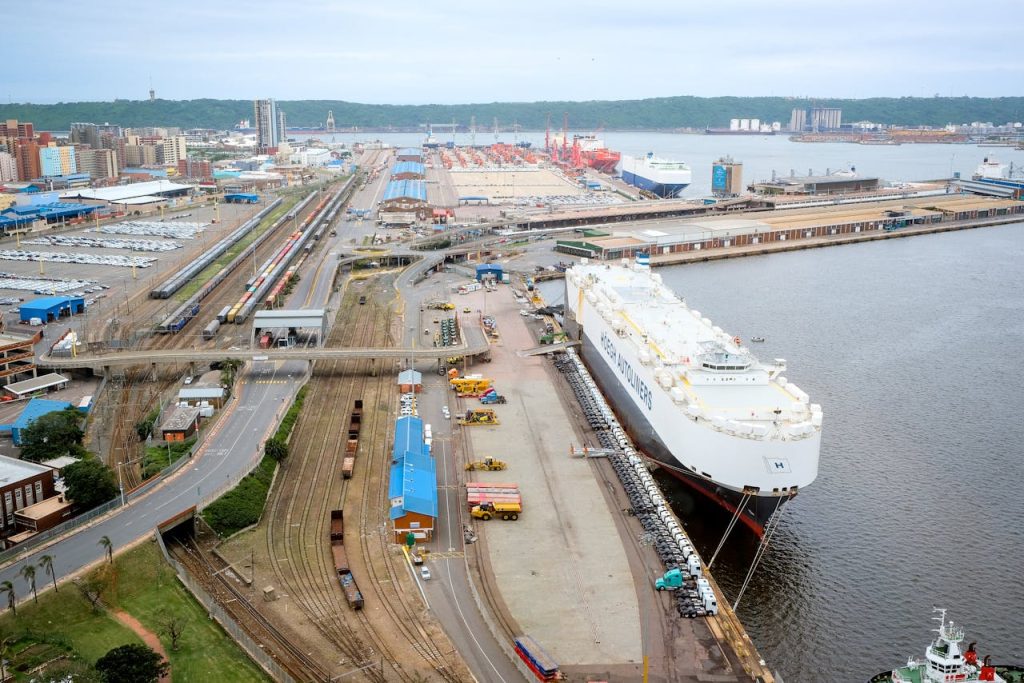
The completion of the Trans-Guinean railway and the expansion of the Morebaya deep-water port have redefined the geography of Industrial Real Estate Guinea. We are seeing the emergence of “Logistics Corridors” where industrial land value has appreciated significantly. Investors are no longer just looking at Conakry; they are focusing on Kamsar, Boké, and the new mining towns in the Forest Guinea region.
2. Mandatory Local Content and Processing
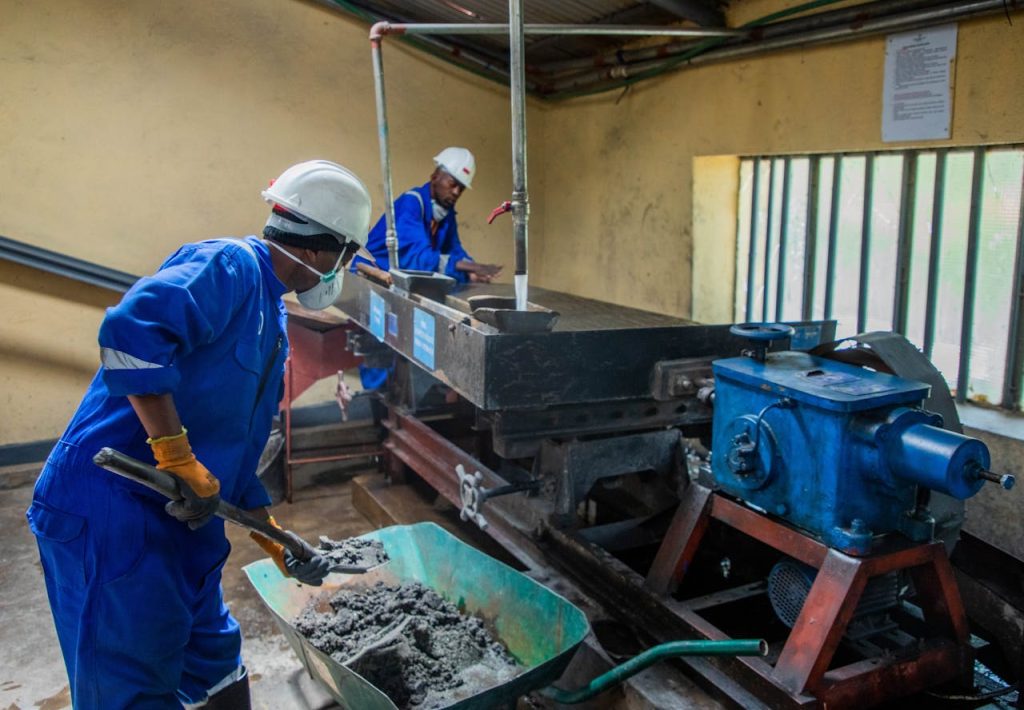
New 2026 regulations require mining firms to perform a higher percentage of their equipment maintenance and mineral pre-processing within Guinean borders. This “Local Content” mandate has forced Tier-1 and Tier-2 contractors to seek out long-term leases for Grade-A industrial space, driving up rental yields for warehouse owners.
3. The African Continental Free Trade Area (AfCFTA)
Guinea’s membership in AfCFTA is a game-changer. By establishing factories in Guinea’s Special Economic Zones (SEZs), manufacturers can export duty-free to a market of 1.3 billion people. This has attracted interest from Asian and European manufacturers looking to set up “light assembly” plants for construction materials and automotive parts.
Strategic Locations for Industrial Real Estate Guinea
To maximize ROI, investors must align their property acquisitions with the nation’s core industrial corridors.
The Boké-Kamsar Bauxite Corridor
This remains the most active industrial zone. With several major bauxite exporters operating in the vicinity, the demand for:
- Bulk Storage: Large-scale dry warehouses for equipment and spare parts.
- Fuel Depots: Specialized industrial real estate for energy storage and distribution.
- Maintenance Hubs: High-ceiling workshops with overhead cranes for heavy-duty mining trucks.
The Forecariah-Morebaya Port Zone
As the primary exit point for Simandou’s iron ore, Forecariah is the fastest-growing industrial hub in 2026. This area is ideal for:
- Customs-Bonded Warehousing: Facilitating the rapid import of industrial components.
- Agri-Processing Factories: Leveraging the new port to export processed Guinean cashews and fruit.
The Grand Conakry Expansion (Coyah & Dubréka)
With the Kaloum peninsula at capacity, the “New Conakry” industrial belt is moving toward Coyah. This is the prime location for consumer-facing industrial real estate, such as:
- FMCG Distribution Centers: Warehouses for fast-moving consumer goods to serve the growing urban population.
- Manufacturing Plants: Light industrial units for beverages, textiles, and building materials.
Modern Standards: What 2026 Tenants Demand
The era of simple corrugated iron sheds is over. Modern industrial tenants in Guinea now require facilities that meet international ESG and operational standards.
Grade-A Warehousing Specifications
To attract international mining service companies, Industrial Real Estate Guinea must now feature:
- Sustainable Power: Integration of solar PV rooftop arrays and Battery Energy Storage Systems (BESS) to ensure 24/7 operations regardless of the grid.
- Smart Security: Advanced CCTV, biometric access, and 24/7 gated security.
- Logistical Efficiency: High floor-loading capacities (5 tons/m² or more) and modern docking levellers for containerized cargo.
Eco-Industrial Parks (EIP)
The Guinean government is prioritizing “Green Industrialization.” In 2026, developers who build within Eco-Industrial Parks which feature shared water treatment, waste management, and renewable energy grids benefit from fast-tracked permitting and enhanced tax incentives from the African Development Bank (AfDB).
Navigating the Legal and Fiscal Framework
Investing in Guinean industrial property requires a clear understanding of the 2026 Investment Code and land tenure systems.
1. Special Economic Zone (SEZ) Benefits
Investing within designated SEZs offers unparalleled advantages:
- Tax Holidays: Up to 10 years of exemption from corporate income tax.
- VAT Exemptions: Zero VAT on the import of construction materials for industrial units.
- Repatriation of Profits: Guarantees for the free transfer of dividends to foreign parent companies.
2. Land Tenure and Digitalization
The Ministry of Urban Planning and the Agency for the Promotion of Private Investment (APIP) have digitalized the industrial land registry. This ensures that “Titre Fonciers” (Land Titles) are verified and free of encumbrances, drastically reducing the risk for international developers.
Frequently Asked Questions (FAQ)
1. What is the typical lease term for industrial property in Guinea?
In 2026, most mining service companies prefer long-term leases ranging from 5 to 10 years, often with inflation-adjusted rental escalations.
2. Can foreign investors own industrial land in Guinea?
Foreigners can hold long-term emphyteutic leases (up to 99 years) which provide the same rights as ownership for development and financing purposes. In Special Economic Zones, the process is even more streamlined.
3. What are the average rental yields for Grade-A warehouses?
Currently, well-located industrial assets in Boké or Forecariah can see gross yields between 12% and 15%, significantly higher than the residential average.
4. Is there insurance available for industrial assets?
Yes, several international and regional insurers provide comprehensive cover for industrial property, including political risk insurance (PRI) through agencies like MIGA.
5. How can Yes! Invest in Guinea assist with industrial real estate?
We provide “End-to-End” support: from sourcing strategic land plots and conducting environmental impact assessments to securing building permits and matching developers with Tier-1 tenants.
Conclusion: Securing Your Stake in West Africa’s Workshop
The development of Industrial Real Estate Guinea is the bridge between Guinea’s mineral wealth and its future as a diversified economy. As factories rise and warehouses fill, the nation is cementing its place as the logistical heart of the Mano River Union.
For the strategic investor, the 2026 market offers a rare combination of high yields, government-backed incentives, and a captive market of multinational tenants. Whether you are building a specialized maintenance hub for the mining sector or a multi-modal distribution center near the port, the foundation of your success starts with local expertise.
Ready to build the future of Guinean industry? At Yes! Invest in Guinea, we specialize in identifying high-impact industrial sites and navigating the regulatory path to successful development.
Contact Yes! Invest in Guinea today to receive our 2026 Industrial Real Estate Prospectus.