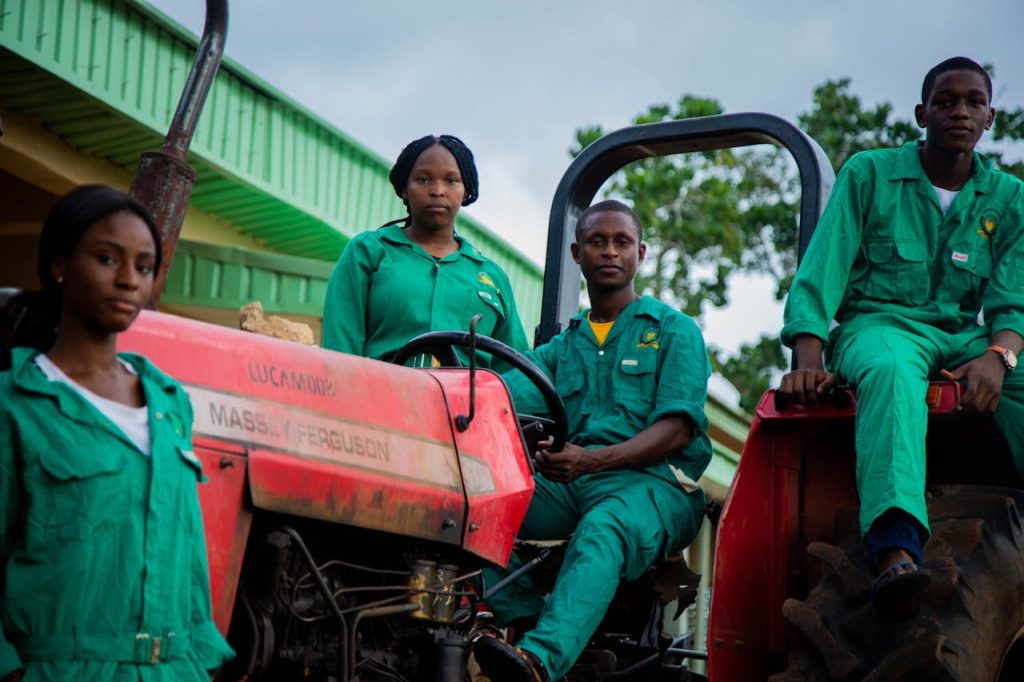
In the global pursuit of food security and sustainable economic growth, West Africa stands out as a region of immense untapped potential. Among its nations, Guinea shines as a particularly promising frontier for agricultural investment. With its exceptional climatic diversity, abundant rainfall, and vast stretches of fertile land, Invest Guinea Agriculture presents a compelling proposition for discerning international investors looking for long-term, high-impact opportunities.
This comprehensive guide, brought to you by Yes Invest in Guinea, delves into the unique advantages, key sub-sectors, and strategic pathways for making a successful agricultural investment in this resource-rich nation.
Guinea’s Agricultural Advantage: A Land of Plenty
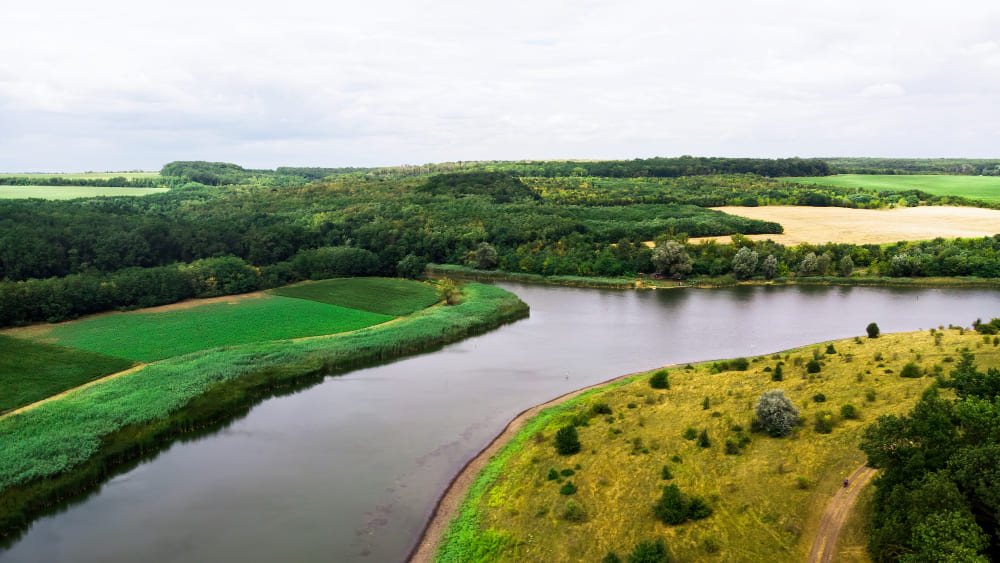
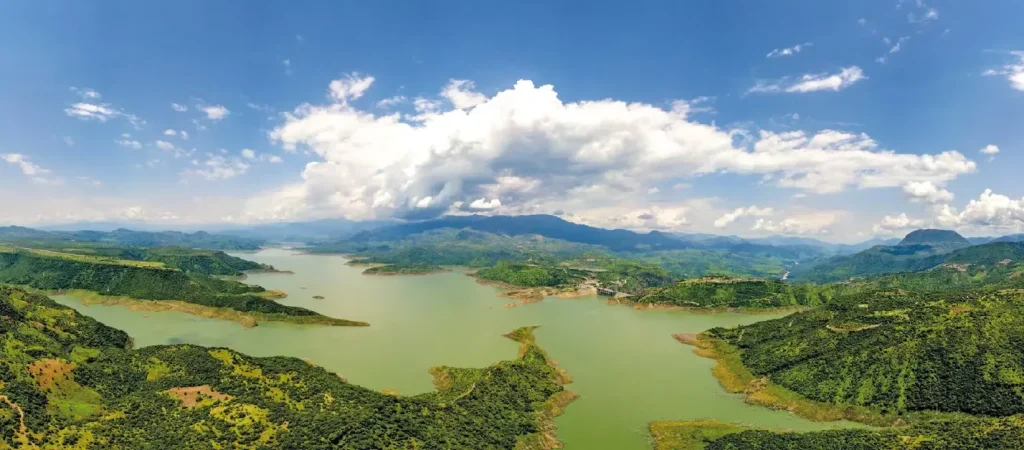
Guinea is often referred to as the “water tower of West Africa,” a testament to its extensive river systems and reliable rainfall. This natural endowment, combined with diverse ecological zones, creates an ideal environment for a wide array of crops.
Unparalleled Climatic and Soil Diversity
From the coastal plains suitable for rice and palm oil to the Fouta Djallon highlands perfect for fruits and potatoes, and the savannah regions ideal for cereals and livestock, Guinea offers a spectrum of agricultural possibilities. The soil types are largely fertile, benefiting from rich alluvial deposits and volcanic soils in certain areas, minimizing the need for extensive artificial fertilization.
Abundant Water Resources
With the headwaters of major West African rivers like the Niger, Senegal, and Gambia originating within its borders, Guinea boasts an impressive network of freshwater resources. This translates to immense potential for irrigation, crucial for increasing yields and allowing for multiple cropping seasons, distinguishing Invest Guinea Agriculture from dryer regions.
Key Agricultural Sub-Sectors Ripe for Investment
The Guinean government actively seeks foreign investment to modernize and scale its agricultural sector. Several sub-sectors offer particularly attractive returns and growth prospects.
Rice Production: The Staple Food Security Goal
Rice is the staple food in Guinea, yet a significant portion is still imported. This gap represents a massive opportunity for investors to engage in large-scale, mechanized rice cultivation, processing, and distribution. Investments in irrigation infrastructure, improved seed varieties, and modern farming techniques can dramatically boost local production and reduce import dependency.
Palm Oil: Meeting Growing Domestic and Regional Demand
With increasing populations and industrial uses, the demand for palm oil is consistently rising. Guinea’s climate is highly suitable for oil palm cultivation. Opportunities exist in establishing new plantations, rehabilitating existing ones, and investing in modern processing facilities to produce crude and refined palm oil for both domestic consumption and regional export.
Fruits and Vegetables: High-Value Export Potential
The Fouta Djallon region, with its cooler climate, is ideal for cultivating high-value fruits such as mangoes, pineapples, bananas, and a variety of vegetables. Investments here could focus on commercial farming, processing for juices and concentrates, and developing robust cold chain logistics to access lucrative European and North American markets.
Livestock and Fisheries: Protein for a Growing Population
Guinea has substantial potential in livestock farming (cattle, sheep, goats) and inland/marine fisheries. Modernizing breeding techniques, improving animal health, and developing processing facilities (meat, dairy, fish products) can cater to both domestic protein needs and regional export markets. Aquaculture, in particular, remains largely undeveloped, offering greenfield opportunities for investors in Invest Guinea Agriculture.
Cashew and Coffee: Reviving Traditional Cash Crops
Guinea historically produced significant quantities of cashew and coffee. With renewed focus and investment in improved farming practices, processing facilities, and market linkages, these cash crops can regain their prominence, offering export-oriented returns.
Strategic Advantages for Investors in Guinean Agriculture
Beyond its natural endowments, Guinea offers several strategic advantages that enhance the attractiveness of its agricultural sector for foreign direct investment.
Strong Government Support and Incentives
The Guinean government actively promotes foreign investment in agriculture, recognizing its critical role in food security and economic diversification. Incentives often include tax holidays, customs duty exemptions on imported agricultural equipment, and simplified administrative procedures. The establishment of dedicated agricultural zones and land banks further streamlines the process for large-scale projects.
Access to Regional Markets (ECOWAS)
Guinea is a member of ECOWAS (Economic Community of West African States), providing tariff-free access to a market of over 380 million consumers. This regional integration significantly expands the potential market for Guinean agricultural products, reducing reliance solely on domestic consumption.
Growing Domestic Market
Guinea’s population is young and growing, driving a steady increase in demand for food products. Local consumption alone provides a strong base for agricultural ventures, reducing initial export pressures and offering immediate revenue streams for those who Invest Guinea Agriculture.
Available Labor Force
The agricultural sector is a significant employer in Guinea, with a substantial rural population. While training and capacity building may be required, a readily available labor force can be mobilized, contributing to local economic development and employment generation.
Navigating the Investment Landscape: Key Considerations
While the opportunities are vast, successful investment in Guinean agriculture requires careful planning and strategic execution.
Land Tenure and Rights
Understanding Guinea’s land tenure system is paramount. While the state owns all land, long-term leases (concessions) are granted for agricultural projects. Yes Invest in Guinea assists investors in navigating the legal framework for land acquisition and securing long-term, verifiable land rights.
Infrastructure Development
While improvements are ongoing, infrastructure in rural areas (roads, storage, energy) can still pose challenges. Investors should factor in potential investments in improving logistics and post-harvest facilities to ensure product quality and market access.
Value Addition and Processing
To maximize returns and contribute to local economies, investors should consider moving beyond raw material export towards value-added processing (e.g., rice milling, palm oil refining, fruit juice production). This creates higher margins and builds sustainable local industries.
Local Partnerships and Community Engagement
Successful ventures often involve strong partnerships with local communities and businesses. Engaging with local stakeholders, understanding cultural nuances, and implementing Corporate Social Responsibility (CSR) initiatives are crucial for gaining social license to operate and ensuring long-term success.
Conclusion: A Green Investment Frontier
Guinea’s agricultural sector stands as a beacon of opportunity for investors seeking to combine financial returns with significant socio-economic impact. With its abundant natural resources, diverse cropping potential, and a government keen on modernization, Invest Guinea Agriculture offers a robust platform for sustainable growth.
The time is opportune to cultivate new ventures in a land blessed with fertility and a population eager for progress. Let Yes! Invest in Guinea be your trusted partner in unlocking this immense potential.
FAQ (Frequently Asked Questions)
- What are the main crops Guinea currently produces at scale? Guinea primarily produces rice, maize, cassava, groundnuts, and various fruits (mangoes, pineapples, bananas). Livestock farming is also prevalent.
- Are there specific government incentives for agricultural investors? Yes, incentives often include tax exemptions on agricultural equipment imports, reduced corporate taxes for a specified period, and support for land acquisition through long-term leases.
- What is the typical timeframe for securing land for large-scale agricultural projects? The timeframe can vary, but with proper facilitation and complete documentation, securing a long-term agricultural concession typically takes between 6 to 12 months.
- How does Guinea address climate change challenges in agriculture? The government, often with international partners, promotes climate-resilient farming practices, improved irrigation systems, and diversification of crops to mitigate the effects of changing weather patterns.
- Can foreign investors export agricultural products from Guinea? Absolutely. The government encourages export-oriented agriculture, especially for high-value products like fruits, cashews, and processed goods, leveraging Guinea’s access to regional and international markets.
Cultivate Your Success in Guinea’s Rich Agricultural Landscape
Don’t miss the chance to be part of Guinea’s green revolution. Your investment can yield not only significant financial returns but also contribute to food security and sustainable development in West Africa.
Connect with Yes Invest in Guinea for a Personalized Agricultural Investment Briefing!