The global architecture for infrastructure finance and project execution is shifting toward highly specialized, efficient hubs. As the Republic of Guinea accelerates its industrial transformation under the “Simandou 2040” framework, the demand for complex engineering, digital logistics, and sustainable urban design has reached an all-time high. In 2026, a highly strategic development has taken center stage: Singapore’s growing role in Guinea infrastructure projects.
Singapore famed globally as an infrastructure superpower, precision logistics leader, and premier financial hub is increasingly deploying its institutional expertise across West Africa. Concurrently, Guinea, operating as West Africa’s primary industrial growth hub, offers unmissable entry points for capital allocation.
At Yes! Invest Guinea, we act as the operational and administrative bridge connecting Asian developers and corporate entities with local asset concessions and deep-water transport corridors. Driven by a modernized Investment Code and an open, pro-enterprise environment, the collaboration between Singapore’s urban planners and Guinea’s developmental pipeline represents a high-yield frontier for international business.
1. The Logistics Revolution: Port Modernization and Smart Trade Hubs
Singapore manages some of the world’s most sophisticated transshipment hubs, a capability that aligns perfectly with Guinea’s urgent need to modernize its maritime gateways.
Enhancing Deep-Water Port Efficiencies
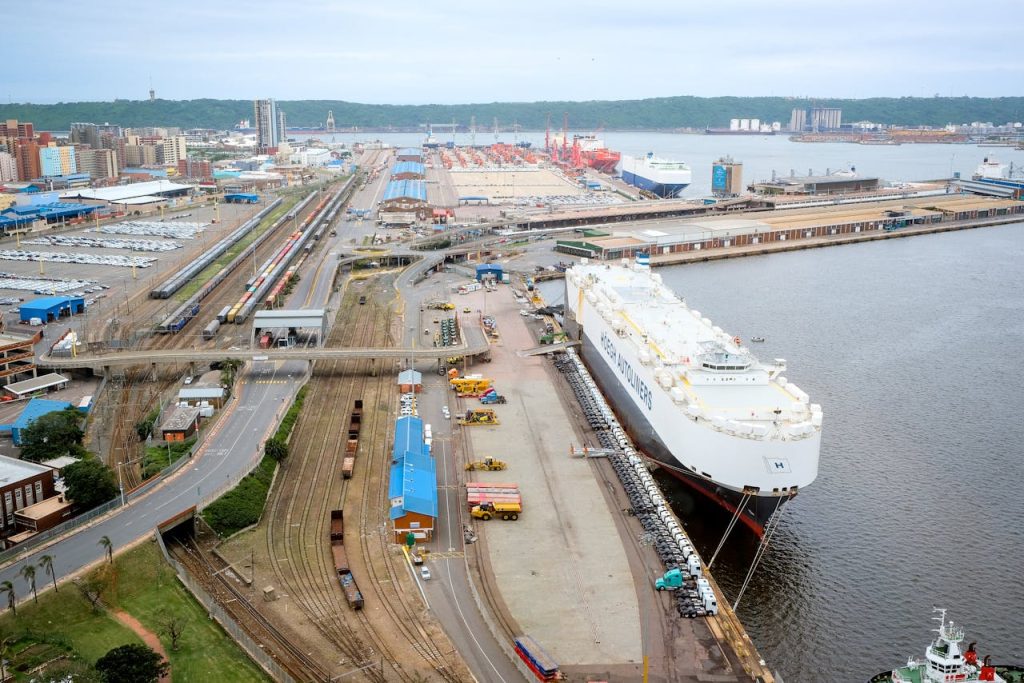
The bedrock of Guinea’s 2026 economy is the multi-user transport network tied to the Simandou iron ore corridor, anchored by the deep-water port at Morebaya and the expansion of the Port of Conakry. Singaporean port operators and maritime logistics firms are playing an expanding role in integrating automated terminal systems and yard management software into these sites. By applying Singapore-style operational blueprints, these ports are radically reducing vessel turnaround times, ensuring that bulk commodity exports move smoothly to global destinations.
Digital Supply Chains and Trade Facilitation
As a global trading hub with complete ecosystems for metal, minerals, and agri-commodities, Singaporean entities are introducing high-end digital solutions to optimize Guinea infrastructure projects. Utilizing advanced blockchain-based trade platforms and smart documentation systems, Singaporean firms are lowering administrative friction, allowing global buyers to track shipments from Guinea’s interior to international markets with absolute visibility.
2. Smart City Masterplanning and Commercial Real Estate
As industrialization drives unprecedented urbanization across Guinea, the demand for high-density, smart urban infrastructure has expanded beyond the capacities of traditional contractors.
Grade-A Commercial Real Estate and Business Hubs
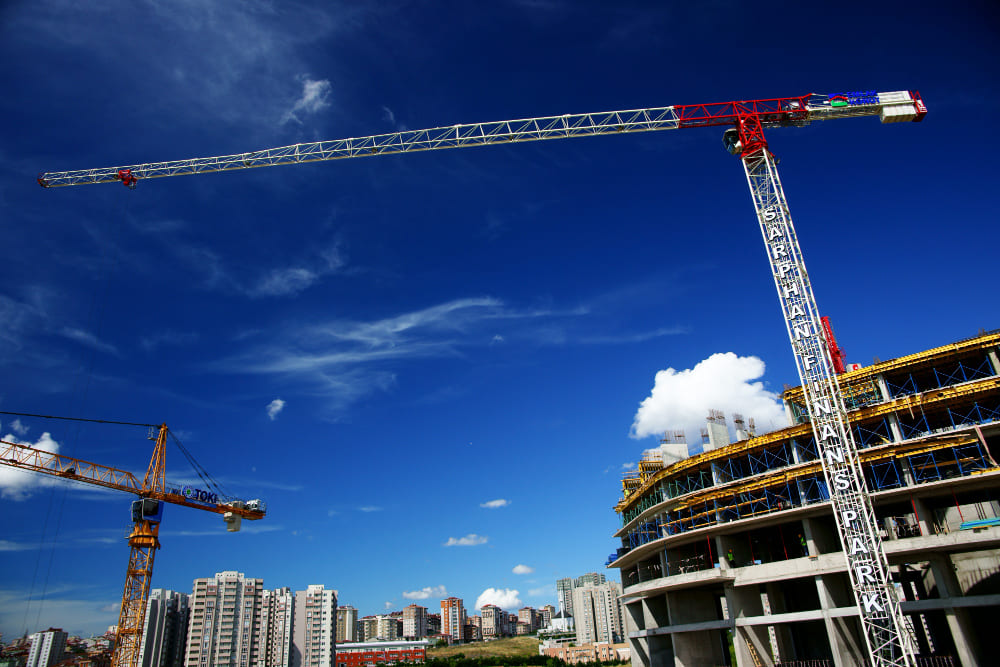
The influx of international mining executives, consultants, and tech founders has triggered a critical deficit in premium commercial spaces in Conakry and regional hubs like Nzérékoré. Singaporean developers, renowned for their vertical masterplanning and energy-efficient building designs, are successfully securing prime real estate concessions.
Investing in integrated Office Parks and Business Hubs offers exceptionally lucrative rental yields. These projects provide global tenants with vital corporate amenities, including 24/7 power systems, water filtration, and secure fiber-optic data hubs.
Social and Urban Infrastructure Integration
Singapore’s holistic approach to the “Built Environment” is being adapted to Guinea’s unique landscapes. Private consortia are partnering with local authorities to design sustainable industrial parks and commercial special economic zones (SEZs). These zones provide “plug-and-play” infrastructure for international light manufacturers, backed by specialized Financial and Administrative Services to streamline early-stage corporate setups.
3. Renewable Energy Integration and Decentralized Smart Grids
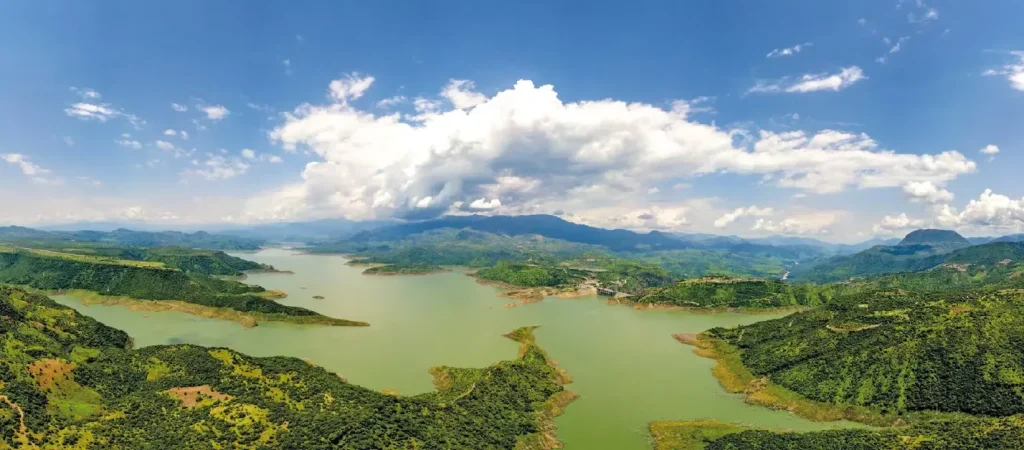
Industrial infrastructure requires an unshakeable, sustainable power matrix. Guinea is actively leveraging its status as the “Water Tower of West Africa” to build out a robust, green energy grid.
Deploying Off-Grid Clean Energy Solutions
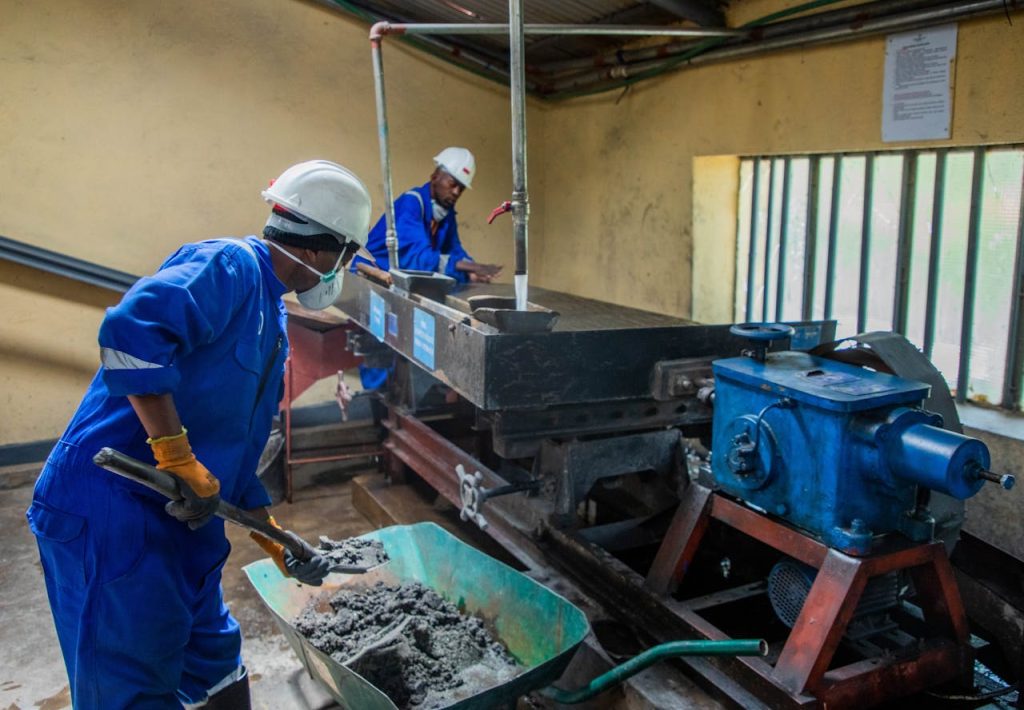
While massive hydroelectric dams supply the baseline power required for heavy alumina refineries, decentralized manufacturing hubs and remote agribusiness sites demand localized sovereignty. Singaporean clean-tech developers are capturing significant market share by constructing hybrid Microgrid Systems.
These smart grids pair advanced industrial solar arrays with battery energy storage systems (BESS). To prevent unexpected factory downtime, these systems deploy advanced IoT Guinea tools to monitor energy distribution in real-time, allowing international operators to shrink their carbon footprints while maintaining 24/7 production lines.
Modernizing Telecommunications and EdTech Spines
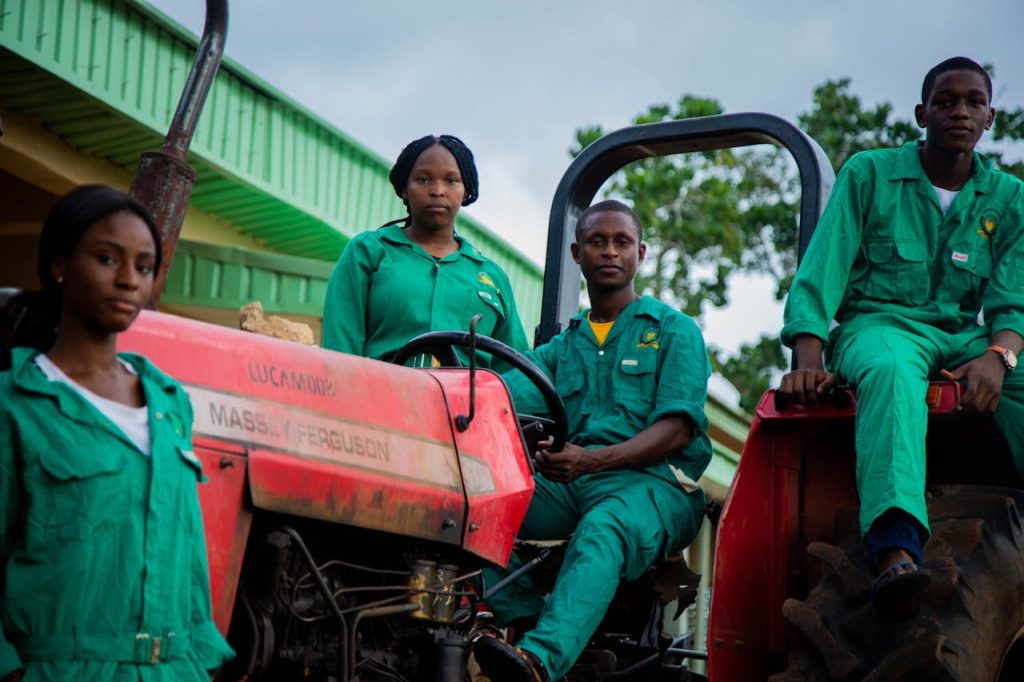
The expansion of Guinea’s 12,000 km national fiber-optic backbone has created an ideal playground for tech infrastructure. Singaporean telecommunication firms are investing in data center construction and smart grid monitoring. Furthermore, this tech spine enables the rolling out of cloud-based EdTech Solutions to rapidly upskill the local Guinean workforce for technical engineering and logistics roles.
4. Agribusiness Logistics and Downstream Asset Management
Beyond heavy steel and concrete, Singapore’s commodity trading houses are heavily focused on securing resilient global food networks, directly enhancing agricultural infrastructure.
Building Modern Value-Added Processing Facilities
Guinea features over 6 million hectares of ultra-fertile arable land and high annual rainfall. To help shift the local agricultural sector from raw commodity shipping to value addition, Singaporean agribusiness syndicates are financing integrated Nut Processing Units directly at the crop source.
Processing fresh cashews and groundnuts locally produces high-margin lines that meet global certifications regulated by the International Organization for Standardization (ISO), opening up tariff-free export channels via preferential trade frameworks. This integration maximizes the profitability of Agriculture Investment Guinea ventures.
5. Legal Certainty: Navigating the 2026 Investment Climate
A primary requirement for Singaporean corporate boards, sovereign wealth managers, and compliance teams expanding into West Africa is the transparency, predictability, and safety of the local legal matrix. Guinea provides an ironclad framework to protect foreign direct investment (FDI).
Unified Commercial Laws under OHADA
Guinea operates as a core member of the OHADA Law framework, a unified commercial legal code implemented across 17 African nations. This civil law system offers exceptional predictability, ensuring that international infrastructure concessions, joint ventures, asset purchases, and long-term land leases are legally secure and fully recognized by international commercial arbitration courts.
Exclusive Incentives Under the Investment Code
Foreign enterprises registering operations through the Agency for the Promotion of Private Investments (APIP) gain access to a competitive suite of industrial incentives under the updated 2026 Investment Code:
- Tax Holidays: A complete 8 to 10-year exemption from corporate income tax for infrastructure, manufacturing, and agricultural projects established outside the capital city.
- Customs Duty Waivers: 0% import duties and full VAT exemptions on all specialized heavy machinery, technological hardware, and engineering equipment during the construction phase.
- Capital Protection: Full legal rights for international corporations to freely repatriate 100% of profits, corporate dividends, and operational capital in foreign currency.
Frequently Asked Questions (FAQ)
- Why is Singapore specifically focusing on Guinea’s infrastructure development?
Guinea offers massive structural opportunities driven by the Simandou project and economic diversification, making it the perfect market for Singapore’s specialized urban masterplanning, smart port logistics, and clean energy technology.
- Can a Singaporean entity maintain 100% corporate ownership of an infrastructure asset?
Yes. Under the OHADA legal framework and Guinea’s open investment policies, foreign investors are legally permitted to establish, manage, and maintain 100% ownership of their local corporate subsidiaries (such as a SARL or SA) across most infrastructure and service sectors.
- What international trade agreements benefit products manufactured in Guinea?
Goods manufactured or processed within Guinea qualify for tariff-free distribution across the continent via the African Continental Free Trade Area (AfCFTA). For global trade, products also benefit from duty-free access to European markets through the Everything But Arms (EBA) initiative.
- How does Guinea manage environmental and social compliance for large projects?
Guinea enforces strict environmental, social, and governance (ESG) protocols aligned with international benchmarks. Every large-scale infrastructure, mining, or manufacturing setup must undergo an official Environmental and Social Impact Assessment (ESIA) to guarantee long-term sustainability.
- How can Yes! Invest Guinea assist Singaporean corporate groups?
We serve as your comprehensive institutional concierge on the ground. Our team handles Legal and Regulatory Compliance, assists in securing commercial land and processing permits, navigates bureaucratic processes, and facilitates local International Recruitment to build your local technical management teams.
Conclusion: Capitalizing on the Singapore-Conakry Industrial Axis
The window of opportunity to leverage Singapore’s growing role in Guinea infrastructure projects is wide open in 2026. By matching Singapore’s world-renowned technological sophistication, smart logistics mastery, and financial depth with Guinea’s immense natural wealth, modernized transport corridors, and secure legal frameworks, forward-thinking corporations can secure an unshakeable market position in West Africa.
Scale Your Infrastructure Project with Yes! Invest Guinea
At Yes! Invest Guinea, we deliver the critical data, verified institutional networks, and legal safety rails required to transition your commercial project seamlessly from a blueprint into a highly profitable operational reality.