The geopolitical and economic architecture of 2026 is driving world powers to secure resilient supply chains of critical industrial minerals and energy resources. At the forefront of this global resource realignment is the deepening bilateral relationship between the Russian Federation and the Republic of Guinea. Operating as a historical and modern masterclass in South-South development, Russia and Guinea cooperation in the energy and mining sectors has reached an unprecedented scale.
For Guinea, a nation holding what geologists famously call a “geological scandal” of concentrated mineral wealth, Russian partnerships offer high-level technical expertise, large-scale industrial machinery, and robust capital infrastructure. For Russian industrial giants and institutional investors, Guinea represents the premier West African hub for resource expansion and sustainable energy grids.
At Yes! Invest Guinea, we track these macro-economic trends to provide global investors, corporate boards, and joint-venture syndicates with high-yield entry points. Unlocked by Guinea’s comprehensive “Simandou 2040” national development strategy, this bilateral cooperation is shifting away from traditional raw extraction toward advanced localized processing, value addition, and modern grid integration.
1. The Mining Sector: A Legacy of Industrial Synergy and Downstream Value
The mining sector forms the core foundation of Guinea cooperation with Russia, a relationship that spans over five decades and continues to break production records in 2026.
Bauxite Dominance and the Alumina Processing Mandate
Guinea holds the world’s largest reserves of premium-grade bauxite, estimated at over 40 billion tonnes. Russian industrial conglomerates, most notably UC RUSAL (United Company RUSAL), have established massive operational roots within the country, managing flagship assets such as the Kindia Bauxite Company (CBK) and the Friguia bauxite-alumina complex.
In 2026, the parameters of this partnership have evolved significantly:
- Localized Refining: Under the updated Guinean Mining Code, the focus has shifted from exporting raw ore to domestic aluminum refinement.
- Industrial Upgrades: Russian operators are heavily investing in modernizing local alumina refineries. This mid-stream transformation substantially cuts international logistics costs and dramatically maximizes profit margins for downstream global distribution.
High-Grade Iron Ore and the Trans-Guinean Rail Spine
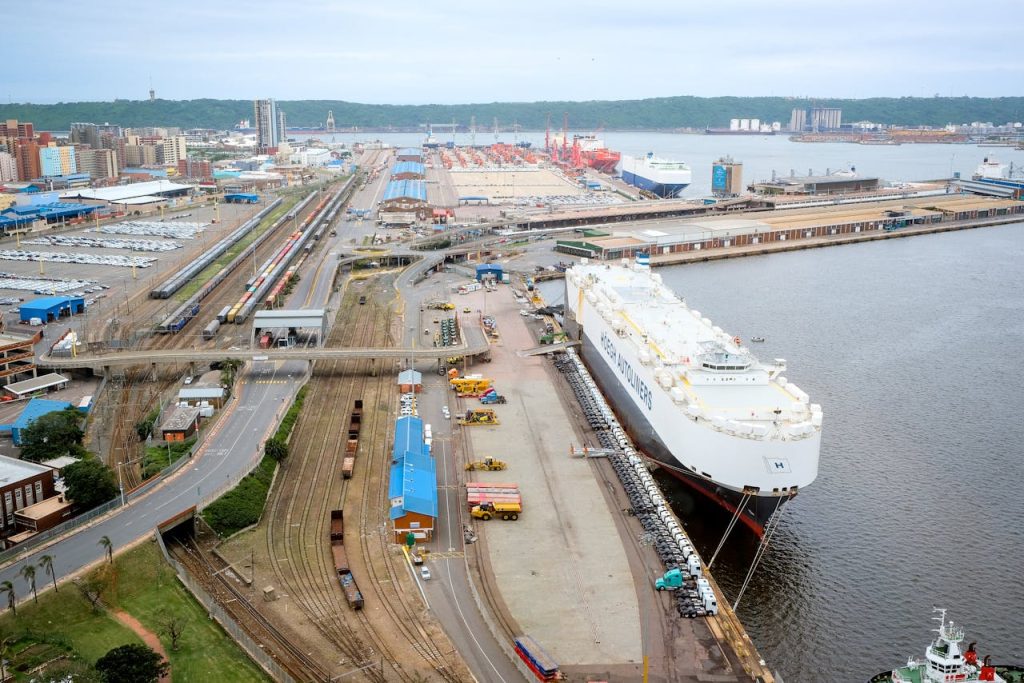
The operational rollout of the Simandou project has delivered a state-of-the-art 670 km heavy-haul railway corridor and a deep-water port at Morebaya. Formally structured as a multi-user transport network, this new logistics spine has completely dismantled historical entry barriers.
Russian exploration and engineering corporations are actively leveraging this infrastructure to access secondary iron ore concessions and transport high-purity ore cost-effectively from the deep interior to Atlantic shipping lanes. This high-purity iron ore is a critical element for producing “Green Steel,” allowing global manufactures to meet strict decarbonization targets.
Critical Tech Minerals and Gold Exploration
Beyond traditional bauxite and iron ore, tech-driven exploration is opening highly profitable new frontiers. Guinea features extensive, untapped reserves of critical minerals vital for advanced electronics and global energy transition ecosystems:
- Graphite and Nickel: Primary raw components necessary for the global battery energy storage revolution.
- Antimony and Bismuth: High-value specialty elements indispensable for semiconductor fabrication and advanced technology applications.
Russian mining houses are actively utilizing Big Data Analytics to map out these deep critical mineral concessions, backed by Guinea’s fully digitized mining cadastre system which streamlines licensing, transparency, and regulatory compliance.
2. The Energy Sector: Powering Heavy Industry and Regional Trade
Industrial mining and local mineral processing cannot function without an absolute guarantee of uninterrupted, high-capacity electricity. Russia’s advanced engineering capabilities are playing a vital role in transforming Guinea’s power generation network.
Hydroelectric Expansion and the “Water Tower” Potential
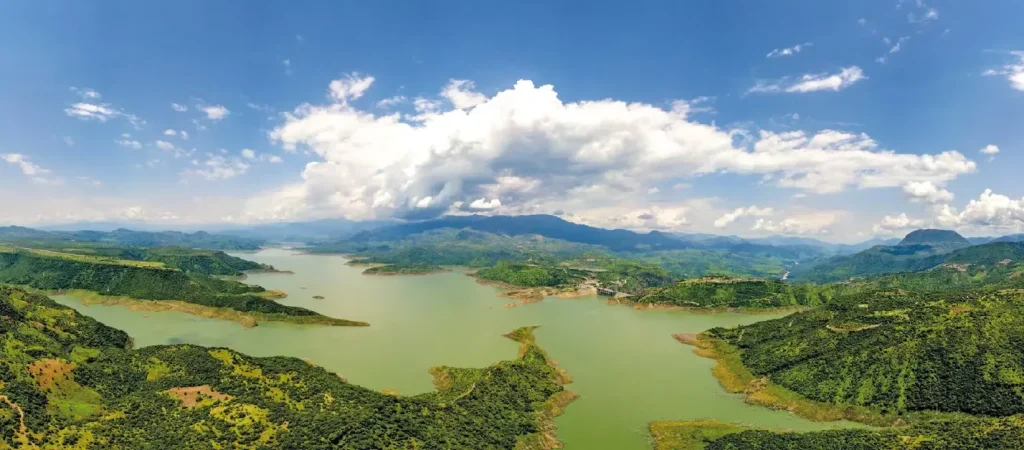
Known geographically as the “Water Tower of West Africa” due to its dense network of over 1,300 rivers, Guinea possesses a massive estimated hydroelectric potential of over 6,000 MW. Large-scale hydroelectric dams provide the essential base load power needed to run heavy industrial smelting plants and alumina refineries.
Russian engineering, procurement, and construction (EPC) companies are partnering with local authorities to build the next generation of run-of-river dams and transmission networks. These grids connect directly to the West African Power Pool (WAPP), allowing Guinea to export surplus clean energy across the region, enhancing regional stability.
Building Decentralized Industrial Microgrids
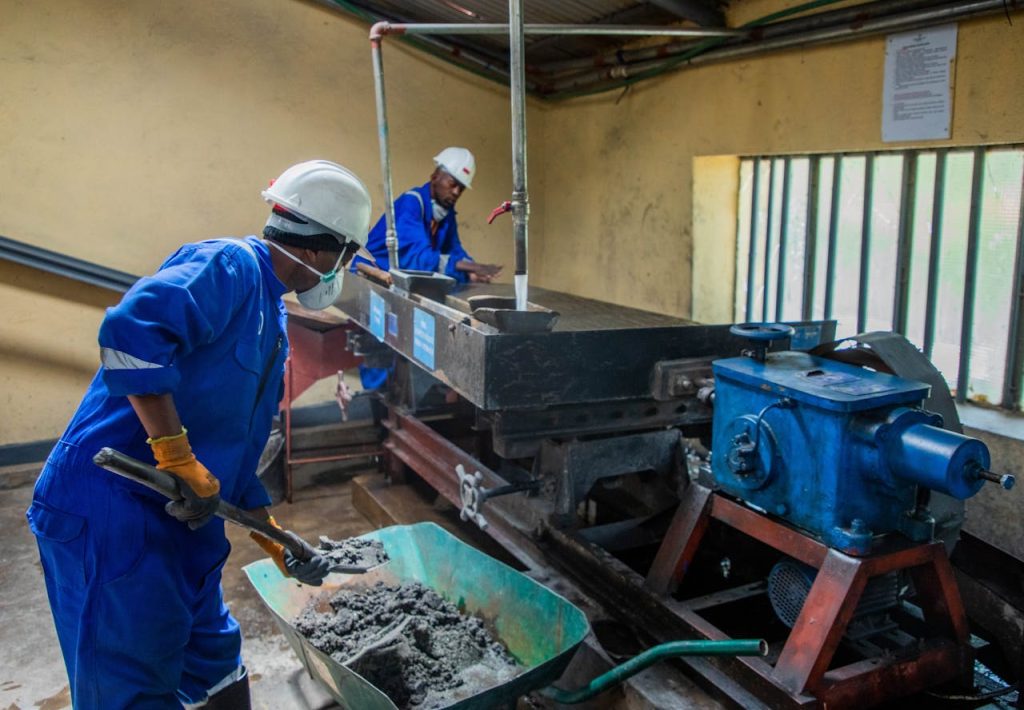
While massive dams feed the national grid, remote commercial processing facilities and mining hubs require localized, sovereign energy setups. Russian energy technology firms are capturing significant market share by deploying decentralized, hybrid Microgrid Systems.
By combining high-efficiency industrial solar arrays with advanced battery energy storage systems (BESS), operators can sell “Energy-as-a-Service” (EaaS) directly to mining sites. These smart grids utilize advanced IoT Guinea applications to monitor factory energy loads in real-time, drastically reducing operational downtime and lowering corporate carbon footprints.
3. The 2026 Legal Framework: Navigating OHADA Regulations
A primary requirement for international corporate boards, compliance teams, and legal counsels looking to allocate large-scale capital in West Africa is the transparency, predictability, and safety of the host nation’s legal environment. Guinea provides a robust framework to protect foreign direct investment (FDI).
Standardized Business Law under OHADA
Guinea operates as a core member of the OHADA Law framework, a highly unified commercial legal code implemented across 17 African nations. This civil law system provides exceptional predictability. It guarantees that long-term mineral concessions, corporate joint ventures, asset purchases, intellectual property rights, and commercial land leases are legally secure and fully recognized by international commercial arbitration courts.
Exclusive Incentives Under the Investment Code
Foreign enterprises registering operations through the Agency for the Promotion of Private Investments (APIP) gain access to a competitive suite of industrial incentives under the updated Investment Code:
- Tax Stability Agreements: Guaranteed protection against any future changes in fiscal or corporate tax laws for the entire duration of the primary mining convention.
- Customs Duty Waivers: 0% import duties and full VAT exemptions on all specialized heavy machinery, technological hardware, and engineering equipment during the initial construction phase.
- Capital Protection: Full legal rights for international corporations to freely repatriate 100% of profits, company dividends, and operational capital in foreign currency.
4. Frequently Asked Questions (FAQ)
- What makes Russia–Guinea cooperation unique in 2026 compared to previous decades?
The modern phase of cooperation is strictly focused on local value addition. Rather than simple raw mineral extraction, partnerships are now centered around building local alumina refineries, smart infrastructure, and renewable energy grids.
- Can foreign investors establish joint ventures with Russian firms operating in Guinea?
Yes. Guinea’s open commercial framework highly encourages multi-party international syndicates. Many global developers form strategic joint ventures with established operators to leverage their local logistics and operational footprints.
- What role does the Simandou corridor play for new energy and mining investors?
The $20 billion Simandou development has built the foundational railway and deep-water port infrastructure that secondary energy and mining projects use to scale, effectively minimizing logistics costs for all operators.
- How does Guinea manage environmental and social compliance for heavy industrial setups?
Guinea enforces strict environmental, social, and governance (ESG) protocols aligned with international benchmarks. Every large-scale project must undergo an official Environmental and Social Impact Assessment (ESIA) to guarantee long-term ecosystem protection and positive community development.
- How can Yes! Invest Guinea assist international mining and energy firms?
We serve as your comprehensive institutional concierge on the ground. Our team handles Legal and Regulatory Compliance, assists in securing asset concessions and industrial land, navigates bureaucratic processes, and facilitates local International Recruitment to build your local engineering teams.
Conclusion: Capitalizing on the Industrial Nexus
The window of opportunity to leverage the momentum of Russia and Guinea cooperation in energy and mining is wide open in 2026. By matching advanced heavy engineering, energy innovation, and deep mining experience with Guinea’s unparalleled mineral grades, modernized transport corridors, and secure legal frameworks, forward-thinking corporations can secure an unshakeable market position in West Africa.
Accelerate Your Industrial Expansion with Yes! Invest Guinea
At Yes! Invest Guinea, we deliver the critical data, verified institutional networks, and legal safety rails required to transition your commercial project seamlessly from a blueprint into a highly profitable operational reality.