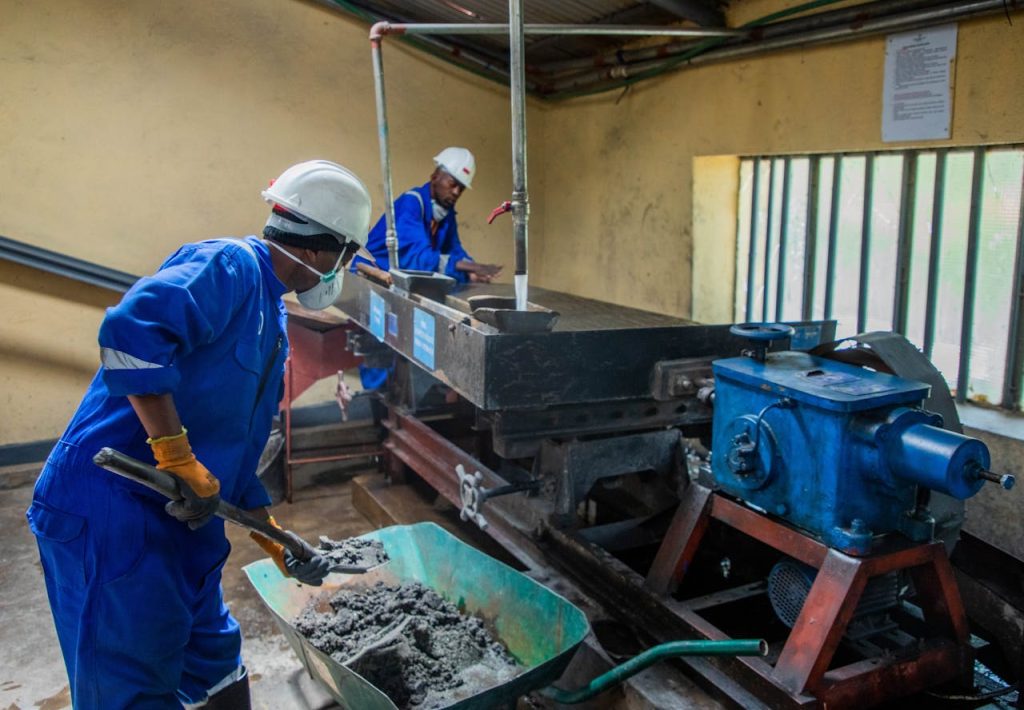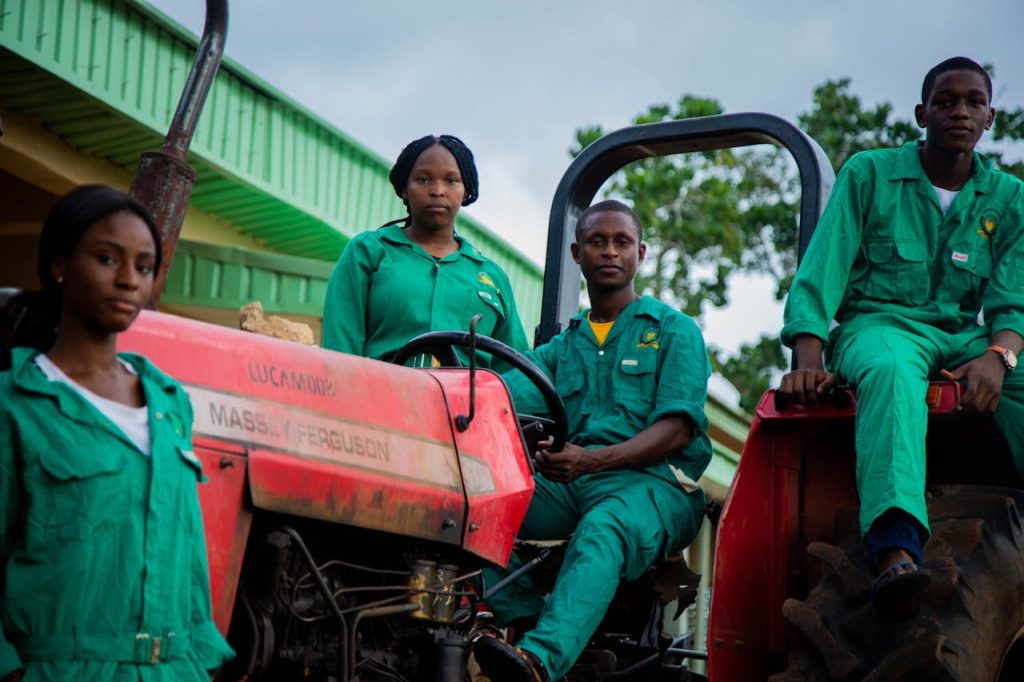
The Republic of Guinea is currently redefining its economic identity by moving beyond the export of raw materials toward a robust, industrialized future. While the nation has long been a major producer of raw nuts, the year 2026 marks a strategic pivot toward local industrialization. The establishment of Nut Processing Units: Value-Added Agriculture in Guinea is now at the forefront of the national “Simandou 2040” vision. By shifting from exporting raw cashews and groundnuts to processing them domestically, Guinea is capturing the “missing link” in its agricultural value chain.
At Yes! Invest Guinea, we recognize that the true wealth of the Guinean soil lies in its processing potential. For institutional investors and agribusiness pioneers, the nut sector offers a high-yield opportunity to build industrial assets that serve both booming global health-food markets and the expanding regional trade corridors of West Africa.
The Strategic Shift to Value-Added Agriculture
For decades, West African nations have been the world’s primary providers of raw cashew nuts (RCN), only to see the majority of the value and the jobs created during processing in distant markets. Guinea is actively disrupting this cycle.
1. Capturing the Global Value Chain
The global demand for processed nuts is surging, driven by the rise of plant-based diets and premium snacking. By investing in nut processing, Guinea can retain up to 300% more value per ton compared to the export of raw nuts. This “value-addition” is the primary driver of national economic resilience, creating high-value jobs and generating stable foreign exchange earnings.
2. Guinea’s Ecological Advantage
Guinea possesses diverse micro-climates that support the high-yield production of cashews, groundnuts, and shea nuts. From the savannahs of Upper Guinea to the coastal plains, the raw material base is already established. The transition to industrial processing ensures that these harvests are no longer subject to the price volatility of the raw commodity market.
Technical Frontiers: Building World-Class Processing Units
To compete internationally, Guinean processing units are adopting sophisticated, “digital-first” industrial standards. This is not just about shelling; it is about precision manufacturing.
1. Automated Deshelling and Peeling
Modern units utilize automated systems that minimize breakage and ensure the highest grade of kernels. These systems, integrated with Big Data Analytics, allow managers to monitor yield rates in real-time, optimizing the processing flow for maximum efficiency.
2. Food Safety and International Certification
Accessing premium markets in Europe and North America requires strict adherence to food safety protocols.
- HACCP & ISO Standards: New facilities are being designed from the ground up to meet Hazard Analysis and Critical Control Point (HACCP) standards.
- Traceability: Utilizing Cloud Computing for farm-to-factory traceability ensures that every batch of processed nuts meets the “ethical and sustainable” criteria demanded by global retailers.
3. Sustainable Energy Integration
Industrial processing requires reliable power. Savvy investors are integrating Waste-to-Energy solutions, where nut shells and agricultural byproducts are converted into biomass energy to power the factory, creating a truly circular and cost-effective operational model.
Why Invest in Guinea’s Nut Sector Today?
The 2026 investment climate in Guinea is specifically tailored to reward industrial pioneers.
- Infrastructure Synergy: The massive expansion of the Trans-Guinean Railway and deep-water ports ensures that processed nut containers can move from the interior to global markets with zero logistical friction.
- Tax and Customs Incentives: Under the current investment code, projects classified as “Value-Added Agribusiness” receive significant corporate tax holidays and 100% duty-free importation of specialized processing machinery.
- Access to Regional Markets: As a leader in the African Continental Free Trade Area (AfCFTA), Guinea-based processors have tariff-free access to over 1.3 billion consumers across the continent.
- Institutional Support: Yes! Invest Guinea serves as your Government and Institutional Liaison, ensuring your industrial permits are fast-tracked and your facility is registered for maximum fiscal benefits.
Roadmap for Industrial Success
- Supply Chain Securitization: Establishing direct outgrower schemes with Guinean farmers to ensure a consistent, high-quality feedstock of raw nuts.
- Facility Design: Implementing modular processing lines that can scale as the business grows, focusing on high-margin products like roasted kernels, nut flours, and oils.
- Digital Integration: Utilizing Smart Meter Installation to monitor energy consumption and Big Data Guinea platforms to manage global supply chain logistics.
- Local Talent Development: Building a skilled workforce by leveraging Guinea’s growing pool of technical engineers and quality control specialists.
FAQ: Nut Processing in Guinea
- Which types of nuts have the most potential in Guinea?
Cashews (Anacardium occidentale) and groundnuts currently offer the highest export potential, while shea nuts (karité) provide a strong secondary market for the cosmetic and food industries.
- How does the government support “Value-Added” projects?
Through the Ministry of Agriculture and APIP, the government provides land concessions, tax exemptions, and streamlined industrial permitting for facilities that process raw materials domestically.
- What is the required scale for a profitable processing unit?
Profitability can be achieved at various scales, from specialized boutique processing (1,000 tons/year) to large-scale industrial hubs (10,000+ tons/year), depending on the target market and level of automation.
- Are there environmental regulations for these factories?
Yes. All industrial units must undergo an Environmental and Social Impact Assessment (ESIA) to ensure sustainable waste management and community integration.
- How can Yes! Invest Guinea facilitate my agribusiness project?
We act as your “Institutional Concierge,” helping you identify strategic sites, secure industrial permits, and navigate the fiscal incentive packages available for agribusiness pioneers.
Conclusion: Harvesting Industrial Prosperity
The establishment of Nut Processing Units is the cornerstone of Guinea’s transition into a modern, value-added agricultural economy. By turning the harvest into a high-value industrial product, investors are not just building factories they are securing the future of West African trade.
The trees are planted, the infrastructure is ready, and the market is waiting. Now is the time to invest in the power of Guinean processing.
Scale Your Agribusiness with Yes! Invest Guinea
At Yes! Invest Guinea, we turn agricultural potential into industrial reality. From site identification to international export partnership, our team provides the local intelligence and institutional access you need to thrive.