The global race toward electrification and decarbonization has fundamentally altered the value proposition of natural resources. While lithium and cobalt often dominate the headlines, graphite the essential material for battery anodes is quietly becoming the most strategic mineral of the decade. In 2026, as the world transitions from internal combustion engines to Electric Vehicles (EVs), Graphite Mining Guinea is emerging as the next critical frontier.
Guinea, already a global titan in bauxite and iron ore, possesses significant and high-grade graphite deposits that remain largely untapped. For forward-thinking investors, Guinea offers more than just a resource; it offers a central position in the global “Green Revolution” supply chain.
The Graphite Imperative: Why the World Needs Guinea
Graphite is the single largest component by weight in an EV battery. An average electric vehicle requires between 50 to 100 kilograms of graphite for its anode. As the International Energy Agency (IEA) projects a massive deficit in battery-grade graphite by the end of the decade, the search for new, high-purity sources has led global players to West Africa.
1. High-Purity Natural Flake Graphite
Guinea’s graphite is primarily found in the form of natural flake graphite, which is highly prized for battery applications due to its superior conductivity and lower environmental footprint compared to synthetic alternatives. Proximity to the surface in many Guinean deposits also translates to lower extraction costs and higher operational efficiency.
2. Supply Chain Diversification
Currently, a significant portion of the world’s graphite processing and supply is concentrated in a few regions. For global battery manufacturers in Europe, North America, and Asia, Graphite Mining Guinea represents a critical opportunity to de-risk their supply chains and ensure mineral sovereignty through geographical diversification.
Strategic Advantages of Investing in Guinea’s Graphite Sector
Investing in Guinea in 2026 is no longer a leap into the unknown; it is a calculated entry into a matured regulatory environment backed by world-class infrastructure.
The “Simandou Effect” on Infrastructure
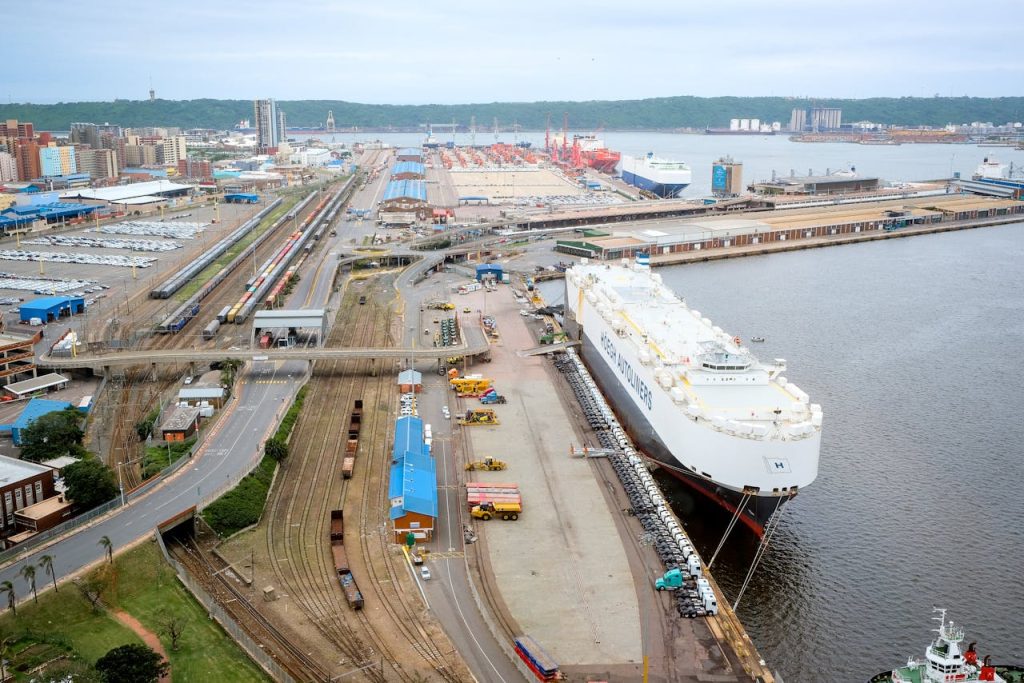
The massive investment in the Trans-Guinéen railway and the Morebaya deep-water port, originally designed for iron ore, has created a “logistics backbone” that benefits all mineral exports. Graphite projects can now leverage this heavy-duty infrastructure to transport concentrates to global markets at a fraction of the previous cost.
Favorable Mining Code and ESG Standards
The Guinean government has modernized its Mining Code to provide specific incentives for “Critical Minerals.” These include tax holidays for processing facilities and streamlined permitting processes. Furthermore, Guinean graphite projects are being developed with 2026 ESG (Environmental, Social, and Governance) standards in mind, making them highly attractive to green-finance funds and institutional investors.
Key Graphite Deposits and Exploration Zones
While exploration is ongoing, several regions in Guinea have already shown immense promise for high-grade flake graphite.
The Forest Region and Southeastern Corridors
The geological formations in southeastern Guinea, which share characteristics with famous deposits in neighboring countries, have yielded high-grade crystalline flake graphite. These zones are strategically located near the new rail corridors, ensuring that the path from mine to market is both short and efficient.
Secondary Mineral Opportunities
In many Guinean sites, graphite is found in association with other valuable minerals. This allows for multi-commodity mining operations, which enhances the overall Net Present Value (NPV) of the project and provides a hedge against commodity price fluctuations.
Integrating Value Addition: Beyond Raw Extraction
In 2026, the Guinean government is prioritizing “Local Content” and value addition. For investors in Graphite Mining Guinea, the real alpha lies in mid-stream processing.
Spherical Graphite Processing
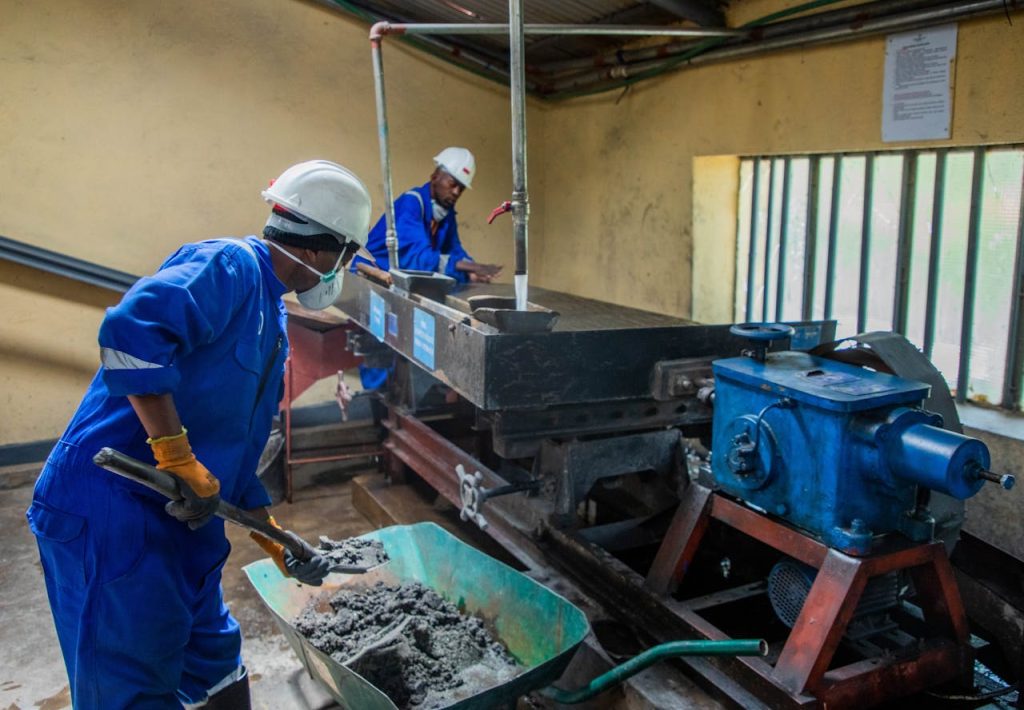
Turning raw flake graphite into “uncoated spherical graphite” (uSPG) increases the value of the export significantly. By establishing localized processing units powered by Guinea’s abundant hydropower, investors can produce battery-ready materials that command a premium in the global market.
Strategic Partnerships with Battery Gigafactories
We are seeing an increase in direct “Off-take Agreements” between Guinean mining projects and European/Asian battery Gigafactories. These long-term partnerships provide the price stability and capital certainty needed to fund large-scale mining developments.
Navigating the Investment Landscape with Yes! Invest Guinea
While the potential is clear, success in Guinea requires local intelligence.
- Regulatory Liaison: Navigating the Ministry of Mines and Geology requires a partner who understands the 2026 legal updates.
- Community Engagement: Successful mining in Guinea is built on strong local partnerships and transparent CSR (Corporate Social Responsibility) programs.
- Technical Feasibility: From JORC-compliant resource estimates to metallurgical testing, yes! invest guinea provides the technical bridge for international firms.
FAQ: Graphite Mining Guinea
- Is Guinean graphite suitable for high-performance EV batteries?
Yes. Geological surveys have confirmed high concentrations of large-flake graphite with high carbon purity, which are the exact specifications required for high-performance anode production.
- What are the tax incentives for critical mineral mining in Guinea?
Under the 2026 reforms, projects focused on “Critical Minerals” like graphite can benefit from corporate tax exemptions during the initial construction phase and reduced royalties for the first five years of production.
- How does the Simandou infrastructure benefit graphite miners?
The new Trans-Guinéen railway provides a multi-user transport corridor that allows graphite mines in the interior to reach Atlantic ports efficiently, significantly lowering the “cost per tonne” for exports.
- Are there environmental regulations specific to graphite processing?
Yes. Guinea follows international EITI (Extractive Industries Transparency Initiative) standards. Graphite processing, particularly the purification stage, must adhere to strict water management and waste disposal protocols.
- How can Yes! Invest Guinea assist in securing mining permits?
We act as your local strategic partner, assisting in the application for exploration and exploitation permits, identifying vetted local partners, and ensuring full compliance with the Guinean Mining Code.
Conclusion: Securing the Future of Energy
As the world pivots toward a sustainable future, the materials that power our batteries will define the new global economy. Graphite Mining in Guinea: Critical Minerals for Battery Tech is not just a mining opportunity; it is a chance to secure a foundational role in the most important industrial transition of our time.
With unmatched geological potential, a supportive regulatory framework, and a strategic location, Guinea is ready to power the world. The question for investors is not whether the demand for graphite will grow, but who will be the first to secure the supply.
Lead the Charge with Yes! Invest Guinea
At Yes! Invest Guinea, we specialize in connecting international capital with the most promising critical mineral projects in West Africa. Our team provides the institutional access and market data you need to invest with confidence.
Contact Yes! Invest Guinea today to receive our 2026 Graphite Sector Investment Briefing.