In the competitive landscape of West African investment, the Republic of Guinea has distinguished itself not only through its vast mineral wealth but through a bold, pro-business fiscal evolution. As of 2026, the Guinean government has accelerated its “Investment Charter” reforms, transforming the nation into a strategic tax haven for industrial and sustainable ventures. Understanding Tax Incentives Guinea is no longer just a task for accountants; it is a critical competitive advantage for any firm looking to participate in the nation’s historic economic expansion.
For the modern investor, Guinea offers a unique “Dual-Benefit” environment: world-class natural resources coupled with a tax regime designed to de-risk capital entry and maximize long-term Internal Rate of Return (IRR).
The 2026 Fiscal Shift: Why Now?
The year 2026 marks a milestone in Guinea’s economic history. With the massive Simandou iron ore project transitioning into high-gear production, the government is using the resulting fiscal space to incentivize diversification. The primary goal is to move beyond mining into “value-added” sectors like agribusiness, renewable energy, and local manufacturing.
The Tax Incentives Guinea framework 2026 is specifically structured to favor companies that contribute to local employment, environmental sustainability, and infrastructure development. By aligning your business goals with these national priorities, your enterprise can unlock unprecedented exemptions.
Primary Tax Incentives Under the 2026 Investment Code
The cornerstone of the Guinean business appeal is the Investment Code, which provides automatic protections and incentives based on the size and location of the investment.
1. Corporate Income Tax (CIT) Holidays
Under the 2026 updates, new companies registered in “Strategic Economic Zones” can benefit from a total exemption from Corporate Income Tax for a duration of 5 to 10 years.
- Zone A (Conakry and environs): 5-year exemption.
- Zone B (Regional interiors): Up to 10-year exemption to encourage rural development.
2. VAT Exemptions on Capital Goods
To lower the “entry cost” for industrial players, the government has expanded VAT exemptions. In 2026, the import of machinery, specialized equipment, and raw materials required for the initial setup phase is subject to a 0% Value Added Tax (VAT) rate. This is particularly beneficial for the Manufacturing and Industrialization sectors.
3. Accelerated Depreciation
For capital-intensive projects, Guinea allows for accelerated depreciation of assets. This enables businesses to write off the cost of equipment faster in the early years of operation, significantly improving cash flow during the critical ramp-up period.
Sector-Specific Incentives: Where to Capitalize
While general incentives apply broadly, the 2026 updates introduce “High-Impact Multipliers” for specific industries.
Agriculture and Agribusiness
In a bid to achieve food sovereignty, the Ministry of Economy and Finance has slashed taxes for the “Green Economy.”
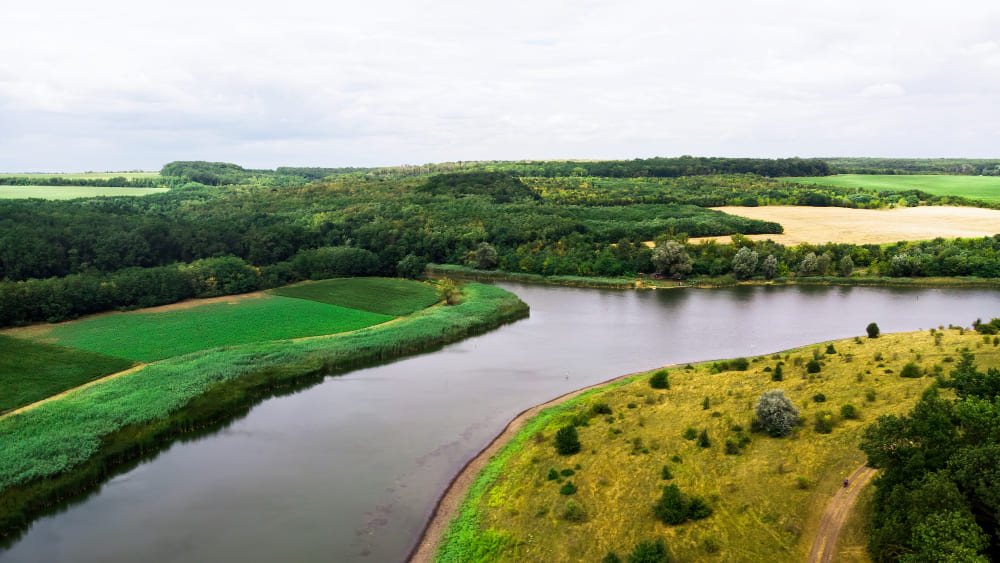
- Export Tax Waiver: 100% exemption on export duties for processed agricultural products (e.g., parboiled rice, refined palm oil).
- Irrigation Equipment: 0% customs duty on solar-powered irrigation and precision farming tools.
Renewable Energy
As Guinea seeks to balance its grid with wind, solar, and biomass, the 2026 incentives for Renewable Energy Guinea projects are among the most generous in the ECOWAS region. Projects that provide “Off-Grid” solutions to rural communities can negotiate a stabilization clause, guaranteeing no new taxes will be applied for 15 years.
Mining and Infrastructure
The mining sector remains a powerhouse. According to the International Monetary Fund (IMF), Guinea’s growth is heavily driven by its mineral exports. To maintain this, the 2026 updates include:
- Mining Agreement Stability: Protection against changes in the fiscal regime during the life of the mining permit.
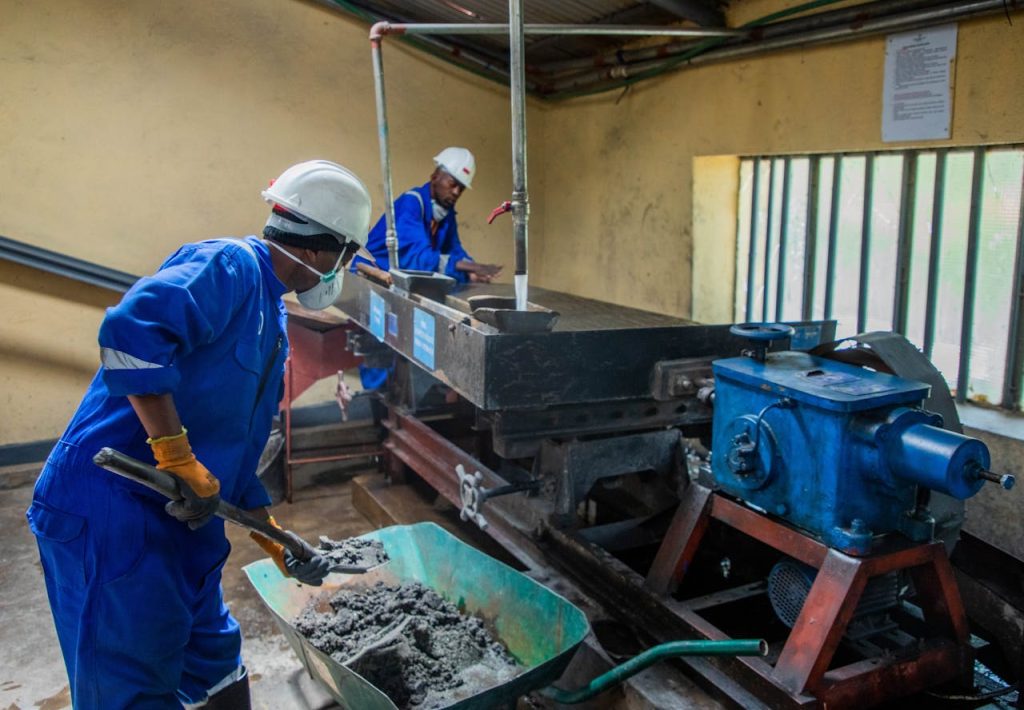
- Customs Drawback: Reimbursement of duties paid on fuel and lubricants used for mineral extraction.
Navigating the “Social License”: ESG and Tax Credits
In 2026, tax benefits in Guinea are increasingly tied to Environmental, Social, and Governance (ESG) performance. This is a global trend supported by organizations like the World Bank’s International Finance Corporation (IFC).
The “Local Content” Credit
Businesses that hire more than 70% of their management staff from the local Guinean workforce qualify for a 10% reduction in payroll taxes. This incentive ensures that foreign investment translates into local expertise and sustainable middle-class growth.
Green Transformation Credits
If your business implements a “Carbon Capture” or “Waste-to-Energy” system, you can apply for Carbon Tax Credits. These credits can be used to offset other domestic tax liabilities, making “being green” a highly profitable financial strategy.
Legal Protections for Foreign Investors
Tax incentives are only as good as the legal framework that protects them. Guinea has made significant strides in improving its “Doing Business” ranking by strengthening judicial independence and digitizing the tax filing process.
- Repatriation of Capital: Guinea guarantees the free transfer of profits, dividends, and invested capital for foreign entities.
- Double Taxation Agreements (DTAs): In 2026, Guinea has expanded its network of DTAs with major trading partners in Europe, Asia, and the Middle East, ensuring that investors are not taxed twice on the same income.
- Arbitration Rights: Most large-scale investment agreements now include clauses for international arbitration (such as the ICSID), providing a neutral ground for dispute resolution.
FAQ: Tax Incentives Guinea 2026
- Does my business need to be a certain size to qualify for tax incentives?
While smaller SMEs receive simplified tax regimes, the most significant “Investment Code” benefits typically apply to projects with a minimum capital investment of approximately $50,000 to $100,000 USD, depending on the sector.
- Are the 2026 tax updates applicable to existing businesses?
Most updates apply to new investments or significant expansions of existing operations. However, “Green Credits” and “Local Content” incentives can often be applied to established firms that upgrade their operations.
- How long does it take to receive a “Tax Incentive Certificate”?
Through the APIP (Agency for the Promotion of Private Investment) “One-Stop Shop,” the approval process for incentive eligibility has been streamlined to approximately 15 to 30 business days.
- Is there a tax on the repatriation of dividends?
Guinea does apply a withholding tax on dividends, but this rate is often significantly reduced (sometimes to 0%) under various Double Taxation Agreements or specific Investment Charter exemptions.
- Can I combine multiple incentives (e.g., Mining and Renewable Energy)?
Yes. In fact, the government encourages “Hybrid Projects.” A mining company that builds its own solar farm can benefit from both Mining Code protections and Renewable Energy customs waivers.
Conclusion: Securing Your Fiscal Future in Guinea
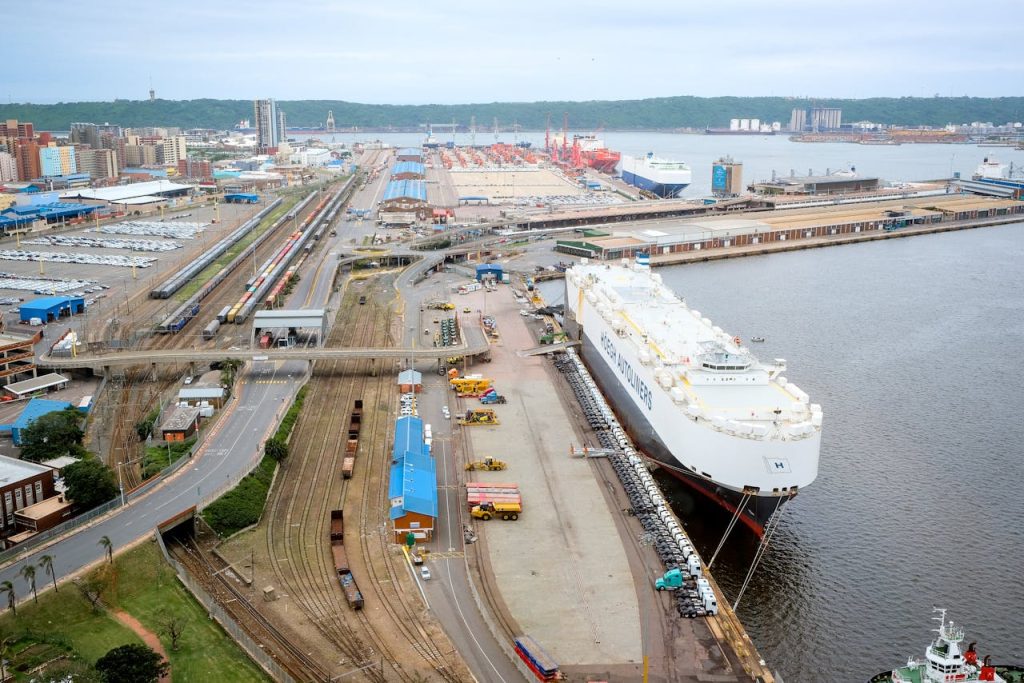
The Tax Incentives Guinea landscape of 2026 is designed for one thing: growth. Whether you are building a deep-water port, a solar ladang, or a poultry processing plant, the fiscal tools available to you are more robust than ever. However, navigating these regulations requires more than a spreadsheet; it requires a partner who understands the pulse of the Guinean administration.
The opportunity to lock in decade-long exemptions is happening now. As the “Simandou Effect” ripples through the economy, those who establish their fiscal footprint today will be the leaders of the West African market tomorrow.
Ready to Maximize Your ROI?
Navigating the 2026 tax updates requires local expertise and strategic positioning. At Yes! Invest Guinea, we specialize in bridging the gap between international capital and Guinean opportunity. We help you identify every applicable tax break, secure your legal standing, and ensure your investment is structured for maximum efficiency.
Contact Yes! Invest Guinea today for a bespoke tax strategy consultation and let us help you unlock the full potential of your Guinean venture.