In 2026, the global conversation surrounding resource management has shifted toward the critical intersection of two vital commodities: water and power. In the Republic of Guinea, a nation often referred to as the “Water Tower of West Africa” due to its massive river systems, a new strategic priority is emerging. While freshwater is abundant in the interior, the rapidly industrializing coastal zones and the massive mining hubs are facing a different reality. The implementation of Desalination Plants Guinea has become a cornerstone of the nation’s infrastructure roadmap, representing the ultimate Water-Energy Nexus in Guinea.
As coastal cities like Conakry expand and mining operations in regions like Boké reach unprecedented scales, the demand for high-purity industrial water is outstripping local groundwater capacities. For institutional investors, engineering firms, and energy pioneers, the desalination sector offers a high-impact entry point into a market where water security is the primary enabler of economic expansion. At Yes! Invest Guinea, we are facilitating the integration of advanced water technologies into the national industrial strategy, ensuring that the “Water-Energy Nexus” drives sustainable prosperity.
The Strategic Imperative: Why Desalination in the “Water Tower”?
It may seem paradoxical to discuss desalination in a country with high rainfall. however, the 2026 economic landscape reveals a clear need for localized, high-reliability water sources.
1. Supporting the Mining and Smelting Boom
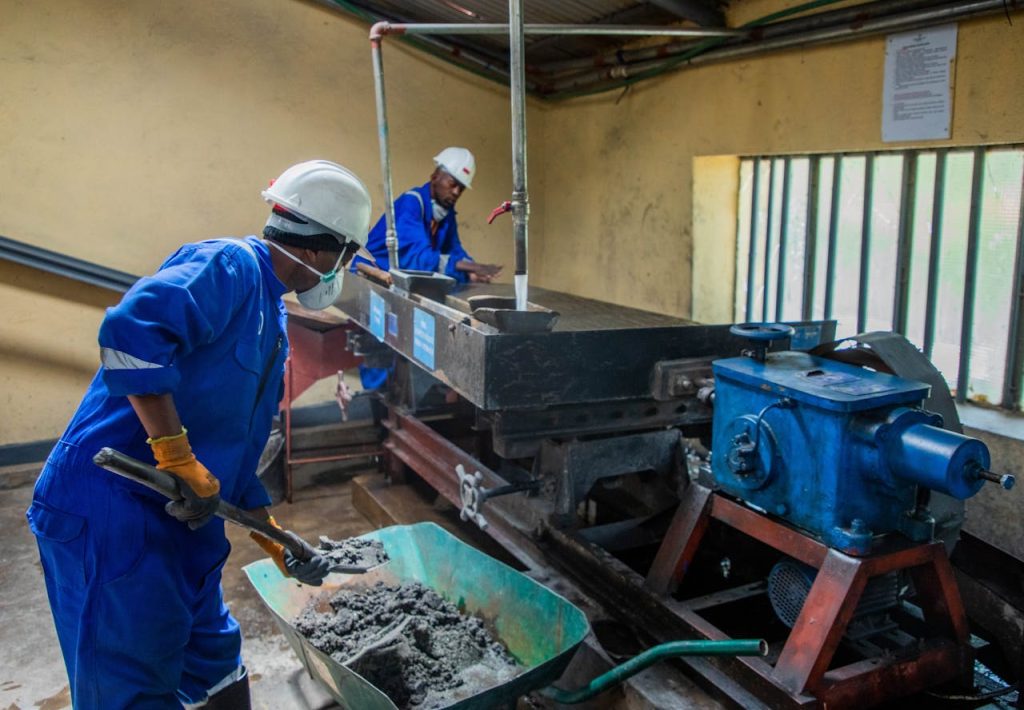
Guinea’s mining sector specifically the transition toward local aluminum smelting and Gold Smelting and Refining requires massive volumes of ultra-pure water. Groundwater extraction at this scale is often ecologically unsustainable and logistically complex. Desalination Plants Guinea provide a dedicated, drought-proof supply of process water directly at the coastal industrial sites, ensuring that production never halts due to seasonal water variability.
2. Urban Resilience and Climate Adaptation
The “Water-Energy Nexus” refers to the fact that water production requires energy, and energy production (especially green hydrogen or traditional thermal) requires water. By integrating desalination with Guinea’s coastal infrastructure, the government is de-risking the urban water supply for a growing middle class. According to the International Desalination Association (IDA), the adoption of “Seawater Reverse Osmosis” (SWRO) in emerging economies is a key indicator of long-term urban resilience and readiness for the 2030 Sustainable Development Goals.
Technical Frontiers: The Energy Efficiency Revolution
In 2026, the viability of desalination in Guinea is tied to the nation’s surplus of clean energy.
1. Powering Water with Hydroelectric Surplus
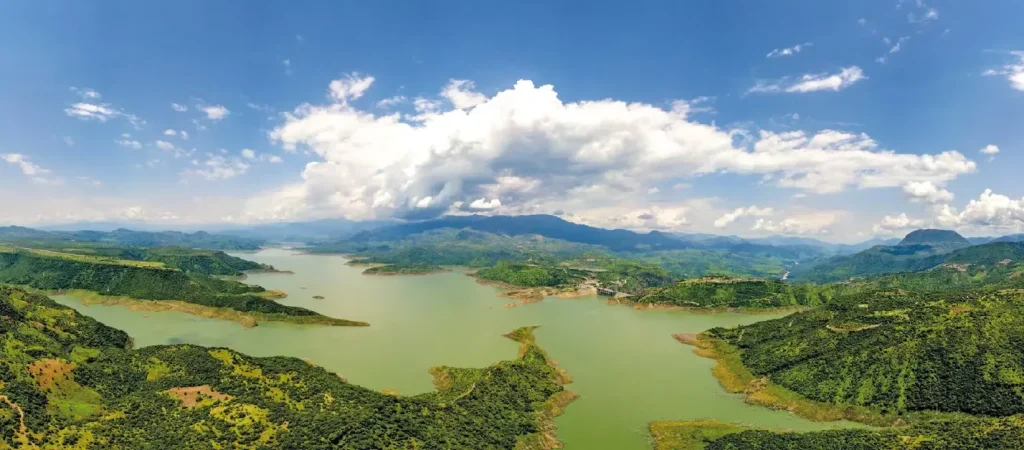
The biggest operating cost for any desalination plant is electricity. Guinea’s massive hydroelectric projects, such as the Souapiti and Kaleta dams, provide the low-cost, renewable baseload power needed to make desalination economically attractive. This synergy allows for the creation of “Green Water” freshwater produced with zero carbon emissions from the energy source.
2. The Rise of “Smart” Desalination
Modern plants in Guinea are utilizing Energy Recovery Devices (ERDs) and AI-driven membrane management systems. These technologies reduce energy consumption by up to 40% compared to legacy systems. For investors, this translates to lower operational expenses and a higher ROI. The World Bank emphasizes that “Circular Water Economies” which utilize high-efficiency desalination are the most stable assets in the 2026 infrastructure portfolio.
Strategic Opportunities in the Water-Energy Nexus
Investing in the Guinean water sector offers multiple avenues for value creation, from large-scale industrial plants to decentralized modular units.
1. Industrial-Scale Coastal Hubs
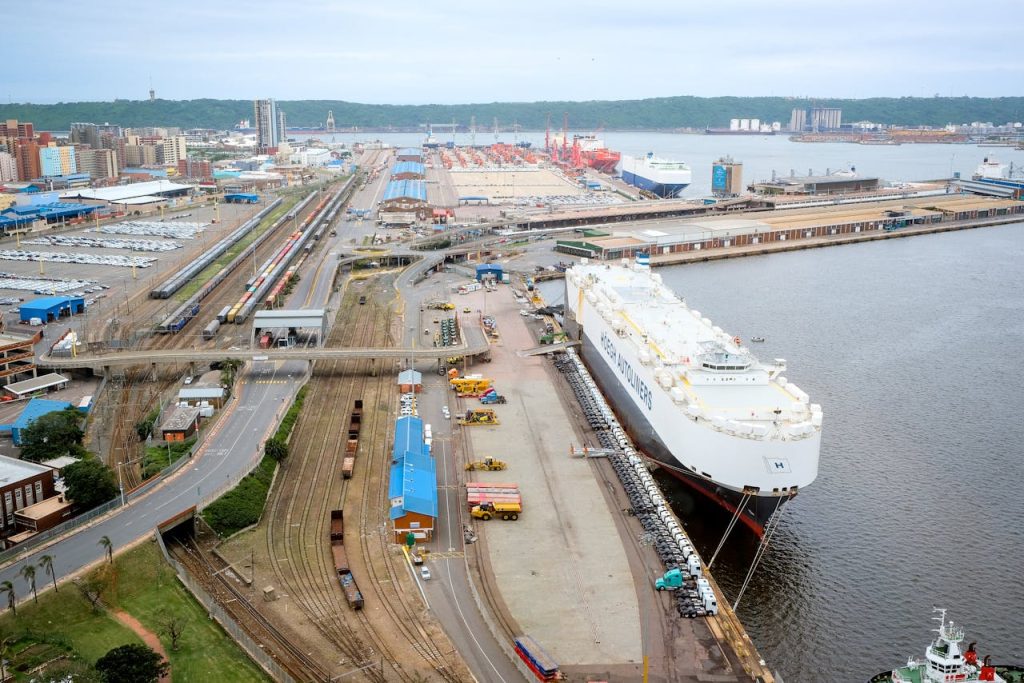
The most immediate opportunity lies in Large-Scale Seawater Reverse Osmosis (SWRO) facilities located near the Port of Conakry and the Boké mining corridor.
- The Model: Build-Own-Operate-Transfer (BOOT) contracts with 20-25 year off-take agreements from mining houses and industrial parks.
- The ROI: Steady, long-term cash flows backed by the essential nature of the commodity.
2. Co-Location with Green Hydrogen
Guinea’s push toward Fuel Cell Technology and green hydrogen requires high-purity deionized water.
- The Opportunity: Co-locating desalination plants with hydrogen electrolyzers. The desalination plant provides the feedstock water, while the energy facility provides the power.
- The Impact: This creates a fully integrated “Energy-Water Park,” a model that is attracting significant ESG Investing from global impact funds.
Why Invest in Guinea’s Water Infrastructure Now?
The 2026 investment climate in Guinea is specifically designed to reward infrastructure pioneers through the Invest in Guinea framework.
1. The 2026 Infrastructure Growth Act
The government has classified desalination and water treatment as “Critical Social Infrastructure,” offering:
- Tax Holidays: Up to 12 years of corporate tax exemption for licensed water production facilities.
- Customs Waivers: 100% duty-free importation of membranes, high-pressure pumps, and Broadband and Fiber Optics sensors used for remote plant monitoring.
- Sovereign Guarantees: For strategic projects, the government provides guarantees on off-take agreements to ensure bankability for international lenders.
2. Legal Security via OHADA
For international engineering and finance firms, the safety of the contract is guaranteed under the OHADA framework. This ensures that long-term water purchase agreements (WPAs) are legally robust and internationally enforceable, providing the peace of mind required for large-scale capital deployment.
Roadmap for Desalination Success in Guinea
- Site Suitability and Intake Analysis: Identifying coastal locations with minimal environmental impact on local marine life.
- Energy Integration: Securing a direct PPA (Power Purchase Agreement) with the national grid or developing onsite renewable solutions.
- Environmental and Social Impact Assessment (ESIA): Ensuring brine disposal methods meet the 2026 “Zero-Liquid Discharge” (ZLD) aspirations of the Ministry of Environment.
- Partnering with Yes! Invest Guinea: We provide the on-the-ground intelligence to secure permits, navigate Legal and Regulatory Assistance, and facilitate Government and Institutional Liaison.
FAQ: Desalination Plants Guinea
- Is desalination expensive compared to river water?
While the CAPEX is higher, desalination provides a “Guaranteed Supply” that is not subject to seasonal drought or river siltation. For industrial users, the cost of a “shutdown” due to water shortage is far higher than the cost of desalinated water.
- How does Guinea manage the environmental impact of brine?
In 2026, all new Desalination Plants Guinea must utilize modern diffusers or mineral recovery systems to treat brine, turning a waste product into marketable sea salts for the Chemical Industry.
- Are there opportunities for “Small-Scale” modular desalination?
Yes. There is high demand for modular, containerized units that can provide potable water to remote mining camps or new Urban Development projects.
- Can desalination plants be powered by solar energy?
Absolutely. Many coastal regions in Guinea have high solar irradiance, making solar-desalination hybrids an excellent option for decentralized water production.
- How can Yes! Invest Guinea help me find technical partners?
We maintain a database of local construction firms and Networking and Partnerships opportunities to help international technology providers find the right local collaborators.
Conclusion: Securing the Liquid Foundation of Industry
The economic future of Guinea is built on a foundation of secure resources. Desalination Plants Guinea: Water-Energy Nexus in Guinea represents the final piece of the industrial puzzle. By turning the Atlantic Ocean into a reliable source of industrial and potable water, Guinea is ensuring that its growth is limited only by its ambition not by its resources.
In 2026, the pioneers of the Guinean water sector are setting the standard for the entire West African region. The question is no longer if Guinea needs desalination, but who will lead the charge in building it.
Secure the Future with Yes! Invest Guinea
At Yes! Invest Guinea, we are the champions of your infrastructure journey. From the first feasibility study to the final drop of pure water, our team provides the local intelligence and institutional access you need to succeed.
Contact Yes! Invest Guinea today to receive our 2026 Water Infrastructure & Desalination Market Analysis.