The global energy transition has traditionally been led by wind and solar. However, in 2026, a more consistent and powerful force is rising from the Atlantic horizon: the ocean. For the Republic of Guinea, a nation with over 300 kilometers of pristine coastline, Wave Energy Harnessing represents the next frontier of sustainable industrialization. While the country’s hydroelectric giants like Kaléta and Souapiti have provided the backbone of the national grid, wave energy offers a unique advantage it is more predictable, higher in energy density, and located exactly where the future of Guinean industry is being built.
As coastal cities like Conakry expand and industrial zones in Kamsar and Boké seek decarbonized power solutions, the “Blue Economy” has shifted from a theoretical concept to a high-yield investment reality. This article explores the technical potential of Wave Energy Guinea, the synergy between marine power and desalination, and the fiscal roadmap for pioneering investors in West Africa’s coastal energy sector.
The Untapped Power of the Guinean Coast
The Atlantic coast of Guinea is characterized by persistent swells originating from the South Atlantic. In 2026, modern monitoring shows that these waves carry a consistent kinetic energy profile that can be transformed into a 24/7 baseload power source.
1. Superior Energy Density and Predictability
Unlike solar energy, which is limited by daylight hours, or wind energy, which can be intermittent, ocean waves are almost never still. Wave energy is roughly 20 to 30 times more energy-dense than wind energy. For Guinea, this means that a relatively small “Wave Farm” can generate the same annual megawatt-hours as a much larger land-based solar park.
2. Strategic Coastal Industrial Synergy
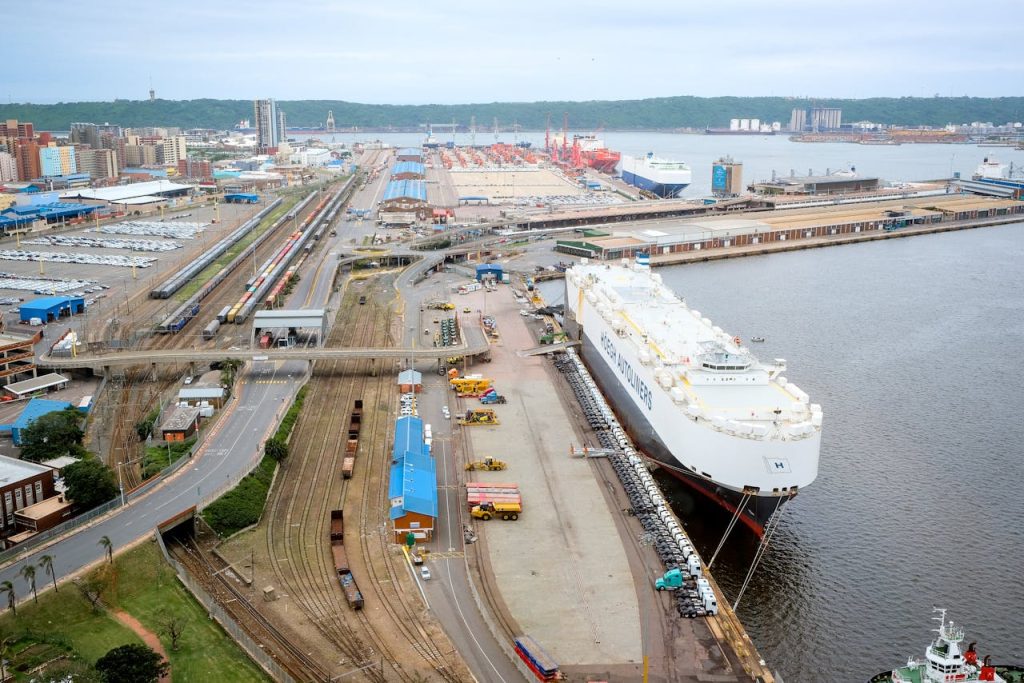
Guinea’s most power-hungry sectors bauxite refining and port operations are located directly on the coast. Wave Energy Harnessing eliminates the “transmission leakage” associated with bringing power from distant inland dams. By generating electricity at the point of consumption, industrial operators can reduce their Levelized Cost of Electricity (LCOE) while significantly lowering their carbon footprint. According to the International Renewable Energy Agency (IRENA), ocean energy is a critical component for small and coastal developing nations to achieve total energy independence.
Technological Frontiers for Wave Energy Guinea 2026
In 2026, the technology for marine energy has matured, moving from experimental prototypes to robust, storm-resistant industrial systems.
1. Point Absorber Buoys
These are floating structures that capture energy from the rise and fall of the waves. In Guinea’s coastal waters, point absorbers are highly effective because they can be deployed in “arrays” (similar to wind farms) and are mostly submerged, making them resilient to the tropical squalls common during the rainy season.
2. Oscillating Water Columns (OWC)
This technology uses the wave’s motion to compress air within a chamber, which then drives a turbine. OWCs can be integrated directly into breakwaters and port infrastructure.
- The Opportunity: For investors in Urban Development and port expansions, integrating OWC technology into new sea walls provides “Dual-Use” infrastructure protecting the coast from erosion while generating clean power.
3. Wave-to-Water: Desalination Synergy
One of the most exciting applications for Wave Energy Guinea is direct mechanical desalination. Instead of converting waves to electricity and then electricity to water pressure, specialized wave pumps can directly drive reverse osmosis systems. This provides a sustainable, carbon-free source of fresh water for coastal populations and Agro-Processing facilities.
Why Invest in Guinea’s Marine Energy Sector Now?
The 2026 investment climate in Guinea is specifically calibrated to reward pioneers in the “Future-Facing” energy sectors through the Invest in Guinea framework.
1. Unprecedented Fiscal Incentives
Under the 2026 Green Energy Policy, wave energy projects are eligible for:
- Tax Holidays: Up to 12 years of corporate tax exemption for the first three commercial-scale wave farms.
- Capital Grants: Direct government co-investment for projects that provide power to rural coastal communities.
- Customs Waivers: 100% duty-free importation of marine-grade turbines, subsea cables, and power conversion systems.
2. Integration with the West African Power Pool (WAPP)
Guinea is a key exporter within the West African Power Pool. By developing wave energy, Guinea can diversify its export portfolio, providing “Green Ocean Power” to neighboring countries like Liberia and Sierra Leone through existing regional interconnectors. This ensures a guaranteed off-take market for every megawatt produced.
3. ESG and “Blue Bond” Financing
Ocean energy projects are the gold standard for ESG (Environmental, Social, and Governance) investors. In 2026, “Blue Bonds” specifically targeted at marine conservation and renewable energy are providing low-interest financing for projects that include coastal protection and Fishing and Aquaculture support in their design.
Roadmap for Coastal Power Development
- Bathymetric and Wave Mapping: Deploying specialized sensors to map the seabed and wave frequency. Yes! Invest Guinea can facilitate access to existing maritime data from the Ministry of Energy.
- Environmental and Social Impact Assessment (ESIA): Ensuring that wave farms do not interfere with migratory paths or local artisanal fishing grounds. In 2026, “Co-location” strategies where wave farms act as artificial reefs for Aquaculture and Fish Farming are becoming the industry standard.
- Strategic Pilot Projects: Starting with a 5MW to 10MW pilot to demonstrate grid stability before scaling to industrial capacities of 50MW+.
- Licensing via the “One-Stop Shop”: Navigating the regulatory requirements of the Ministry of Maritime Economy and the Ministry of Energy through a single streamlined process.
FAQ: Wave Energy Guinea
- Is wave energy technology safe for the marine ecosystem?
Yes. Modern wave energy converters are designed to be “Fish-Friendly,” with slow-moving parts and anti-fouling coatings that do not leach chemicals. In many cases, they act as protected zones that allow local fish populations to thrive.
- Can wave energy withstand the tropical storms in Guinea?
The latest generation of 2026 marine technology includes “Survival Modes,” where buoys can submerge or lock their positions during extreme weather events to prevent damage.
- How does the cost of wave energy compare to solar?
While the initial CAPEX for wave energy is higher than solar, the higher capacity factor (predictability) and the lack of a need for massive battery storage systems make the total system cost highly competitive for coastal industrial hubs.
- Are there specific coastal zones in Guinea reserved for energy projects?
Yes. The government has identified “Renewable Energy Marine Zones” (REMZs) near Kamsar and south of Conakry specifically for offshore wind and Wave Energy Harnessing.
- How can Yes! Invest Guinea assist my marine energy project?
Yes! Invest Guinea provides the institutional bridge. We assist in securing maritime concessions, navigating environmental permits, and connecting you with industrial off-take partners in the mining and manufacturing sectors.
Conclusion: Riding the Wave of the Future
The ocean has always been Guinea’s gateway to the world; in 2026, it is becoming its powerhouse. Wave Energy Harnessing: Coastal Power Opportunities in Guinea represents the perfect alignment of natural wealth and technological innovation. By capturing the relentless energy of the Atlantic, Guinea is not just diversifying its energy mix it is securing a clean, reliable, and sovereign energy future.
The tide is rising for the Blue Economy. The investors who harness the waves today will be the ones who power the African industrial century.
Power the Future with Yes! Invest Guinea
At Yes! Invest Guinea, we are the architects of your investment success. From the first wave study to the final grid connection, our team is your strategic partner in the marine energy revolution.
Contact Yes! Invest Guinea today to receive our 2026 Blue Economy & Coastal Energy Outlook.