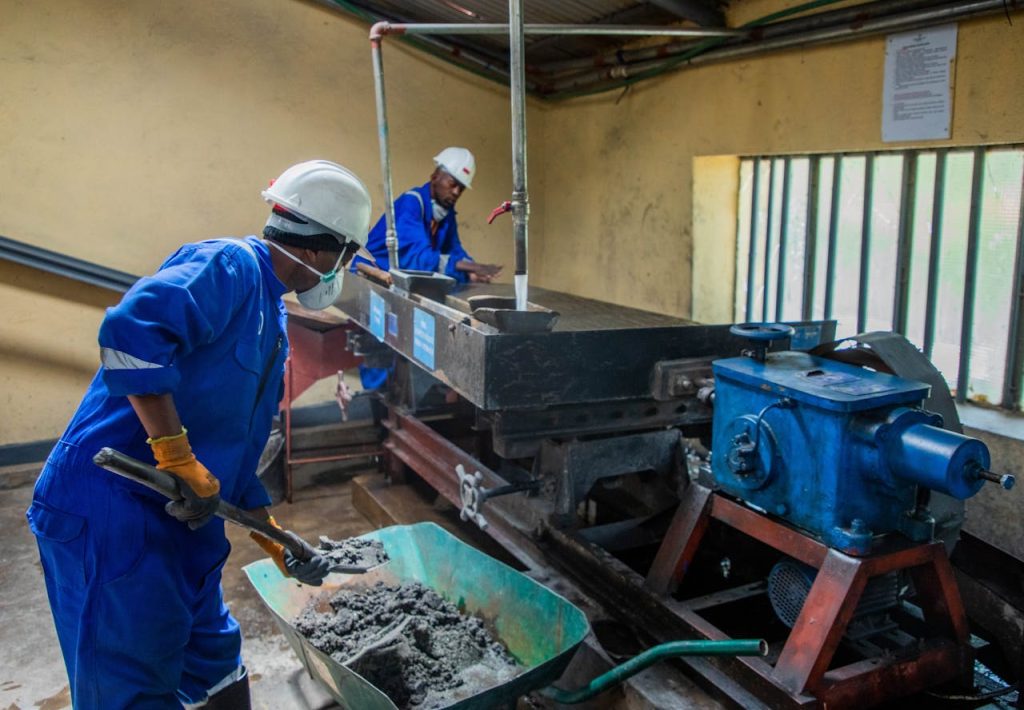
The global industrial landscape is witnessing a seismic shift as the center of gravity for raw material processing moves closer to the source. For decades, the Republic of Guinea has been the world’s “silent partner” in the global steel supply chain, providing the high-grade iron ore that fuels blast furnaces across Asia and Europe. However, in 2026, the narrative is changing. The focus is no longer just on extraction; it is on Steel Production. With the imminent operationalization of the Simandou project the world’s largest untapped high-grade iron ore deposit Guinea is positioning itself to become the premier industrial steel hub of West Africa.
For institutional investors, infrastructure developers, and global engineering firms, the transition from ore exporter to steel producer represents a multi-billion dollar frontier. This article explores the economic catalysts driving Steel Production from Iron Ore: Industrial Opportunities in Guinea, the infrastructure “backbone” making it possible, and the strategic advantages of localized manufacturing in the heart of the Atlantic margin.
The Simandou Catalyst: A Global Iron Ore Powerhouse
At the core of Guinea’s industrial ambition is the Simandou mountain range. Boasting over 2 billion tonnes of iron ore with an average iron (Fe) content of over 65%, Simandou is the highest-quality undeveloped resource on the planet.
1. High-Grade Ore and Green Steel
In 2026, the global steel industry is under immense pressure to decarbonize. High-grade iron ore, such as that found in Guinea, is a prerequisite for “Green Steel” production. High Fe content requires less energy to process and is ideal for Direct Reduced Iron (DRI) technology, which can be powered by green hydrogen or electricity. According to the World Steel Association, transitioning to high-grade inputs is the most effective way for the industry to meet its 2030 emission targets.
2. The Trans-Guinean Railway
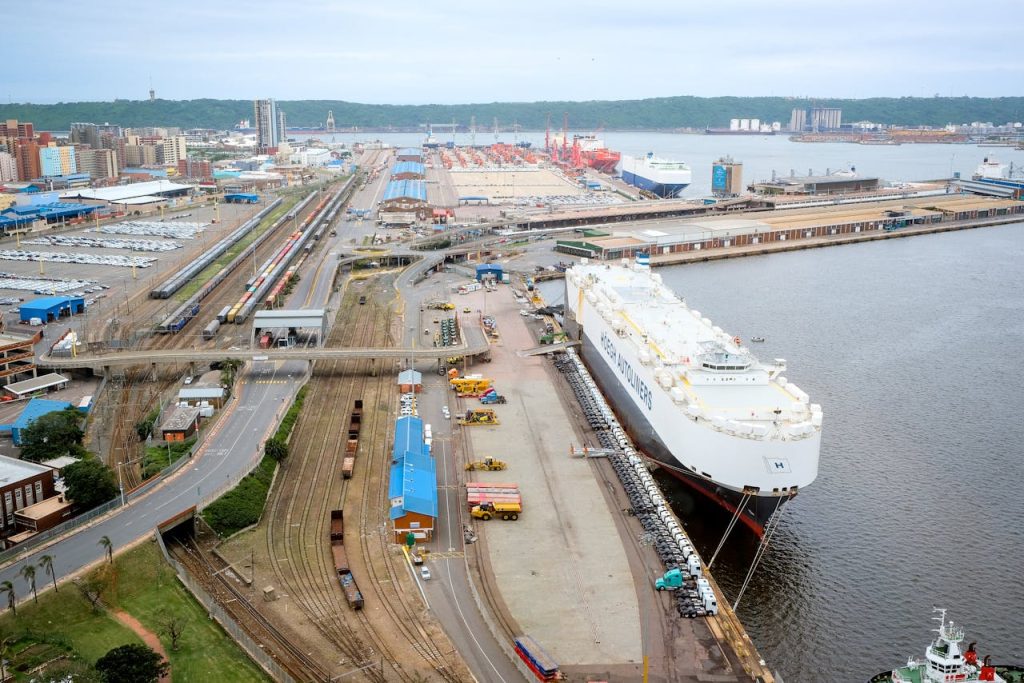
The “logistics spine” of Guinea a 600-kilometer railway connecting the Simandou mines to a new deep-water port at Morebaya is the critical enabler for localized Steel Production. This infrastructure does more than transport ore; it provides the heavy-lift capacity required to bring in industrial equipment and export finished steel products to the world.
Strategic Opportunities in Localized Steel Manufacturing
Setting up a steel plant in Guinea is no longer a logistical pipe dream. The convergence of energy, transport, and raw materials has created a “Perfect Storm” for industrial investment.
1. Establishing Mini-Mills and EAF Facilities
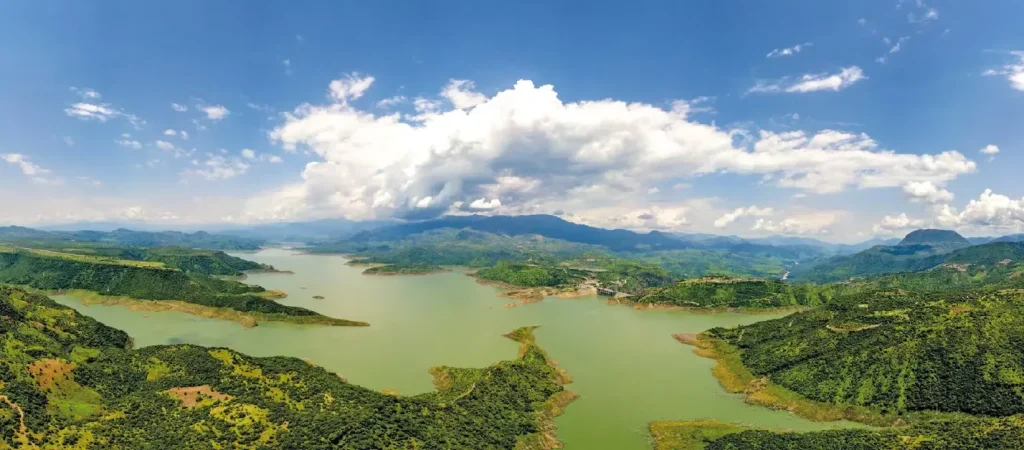
With the expansion of Guinea’s hydroelectric capacity from the Souapiti and Amaria dams, the country now has the surplus power required for Electric Arc Furnaces (EAF).
- The Opportunity: Investors can establish mini-mills to process local iron ore into rebar, wire rods, and structural steel.
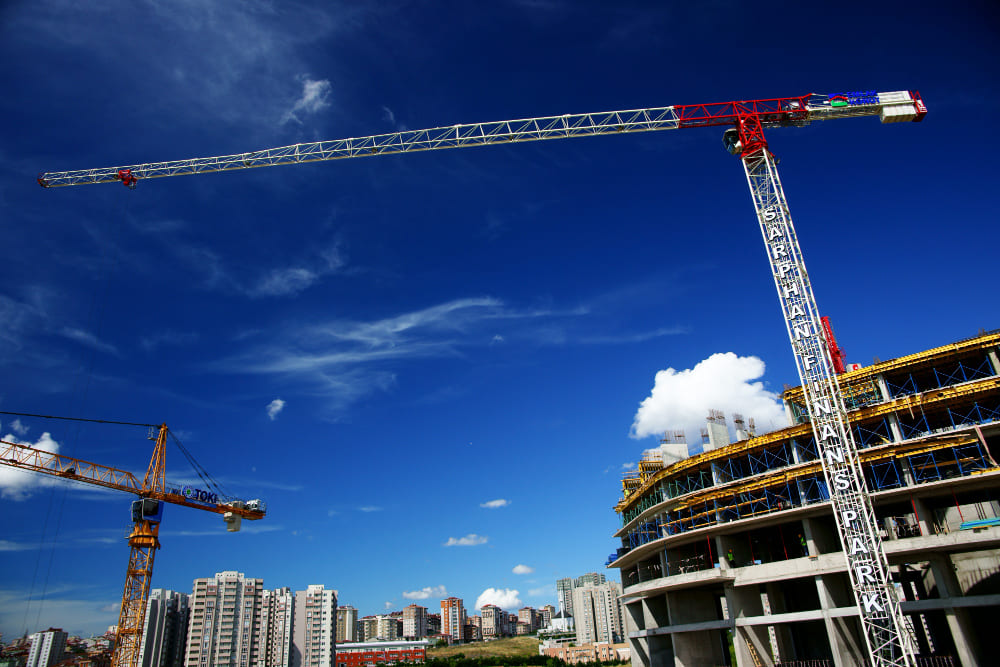
- Target Market: The booming construction sectors of the ECOWAS region, where the demand for high-quality building materials is currently met by expensive imports from Turkey and China.
2. Specialized Alloy and Component Manufacturing
Beyond primary steel, there is a massive gap in the market for specialized mining equipment components. Currently, mining firms in Guinea spend millions importing wear-resistant parts. Localizing a foundry that uses Guinean steel to produce grinding balls, liners, and structural beams for the mining sector offers a high-margin, “captive” market.
3. Billets and Slab Exports
For global steelmakers looking to de-risk their supply chains, Guinea offers a strategic location for the first stage of processing. By producing steel billets or slabs in Guinea and exporting them to finish-rolling mills in Europe or the Americas, companies can significantly reduce their carbon footprint and logistical costs.
Why Invest in Guinea’s Steel Sector in 2026?
The Republic of Guinea has modernized its regulatory framework to ensure that heavy industrial investments are protected and incentivized.
1. The AfCFTA Advantage
As a key member of the African Continental Free Trade Area (AfCFTA), steel manufactured in Guinea enjoys duty-free access to a market of 1.3 billion people. This makes Guinea the natural industrial gatekeeper for the West African infrastructure boom, providing a massive competitive advantage over non-African exporters.
2. Fiscal Incentives for Industrialization
Under the 2026 Investment Code, large-scale steel projects are eligible for:
- Extended Tax Holidays: Up to 15 years of corporate income tax exemption for projects that involve deep value-addition.
- Customs Duty Waivers: 100% exemption on the importation of blast furnaces, rolling mills, and environmental monitoring systems.
- Special Economic Zone (SEZ) Status: Strategic land allocations near the Morebaya port with streamlined administrative “One-Stop Shop” services.
3. Legal Security and OHADA Compliance
Investment in heavy industry requires long-term legal certainty. Guinea’s adherence to the OHADA framework ensures that all commercial contracts, land titles, and joint-venture agreements are governed by a transparent and internationally recognized legal system.
Roadmap for Successful Industrial Entry
- Energy Feasibility Study: Securing a long-term Power Purchase Agreement (PPA) with the national utility or developing dedicated captive solar/hydro capacity.
- Strategic Site Selection: Focus on the Morebaya industrial corridor, which offers the best proximity to both the iron ore railhead and international shipping lanes.
- Environmental and Social Impact Assessment (ESIA): In 2026, “Green Steel” is the standard. Projects must adhere to strict environmental guidelines to ensure access to international “Green Finance” and carbon credits.
- Partner with Yes! Invest Guinea: Leverage our network to navigate the regulatory landscape, secure industrial licenses, and identify local strategic partners for labor and logistics.
FAQ: Steel Production from Iron Ore Guinea
- Is Guinea ready for high-energy industrial smelting?
Yes. With the recent commissioning of major hydroelectric projects, Guinea has transitioned from energy scarcity to a surplus, specifically designated for heavy industrial use in the mining and manufacturing sectors.
- How does Guinean iron ore compare to Australian or Brazilian ore?
Guinean ore, particularly from Simandou, is among the highest grade in the world (65%+ Fe). It requires less processing than lower-grade ores, making it more cost-effective and environmentally friendly for modern steelmaking.
- What is the status of the Simandou railway?
As of 2026, the Trans-Guinean railway is operational, providing a multi-user infrastructure backbone that supports not only the mines but also the industrial parks and steel mills located along the corridor.
- Can I sell Guinean-made steel to neighboring countries?
Absolutely. Under the AfCFTA and ECOWAS treaties, steel produced in Guinea can be exported to neighboring markets like Senegal, Mali, and Côte d’Ivoire with minimal to no tariffs.
- How can Yes! Invest Guinea assist my industrial project?
Yes! Invest Guinea provides institutional liaison, assists in securing land titles within Special Economic Zones, helps negotiate energy tariffs, and facilitates the entire “Business Setup” process through the government’s One-Stop Shop.
Conclusion: Forging the Future of West Africa
The era of Guinea as a mere supplier of raw materials is over. Steel Production from Iron Ore: Industrial Opportunities in Guinea represents the most significant industrial frontier in Africa today. By localizing the value chain, investors are not just building factories; they are building the structural backbone of a continent.
In 2026, the iron is hot, and the infrastructure is ready. The opportunity to lead the West African steel revolution is a high-reward endeavor for those with the vision to invest in the source.
Forge Your Legacy with Yes! Invest Guinea
At Yes! Invest Guinea, we are your strategic gateway to the industrial sector. From the first feasibility study to the final steel ingot, our team provides the local intelligence and institutional access you need to thrive.
Contact Yes! Invest Guinea today to receive our 2026 Iron & Steel Industrial Prospectus.