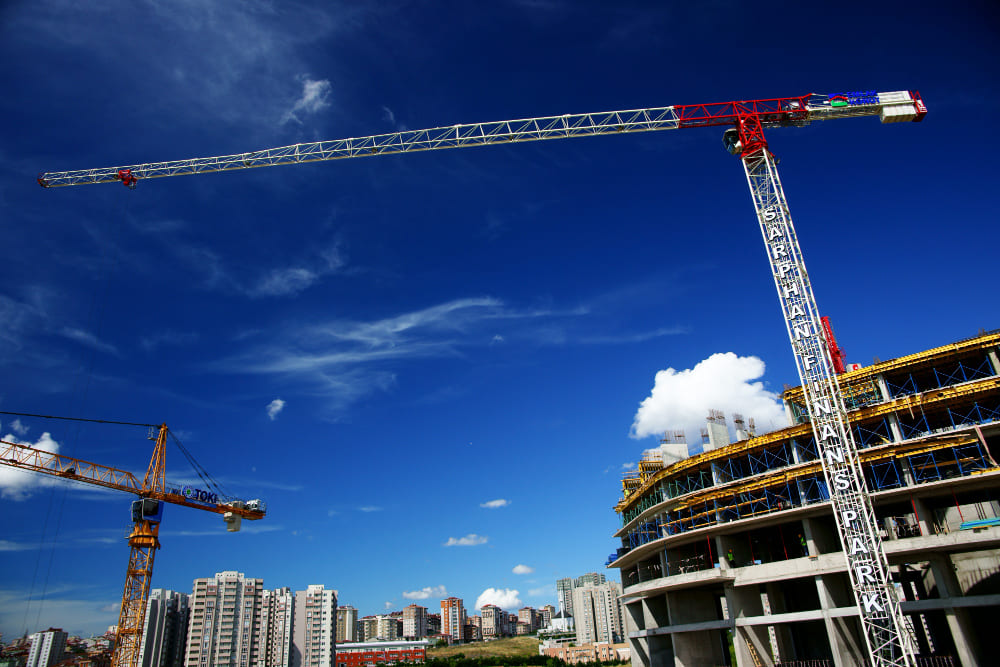
The skyline of Conakry is transforming. Beyond the industrial ports and mining offices, a new driver of economic growth is taking shape: modern retail. In 2026, the Republic of Guinea is witnessing a significant Retail Real Estate boom, characterized by the development of international-standard shopping centers, mixed-use plazas, and organized commercial corridors. As the urban middle class expands and consumer habits shift toward formal retail experiences, Conakry has emerged as a high-yield destination for property developers and global retail brands.
This surge in retail infrastructure is not just about commerce; it is a reflection of Guinea’s increasing economic stability and its integration into the global consumer market. This article provides a comprehensive analysis of the retail property landscape in Conakry, the factors driving this 2026 boom, and the strategic opportunities for investors looking to capitalize on West Africa’s emerging retail frontier.
The Factors Driving the 2026 Retail Surge in Conakry
The transition from traditional open-air markets to organized shopping centers is driven by a combination of demographic shifts and macroeconomic stability.
1. The Rise of the Urban Middle Class
Guinea’s sustained economic growth, fueled by the mining and energy sectors, has led to a burgeoning middle class in the capital city. These consumers have higher disposable incomes and a growing preference for “one-stop” shopping experiences that offer comfort, security, and a variety of brands under one roof.
2. Modernization of Consumer Habits
The younger generation in Conakry is increasingly influenced by global trends. This shift has created a demand for formal retail spaces that house international fashion labels, modern supermarkets, and diverse food and beverage (F&B) outlets. According to the African Development Bank (AfDB), the growth of organized retail is a key indicator of economic maturation in emerging African markets.
3. Favorable Urban Development Policies
The Guinean government has prioritized urban modernization. By simplifying land acquisition processes for large-scale commercial projects and providing incentives for infrastructure development in the Greater Conakry area, the state has lowered the barriers for international real estate developers.
Strategic Opportunities in Retail Real Estate
For investors, the boom in Conakry offers several specialized niches that promise attractive returns on investment (ROI).
Modern Shopping Malls and Lifestyle Centers
There is a significant gap in the market for “Lifestyle Centers” developments that combine retail with entertainment, such as cinemas, children’s play areas, and high-end dining. These centers become community hubs, ensuring high foot traffic and long-term tenant retention.
Mixed-Use Developments
In a densely populated city like Conakry, mixed-use projects that integrate Retail Real Estate on the ground floors with premium office space or residential apartments above are highly successful. This model maximizes land value and provides a built-in customer base for the retail tenants.
Neighborhood Retail Plazas
Beyond the mega-malls, there is a rising demand for smaller, organized retail plazas in fast-growing residential suburbs like Lambanyi, Kipé, and Ratoma. These plazas serve the daily needs of local residents, offering supermarkets, pharmacies, and service providers in a convenient, modern setting.
Why Invest in Conakry’s Retail Sector Now?
The window for “first-mover” positioning in Guinea’s formal retail sector is open in 2026, offering advantages that latecomers will struggle to replicate.
- High Occupancy Rates: Current modern retail spaces in Conakry enjoy near-full occupancy, indicating that supply is still struggling to keep up with demand from local and international brands.
- Legal Protections under OHADA: As part of the OHADA framework, Guinea offers standardized commercial lease laws that protect both the landlord and the tenant, ensuring a predictable and secure investment environment.
- Infrastructure Synergy: Ongoing improvements in the city’s road networks and electricity supply are making previously inaccessible areas prime locations for new retail developments.
Navigating the Development Process
Success in the Guinean real estate market requires a blend of international standards and local expertise.
- Site Selection and Due Diligence: Identifying land with clear “Titre Foncier” (Land Title) is the most critical first step. Investors must ensure that the site is strategically located relative to the city’s expansion path.
- Concept and Design: Working with architects who understand both international retail requirements and the local climate is essential. Features like adequate parking, efficient cooling systems, and backup power generators are non-negotiable for modern tenants.
- Tenant Mix Strategy: A successful mall requires a balanced mix of “anchor tenants” (like major supermarket chains) and smaller specialty stores to ensure consistent traffic and diverse revenue streams.
FAQ: Retail Real Estate Conakry
- Is it possible for foreign entities to own commercial land in Guinea?
Yes. Foreign investors can own and develop land in Guinea, typically through a local company structure. The process is transparent, provided you follow the formal registration procedures at the land registry.
- What are the typical lease terms for retail tenants in Conakry?
Commercial leases are governed by OHADA law. Standard leases are often 3, 6, or 9 years, providing stability for the developer and a clear timeframe for the tenant’s business growth.
- Which international brands are already entering the Guinean market?
We are seeing a surge in West African and European supermarket chains, as well as global fast-food franchises and apparel brands looking for high-quality mall space.
- How does the government support retail property developers?
The Investment Code offers customs duty exemptions on imported construction materials for large-scale projects and tax holidays for developers contributing to urban renewal.
- How can Yes! Invest Guinea assist with my retail project?
Yes! Invest Guinea provides market entry support, including site identification, legal due diligence on land titles, regulatory liaison for permits, and connections to vetted local construction firms.
Conclusion: Shaping the Future of Conakry
The Retail Real Estate Boom: Shopping Centers in Conakry 2026 is more than just a trend; it is the blueprint for the future of Guinean urban life. For the strategic investor, the opportunity to shape the commercial heart of the city while securing high-yield assets is unparalleled in the region.
The consumers are ready, the demand is proven, and the infrastructure is following. Now is the time to build the spaces where Guinea shops, dines, and connects.
Build Your Legacy with Yes! Invest Guinea
At Yes! Invest Guinea, we are your strategic partner in the real estate sector. From the first brick to the grand opening, our team provides the local intelligence and institutional access you need to succeed in Conakry’s retail market.
Contact Yes! Invest Guinea today to receive our 2026 Retail Property Investment Prospectus.