The Republic of Guinea is often described by geologists and economists as a “geological scandal.” This term, far from being negative, refers to the country’s extraordinary and disproportionate abundance of high-value mineral resources. As we move through 2026, the global transition toward green energy and the massive demand for high-grade industrial metals have placed Mining Opportunities in Guinea at the forefront of the international investment stage.
At Yes! Invest Guinea, we recognize that the current era represents a pivotal turning point. With the implementation of the “Simandou 2040” vision and a modernized regulatory framework, Guinea is no longer just a source of raw materials it is a sophisticated industrial hub offering stability, infrastructure, and unparalleled returns.
1. The Bauxite Titan: Dominating the Global Supply Chain
Guinea holds the world’s largest reserves of bauxite, the primary ore used to produce aluminum. With reserves estimated at over 40 billion tonnes, the country is the undisputed leader in this sector.
From Extraction to Alumina Refining
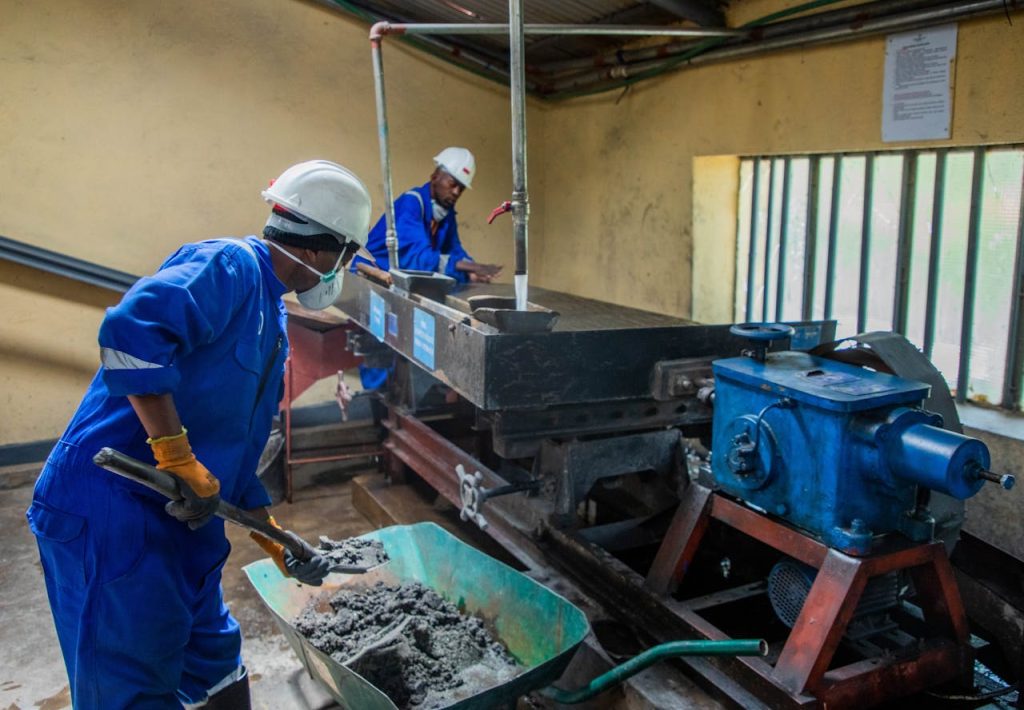
In 2026, the strategic focus has shifted from the mere export of raw bauxite to domestic value addition. The Guinean government now offers significant tax incentives for investors who establish alumina refineries within the country. This transition to mid-stream processing is designed to capture a higher percentage of the value chain, making it a golden opportunity for industrial conglomerates looking to secure long-term supply for the global aerospace and automotive industries.
Sustainable Mining Practices
International investors are increasingly prioritizing ESG (Environmental, Social, and Governance) standards. Guinea’s updated Mining Code emphasizes sustainable land rehabilitation and community development, ensuring that bauxite mining remains a viable and ethical long-term venture.
2. The Simandou Iron Ore Revolution
The Simandou mountain range represents the world’s largest untapped deposit of high-grade iron ore. After decades of anticipation, the project is now operational, supported by the massive Trans-Guinean infrastructure corridor.
Infrastructure as a Multiplier
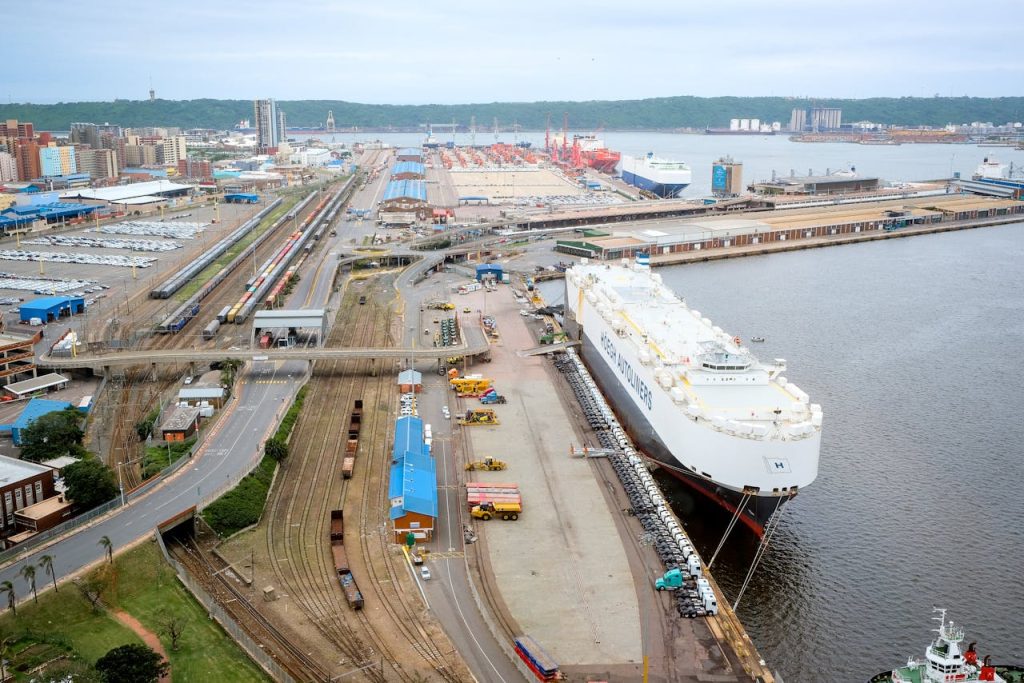
The development of a 670 km railway and a deep-water port has solved the historical challenge of logistics in Guinea. For international investors, this means that the “entry barrier” of infrastructure has been dismantled. This corridor now serves as a multi-user transport spine, allowing for the cost-effective movement of minerals from the deep interior to global markets.
High-Grade Ore for Green Steel
Simandou’s iron ore is prized for its high purity, which is essential for “Green Steel” production. As the global steel industry seeks to decarbonize, the demand for Guinea’s high-grade ore is projected to skyrocket, providing a recession-proof investment path.
3. Beyond the Big Two: Gold, Diamonds, and Critical Minerals
While bauxite and iron ore dominate the headlines, Guinea’s mineral diversity extends much further, offering niche opportunities for specialized mining firms.
Gold and Diamonds
The Birimian gold belts of Upper Guinea continue to yield significant artisanal and industrial output. Modernization of the Mining and Natural Resources sector has paved the way for large-scale, tech-driven exploration projects. Similarly, Guinean diamonds are renowned for their quality, attracting boutique luxury supply chain investors.
Critical Minerals: The Tech Frontier
The global push for electrification has turned the spotlight on Guinea’s potential for critical minerals such as:
- Antimony and Bismuth: Essential for high-tech applications and fire retardants.
- Graphite and Nickel: Key components in the battery revolution.
- Investment in these “minerals of the future” is heavily supported by the 2026 Investment Code, which provides customs duty exemptions for specialized exploration equipment.
4. Legal Security and the OHADA Framework
One of the most critical factors for international investors is the security of their assets. Guinea provides this through its adherence to the OHADA (Organization for the Harmonization of Business Law in Africa) legal system.
Transparent Licensing and Compliance
The digital mining cadastre has made the process of applying for and renewing mining titles completely transparent. Investors can track their applications in real-time, reducing administrative friction. Furthermore, Guinea’s membership in the Extractive Industries Transparency Initiative (EITI) ensures that the sector operates under global standards of financial accountability.
Incentives for 2026
Investors entering the Guinean mining sector today benefit from:
- Stability Agreements: Protection against future changes in fiscal law.
- Profit Repatriation: Guaranteed rights to transfer dividends and capital in foreign currency.
- Exemptions: VAT and customs holidays during the intense exploration and construction phases.
5. Integrating Technology: The Smart Mine
In 2026, Guinea is embracing the “Industry 4.0” revolution. The expansion of the national fiber-optic backbone has enabled the deployment of Innovative Tech in remote mining sites.
IoT and Data Analytics
From autonomous hauling fleets at Simandou to IoT Guinea sensors monitoring environmental impact in the Boke region, technology is driving efficiency and safety. Investors who bring technological expertise to the table will find a government eager to facilitate digital-first mining operations.
Frequently Asked Questions (FAQ)
- Is it safe for international firms to invest in Guinea’s mining sector?
Yes. Guinea operates under the OHADA legal framework, providing international standard protection for commercial contracts and assets. The country has a long history of partnering with major global mining firms.
- What are the tax benefits for new mining projects?
Under the 2026 Investment Code, projects can receive customs duty exemptions on equipment, VAT holidays during the construction phase, and corporate tax stability agreements for the duration of the mining title.
- How does Guinea handle environmental regulations in mining?
Guinea has strict environmental protocols aligned with international standards. All projects require an Environmental and Social Impact Assessment (ESIA) and a clear plan for site rehabilitation.
- Can investors own 100% of a mining project?
While the state typically retains a 15% non-dilutable stake in mining projects to ensure national interest, foreign investors can own and control the remaining 85% of the operating company.
- How can Yes! Invest Guinea assist my company?
We provide “Institutional Concierge” services, including market entry analysis, local partner matchmaking, Legal and Regulatory Compliance guidance, and administrative liaison with the Ministry of Mines.
Conclusion: The Strategic Window is Open
The convergence of global demand, infrastructure completion, and legal stability has made 2026 the optimal year to secure your stake in Guinea’s mineral wealth. The opportunities are not limited to extraction but extend to processing, logistics, and technology.
At Yes! Invest Guinea, we are ready to help you navigate this high-growth landscape. The future of global mining is being written in the mountains and plateaus of Guinea.