West Africa is currently home to some of the most resource-rich and rapidly evolving economies on the continent. As global capital seeks new markets for diversification, two nations frequently stand at the top of the shortlist: Guinea and Senegal. While Senegal has built a commendable reputation for political stability and urban infrastructure, Guinea offers an unmatched resource potential that is fundamentally reshaping the global supply chain for critical minerals and renewable energy.
For the strategic investor in 2026, the choice between these two neighbors depends on one’s appetite for growth. While Senegal offers a “steady state” environment, Guinea provides a “transformative” landscape. This article provides a deep-dive comparison into why Guinea Investment Opportunities currently present a more compelling case for long-term, high-impact capital deployment.
Guinea vs. Senegal: A Strategic 2026 Comparison
To understand the shift in investor sentiment, we must look at the fundamental pillars of each economy. Senegal has historically been the “gateway” to Francophone Africa, but Guinea is rapidly becoming the “engine room” of the sub-region.
Unmatched Natural Resources
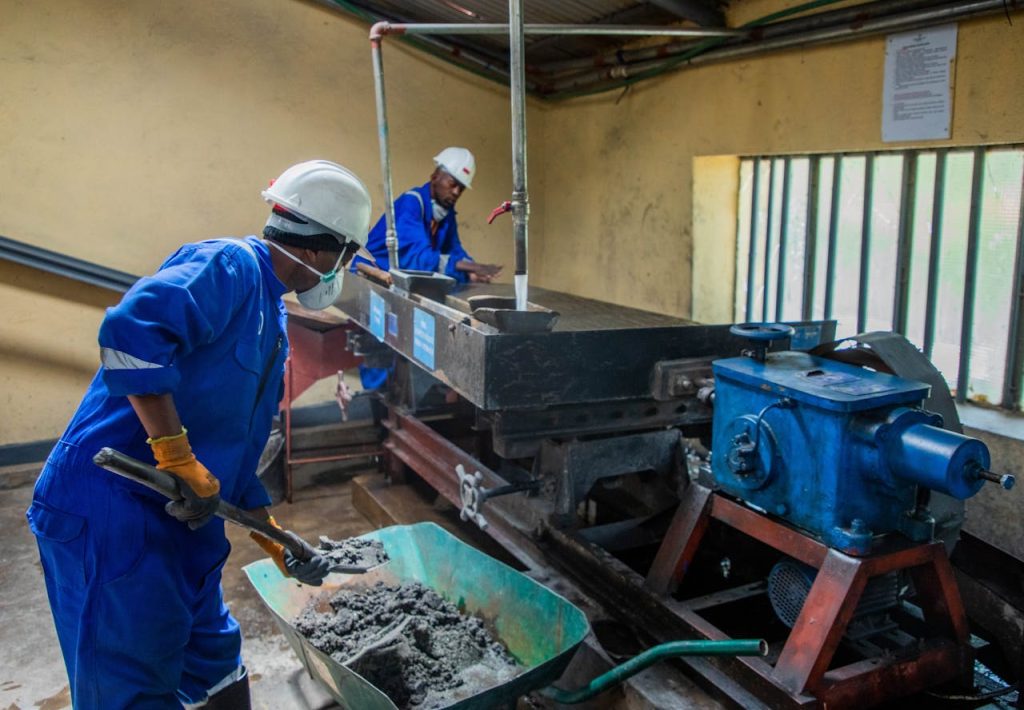
The primary differentiator remains beneath the soil. Senegal’s mineral sector is centered on phosphates and zircon, with recent and significant forays into offshore oil and gas. While impressive, they pale in comparison to the sheer scale of Guinea’s mineral wealth.
- Guinea: Holds over one-third of the world’s bauxite reserves and the Simandou project the world’s largest high-grade iron ore deposit.
- Senegal: Emerging as an energy player, but faces the global volatility of the hydrocarbon market.
Why Guinea wins: Guinea’s minerals are “critical minerals.” As the world shifts toward electric vehicles and green construction, the demand for Guinean bauxite (for aluminum) and high-grade iron ore (for green steel) is guaranteed by global industrial necessity. According to the International Aluminium Institute, Guinea’s role in the supply chain is now a matter of global economic security.
Renewable Energy and Hydropower Leadership
The 2026 energy transition has placed a premium on carbon-free baseload power. While Senegal has made strides in solar and wind, Guinea’s topography allows for something far more potent: massive-scale hydropower.
- Senegal: Focuses on a mix of gas-to-power and solar arrays.
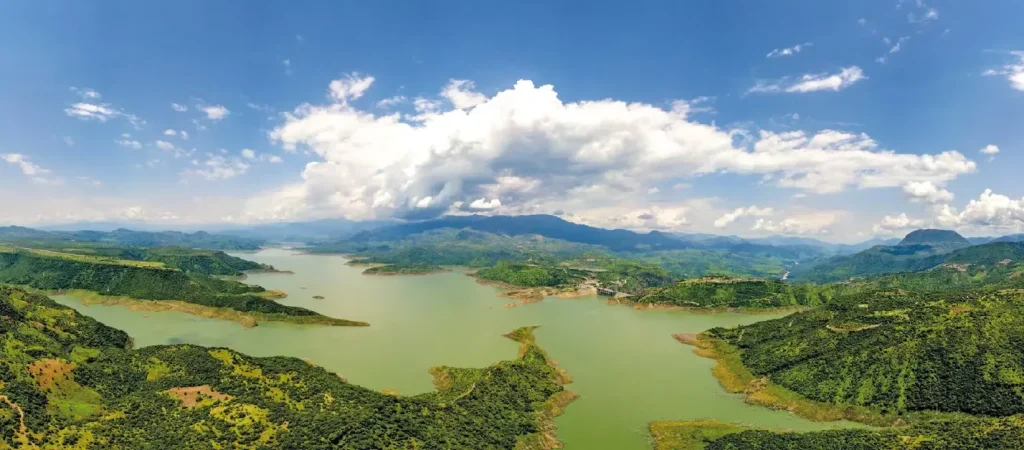
- Guinea: Known as the “Water Tower of Africa,” its hydroelectric potential exceeds 6,000 MW.
Why Guinea wins: Guinea is not just powering itself; it is becoming a regional exporter. Through the West African Power Pool (WAPP), Guinea is positioned to sell surplus green energy to the entire ECOWAS region, offering investors a “Green Energy” asset class that Senegal’s gas-led strategy cannot match.
Agriculture and Agribusiness: Untapped vs. Mature
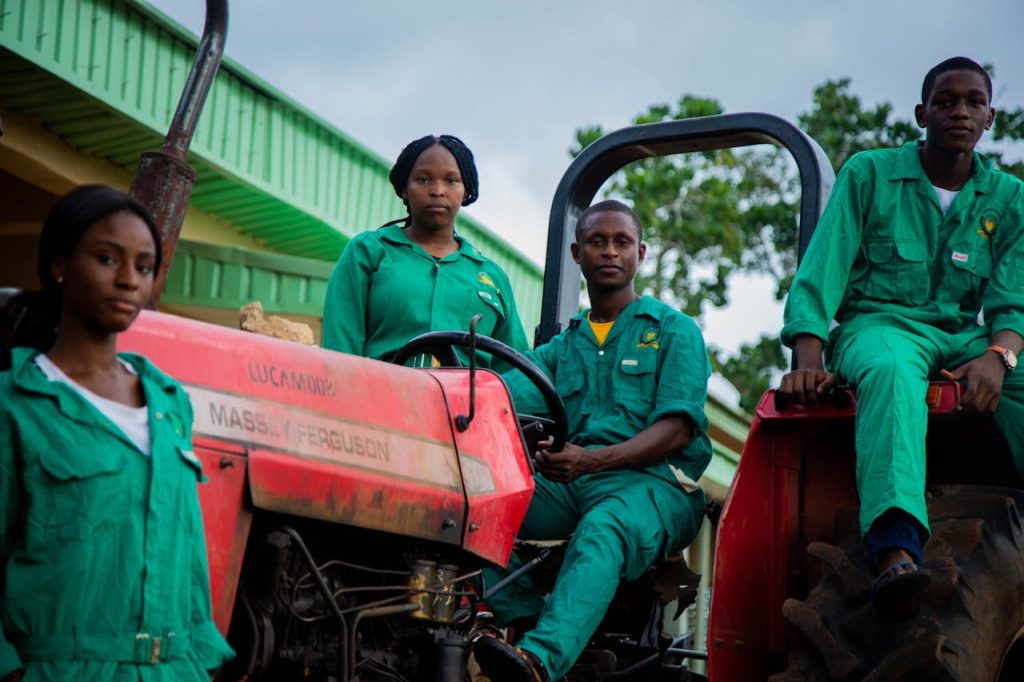
Both nations possess fertile land, but the “yield gap” in Guinea represents a massive opportunity for agribusiness investors.
Land Availability and Diversity
Senegal’s agricultural sector is well-established in groundnuts and fisheries. However, Guinea offers a broader range of climatic zones—from the humid coastal plains to the temperate Fouta Djallon highlands.
- Guinea: Ideal for coffee, cocoa, cashews, and large-scale rice production.
- Senegal: Faces increasing challenges with soil salinization and limited arable land expansion.
Why Guinea wins: The sheer volume of underutilized, fertile land in Guinea allows for “mega-farm” configurations that are no longer possible in the more densely settled agricultural zones of Senegal. For investors in food security, Guinea is the ultimate frontier.
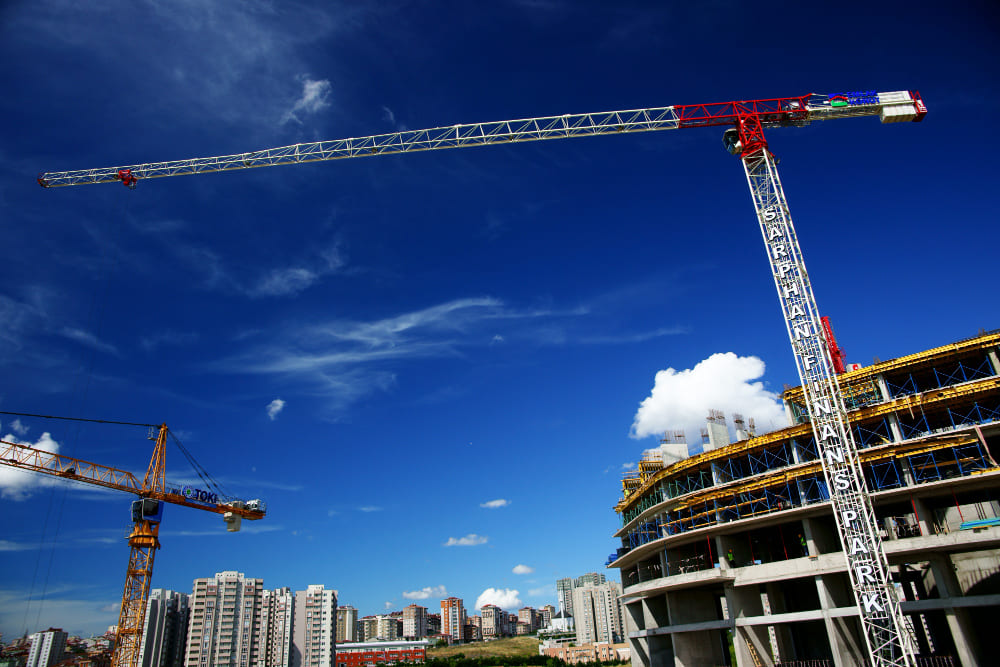
Infrastructure Development: The First-Mover Advantage
A common critique of Guinea has been its infrastructure gap. However, in 2026, this gap is exactly where the highest returns are found.
Transformative Projects vs. Urban Maintenance
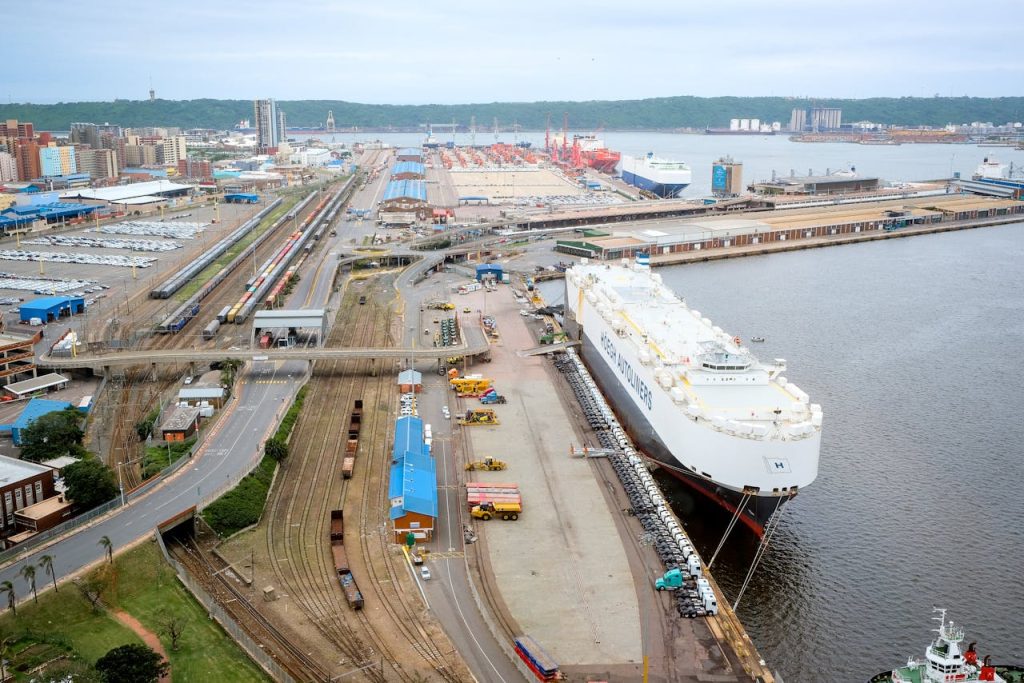
Senegal has achieved “middle-income” infrastructure status in Dakar, with modern highways and a polished port. Guinea, conversely, is in the midst of an infrastructure boom driven by the $20 billion Simandou investment.
- Guinea: Building 650km of new multi-user railway and deep-water ports.
- Senegal: Focusing on urban transit and maintaining existing networks.
Why Guinea wins: Investing in Senegal is a “beta” play you are buying into a mature market. Investing in Guinea is an “alpha” play. The World Bank notes that Guinea’s infrastructure projects are transformative, meaning the “first-mover” advantage for those providing logistics, tech, and support services is unprecedented.
Legal and Regulatory Frameworks: Security in 2026
Both Guinea and Senegal are members of OHADA (Organization for the Harmonization of Business Law in Africa), providing a unified legal language for contracts and arbitration.
Enforceability and Incentives
Guinea’s 2026 Investment Code has been specifically tailored to protect foreign capital in high-stakes sectors. While Senegal has strong governance, Guinea’s new “Special Economic Zones” (SEZ) offer 0% corporate tax for up to 10 years, a move designed to outcompete regional neighbors for manufacturing and processing plants.
Why Guinea wins: Guinea’s resource-driven contracts often include more robust international arbitration clauses (ICSID), providing a layer of security that matches Senegal’s political stability with hard-coded legal protections.
FAQ: Investing in Guinea vs. Senegal
- Is Senegal safer than Guinea for foreign investors?
Senegal has a longer history of multi-party democracy, but Guinea has implemented significant structural reforms in 2026 to de-risk investments. With the backing of international partners like the IFC and MIGA, Guinea’s “Project Risk” has decreased significantly.
- Which country has better tax incentives?
While both offer incentives, Guinea’s 2026 reforms provide more aggressive tax holidays (up to 15 years in some sectors) for projects that involve local value-addition, such as alumina refining or food processing.
- How does the “Simandou Effect” change the comparison?
Simandou is a “black swan” event for Guinea. It brings $20 billion in direct investment a figure that dwarfs the total FDI of many neighboring countries. This creates a “multiplier effect” across Guinea’s construction, logistics, and service sectors.
- What about currency risk?
Both countries utilize the Guinean Franc (GNF) and the CFA Franc (XOF) respectively. While the CFA is pegged to the Euro, Guinea’s central bank has maintained a stable GNF in 2026 through massive mineral export revenues, providing a natural hedge for investors.
- Which country is better for renewable energy?
Guinea. While Senegal is good for solar, Guinea’s hydropower capacity is the most cost-effective baseload energy source in West Africa, making it the superior choice for energy-intensive industries.
Conclusion: Why Guinea is the Superior Choice for Long-Term Growth
Senegal is an excellent market for investors seeking lower-risk, lower-yield “entry-level” African exposure. However, for institutional investors, mining giants, and agribusiness pioneers, Guinea Investment Opportunities represent the most significant growth story on the continent in 2026.
By choosing Guinea over Senegal, companies are not just buying into a country; they are securing a position in the world’s most critical mineral supply chains and the region’s future green energy hub. The upside in Guinea is not just marginal it is foundational.
Secure Your Future with Yes! Invest Guinea
Navigating the differences between West African markets requires local expertise and a strategic lens. At Yes! Invest Guinea, we help you move beyond the “surface stability” of the region to find the deep, transformative value that only Guinea can offer. From legal due diligence to institutional liaison, we are your partner in the “Water Tower of Africa.”
Contact Yes! Invest Guinea today to receive our 2026 Comparative Investment Report and Sector Analysis.