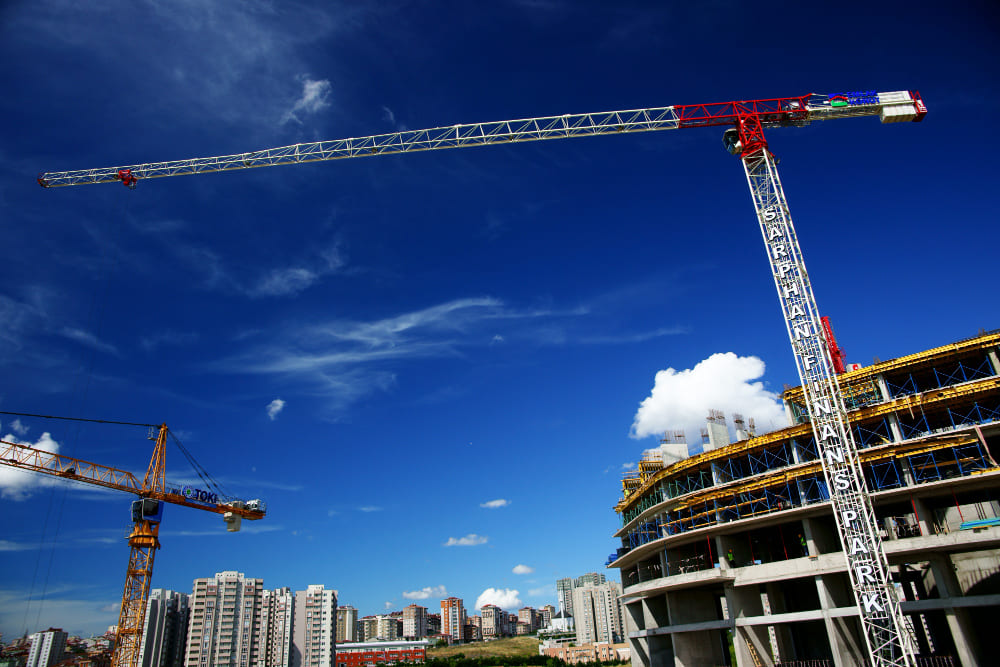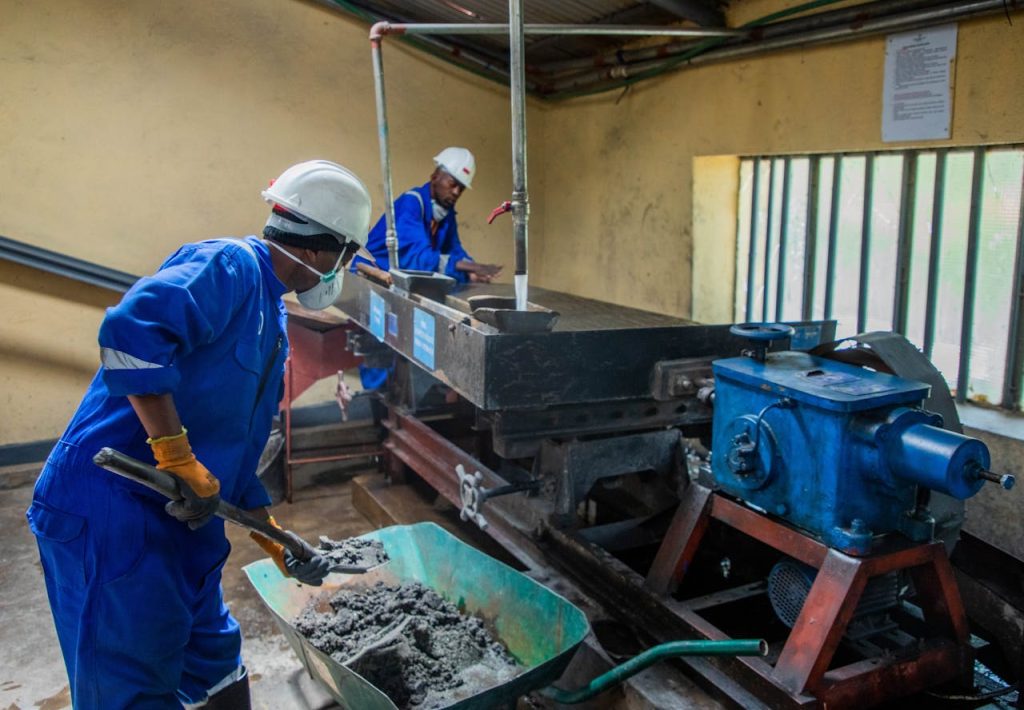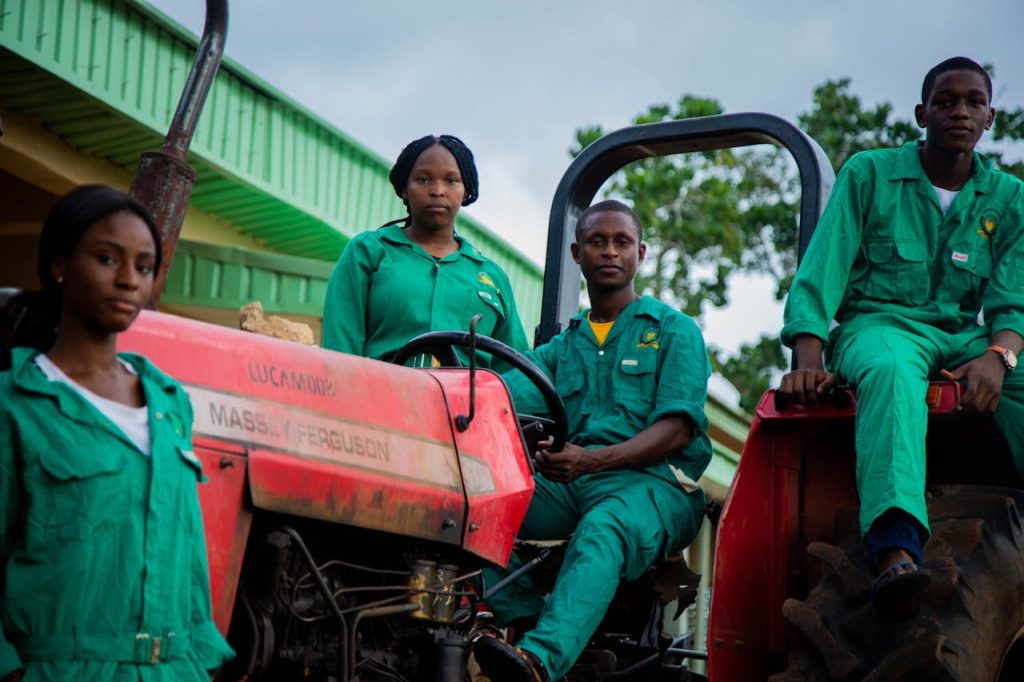
The global energy landscape in 2026 is defined by a race toward reliability and decarbonization. While the world looks toward green transitions, the Republic of Guinea is currently executing one of the most ambitious power sector transformations in West Africa. The narrative of Electricity Guinea has shifted from a story of potential to one of massive infrastructure execution.
Driven by the need to power the world’s largest integrated mining projects and a rapidly urbanizing population, Guinea’s national power grid is undergoing a multi-billion dollar upgrade. For international investors, the current window represents a “structural phase” where capital is no longer chasing speculative growth but is instead anchoring into the very backbone of a nation’s industrial future.
The 2026 Energy Landscape: Demand Meets Development
Guinea’s energy sector is currently at a tipping point. With a projected annual electricity demand growth of over 4.5% outpacing the global average the pressure on the national utility, Électricité de Guinée (EDG), has catalyzed a wave of Public-Private Partnerships (PPAs).
1. Closing the Supply-Demand Gap
While Guinea possesses an estimated 6,000 MW of untapped hydroelectric potential, the primary bottleneck has historically been transmission and distribution. In 2026, the strategy is shifting toward “Grid Resiliency.” Large-scale investments are being directed into high-voltage transmission lines that connect the hydroelectric powerhouses of the interior to the industrial hubs of the coast.
2. The Simandou Effect on Infrastructure
The development of the Simandou iron ore project has served as a primary catalyst for power infrastructure. To support the massive rail and port operations, the government and private consortiums are investing in dedicated power corridors. These upgrades aren’t just for mining; they create “spillover effects” that allow for rural electrification and the stabilization of the urban grid.
3. Regional Interconnection and the WAPP
Guinea is a key player in the West African Power Pool (WAPP). In late 2025 and throughout 2026, significant progress has been made on the 225 kV Guinea Mali interconnection project. Backed by the African Development Bank (AfDB), this project positions Guinea as a regional energy exporter, transforming Electricity Guinea into a cornerstone of West African energy security.
Key Investment Opportunities in Grid Modernization
The modernization of the Guinean power grid offers diverse entry points for institutional capital, engineering firms, and technology providers.
High-Voltage Transmission and Substation Upgrades
The core of the 2026 roadmap involves the reinforcement of the 225 kV network. There is a critical need for:
- Substation Automation: Moving toward smart-grid technologies to reduce technical losses, which currently remain a challenge for the national utility.
- Network Expansion: Connecting the “Middle Guinea” and “Forest Guinea” regions to the national backbone to facilitate industrial agribusiness and mining services.
Off-Grid and Hybrid Solutions
In 2026, the World Bank-backed Guinea Electricity Access Scale Up Project (Phase 2) is prioritizing decentralized energy. For areas where the national grid has yet to reach, hybrid mini-grids (Solar-Diesel or Solar-Battery) represent a high-yield, lower-risk entry point for private operators.
Battery Energy Storage Systems (BESS)
As Guinea integrates more variable renewable energy, the need for storage has skyrocketed. In 2026, the government is incentivizing the deployment of large-scale BESS to manage peak demand and stabilize the frequency of the national grid. This is a primary frontier for “Green Finance” and climate-focused institutional investors.
The Regulatory Framework and Investor Protections
Investing in Electricity Guinea is supported by a modernized legal framework designed to attract foreign direct investment (FDI).
1. The 2026 Investment Code
The Guinean Investment Code offers specific protections and incentives for infrastructure projects:
- Tax Holidays: Significant exemptions on corporate income tax for the first 8-10 years of operation.
- Customs Waivers: Duty-free import of specialized electrical equipment, transformers, and grid-monitoring technology.
- Repatriation of Capital: Legal guarantees for the free transfer of profits and dividends for international partners.
2. The Role of the Regulator (AREE)
The Electricity and Water Regulatory Authority (AREE) has been strengthened in 2026 to ensure transparency in tariff setting and to manage the relationship between independent power producers (IPPs) and the national utility. This regulatory clarity is essential for securing project financing from international lenders like the International Finance Corporation (IFC).
Strategic Considerations: Navigating the Market
While the opportunity is vast, success in Guinea’s power sector requires a nuanced approach to local dynamics.
ESG and Social Impact
In 2026, power projects are no longer just about megawatts; they are about “Social License.” Investors must prioritize local content hiring Guinean engineers and providing vocational training. Projects that demonstrate a clear path to increasing female and youth access to electricity are often given priority in the permitting process.
The Power of Local Partnerships
Navigating the administrative corridors of Conakry requires a bridge. Many successful international firms enter the market through Joint Ventures with pre-vetted local firms. This strategy minimizes “on-boarding” time and ensures that projects remain aligned with national development goals.
FAQ: Electricity and Grid Infrastructure
1. What is the current electrification rate in Guinea?
As of 2026, the national electrification rate is climbing toward 50%, with significant disparities between urban centers (like Conakry) and rural areas. This gap is the primary target for current investment initiatives.
2. Can private companies sell electricity directly to consumers?
Under the current regulatory framework, private companies can operate as IPPs selling to the national grid (EDG) or operate decentralized mini-grids in specific concession areas under a PPP model.
3. What are the main sources of power in Guinea?
Hydropower remains the dominant source (over 60% of capacity), but 2026 is seeing a rapid increase in solar-hybrid and wind-energy projects designed to complement the hydro-cycle during the dry season.
4. Are there incentives for “Green Energy” infrastructure?
Yes. Projects focused on renewable energy and grid efficiency qualify for “Green Credits” and are prioritized for financing from international development banks like the World Bank and AfDB.
5. How can Yes! Invest in Guinea to assist with energy projects?
We provide “A-to-Z” advisory, from identifying priority grid-upgrade zones and conducting technical due diligence to facilitating meetings with the Ministry of Energy and AREE.
Conclusion: Powering the Future of West Africa
Investing in Electricity Guinea in 2026 is an investment in the foundational stability of the region. As the nation transitions from a mining-centric economy to a diversified industrial powerhouse, the grid remains the single most important enabler of that growth.
With a stable regulatory environment, massive international financial backing, and a clear national roadmap, the Guinean power sector offers a unique proposition: the chance to build a legacy of development while securing long-term, infrastructure-backed returns.
Ready to light up the future? At Yes! Invest in Guinea, we are your boots on the ground. We bridge the gap between global capital and the technical needs of the Guinean power grid.
Contact Yes! Invest in Guinea today to receive our 2026 Energy Infrastructure Investment Guide.