The global aluminum industry is currently undergoing a massive structural shift, and at the heart of this transformation lies the Republic of Guinea. As we move through 2026, the strategic importance of Bauxite Export Guinea has transitioned from being a mere supplier to becoming the undisputed backbone of the global aluminum value chain. For investors, commodity traders, and industrial strategists, understanding Guinea’s export evolution is no longer optional it is a prerequisite for navigating the global metals market.
Guinea holds more than 7.4 billion metric tons of bauxite reserves, the largest in the world, representing approximately 25% of the global total. However, the narrative for 2026 is not just about the volume of ore in the ground; it is about the sophisticated export strategies, infrastructure integration, and regulatory shifts that are defining how this “red gold” reaches international markets.
The Global Aluminum Supply Chain: Why Guinea Matters in 2026
Aluminum is the “metal of the future,” essential for the electric vehicle (EV) revolution, aerospace engineering, and sustainable packaging. According to data from the International Aluminium Institute, global demand for primary aluminum is projected to rise significantly by 2030.
Guinea’s role is pivotal because of the high alumina content and low reactive silica levels found in its ore, particularly in the Boké and Boffa regions. This high-quality profile allows refineries in China, the UAE, and Europe to operate with greater efficiency and a lower carbon footprint, a critical factor in today’s ESG-driven market.
The “Simandou Effect” on Bauxite Logistics
While Simandou is primarily known for iron ore, the massive infrastructure investments associated with it specifically the 650km Trans-Guinean Railway are creating a “multi-user” logistics boom. Bauxite producers are now able to leverage shared rail and port capacities, drastically reducing the cost per ton for Bauxite Export Guinea operations and increasing the competitiveness of Guinean ore on the London Metal Exchange (LME).
Core Bauxite Export Strategies in Guinea
To maintain its dominant market position, the Guinean government and private stakeholders have implemented several key strategies focused on sustainability, value addition, and logistical optimization.
1. Integration of Deep-Water Port Facilities
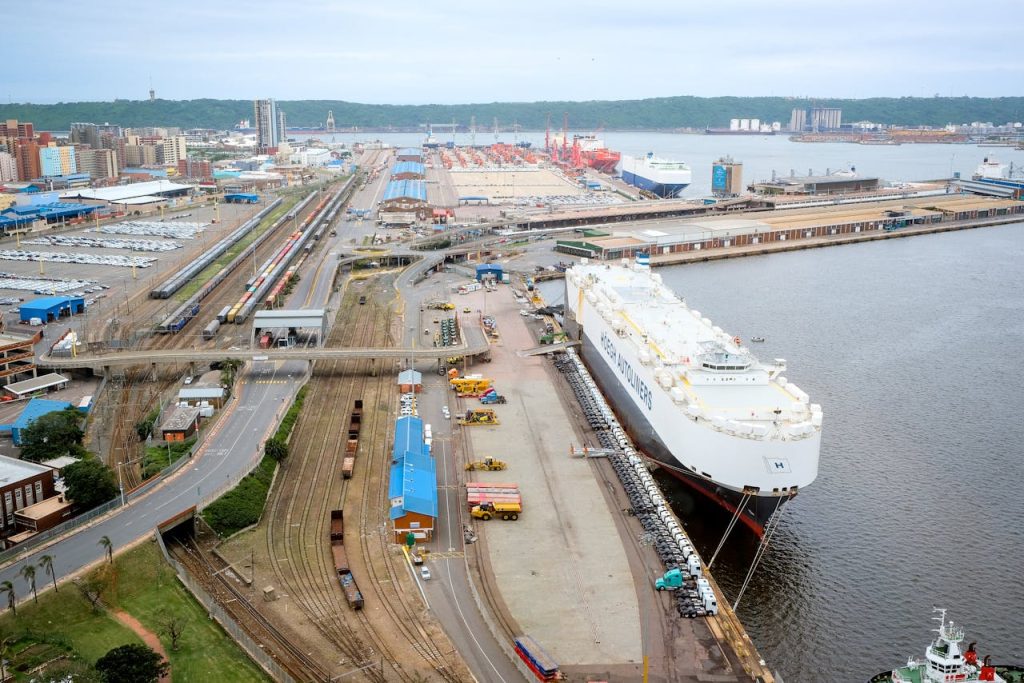
In 2026, the reliance on traditional barging is being supplemented by high-capacity deep-water terminals. Ports like Kamsar and the newer facilities at Dapilon have undergone significant upgrades to accommodate Capesize vessels. These larger ships allow for economies of scale that were previously unattainable, ensuring that Guinean bauxite remains the preferred choice for far-flung refineries in Asia.
2. The Move Toward In-Country Alumina Refining
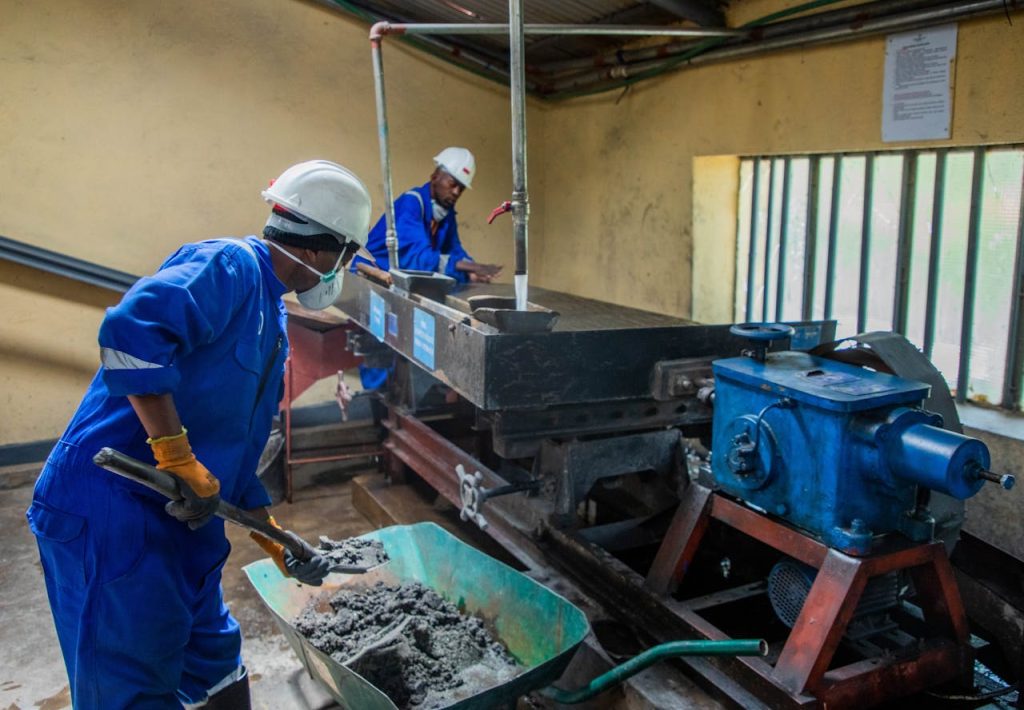
A cornerstone of the 2026 Bauxite Export Guinea strategy is the transition from exporting raw ore to semi-processed alumina. The Guinean government now mandates that major mining consortiums submit bankable feasibility studies for local refineries.
- Value Retention: Refining bauxite into alumina locally can increase the value of exports by up to 500%.
- Energy Synergy: The completion of the Souapiti and Amaria hydroelectric dams provides the stable, renewable energy required to power energy-intensive refining processes, aligning with global “Green Aluminum” standards.
3. Strategic Diversification of Export Markets
While China remains the largest consumer of Guinean bauxite, 2026 has seen a strategic pivot toward diversifying export destinations. Strengthening ties with the European Union’s Critical Raw Materials Act initiatives has positioned Guinea as a secure, non-adversarial supplier for Western aerospace and automotive industries.
Navigating the Regulatory and ESG Landscape
Investing in or sourcing from the Guinean bauxite sector requires a deep understanding of the local Mining Code and international compliance standards.
ESG and Community Impact
In 2026, a “Social License to Operate” is as important as a mining permit. Successful export strategies now include integrated community development programs. Investors must demonstrate clear plans for:
- Land Rehabilitation: Restoring mined areas for agricultural use.
- Local Content: Ensuring that at least 30-40% of the service supply chain is handled by local Guinean firms.
- Water Management: Protecting the coastal and riverine ecosystems from siltation.
Transparency and Governance
Guinea continues to be an active member of the Extractive Industries Transparency Initiative (EITI). This commitment to transparency ensures that revenues from Bauxite Export Guinea are tracked and reported, reducing sovereign risk for international financiers and institutional investors.
Investment Opportunities in the Bauxite Value Chain
The boom in bauxite exports has created secondary investment opportunities that extend beyond the mines themselves.
1. Logistics and Specialized Shipping
There is a high demand for specialized transshipment services and “Smart Port” technologies. Companies providing AI-driven logistics management and environmentally friendly dust-control systems at ports are finding a lucrative market in Conakry and Kamsar.
2. Renewable Energy for Mines
Mining sites are increasingly looking to hybridize their power sources. Establishing solar PV arrays to power mining camps and conveyor belts is a growing trend, supported by Yes! Invest Guinea through project facilitation and government liaison.
3. Maintenance and Heavy Equipment
The sheer scale of bauxite extraction in Guinea exceeding 100 million tons annually requires a massive fleet of earth-moving equipment. Setting up local assembly or specialized maintenance hubs for brands like Caterpillar, Komatsu, or Sany is a high-yield opportunity.
FAQ: Bauxite Export Guinea
- What makes Guinea’s bauxite superior to other global deposits?
Guinea’s bauxite is primarily gibbsitic, meaning it can be processed at lower temperatures in alumina refineries. This reduces energy consumption and operational costs for the refinery, making it highly desirable in a high-energy-cost environment.
- How has the infrastructure for bauxite export improved in 2026?
The implementation of multi-user rail agreements and the expansion of deep-water berths at the Port of Kamsar and Port of Boffa have significantly increased the daily export capacity and reduced vessel turnaround times.
- What are the government royalties for bauxite export?
Royalties are typically calculated based on the type of bauxite and the export volume, often linked to international market prices. Specific tax incentives are available for companies that commit to building local alumina refineries.
- Is there a ban on raw bauxite exports in Guinea?
There is no total ban, but there is a strong regulatory push toward local processing. Companies are required to show progress toward refining to maintain their long-term mining concessions.
- How can Yes! Invest Guinea assists commodity investors?
We provide comprehensive market intelligence, assist in securing mining and export licenses, and connect investors with local logistics partners to ensure a seamless supply chain from mine to port.
Conclusion: Pioneering the Global Aluminum Frontier
Guinea has moved past the era of being a passive resource holder. In 2026, the country will be a proactive architect of the global aluminum market. The Bauxite Export Guinea strategies currently in play focusing on infrastructure, green refining, and market diversification ensure that the nation will remain the focal point of industrial growth for decades to come.
For the impact-driven investor, Guinea represents a unique intersection of high-yield commodity potential and the chance to drive meaningful industrialization in West Africa.
Secure Your Stake in the Bauxite Boom
Navigating the complexities of Guinea’s mining sector requires local expertise and strategic foresight. At Yes! Invest Guinea, we are your bridge to the most lucrative opportunities in the bauxite value chain. From regulatory compliance to port logistics, we ensure your investment is positioned for long-term success.
Contact Yes! Invest Guinea today to receive our 2026 Bauxite Sector Investment Brief and Logistics Report.