The landscape of West Africa is changing, and at the heart of this transformation is the Republic of Guinea. As we move through 2026, the narrative of Real Estate Guinea has shifted from speculative interest to a full-blown construction and investment boom. Driven by massive mining projects like Simandou and a government-led push for infrastructure modernization, Guinea’s urban centers, particularly Conakry, are evolving into high-yield hubs for savvy international investors.
For those looking to diversify their portfolio in an emerging market with tangible growth drivers, 2026 represents a “Goldilocks” period: the infrastructure is arriving, but the market has not yet reached its peak valuation.
The Catalysts: Why 2026 is the Year for Real Estate Guinea
Several structural factors have converged to create a perfect storm for the property market this year. Understanding these drivers is essential for any investor looking to capitalize on the current momentum.
1. The Mining-Real Estate Nexus
The Simandou iron ore project, often cited as the largest of its kind globally, has reached critical construction phases in 2026. This project alone has brought thousands of high-income expatriates and skilled professionals into the country. The result? A massive shortage of high-end residential housing and modern office spaces, driving rental yields to unprecedented levels in administrative hubs.
2. Infrastructure Expansion: The Trans-Guinean Railway
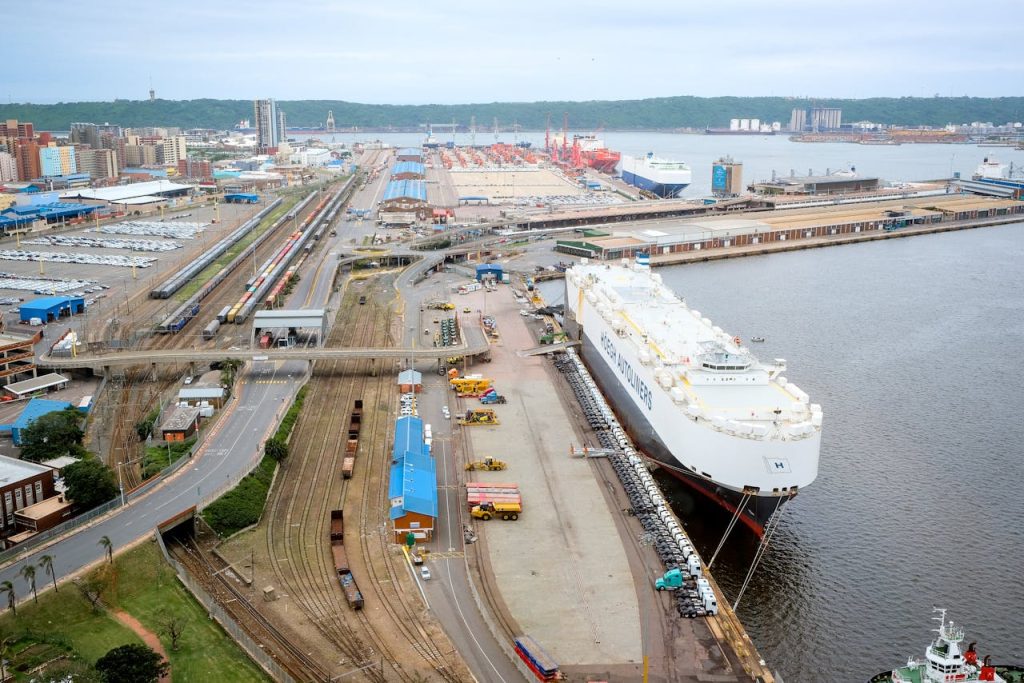
The development of the Trans-Guinean railway and the expansion of the Port of Conakry are not just logistics wins; they are real estate magnets. Areas previously considered “peri-urban” are now being re-zoned for industrial and residential use as accessibility improves. Real Estate Guinea is no longer confined to the Kaloum peninsula; it is stretching northward and eastward at a rapid pace.
3. Urban Renewal and the “Green City” Initiative
The Guinean government has introduced new urban planning frameworks in 2026 focused on sustainable development. This has opened the door for “Smart City” projects and mixed-use developments that integrate retail, residential, and green spaces—a concept that was virtually non-existent in the local market a decade ago.
High-Growth Districts: Where to Invest
Investors are currently focusing on three primary tiers of the Guinean property market. Each offers a different risk-reward profile depending on your investment goals.
Kaloum: The Manhattan of Conakry
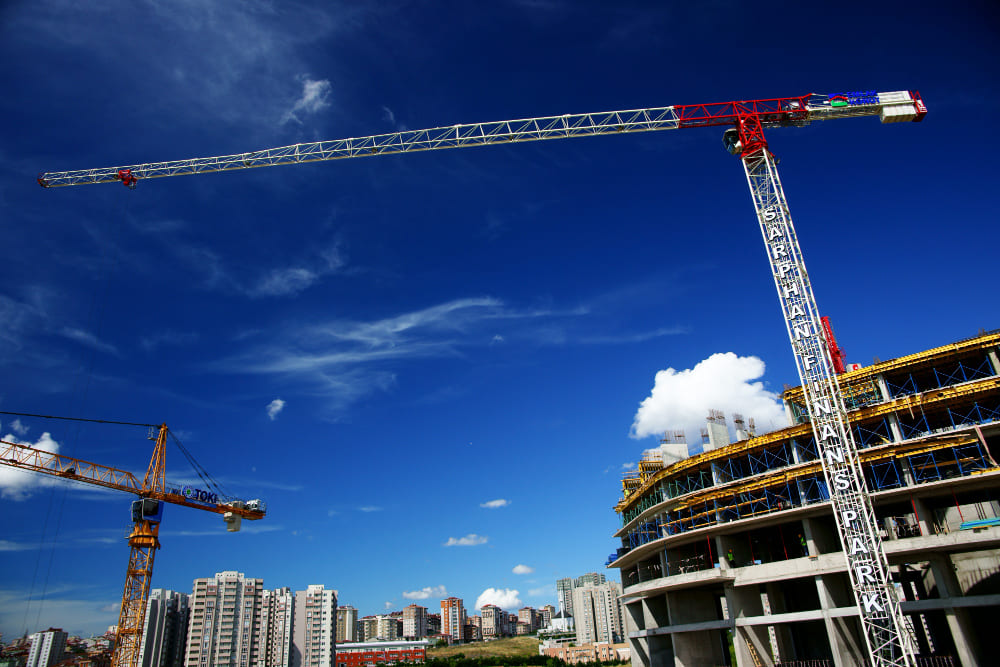
As the administrative and business heart of the nation, Kaloum remains the premier location for commercial real estate. In 2026, we are seeing a trend of “Vertical Growth.” With land at a premium, developers are replacing older structures with modern, multi-story glass towers that house corporate headquarters, luxury apartments, and boutique hotels.
Kipé and Taouyah: The Luxury Residential Hubs
For those targeting the “Buy-to-Let” market, the Kipé and Taouyah neighborhoods are the top performers. These areas are favored by the expatriate community and the growing Guinean middle class.
- Average Rental Yields: Currently hovering between 8% and 12% for modern, serviced apartments.
- Key Amenities: Proximity to international schools, high-end dining, and the “Corniche” coastal views makes these districts recession-proof assets.
Dubréka and Coyah: The New Frontier
As Conakry becomes more crowded, the satellite cities of Dubréka and Coyah are experiencing a residential surge. With the improvement of road networks in 2026, these areas are becoming viable “commuter towns,” offering affordable land for large-scale housing estates and gated communities.
Navigating the Legal Landscape of Property Acquisition
Investing in an emerging market requires a clear understanding of the local legal framework. In Guinea, the Land and State Property Code governs all transactions.
Transparency and Notarization
The process has become significantly more transparent in recent years. Today, the digitalization of land titles has reduced the risk of “double-titling” issues that plagued the market in the past. To ensure a secure investment, every transaction must go through a licensed Notary (Notaire), who verifies the chain of title and ensures all taxes are paid to the state.
The Role of Public-Private Partnerships (PPAs)
The government is increasingly looking for private partners to develop “Social Housing” and “Middle-Income” projects. Investors who align their goals with national development priorities can often access land concessions and tax holidays, significantly lowering the initial barrier to entry.
Future Outlook: Guinea in 2030
The trajectory for Real Estate Guinea suggests that the current boom is just the beginning of a decade-long growth cycle. As the country transitions from a raw-material exporter to a more diversified economy with a processing and services sector, the demand for sophisticated real estate will only intensify.
Current trends to watch include:
- Eco-Friendly Developments: Growing demand for buildings with solar integration and efficient waste management.
- Retail Revolution: The shift from informal markets to modern shopping malls and logistics warehouses.
- Hospitality Shortage: A critical need for 4 and 5-star hotels to support the influx of business travelers.
Frequently Asked Questions (FAQ)
1. Is it possible for foreigners to own land in Guinea?
Yes, foreign individuals and corporate entities can acquire property and land use rights in Guinea. The 2026 investment climate is very welcoming to international capital, provided the legal process of notarization and registration is followed correctly.
2. What are the typical rental yields for property in Conakry?
Currently, luxury residential properties in prime areas like Kipé or Kaloum offer yields between 8% and 12%. Commercial spaces often command higher premiums due to the scarcity of Grade-A office buildings.
3. Which sector of real estate is the most profitable right now?
The most immediate returns are found in serviced apartments for expatriates and modern office spaces for mining and telecommunications companies. However, long-term land banking in the Coyah/Dubréka corridor shows the highest capital appreciation potential.
4. How has the Simandou project affected the property market?
Simandou has created a surge in demand for logistics hubs and high-end residential housing. It has also accelerated infrastructure projects that make previously inaccessible land valuable for development.
5. Why should I use a consultancy like Yes Invest in Guinea for my property search?
The Guinean market is highly localized. We provide the “boots on the ground” needed to verify titles, navigate local bureaucracy, and identify off-market opportunities that aren’t listed on public portals.
Conclusion: Seize the Opportunity Today
The real estate market in Guinea is no longer a hidden secret; it is a strategic asset class for those looking at the future of the African continent. With 2026 marking a turning point in national infrastructure and economic stability, the window for high-margin entry is wide open.
Are you ready to build your legacy in West Africa? At Yes! Invest in Guinea, we provide the expertise, local network, and legal guidance necessary to turn property opportunities into profitable realities. Whether you are looking for a single luxury asset or a large-scale development plot, we are your trusted partner on the ground.
Contact Yes! Invest in Guinea today to request our 2026 Real Estate Investment Portfolio.