The landscape of the Republic of Guinea is undergoing a monumental shift. Historically recognized for its vast mineral wealth, the nation has realized that its future prosperity hinges on a robust physical and digital spine. In 2026, Infrastructure Development in Guinea has become the single most important catalyst for regional economic integration. Under the visionary “Simandou 2040” framework, Guinea is not just building roads; it is constructing a multi-modal transport and energy corridor that serves as the heartbeat of the Mano River Union.
At Yes! Invest Guinea, we view infrastructure as the ultimate “multiplier.” Every kilometer of rail and every megawatt of power added to the grid exponentially increases the ROI of mining, agribusiness, and tourism projects. This guide explores the flagship projects driving this transformation and why Guinea is the premier destination for infrastructure developers today.
1. The Trans-Guinean Corridor: A Multi-Modal Revolution
The most ambitious infrastructure project in Africa today is undoubtedly the Trans-Guinean railway and port complex.
The 670 KM Steel Backbone
The construction of a 670 km heavy-haul railway stretching from the Simandou mountains to the Atlantic coast is a game-changer. Unlike traditional mining rails, this is a multi-user corridor. It provides the logistical infrastructure needed to transport not only iron ore but also agricultural products and consumer goods from the deep interior to global markets. For investors in Mining and Natural Resources, this project has effectively eliminated the “logistics barrier” that previously hindered large-scale extraction.
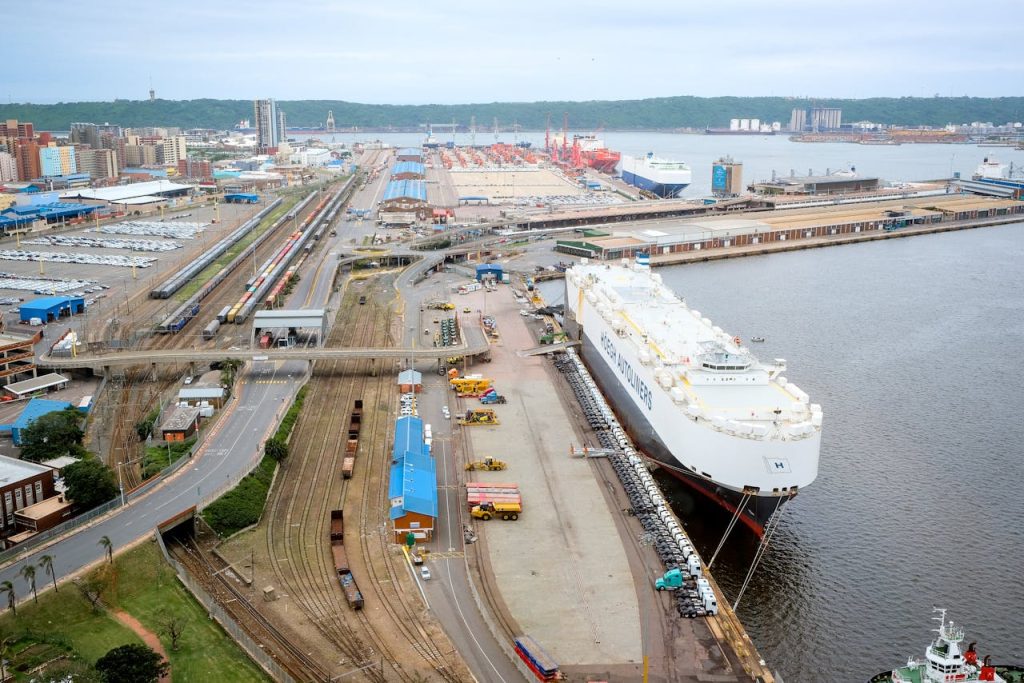
Deep-Water Port Modernization
Complementing the railway is the development of a state-of-the-art deep-water port at Morebaya. This port is designed to handle high-tonnage vessels, positioning Guinea as a strategic maritime hub capable of competing with major ports across the West African coastline.
2. Powering Progress: Hydroelectric and Renewable Energy
Guinea is often called the “Water Tower of West Africa,” and 2026 marks the year this potential has finally been fully harnessed to serve industrial demand.
Mega-Dams: Souapiti and Beyond
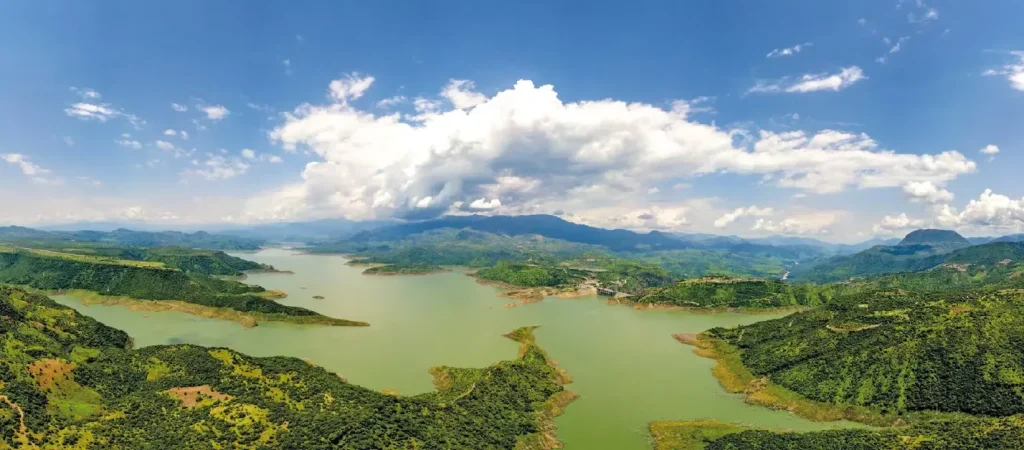
Large-scale hydroelectric projects like the Souapiti and Kaléta dams are now the primary energy providers for the nation. These projects provide the base load required for high-energy industries, such as alumina refineries and smelting plants. Guinea is now a net exporter of green energy to neighboring countries through the WAPP (West African Power Pool).
Decentralized Microgrids and Solar Farms
Recognizing that not every site can be connected to the national grid immediately, the government has incentivized the development of Microgrid Systems. These decentralized solutions, combining solar power and battery storage, are providing 24/7 electricity to Agro-Processing centers and remote business hubs, offering a unique niche for renewable energy investors.
3. Urban Modernization and Commercial Real Estate
As Conakry and regional cities like Kamsar and Nzérékoré grow, the demand for “Smart City” infrastructure has skyrocketed.
Office Parks and Business Hubs
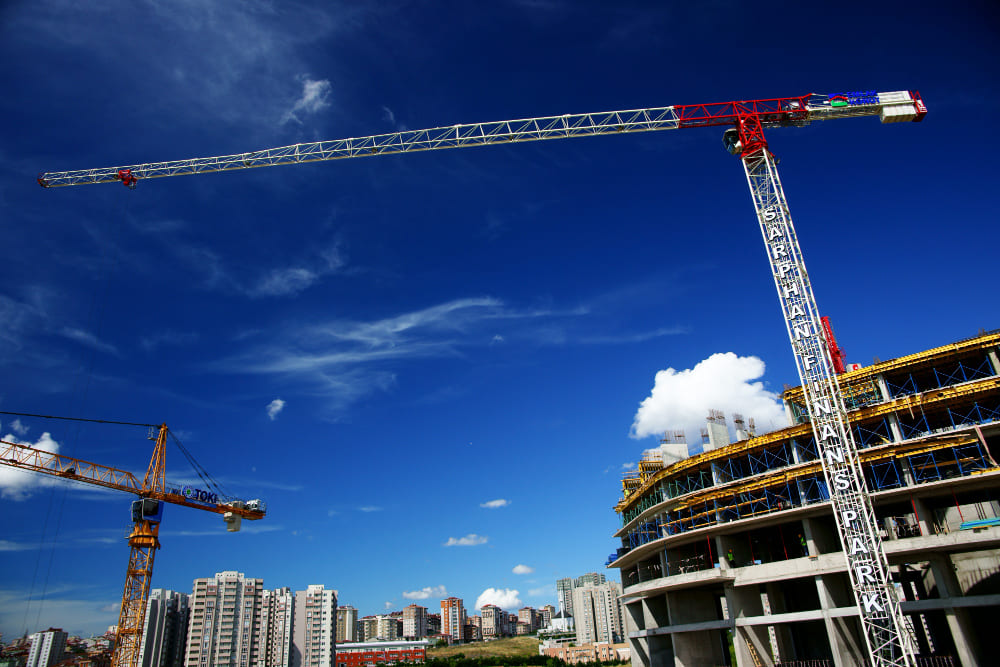
The influx of international corporations has led to a critical shortage of Grade-A office spaces. Investment in Office Parks and Business Hubs is currently delivering some of the highest yields in the region. These facilities are built with international standards, featuring integrated Innovative Tech and stable fiber-optic connectivity.
Industrial Parks and Warehousing
With the rise of the AfCFTA (African Continental Free Trade Area), Guinea is positioning itself as a regional manufacturing hub. This has triggered a boom in Industrial Parks and Warehousing, where developers provide ready-to-use factory shells equipped with utilities and logistical access to major transit routes.
4. Digital Infrastructure: The 12,000 KM Fiber-Optic Leap
Connectivity in 2026 is as much about data as it is about asphalt.
National Backbone Expansion
Guinea has successfully deployed over 12,000 km of fiber-optic cables, connecting every major prefecture to high-speed internet. This digital infrastructure is the foundation for IoT Guinea applications, allowing mining and logistics firms to monitor assets in real-time.
EdTech and Health Real Estate
The digital spine is also transforming social infrastructure. EdTech Solutions are now reachable in rural areas, while Health Real Estate projects are utilizing telemedicine to provide world-class care to local communities, creating a new frontier for impact investors.
5. The Legal Framework: OHADA and PPP Incentives
Guinea’s membership in OHADA (Organization for the Harmonization of Business Law in Africa) provides the legal certainty required for long-term infrastructure concessions.
- PPP Law (Public-Private Partnerships): The 2026 framework offers streamlined bidding processes and guaranteed profit repatriation for international developers.
- Fiscal Incentives: Investors in infrastructure benefit from 100% customs duty exemptions on imported heavy machinery and long-term tax stability agreements.
Frequently Asked Questions (FAQ)
- What are the priority infrastructure projects in Guinea for 2026?
The top priorities are the Trans-Guinean Railway, deep-water port expansions, regional road networks connecting to the Simandou corridor, and decentralized renewable energy microgrids.
- How can foreign investors participate in these projects?
Investors can participate through Public-Private Partnerships (PPPs), Build-Operate-Transfer (BOT) schemes, or by providing specialized subcontracting services in engineering, Legal and Regulatory Compliance, and logistics.
- Does Guinea offer guarantees for large-scale capital investments?
Yes. Through OHADA law and bilateral investment treaties, Guinea guarantees the protection of assets, the right to international arbitration, and the free transfer of capital and profits.
- Is there a focus on green or sustainable infrastructure?
Absolutely. Guinea is prioritizing hydroelectric and solar energy, and all new infrastructure projects must undergo rigorous ESG (Environmental, Social, and Governance) assessments to ensure long-term sustainability.
- How does Yes! Invest Guinea facilitate infrastructure deals?
We act as the “Institutional Bridge,” providing market entry analysis, helping secure permits from the Ministry of Infrastructure, and connecting investors with reliable local partners and International Recruitment services.
Conclusion: Building the Future, Today
The Infrastructure Development Projects in Guinea represent the largest opportunity for construction and engineering firms in West Africa. By providing the essential links for mining, energy, and digital trade, Guinea is securing its position as a regional leader. For the global investor, the combination of untapped demand, a supportive legal framework, and world-class flagship projects makes this the perfect time to build in Guinea.
Partner with Yes! Invest Guinea
At Yes! Invest Guinea, we help you navigate the complexities of large-scale development. From land acquisition to regulatory liaison, our team ensures your project moves from blueprint to reality with efficiency.
Contact our Infrastructure Desk today to view our 2026 Project Pipeline.