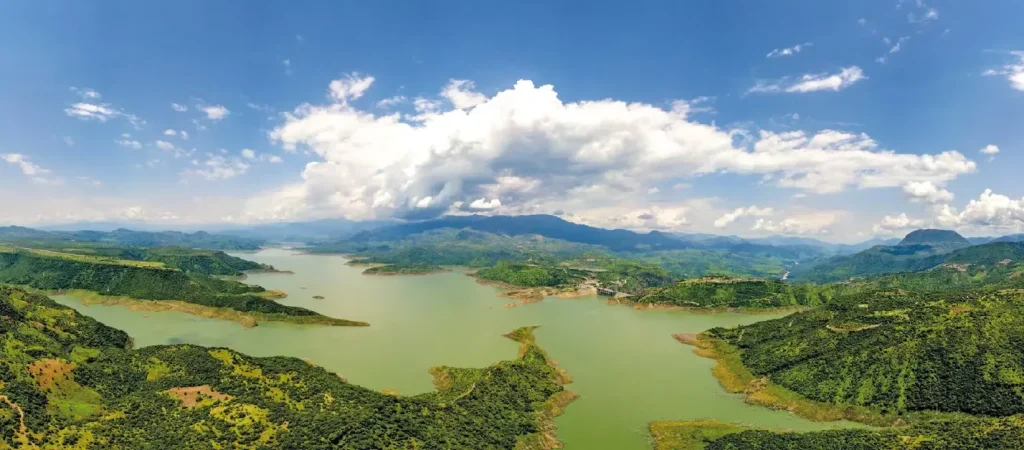
As the global energy transition accelerates in 2026, nations across the world are re-evaluating their baseload power strategies to balance industrial growth with decarbonization. The Republic of Guinea, famously known as the “Water Tower of Africa” for its hydroelectric wealth, is now looking toward a new horizon to anchor its industrial future: Nuclear Energy Potential. While hydropower remains the backbone of the current grid, the integration of nuclear power particularly through Small Modular Reactors (SMRs) is emerging as the definitive long-term solution to meet the massive energy demands of the country’s expanding mining and smelting sectors.
For institutional investors, energy developers, and technology partners, Guinea represents a frontier where traditional resource wealth meets advanced energy technology. Developing a nuclear infrastructure is not merely about generating megawatt-hours; it is about providing the high-reliability “firm power” required to turn Guinea into a global hub for downstream mineral processing. This article explores the strategic roadmap for Nuclear Energy Potential: Long-Term Power Solutions for Guinea and why 2026 is the year this conversation moves from theory to industrial planning.
The Strategic Rationale for Nuclear Power in Guinea
While Guinea’s hydroelectric dams like Souapiti and Amaria provide significant seasonal power, the nation’s 2026 industrial strategy requires a source of energy that is independent of weather patterns and climate volatility.
1. Reliable Baseload for Heavy Industry
Aluminum smelting and iron ore processing are energy-intensive industries that operate 24/7. Any interruption in power can lead to catastrophic equipment damage and lost production. Nuclear energy provides a capacity factor of over 90%, offering a level of reliability that weather-dependent renewables cannot achieve alone. According to the International Atomic Energy Agency (IAEA), nuclear power is a critical component for emerging economies seeking to industrialize without increasing their carbon footprint.
2. Diversifying the Energy Mix
A resilient grid is a diversified one. By introducing nuclear energy, Guinea reduces its over-reliance on a single source (hydro) and protects its economy against prolonged droughts that could lower reservoir levels. This diversification is essential for the stability of the West African Power Pool (WAPP), where Guinea is increasingly becoming a major energy exporter.
Small Modular Reactors (SMRs): The Game Changer for 2026
The historical barriers to nuclear energy high upfront costs and massive infrastructure requirements are being dismantled by the rise of Small Modular Reactors (SMRs).
1. Scalability and Lower Capital Expenditure
SMRs are smaller, simpler, and can be manufactured in factories before being shipped to the site. This modularity allows Guinea to deploy nuclear capacity incrementally, matching the power growth of specific mining hubs like Boké or the Forest Region without the decade-long timelines of traditional large-scale reactors.
2. Integration with Mining and Desalination
SMRs are uniquely suited for industrial co-location. In Guinea, these reactors can be placed near mining concessions to provide both high-voltage electricity for operations and industrial heat for mineral refining processes. Furthermore, they can power large-scale desalination plants, ensuring a stable water supply for both industrial and community use in arid coastal regions.
Why Invest in Guinea’s Nuclear Future Now?
The 2026 regulatory environment in Guinea is evolving to welcome long-term strategic partnerships in the high-tech energy sector.
1. International Partnerships and Frameworks
In recent years, Guinea has engaged in high-level discussions with global nuclear leaders, including preliminary MoUs for peaceful atomic energy cooperation. These partnerships focus on capacity building, personnel training, and the establishment of a robust national regulatory body. Following the OECD Nuclear Energy Agency (NEA) guidelines, Guinea is building the institutional discipline required for safe and secure nuclear deployment.
2. Pro-Energy Investment Incentives
Under the 2026 National Energy Master Plan, projects focused on baseload power and advanced technology are eligible for:
- Strategic Partner Status: Granting expedited permitting and land access for nuclear site characterization.
- Fiscal Stability Guarantees: Protecting the multi-decade investment cycles typical of the nuclear industry.
- Customs Duty Exemptions: Zero duties on the importation of specialized nuclear components, monitoring systems, and safety hardware.
3. Legal Security via OHADA and International Treaties
By adhering to the OHADA legal framework and international nuclear liability conventions, Guinea provides a familiar and transparent environment for project financing. This ensures that the rights of technology providers and investors are protected under international law.
Roadmap to Guinea’s Nuclear Integration
The path to a nuclear-powered Guinea involves a phased, decade-long commitment to infrastructure and human capital.
- Site Characterization and Safety Studies: Identifying geologically stable zones with proximity to water for cooling and the national transmission backbone.
- Regulatory Capacity Building: Establishing an independent Nuclear Regulatory Authority to oversee safety, security, and safeguards in line with IAEA standards.
- SMR Pilot Projects: Partnering with a technology provider to deploy a lead SMR unit to power a dedicated industrial zone, demonstrating the viability of the technology in a West African context.
- Human Capital Development: Investing in nuclear engineering scholarships and vocational training for Guinean technicians to ensure the grid is managed by a local, skilled workforce.
FAQ: Nuclear Energy Potential Guinea
- Is nuclear energy safe for a developing nation like Guinea?
Modern Generation III+ and IV reactors, especially SMRs, are designed with passive safety features that require no human intervention to shut down safely. Guinea is committed to following the IAEA “Milestones” approach to ensure every safety protocol is met before the first reactor goes online.
- How does nuclear power compare to hydropower in terms of cost?
While the initial CAPEX for nuclear can be higher, its long-term operational costs are remarkably stable. Unlike hydro, which can be affected by rainfall, or gas, which is subject to price shocks, nuclear provides a predictable “levelized cost of energy” (LCOE) for 60 to 80 years.
- Will nuclear energy replace renewables in Guinea?
No. Nuclear is intended to complement renewables. Solar and hydro will provide the flexible and peak power, while nuclear provides the unwavering baseload that the mining and manufacturing sectors require to thrive.
- Can SMRs be used in remote mining locations?
Yes. One of the primary advantages of SMRs is their ability to operate in off-grid or micro-grid configurations, making them ideal for powering remote iron ore or gold mines that currently rely on expensive diesel generators.
- How can Yes! Invest Guinea assist my firm in this sector?
Yes! Invest Guinea serves as the primary liaison between energy developers and the Ministry of Energy. We assist in navigating the feasibility study phase, securing environmental clearances, and connecting you with the high-level decision-makers driving Guinea’s energy strategy.
Conclusion: Securing the Industrial Century
The transition to a high-income economy requires a high-energy foundation. Nuclear Energy Potential: Long-Term Power Solutions for Guinea is the visionary path that will allow the nation to move beyond raw resource exports and into the realm of high-tech manufacturing and industrial sovereignty. In 2026, the technology is ready, the demand is surging, and the strategic case is undeniable.
Guinea is ready to move from being a “Water Tower” to an “Energy Powerhouse.” The partners who join this journey today will be the architects of a sustainable industrial legacy in the heart of Africa.
Power the Future with Yes! Invest Guinea
At Yes! Invest Guinea, we are your strategic partner in the energy transition. From the first feasibility study to the final commissioning, our team provides the institutional access and local intelligence you need to lead the nuclear revolution.
Contact Yes! Invest Guinea today to receive our 2026 Nuclear & Advanced Energy Briefing.