In the rapidly evolving landscape of West African agriculture, the ability to produce crops is only half the battle. The true measure of a nation’s food security and its agribusiness profitability lies in its ability to preserve, manage, and market its harvest. As Guinea pushes toward the Simandou 2040 vision, the development of modern Grain Storage Facilities: Agribusiness Infrastructure has become a critical priority. Without professional storage, significant percentages of the annual harvest are lost to pests, mold, and climate variability, undermining both farmer income and national food sovereignty.
At Yes! Invest Guinea, we recognize that sustainable agribusiness is built on the foundation of efficient supply chain management. This article explores why the professionalization of grain storage is the most impactful investment opportunity in the Guinean agricultural sector today.
Why Grain Storage is the Missing Link in Guinea’s Agribusiness
Guinea possesses an immense geographic advantage, with diverse micro-climates capable of producing high-yield grains like maize, rice, and sorghum. However, the lack of centralized, climate-controlled storage creates a massive “market disconnect.”
1. Eliminating Post-Harvest Loss
In many agricultural zones, post-harvest losses can exceed 30–40% due to inadequate storage infrastructure. This loss is a direct drain on the economy. Modern grain silos and warehouses, equipped with moisture control and automated ventilation, can reduce these losses to under 5%. For investors, this is an immediate “efficiency gain” that pays for the infrastructure within a few harvest cycles.
2. Bridging the Seasonal Price Gap
Agricultural markets in West Africa often suffer from extreme price volatility. At harvest time, supply surges and prices crash; months later, supply vanishes, and prices skyrocket. Professional Grain Storage Facilities allow producers to hold their harvest and sell during the off-season, when demand is high and prices are at their peak. This “arbitrage” model is the primary driver of profitability for modern agribusinesses.
Technical Frontiers: Building Grade-A Storage
To be bankable and efficient, a grain storage facility in Guinea must be designed to international standards. This requires more than just a warehouse; it requires a tech-integrated logistics hub.
1. Silo Technology and Moisture Control
The “Gold Standard” for grain management involves vertical silo storage equipped with:
- Real-time Monitoring: IoT-based sensors that monitor grain temperature and humidity, alerting managers to potential mold or pest outbreaks before they spread.
- Automated Aeration: Systems that cycle air based on external weather conditions to maintain the grain at its optimal “dormant” state.
2. Cold-Chain Integration
For high-value grains and seed stocks, integration with cold-chain infrastructure is essential. By providing climate-controlled sections within larger grain facilities, developers can expand their service offering to include the storage of perishables, creating a diversified revenue stream that de-risks the investment.
3. Energy Sovereignty in Agribusiness
Modern storage facilities require constant power for aeration and automated handling. By integrating Renewable Energy Integration such as rooftop solar or biomass-powered generators from agricultural waste investors can ensure 100% operational uptime while minimizing long-term energy costs.
The Regulatory and Fiscal Landscape in 2026
The Guinean government has explicitly prioritized the “Agricultural Value Chain” in its 2026 investment code. Projects focusing on Agribusiness Infrastructure benefit from a suite of incentives designed to attract international capital.
- Strategic Project Status: Facilities that contribute to national food security are eligible for “Strategic Project” status, which provides long-term corporate tax holidays.
- Customs Waivers: 100% duty-free importation of specialized silo components, automated conveyor systems, and laboratory testing equipment.
- OHADA Legal Protection: Guinea adheres to the OHADA legal framework, ensuring that your land concessions and commercial contracts are transparent, stable, and internationally enforceable.
Roadmap for Development Success
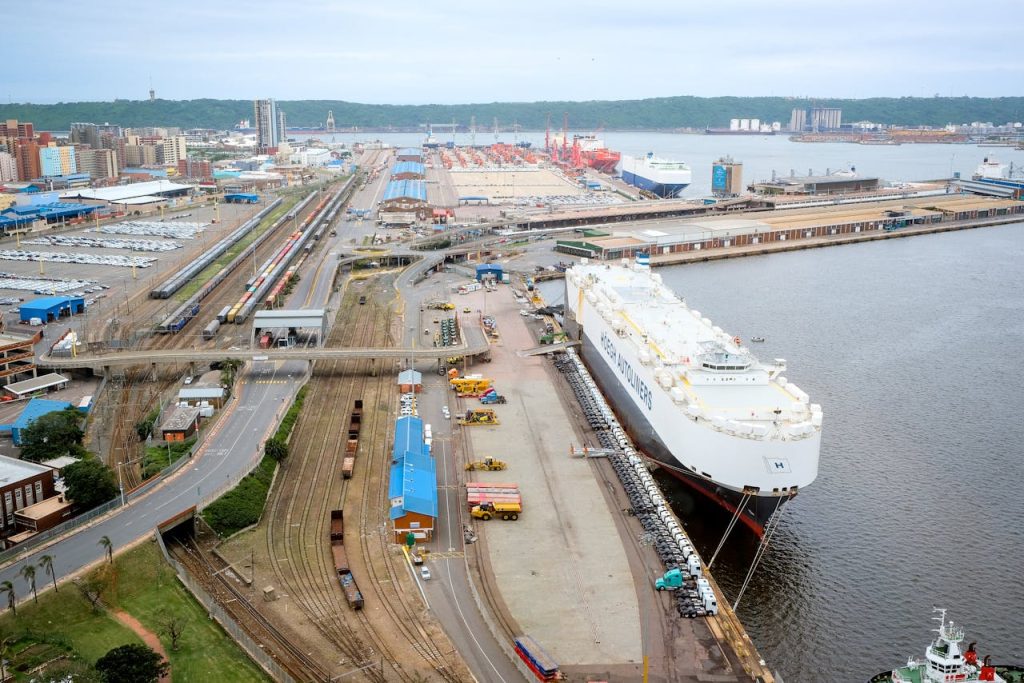
- Site Identification: Prioritizing locations within high-production corridors, specifically ensuring proximity to transport axes like the new national rail network or primary highways. Yes! Invest Guinea facilitates Government and Institutional Liaison to secure these sites.
- Feasibility and Design: Engaging specialized agricultural engineers to ensure the facility meets international food safety standards (HACCP/ISO 22000), which are prerequisites for exporting to global markets.
- Outgrower Integration: Building a “Service-Based” model where the storage facility provides cleaning, drying, and storage services to local farmers, thereby securing a consistent volume of throughput.
- Operational Excellence: Leveraging modern management software to track grain quality and volume, turning the facility into a digitized trade hub.
FAQ: Grain Storage Facilities in Guinea
- Is there enough production volume to justify large-scale storage?
Yes. Guinea’s potential for rice and maize production is immense. By providing storage, you incentivize farmers to increase their acreage, creating a “virtuous cycle” of production growth.
- How does professional storage improve farmer income?
It provides farmers with the option to sell when prices are favorable, rather than being forced to sell at “harvest-dump” prices, which stabilizes their annual income.
- What are the key technical requirements for these facilities?
Beyond the physical silos, the focus is on grain cleaning, moisture testing, and climate-controlled aeration to ensure the grain remains “Export-Grade” throughout its storage life.
- Can private firms own and operate these facilities?
Yes. The Guinean investment code is fully supportive of private-sector ownership and public-private partnership (PPP) models for agribusiness infrastructure.
- How can Yes! Invest Guinea help my agribusiness project?
We act as your local “Institutional Concierge.” We help you identify prime land, secure the necessary agricultural permits, navigate the tax-exempt registration process, and facilitate partnerships with key industrial off-takers.
Conclusion: Securing the Future of Guinean Food
Grain Storage Facilities represent the missing link in Guinea’s industrial puzzle. By turning the harvest into a managed, high-value asset, investors are not just building warehouses they are building the very infrastructure of national food security and regional trade power.
In 2026, the opportunity is clear: those who build the storage capacity today will be the ones who manage and profit from the harvest of tomorrow.
Build the Infrastructure of Agribusiness with Yes! Invest Guinea
At Yes! Invest Guinea, we turn agribusiness visions into reality. From site identification to full operational status, our team provides the local intelligence and institutional access you need to thrive.
Contact Yes! Invest Guinea today to receive our 2026 Agribusiness Infrastructure & Grain Storage Prospectus.