While the Republic of Guinea has long been defined by its world-class bauxite and iron ore reserves, a subtle yet significant shift is occurring in the national mining landscape. In 2026, as global markets grapple with the dual pressures of industrial demand and the hedging requirements of institutional investors, Silver Mining in Guinea and the broader sector of Precious Metals in Guinea are emerging as the next high-alpha opportunity for the sophisticated mining investor.
At Yes! Invest Guinea, we are witnessing an increased focus on the geological complexity of Guinea’s cratonic belts. While the nation is a titan of bulk commodities, the historical focus on iron and bauxite has left significant gaps in the exploration of precious metals. For mining firms and venture capital groups, Guinea represents a “frontier” jurisdiction where modern exploration technologies can unlock untapped silver and gold assets, providing a lucrative diversification strategy in an otherwise commodity-heavy market.
The Strategic Value of Precious Metals in Guinea
In the current global economic climate, precious metals act as the ultimate portfolio stabilizer. Silver, in particular, occupies a dual role: it is both a monetary hedge and a critical industrial material.
1. The Dual-Role of Silver
Unlike gold, which is primarily held as a store of value, silver is vital for the green energy transition. From its indispensable role in solar photovoltaic cells to its application in high-efficiency electrical contacts for EVs, silver is a “green” metal. By pursuing Silver Mining in Guinea, companies are positioning themselves at the heart of the global transition to sustainable energy, attracting ESG Investing capital that is increasingly difficult to secure for coal or high-carbon mining projects.
2. Geological Prospectivity
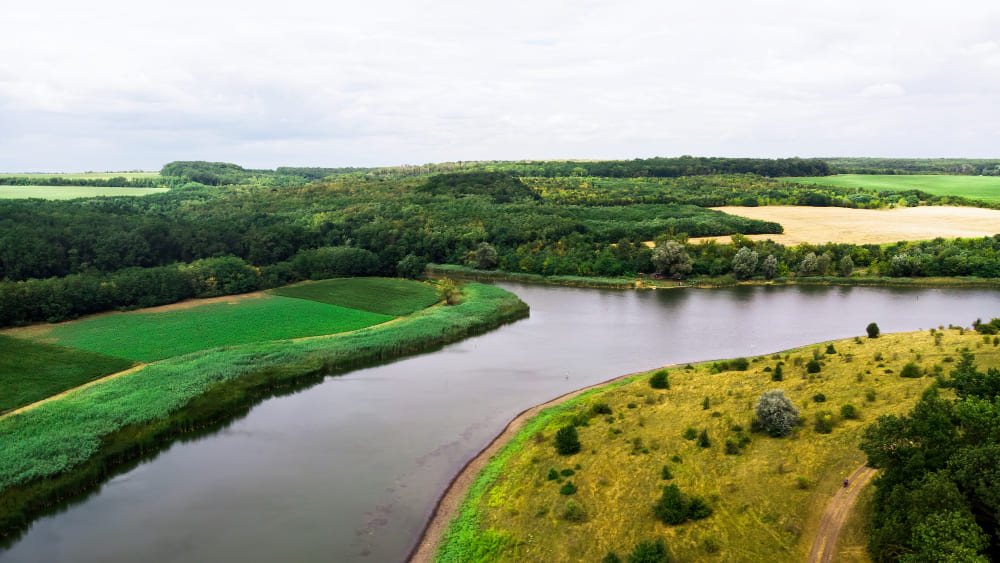
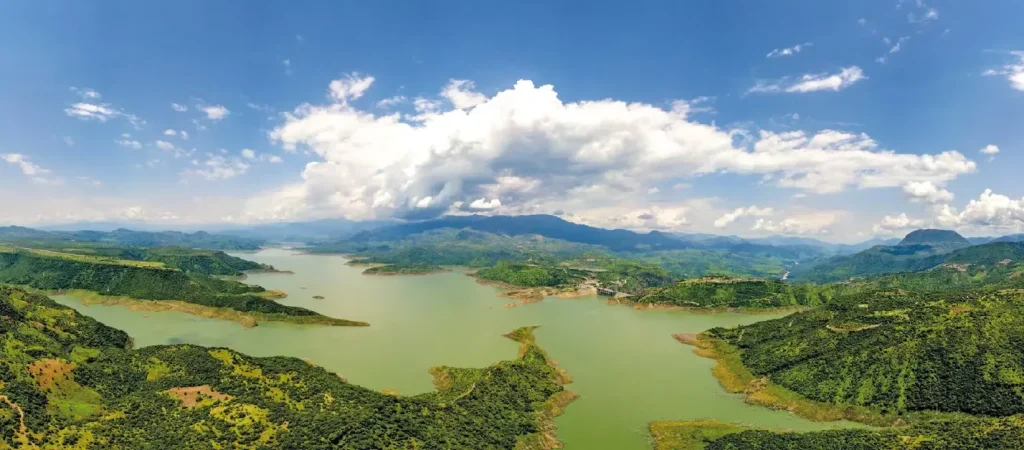
Guinea is situated within the prolific West African Craton, which hosts some of the world’s most productive precious metal belts. While Guinea’s neighbors have successfully exploited these structures for decades, Guinea’s own precious metal potential has remained under-explored due to the historical concentration on bauxite. Recent aeromagnetic surveys and geochemical sampling suggest that the geological signatures for silver-rich hydrothermal systems are present, offering a significant opportunity for junior exploration firms to define new mineral resources.
Navigating the Mining Landscape in 2026
Entering the Guinean mining sector requires a strategic approach that balances geological risk with the administrative and logistical realities of the region.
1. The Logistics Advantage
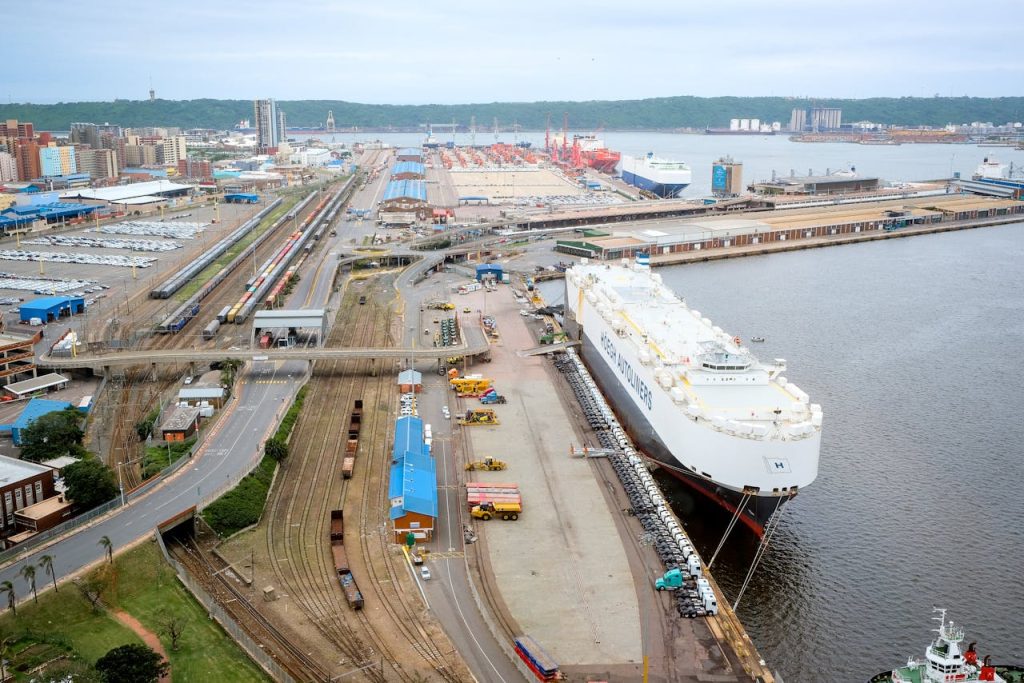
One of the historical hurdles to mining in Guinea was the high cost of transportation. In 2026, this narrative is shifting. The multi-billion dollar investment in the Trans-Guinean Railway and the expansion of modern deep-water port infrastructure primarily driven by iron ore is creating a shared-use logistical backbone. Mining ventures that identify precious metal deposits near these corridors gain an immediate cost advantage, turning what might have been a “marginal” project into a highly profitable operation.
2. Operational Synergies
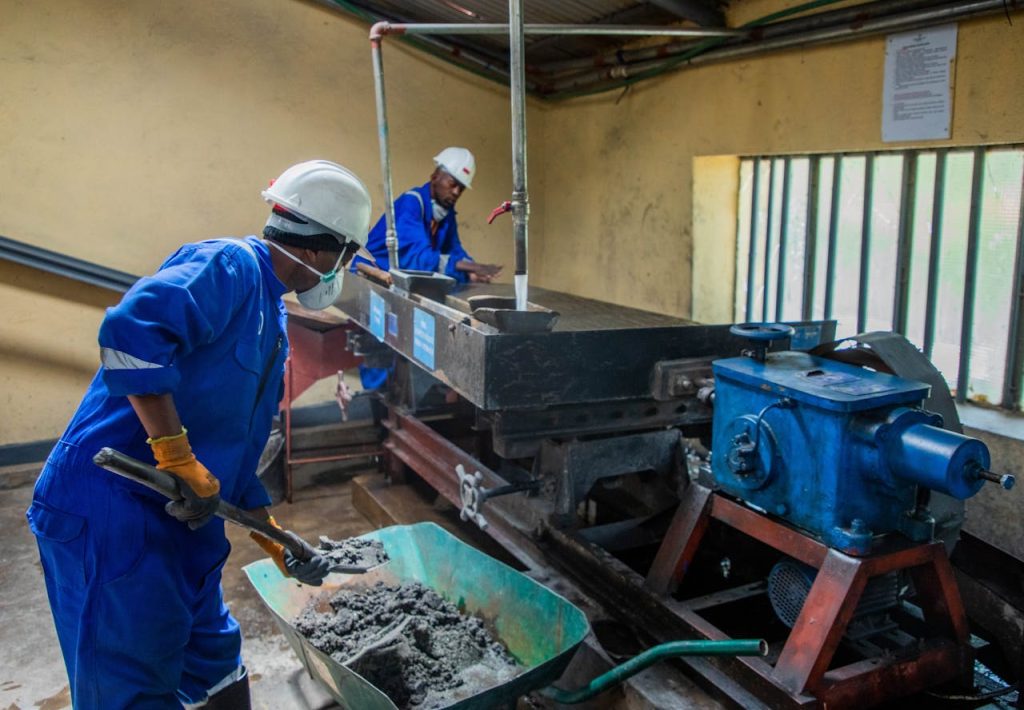
Successful Precious Metals in Guinea ventures are those that optimize their operational footprint. Many silver deposits are geologically linked to base metal anomalies (such as lead and zinc). By exploring for “polymetallic” deposits, operators can dilute their operational risk, ensuring that the project remains economically viable even if silver prices experience short-term volatility.
The Regulatory Framework: Creating Bankable Assets
The Guinean government has implemented significant reforms to modernize the mining code, making it more attractive for exploration-stage companies.
- Transparency and Tenure: Through the adoption of OHADA-compliant legal standards, the government ensures that mineral concessions and property rights are transparent and internationally enforceable. This is a critical factor for international financiers who require certainty of tenure.
- Fiscal Incentives: Recognizing that exploration is a high-risk endeavor, the government offers attractive tax regimes for mining firms during the exploration phase, including exemptions on the importation of exploration equipment, heavy machinery, and specialized drilling tools.
- Strategic Partnership: Agencies like APIP provide a “One-Stop Shop” to accelerate the permitting process. As your primary Government and Institutional Liaison, we help you navigate these administrative channels, ensuring that your exploration program reaches the drilling phase without unnecessary delay.
How Yes! Invest Guinea Drives Your Success
At Yes! Invest Guinea, we are more than just a consultancy; we are your institutional partner on the ground. We bridge the gap between global capital and the Guinean geological frontier through:
- Prospecting Intelligence: We utilize local geological data to help you identify high-potential zones for precious metals exploration.
- Regulatory Compliance: We handle the complex task of securing and maintaining your exploration titles, ensuring full compliance with both national laws and international standards.
- Community and Local Content: We help you structure your project to meet the government’s local content mandates, which is the key to gaining long-term community support and “Social License to Operate.”
- Institutional Access: We facilitate high-level meetings with decision-makers, ensuring your project is prioritized within the national mining development agenda.
FAQ: Silver Mining in Guinea
- Is silver mining a major sector in Guinea currently?
No. Guinea is currently a major producer of bauxite and iron ore. Silver is considered an “under-explored specialty metal,” which presents a massive first-mover advantage for firms capable of mapping new deposits.
- Why should a mining firm invest in Guinea for precious metals?
The primary reason is geological prospectivity linked to the West African Craton, combined with the massive infrastructure (rail and port) build-out that is currently lowering logistics costs for all mineral commodities.
- What are the key risks to consider?
The main risk is the relative scarcity of historical data compared to the bauxite sector. Success requires a commitment to rigorous, modern exploration techniques to define the asset’s economic value.
- How does the government protect exploration investments?
Guinea’s mining code is robust and provides for the automatic transition from an exploration permit to a mining concession once a commercially viable deposit is proven, subject to standard regulatory compliance.
- How can Yes! Invest Guinea assist my mining venture?
We offer end-to-end support from identifying prospective ground and securing exploration titles to facilitating the “Strategic Project” status that unlocks fiscal incentives.
Conclusion: The New Frontier of Precious Metals
The Republic of Guinea is evolving. The future of the nation’s mining sector will be defined by those who see beyond the bauxite and invest in the next wave of precious metal discovery. Silver Mining in Guinea represents an opportunity to secure high-value assets in a region that is finally developing the infrastructure to support large-scale industrialization.
The geology is ready. The infrastructure is emerging. The opportunity is yours to define.
Partner for Mining Success with Yes! Invest Guinea
At Yes! Invest Guinea, we turn geological prospects into high-value mining assets. From the first exploration permit to the definition of a mineral resource, our team provides the local intelligence and institutional access you need to thrive.
Contact Yes! Invest Guinea today to receive our 2026 Mineral Diversification & Precious Metals Outlook Report.