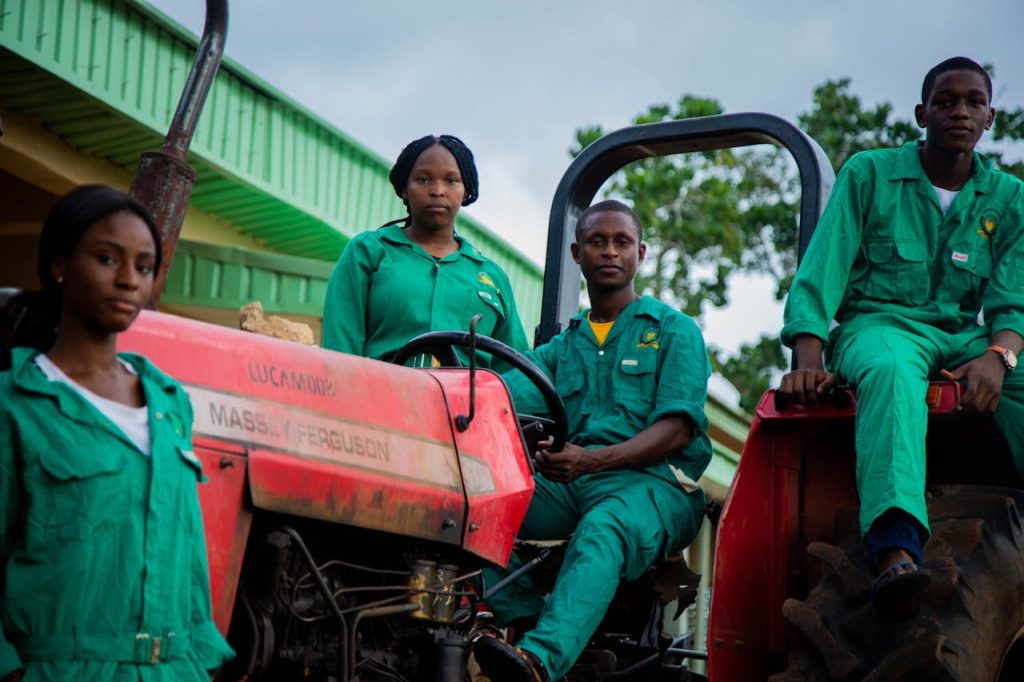
The global demand for natural vanilla has never been higher. As consumer preferences shift away from synthetic vanillin toward organic, authentic flavors, the “green gold” of the spice world has seen its market value skyrocket. In 2026, the Republic of Guinea is emerging as the next premier destination for Vanilla Cultivation. With its ideal tropical humidity, fertile forest soils, and strategic geographic position, Guinea offers a competitive alternative to traditional hubs like Madagascar. For the forward-thinking investor, Vanilla Cultivation in Guinea represents a high-margin, low-volume agribusiness niche that promises exceptional returns while empowering local farming communities.
At Yes! Invest Guinea, we recognize that diversification is the key to a resilient agricultural sector. Moving beyond staples into high-value specialty crops is the cornerstone of Guinea’s “Green Revolution.” This article explores the biological advantages of the Guinean landscape, the technical roadmap for successful cultivation, and the fiscal incentives making 2026 the year to invest in Guinean vanilla.
Why Vanilla? The Economics of “Green Gold” in 2026
Vanilla is the second most expensive spice in the world, surpassed only by saffron. Its labor-intensive nature requiring hand-pollination and a meticulous curing process creates a high barrier to entry that protects market prices and ensures premium margins for those who master the craft.
1. Global Market Dynamics
The global vanilla market is projected to grow significantly as the food, beverage, and cosmetic industries prioritize “clean label” ingredients. According to the Food and Agriculture Organization (FAO), high-value horticultural crops are essential for the economic diversification of West African nations. By establishing Vanilla Cultivation in Guinea, investors tap into a supply chain that is currently underserved and hungry for new, high-quality origins.
2. The Premium of the “Forest Region” Terroir
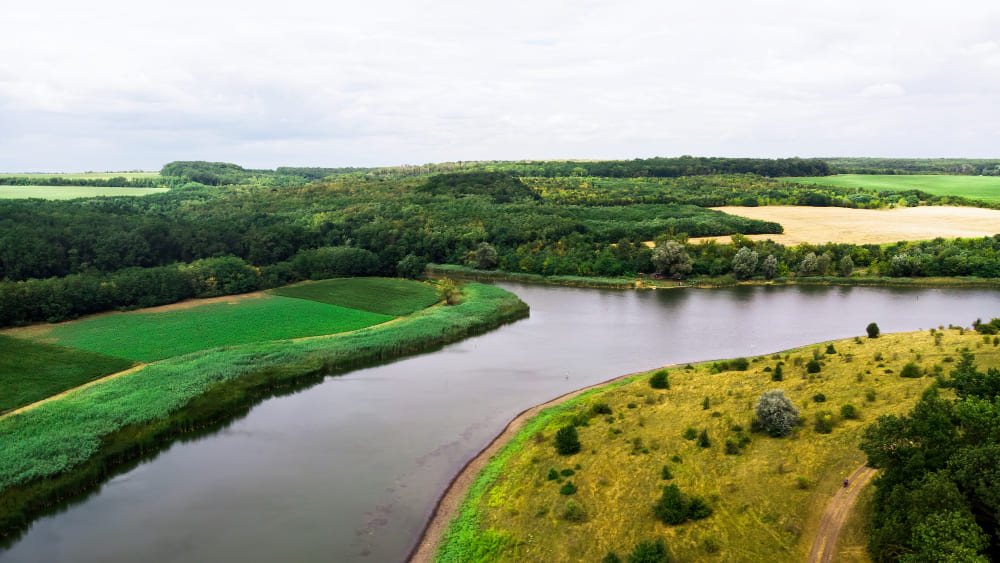
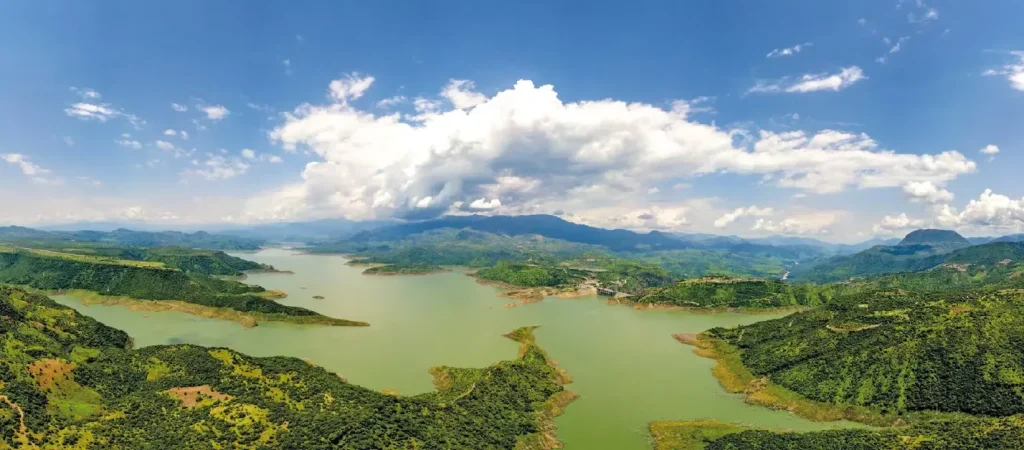
The Vanilla planifolia orchid thrives in the dappled shade of tropical forests. Guinea’s Forest Region (Guinée Forestière) provides a microclimate that is nearly identical to the world’s most famous vanilla-growing regions. The rich, organic matter in the soil and the consistent rainfall patterns allow the beans to develop a high vanillin content and a complex aromatic profile that rivals the best Bourbon vanilla.
Strategic Opportunities in the Vanilla Value Chain
Investing in Vanilla Cultivation in Guinea is more than just planting orchids; it is about building a sophisticated, vertically integrated export engine.
1. Establishing Industrial Curing Centers
The true value of vanilla is unlocked during the curing process. Raw green beans have no aroma; it is only through “sweating” and slow drying that the vanillin crystals develop.
- The Opportunity: Building climate-controlled curing and fermentation facilities. These centers can act as hubs for local outgrower schemes, ensuring that every bean exported from Guinea meets the highest international “Gourmet Grade” standards.
2. Agroforestry Integration
Vanilla is an “epiphytic” plant, meaning it needs support trees (tutors) to grow. This makes it the perfect crop for sustainable agroforestry.
- The Opportunity: Intercropping vanilla with existing cocoa or coffee plantations. This maximizes land use efficiency and provides investors with diversified revenue streams from the same hectare of land. This approach aligns perfectly with global Impact Investing trends.
3. Essential Oil and Extract Processing
For the industrial market, exporting vanilla extracts or oleoresins is often more profitable than shipping whole beans.
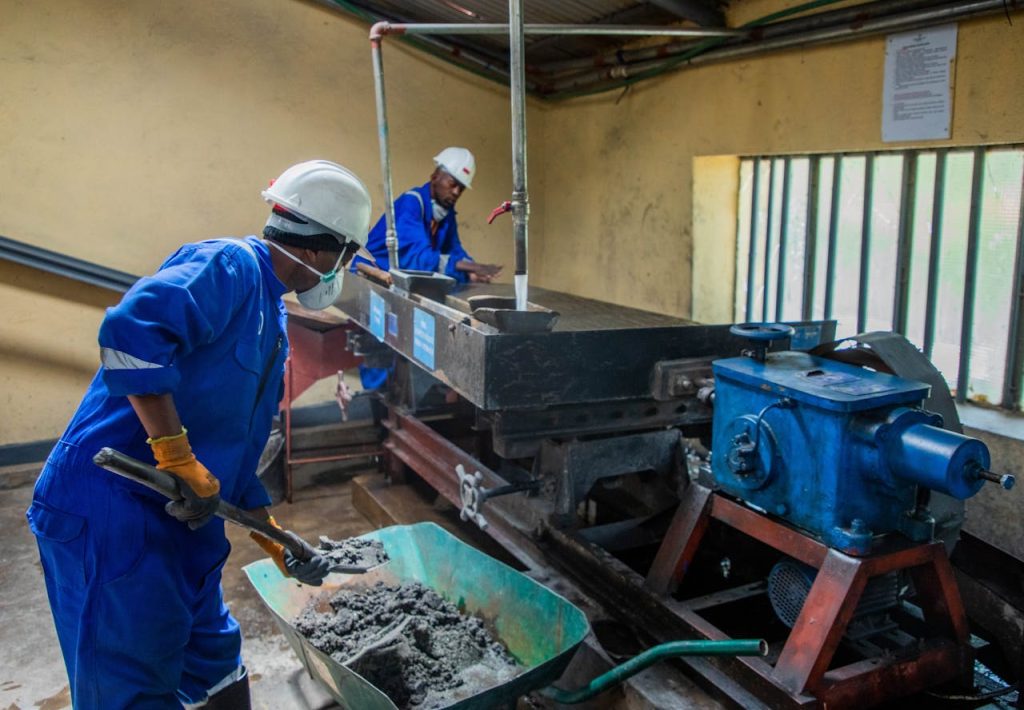
- The Opportunity: Setting up local extraction plants using food-grade ethanol or CO2 extraction technology. By processing the “seconds” (beans that don’t meet aesthetic export standards), investors can achieve zero-waste production.
Why Invest in Guinea’s Agribusiness Niche Now?
The 2026 investment climate in Guinea is specifically designed to attract high-value agricultural projects through the Agro-Processing framework.
1. Unmatched Fiscal Incentives
Under the 2026 Investment Code, vanilla projects are classified under “High-Impact Horticulture.” Benefits include:
- Tax Holidays: Up to 8 to 10 years of exemption from corporate income tax for export-oriented agribusinesses.
- Duty-Free Imports: 100% waiver on duties for specialized greenhouse equipment, irrigation systems, and processing machinery.
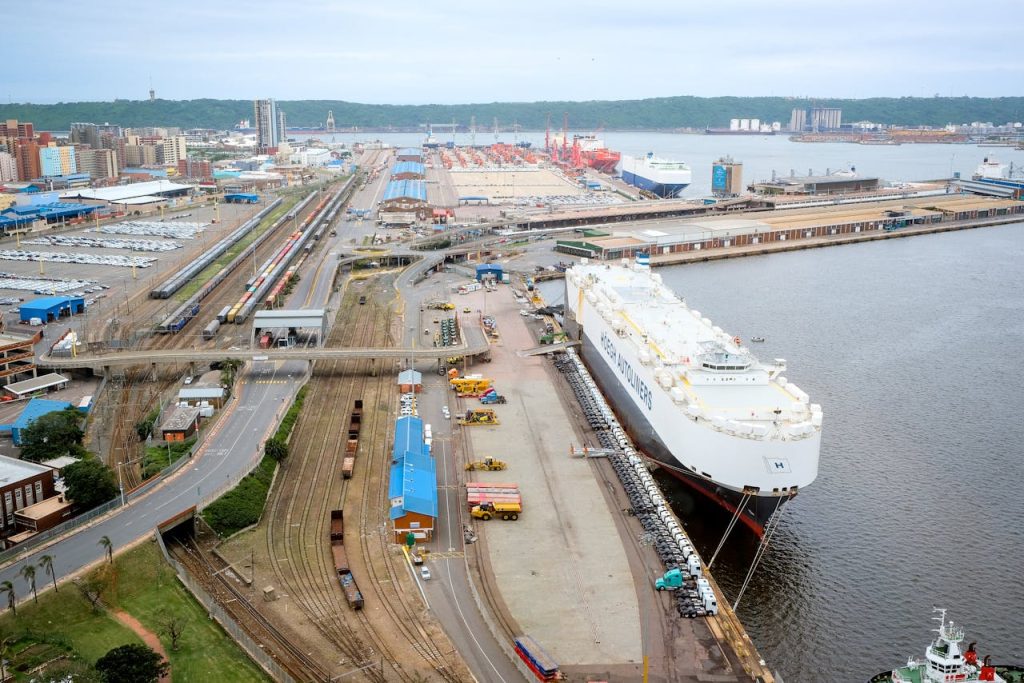
- Export Facilitation: Accelerated customs “Green Channels” for perishable high-value goods at the Conakry and Morebaya ports.
2. Proximity to European and American Markets
Logistics is the heartbeat of the spice trade. Guinea’s Atlantic coastline provides a shorter shipping route to Europe than Madagascar or Indonesia. For premium “Fresh-Cured” beans, air freight from Conakry can reach Paris or Brussels in under 7 hours, ensuring that the delicate aromatics of the vanilla are preserved.
3. Legal Security and OHADA
The protection of agricultural assets and long-term land leases is guaranteed under the OHADA framework. This provides a transparent, standardized legal environment for international investors, ensuring that their investment in Vanilla Cultivation is protected by regional and international law.
Roadmap to Successful Vanilla Exporting
- Varietal Selection: Focusing on Vanilla planifolia (Bourbon type) for the culinary market and Vanilla tahitensis for the fragrance industry.
- Labor Training: Vanilla requires “The Marriage” the delicate hand-pollination of each flower. Partnering with Vocational Training Centers to train a local specialized workforce is essential.
- Certification: Securing Rainforest Alliance or Organic certification. In 2026, traceable and “ethical” vanilla commands a 25-30% price premium on the global market.
- Digital Traceability: Utilizing blockchain technology to track the journey of the bean from the Guinean forest to the final consumer, satisfying the transparency demands of modern luxury brands.
FAQ: Vanilla Cultivation Guinea
- How long does it take for a vanilla plantation to become profitable?
Vanilla orchids typically take 3 years to produce their first flowers. Commercial yields usually peak between years 4 and 8. However, intercropping with faster-growing Spice Production can provide earlier cash flow.
- Is the Guinean climate suitable for vanilla year-round?
Yes. The Forest Region has the necessary humidity and temperature stability. During the drier months, simple drip-irrigation systems ensure the orchids remain healthy.
- What is the biggest risk in vanilla farming?
The primary risks are theft (due to the high value of the beans) and improper curing. We recommend high-security farm designs and centralized, professional curing facilities to mitigate these risks.
- Can I export Guinean vanilla to the USA and EU?
Yes. Under the EBA (Everything But Arms) agreement and GSP programs, Guinean agricultural products enjoy duty-free access to major global markets.
- How can Yes! Invest Guinea help my project?
Yes! Invest Guinea provides end-to-end support: from soil analysis and land acquisition in the Forest Region to securing export licenses and connecting you with Networking and Partnerships for global off-take.
Conclusion: Harvesting the Aroma of Success
The Republic of Guinea is poised to become a heavyweight in the global spice trade. Vanilla Cultivation: The High-Value Frontier offers a rare intersection of natural suitability and high economic demand. In 2026, the transition from raw commodity exports to sophisticated, high-value horticulture is the most powerful engine for Guinean economic growth.
For the investor who values precision, sustainability, and high margins, the Guinean forest is waiting. The “green gold” is ready to be harvested.
Start Your Journey with Yes! Invest Guinea
At Yes! Invest Guinea, we turn agricultural dreams into export realities. From the first orchid cutting to the final cured bean, our team is your strategic partner on the ground.
Contact Yes! Invest Guinea today to receive our 2026 Vanilla & Niche Agribusiness Investment Prospectus.