The global demand for natural, organic sweeteners and medicinal-grade hive products has reached an all-time high in 2026. As consumers move away from processed sugars, the spotlight is turning toward the pristine, biodiverse landscapes of West Africa. In the Republic of Guinea, a quiet revolution is taking place in the agricultural sector: Beekeeping and Honey Production: Niche Agribusiness in Guinea. With its vast forest reserves, diverse floral species, and a climate that allows for year-round production, Guinea is perfectly positioned to become a major exporter of premium, organic honey to the European, North American, and Middle Eastern markets.
For the modern agribusiness investor, honey production represents a unique “low-input, high-margin” opportunity. Unlike traditional livestock, bees require minimal land ownership, no expensive feed, and provide critical ecosystem services that enhance the yields of neighboring cashew, coffee, and fruit plantations. This article explores the commercial potential of Guinea’s apiary sector, the technical requirements for export-grade production, and why 2026 is the strategic moment to invest in Guinea’s “liquid gold.”
The Natural Advantage: Guinea’s Floral Diversity
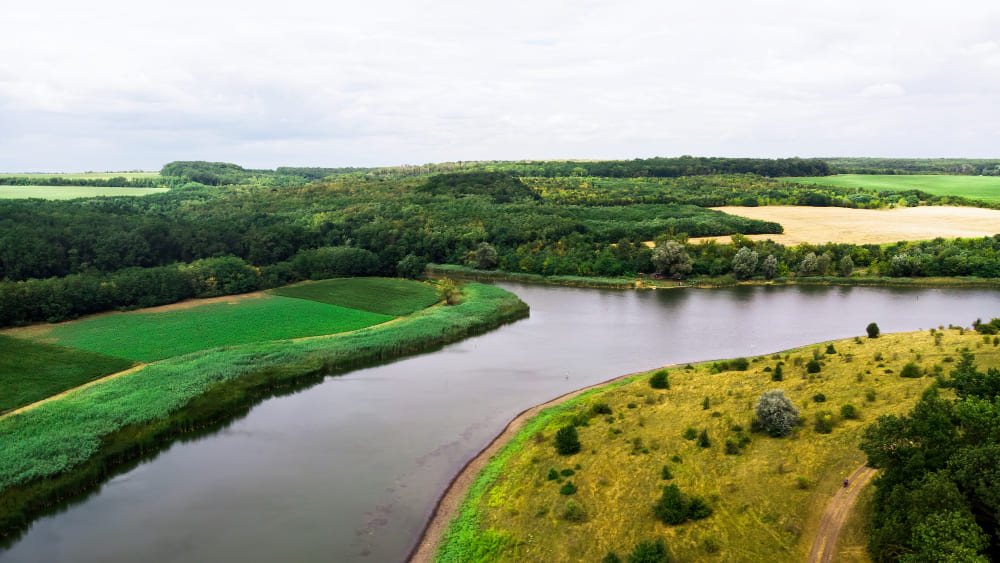
Guinea’s geography is a tapestry of ecological zones, ranging from the humid coastal plains to the high-altitude plateaus of Fouta Djallon and the dense tropical forests of the south. This diversity is the foundation of the Beekeeping and Honey Production: Niche Agribusiness in Guinea success story.
1. Multi-Floral and Monofloral Potential
Guinea’s bees forage on a wide array of wild flora, including African locust bean trees (Néré), shea trees, and various tropical wildflowers. This allows for the production of high-value “Wildflower Honey” and specialized “Monofloral Honey” (such as Cashew Honey or Forest Honey), which command significant premiums in the specialty food market.
2. Year-Round Foraging Seasons
Thanks to the staggered flowering seasons across Guinea’s four natural regions, commercial beekeepers can maintain active hives throughout the year. According to the Food and Agriculture Organization (FAO), diversified apiculture is a key pillar for rural economic resilience and biodiversity conservation in Sub-Saharan Africa.
Strategic Opportunities in Niche Agribusiness 2026
The investment landscape for beekeeping in Guinea extends far beyond simple jars of honey. In 2026, the real value lies in industrial-scale apiary management and byproduct diversification.
1. Industrial Honey Extraction and Processing
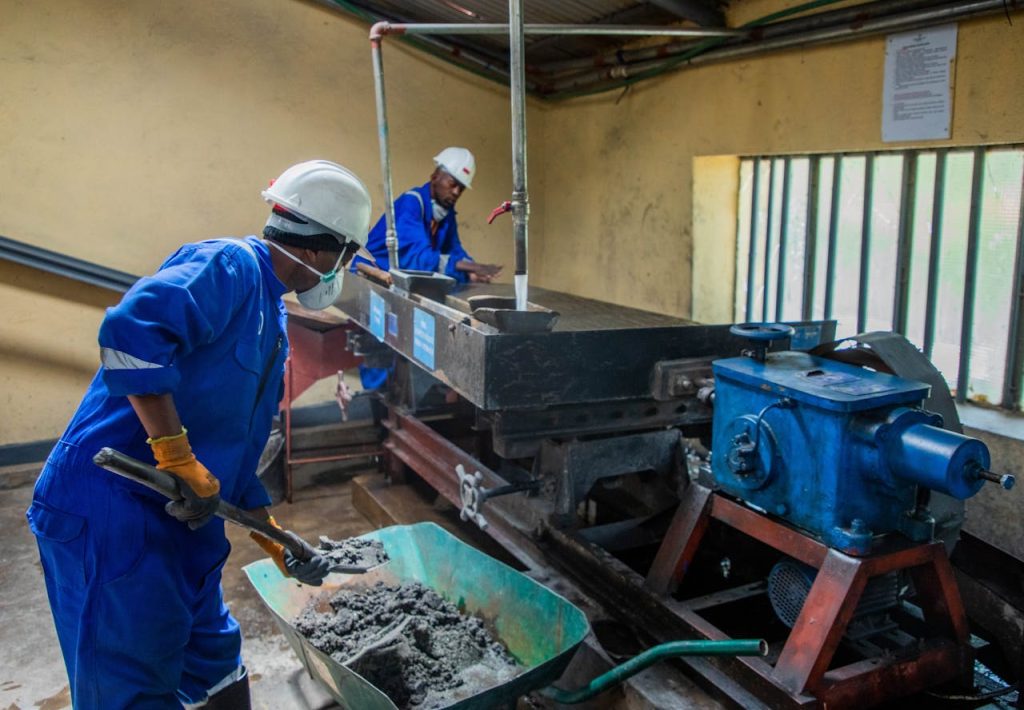
The primary bottleneck in Guinea’s current honey sector is traditional extraction methods.
- The Opportunity: Establishing modern honey processing centers equipped with centrifugal extractors, micro-filtration systems, and moisture-reduction technology.
- Value Addition: Processing honey to meet the strict Codex Alimentarius standards for international trade, ensuring the product remains raw, unheated, and enzyme-rich.
2. Beeswax, Propolis, and Royal Jelly
While honey is the most visible product, the “byproducts” of the hive are often more valuable by weight.
- Beeswax: Highly sought after by the global cosmetics and pharmaceutical industries for balms, creams, and organic polishes.
- Propolis: Known as “bee glue,” it is a powerhouse of antioxidants used in the burgeoning natural health supplement market.
- Royal Jelly: A premium superfood that fetches exorbitant prices in the Asian and European wellness sectors.
3. Integrated Pollination Services
As Guinea expands its Large-scale Plantations for cashews, mangoes, and coffee, the demand for “Pollination Services” is skyrocketing. Investors can generate a dual revenue stream: selling honey while leasing hives to commercial farmers to increase their crop yields by up to 40%.
Why Invest in Guinea’s Apiary Sector Now?
The 2026 regulatory and economic environment in Guinea is specifically designed to foster “Green Investments” and niche agribusiness exports.
1. Pro-Export Fiscal Incentives
Under the 2026 Investment Code, niche agribusinesses focused on organic exports benefit from:
- Tax Exemptions: 100% corporate tax holiday for the first 5 to 7 years of operation.
- Duty-Free Imports: No customs duties on specialized beekeeping equipment, such as protective gear, modern Langstroth hives, and processing machinery.
- Zero Export Duties: The government has removed export taxes on processed agricultural products to encourage “Made in Guinea” branding on global shelves.
2. Favorable ESG and Carbon Credit Positioning
Beekeeping is a carbon-positive activity. Hives support local biodiversity and prevent deforestation by providing communities with a sustainable income that relies on standing forests. In 2026, beekeeping projects in Guinea are eligible for Carbon Credits and “Biodiversity Credits,” providing investors with a secondary, liquid financial asset.
3. Legal Security under OHADA
Operating an agribusiness in Guinea is protected by the OHADA framework. This ensures that commercial contracts, land leases for processing plants, and partnership agreements with local cooperatives are governed by a transparent, internationally recognized legal system.
Roadmap for Successful Apiary Investment
- Site Selection and Floral Mapping: Focus on the Forest Region (Guinée Forestière) for high-volume forest honey or the Maritime Region for cashew-blossom honey.
- Hybrid Hive Selection: Implementing “Langstroth” or “Top-Bar” hives that allow for higher yields and easier honey harvesting compared to traditional methods.
- Outgrower Cooperative Schemes: Partnering with local communities to manage the hives. This “Nucleus Farm” model ensures a massive supply of raw honey for your central processing plant while meeting “Local Content” requirements.
- Certification and Traceability: Working with Yes! Invest Guinea to secure organic, Fairtrade, and phytosanitary certifications. In 2026, blockchain-based traceability is the key to entering the premium EU and US markets.
FAQ: Beekeeping and Honey Production: Guinea
- What is the typical honey yield per hive in Guinea?
With modern Langstroth hives and professional management, an investor can expect between 25kg to 40kg of honey per hive, per year, depending on the region and floral density.
- Is the Guinean honey bee aggressive?
The African honey bee (Apis mellifera scutellata) is highly productive but more defensive than European varieties. However, with proper training and modern protective equipment, commercial management is highly safe and efficient.
- What are the main export markets for Guinean honey?
The primary markets are the European Union (especially Germany and France) for organic honey, and the Middle East (UAE and Saudi Arabia) for premium “forest” and medicinal-grade honey.
- Can I start a beekeeping project on leased land?
Yes. Since hives take up very little space and do not damage the land, beekeeping is one of the easiest businesses to operate on long-term leases or through partnerships with existing plantation owners.
- How can Yes! Invest Guinea assist my beekeeping venture?
Yes! Invest Guinea provides end-to-end support, including identifying high-potential floral zones, facilitating permits through the APIP “One-Stop Shop,” and connecting investors with international organic certifiers.
Conclusion: Tapping the Liquid Gold of Guinea
The era of mass-produced, adulterated honey is fading, replaced by a global demand for purity, origin, and sustainability. Beekeeping and Honey Production: Niche Agribusiness in Guinea represents one of the most sustainable and profitable “Green Gold” opportunities in West Africa today. By combining Guinea’s natural floral abundance with modern industrial processing and ethical branding, investors can build a resilient agribusiness that protects the environment while delivering exceptional returns.
In 2026, the sweetest investments are those that grow with nature. The bees are ready; the nectar is flowing; and the global market is waiting.
Start Your Apiary Journey with Yes! Invest Guinea
At Yes! Invest Guinea, we specialize in turning niche agricultural potential into commercial reality. From the forest floor to the global consumer’s table, our team is your strategic partner on the ground.
Contact Yes! Invest Guinea today to receive our 2026 Beekeeping & Organic Export Prospectus