The global energy transition has placed a spotlight on decentralized energy systems as the most viable path to achieving universal electricity access. In West Africa, the Republic of Guinea is emerging as a premier destination for decentralized power, specifically through Mini-Grid Guinea solutions. With a rural population that remains largely underserved by the national grid, the opportunity for private investors to deploy small-scale, renewable-powered networks is not only a social imperative but a highly profitable agribusiness and industrial enabler.
As of 2026, the Guinean government has streamlined the regulatory path for Independent Power Producers (IPPs), creating a robust framework for Mini-Grid Solutions that integrate solar, hydro, and battery storage. This article explores the investment landscape, the technological shifts, and the long-term ROI of rural electrification in Guinea.
The Rural Electrification Gap: A Multi-Billion Dollar Opportunity
Guinea is often referred to as the “Water Tower of Africa,” yet its national electricity access rate, particularly in rural provinces, remains one of the most significant infrastructure gaps in the region.
1. The Limitations of Centralized Grids
Extending the national high-voltage grid to remote mining outposts or agricultural clusters in the Fouta Djallon or Upper Guinea regions is economically prohibitive. The mountainous terrain and dispersed settlements make decentralized Mini-Grid Solutions the most cost-effective way to provide reliable, 24/7 power.
2. High Demand for Productive Use of Energy (PUE)
Rural electrification is no longer just about lighting homes; it is about powering productivity. There is a massive demand for electricity to support:
- Agribusiness: Powering cold storage for cashews, fruit processing units, and irrigation pumps.
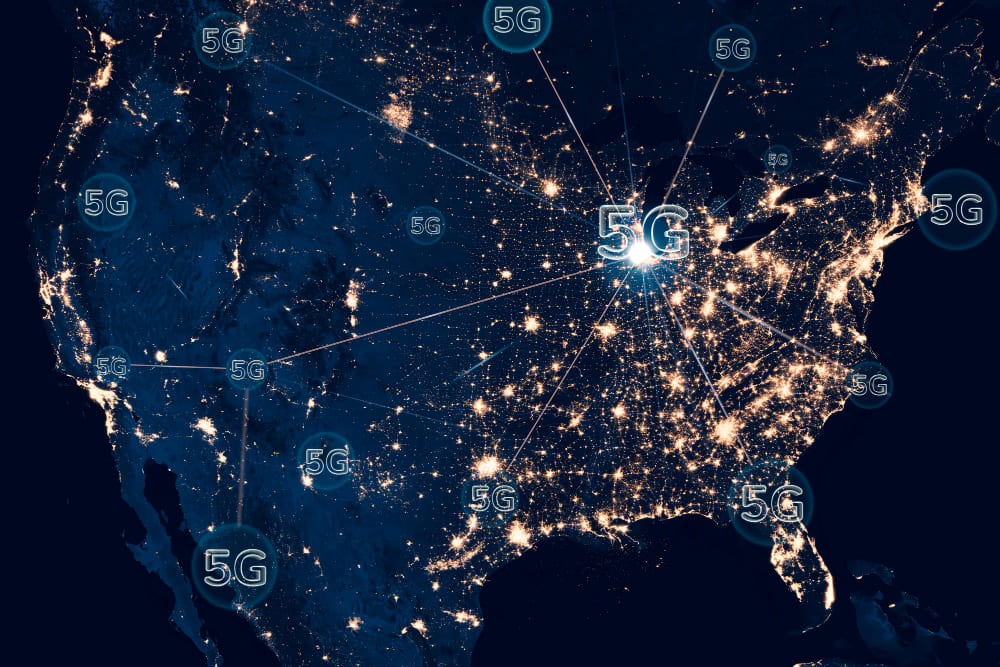
- Telecommunications: Providing stable power for 5G towers and digital hubs.
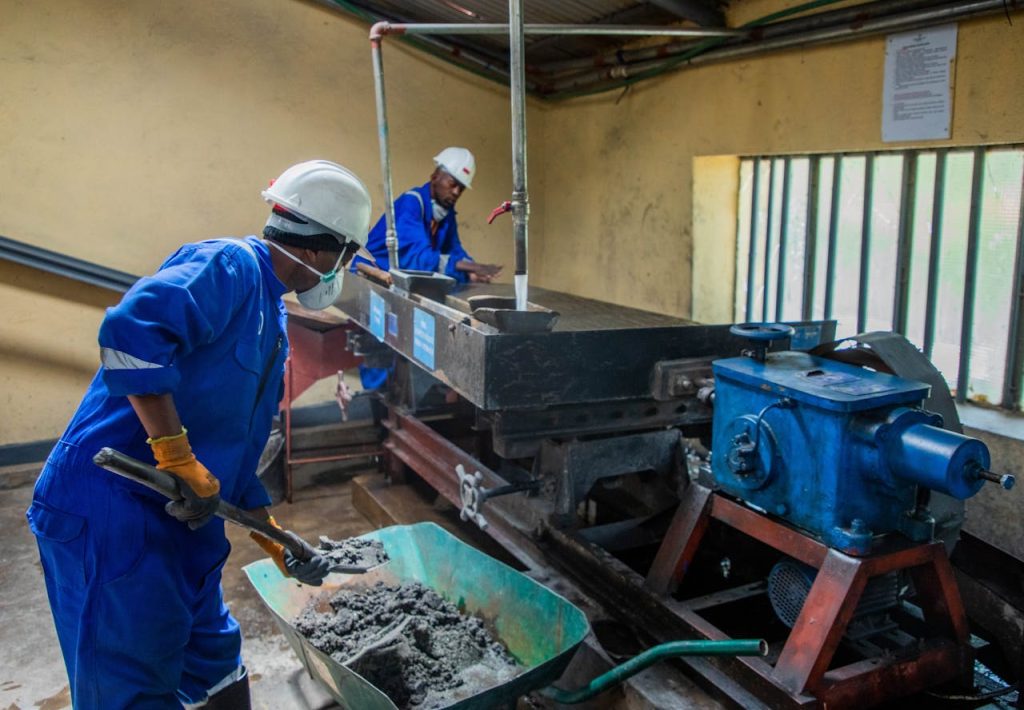
- Mining Services: Supporting small to medium-sized mining service providers operating in remote areas.
Why Mini-Grid Guinea is a Strategic Investment in 2026
The investment climate for energy in Guinea has undergone a radical transformation, moving toward a private-sector-led model.
Favorable Regulatory Framework and Subsidies
In 2026, the Guinean Electricity Sector Regulatory Authority (AGER) has implemented a simplified licensing process for mini-grids under 10MW. International organizations such as the World Bank and the African Development Bank are providing de-risking instruments and partial risk guarantees to ensure that private capital is protected against off-taker risks.
Technological Convergence: Solar-Hydro Hybrids
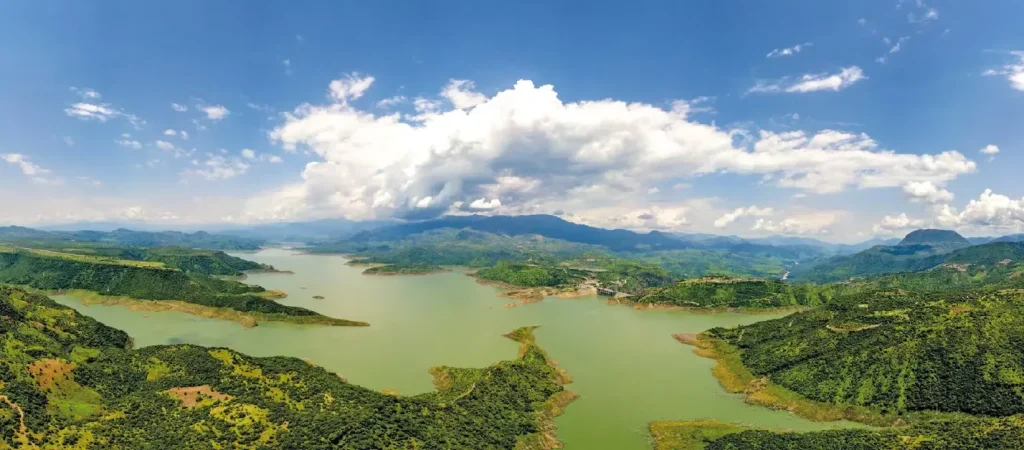
Guinea’s geography allows for unique hybrid systems. By combining solar PV arrays with the country’s abundant small-scale hydropower potential, investors can ensure a stable baseload of electricity. Modern battery energy storage systems (BESS) have also become more affordable, allowing mini-grids to operate efficiently even during the peak night-time demand.
Profitability Pillars of Rural Electrification
Investors often ask about the “off-take” or the ability of rural consumers to pay. The 2026 model in Guinea focuses on a diversified revenue stream:
Anchor-Business-Community (ABC) Model
The most successful Mini-Grid Guinea projects utilize the ABC model. A large industrial “Anchor” tenant (such as a telecom tower or a processing plant) provides a steady, guaranteed revenue stream, while the remaining capacity is sold to local “Businesses” and the “Community.” This significantly de-risks the project’s cash flow.
Pay-As-You-Go (PAYG) Technology
Digitalization has solved the collection problem. Integrated smart meters and mobile money platforms (like Orange Money or MTN Mobile Money) allow for seamless, automated payments. Consumers pay for electricity in small increments, matching their income patterns, which ensures high collection rates for the operator.
Key Sectors Enabled by Mini-Grid Investments
Investing in rural power creates a ripple effect across other high-growth sectors in Guinea.
1. Agribusiness and Value Addition
Without power, Guinean farmers lose up to 40% of their harvest to spoilage. Mini-Grid Solutions enable localized processing, such as cashew nut shelling or juice pasteurization. This transition from raw material exporter to value-added producer is a cornerstone of the Yes! Invest Guinea strategy for 2026.
2. Digital Economy and Education
Stable power is the backbone of the digital economy. Rural mini-grids enable the rollout of internet cafes, e-learning centers, and vocational training facilities, creating a more skilled workforce for the growing mining and service sectors.
3. Healthcare and Public Services
Electrified clinics can store vaccines, operate modern diagnostic equipment, and stay open at night. This social impact often qualifies mini-grid projects for “Green Bonds” and impact investment funds that seek both financial and social returns.
Risk Mitigation for Energy Investors
While the rewards are high, navigating the energy sector requires a sophisticated approach to risk:
- Political Continuity: Ensure projects are aligned with the National Rural Electrification Strategy to benefit from government protection.
- Technical Maintenance: Partner with local firms for O&M (Operations and Maintenance) to ensure rapid response times for technical issues.
- Currency Fluctuations: Utilize multi-currency off-take agreements or hedging instruments provided by regional banks like the EBID.
FAQ: Mini-Grid Solutions in Guinea
- What is the typical size of a mini-grid in Guinea?
Most rural mini-grids range from 50kW to 2MW, depending on whether they serve a small village cluster or a larger industrial anchor like a mining site.
- Are there tax incentives for renewable energy equipment?
Yes. In 2026, the Guinean government offers a 0% VAT and customs duty exemption on imported solar panels, inverters, and lithium-ion batteries for registered electrification projects.
- How long is the typical concession period for a mini-grid?
Concessions typically range from 15 to 25 years, providing long-term predictability for capital recovery and profit generation.
- Can I sell power back to the national grid (EDG) in the future?
The current “Interconnection Policy” allows for mini-grid operators to sell surplus power to the national utility (Electricité de Guinée) if the main grid eventually reaches the project area.
- How does Yes! Invest Guinea facilitate energy investments?
We provide site identification, feasibility study support, regulatory liaison with AGER, and connection to vetted local technical partners.
Conclusion: Powering the Future of Guinea
The era of centralized-only power is over. For investors seeking a combination of high-growth industrial exposure and impactful ESG returns, Mini-Grid Solutions: Rural Electrification Investments in Guinea is the premier choice. By bringing power to where it is needed most, you are not just building a grid; you are building the foundation of Guinea’s future economy.
The infrastructure is ready, the demand is proven, and the regulatory doors are open. The question is: will you be the one to light up the next frontier of West African growth?
Partner with Yes! Invest Guinea
At Yes! Invest Guinea, we are the bridge between international energy capital and local execution. Our team provides the institutional liaison and market data you need to deploy your mini-grid solutions with confidence.
Contact Yes! Invest Guinea today for a bespoke briefing on rural energy concessions and site availability.