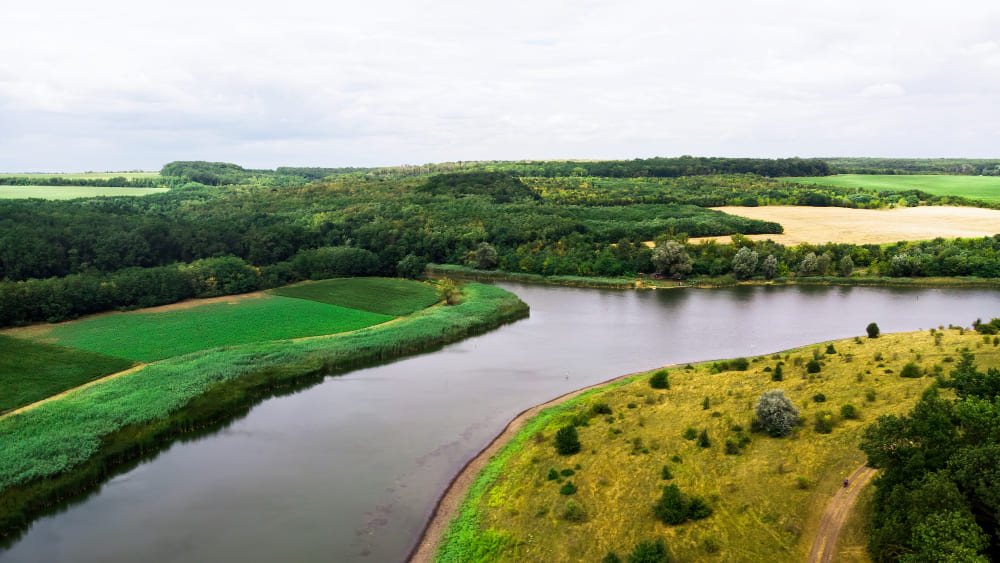
The global beverage industry is currently experiencing a sophisticated “premiumization” phase. In 2026, health-conscious consumers in Europe, Asia, and North America are no longer satisfied with mass-produced tea; they are seeking high-altitude, single-origin, and ethically grown leaves. While traditional giants like Kenya and Sri Lanka dominate the volume market, the Republic of Guinea is emerging as the hidden jewel of the sector through its Organic Tea Farming: Export Markets for Guinea Produce. With the pristine highlands of the Fouta Djallon and the humid, nutrient-rich soils of the Forest Region, Guinea offers a unique terroir that produces tea with a distinct aromatic profile and high antioxidant content.
For agribusiness investors and specialty tea importers, Guinea represents an unexploited frontier. The “Organic” certification adds a significant price premium, turning a traditional crop into a high-margin export commodity. This article explores the biological advantages of Guinea’s highlands, the global market trends favoring organic produce, and the strategic roadmap for establishing a world-class tea estate in the heart of West Africa.
The Terroir Advantage: Why Guinea is Perfect for Tea
Tea cultivation requires a specific set of environmental conditions high altitude, consistent rainfall, and acidic, well-drained soils. Guinea’s “Water Tower” status ensures these conditions are met with natural abundance.
1. The Fouta Djallon Highlands
Rising over 1,000 meters above sea level, the Fouta Djallon region provides the cool temperatures and morning mists necessary for the slow maturation of tea leaves. This slow growth is the secret behind “Specialty Tea,” as it allows the plant to develop complex polyphenols and a sweeter, less astringent flavor profile.
2. Volcanic Soils of the Forest Region
In South-Eastern Guinea, the soil is enriched by ancient volcanic activity and dense organic matter. This fertility reduces the need for synthetic fertilizers, making the transition to certified Organic Tea Farming naturally cost-effective. According to the International Tea Committee, the shift toward sustainable and organic soil management is the single most important factor in securing long-term contracts with premium European retailers.
Strategic Opportunities in the Organic Tea Value Chain
Investing in Guinea’s tea sector in 2026 is not just about planting bushes; it is about owning the vertical value chain that leads to international “A-Grade” shelves.
1. Specialized Green and White Tea Production
While black tea is the global standard, the highest growth rates are found in Green and White tea segments. These varieties require minimal processing but demand extremely high-quality fresh leaves.
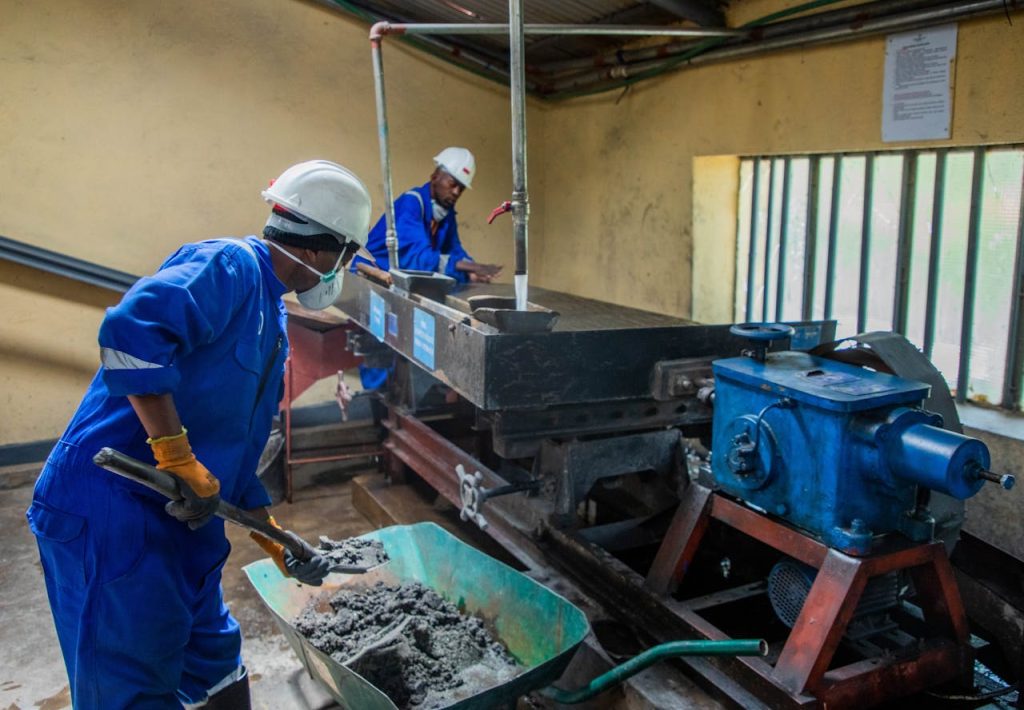
- The Opportunity: Establishing boutique “micro-factories” near the plantations that can process leaves within hours of plucking, preserving the delicate “Green” notes that health-conscious consumers demand.
2. Herbal and Infusion Blends
Guinea is home to various indigenous herbs that can be blended with organic tea to create unique export products. Blending organic tea with Guinean lemongrass, ginger, or hibiscus (Bissap) creates a “Guinean Origin” brand that stands out in the crowded global marketplace.
3. Integrated Eco-Tourism and Tea Estates
Modern tea investments often include a tourism component. Creating “Tea Retreats” in the scenic Fouta Djallon allows investors to generate secondary revenue while building the brand’s story. This model has seen massive success in regions like Darjeeling and is ripe for replication in Guinea’s picturesque highlands.
Why Invest in Guinea’s Organic Tea Sector Now?
The 2026 economic landscape in Guinea is heavily weighted toward supporting “Export-Oriented Agribusiness” through legislative and fiscal support.
1. The Global Organic Premium
Organic tea consistently commands prices 30% to 50% higher than conventional tea on the London Tea Auction and specialized exchanges. Guinea’s relatively “clean” agricultural history means that many lands can be certified organic almost immediately, bypassing the 3-year transition period often required in more chemically intensive nations.
2. Favorable Trade Agreements and AfCFTA
As a member of the African Continental Free Trade Area (AfCFTA), tea produced in Guinea can be moved across the continent to growing markets in Egypt, Morocco, and Nigeria without heavy tariffs. Furthermore, Guinea’s “Everything But Arms” (EBA) status provides duty-free and quota-free access to the European Union market.
3. Comprehensive Investment Incentives
Under the 2026 Investment Code, organic farming ventures are classified as “Priority Projects.” Benefits include:
- Tax Holidays: Up to 8 years of exemption from corporate income tax.
- Customs Waivers: 100% exemption on irrigation systems, solar-powered drying equipment, and specialized tea-processing machinery.
- Export Assistance: Support from the government for international trade fair participation and “Product of Guinea” branding initiatives.
Roadmap to Successful Export-Grade Production
- Land Acquisition and Soil Mapping: Identifying plots with the correct pH levels (typically 4.5 to 5.5) in the Labé or Dalaba regions.
- Organic Certification: Partnering with international bodies like Ecocert or the USDA Organic program from day one to ensure every step of the process is compliant with export standards.
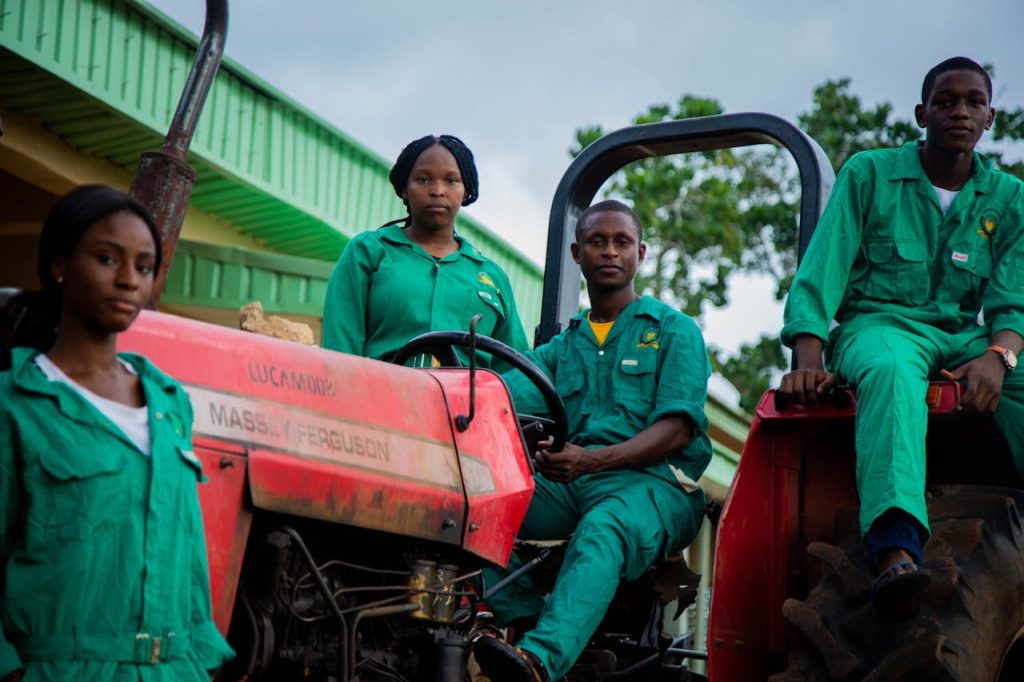
- Outgrower Models: Integrating local smallholder farmers into the supply chain. The “Nucleus Estate” provides the processing technology and quality control, while local farmers provide the scale, ensuring a stable and massive supply of fresh leaves.
- Traceability Technology: Implementing QR-code based traceability. In 2026, a consumer in New York wants to scan a tea tin and see the exact Guinean hillside where their tea was grown.
FAQ: Organic Tea Farming Guinea
- What is the best region in Guinea for tea cultivation?
The Fouta Djallon region (Labé, Dalaba, and Pita) is the premier location due to its altitude and temperate climate. However, the Forest Region is excellent for high-yield, organic Robusta-style tea varieties.
- How long does it take for a tea plantation to yield fruit?
Tea bushes generally take 3 years to reach a commercial plucking stage, with peak production occurring after 5 to 7 years. However, the bushes can remain productive for over 50 years.
- Is there a local market for organic tea in Guinea?
Yes. While the primary focus is export, there is a growing middle class in Conakry and mining hubs that is increasingly health-conscious and willing to pay for premium, locally grown organic tea.
- Does the government provide land for tea farming?
The government, through the Ministry of Agriculture and APIP, facilitates long-term agricultural leases for international investors who demonstrate a commitment to local employment and value addition.
- How can Yes! Invest Guinea assist my tea project?
Yes! Invest Guinea helps you navigate land titles, secures your “Priority Project” tax status, identifies local agricultural partners, and assists in the logistics of setting up an export-ready processing facility.
Conclusion: Brewing Success in the Highlands
The Organic Tea Farming: Export Markets for Guinea Produce is more than just a farming venture; it is a strategic entry into the global wellness economy. Guinea offers the soil, the climate, and the political will to become the next great tea origin. For the investor who values sustainability as much as profitability, the highlands of Guinea are calling.
In 2026, the world is thirsty for authenticity. Guinea is ready to pour.
Steep Your Capital in Opportunity with Yes! Invest Guinea
At Yes! Invest Guinea, we are your strategic gateway to the agribusiness revolution. From soil testing to the final export shipment, our team provides the local intelligence and institutional access you need to lead the tea market.
Contact Yes! Invest Guinea today to receive our 2026 Organic Agribusiness & Tea Market Report.