The global race for the energy transition has placed critical minerals at the center of geopolitical and economic strategy. As the world accelerates toward electric vehicle (EV) adoption and large-scale grid storage, cobalt has emerged as the “blue gold” of the battery revolution. While the Democratic Republic of Congo (DRC) has traditionally dominated the supply chain, global manufacturers are aggressively seeking to diversify their sourcing to ensure ethical and stable supplies. In 2026, Cobalt Reserves Guinea represents the next major frontier for strategic investment.
Guinea, already a global titan in bauxite and iron ore, is now revealing its potential for high-grade cobalt associated with its vast nickel and manganese deposits. For mining conglomerates, battery manufacturers, and institutional investors, Cobalt Reserves in Guinea: Battery Mineral Investments offer a unique opportunity to enter a premium mineral market within a jurisdiction that is rapidly modernizing its infrastructure and regulatory framework.
The Strategic Role of Cobalt in the 2026 Green Economy
Cobalt is the essential stabilizer in lithium-ion batteries, particularly in the Nickel-Manganese-Cobalt (NMC) chemistries that power the majority of high-performance EVs.
1. Powering Long-Range Electric Vehicles
Even with the development of cobalt-free alternatives (like LFP), high-energy-density applications still rely heavily on cobalt to ensure thermal stability and longevity. In 2026, as automakers aim for 500+ mile ranges, the demand for “Class 1” battery-grade cobalt remains insatiable. According to the International Energy Agency (IEA), the global demand for cobalt could grow by as much as 20 times by 2040 under current net-zero scenarios.
2. Diversifying the Global Supply Chain
The concentration of cobalt production in a single region has created supply chain vulnerabilities. Guinea offers a stable, alternative source with a mining-friendly government and a clear path to export. Investors are increasingly looking at Nickel Mining Exploration in Guinea as a gateway to secondary cobalt recovery, creating a “polymetallic” value proposition that de-risks capital expenditure.
Exploring Guinea’s Cobalt Potential: Geology and Discoveries
Guinea’s geological landscape is largely under-explored for battery minerals, but the data emerging in 2026 is highly promising.
1. Lateritic and Magmatic Sulfide Formations
Cobalt in Guinea is typically found in two geological settings:
- Lateritic Nickel-Cobalt Deposits: Similar to deposits found in Australia and the Philippines, these are located near the surface and are suitable for cost-effective open-pit mining.
- Magmatic Sulfide Deposits: Found in the Greenstone Belts of the Forest Region and Upper Guinea, these formations often contain high-purity cobalt alongside nickel and copper.
2. Technological Advancements in 2026 Exploration
Modern exploration in Guinea is no longer a “blind” process. AI-driven geological modeling and satellite hyperspectral imaging allow firms to identify cobalt signatures across the Birimian greenstone belts with pinpoint accuracy. These New Discoveries in Guinea are attracting a new wave of “Junior” exploration companies and “Major” mining houses.
Why Invest in Cobalt Reserves Guinea Now?
The 2026 investment climate in Guinea is specifically tailored to reward pioneers in the “Future-Facing” mineral sectors.
1. The 2026 Critical Minerals Incentive Act
The Guinean government has introduced a specific suite of incentives for minerals essential to the energy transition, including:
- Tax Holidays: Up to 10 years of corporate income tax exemption for cobalt-focused projects.
- Customs Waivers: 100% duty-free importation of specialized refining and processing equipment.
- Refining Premiums: Reduced royalties for companies that commit to Downstream Manufacturing (e.g., producing cobalt sulfate locally).
2. Synergistic Infrastructure and Logistics
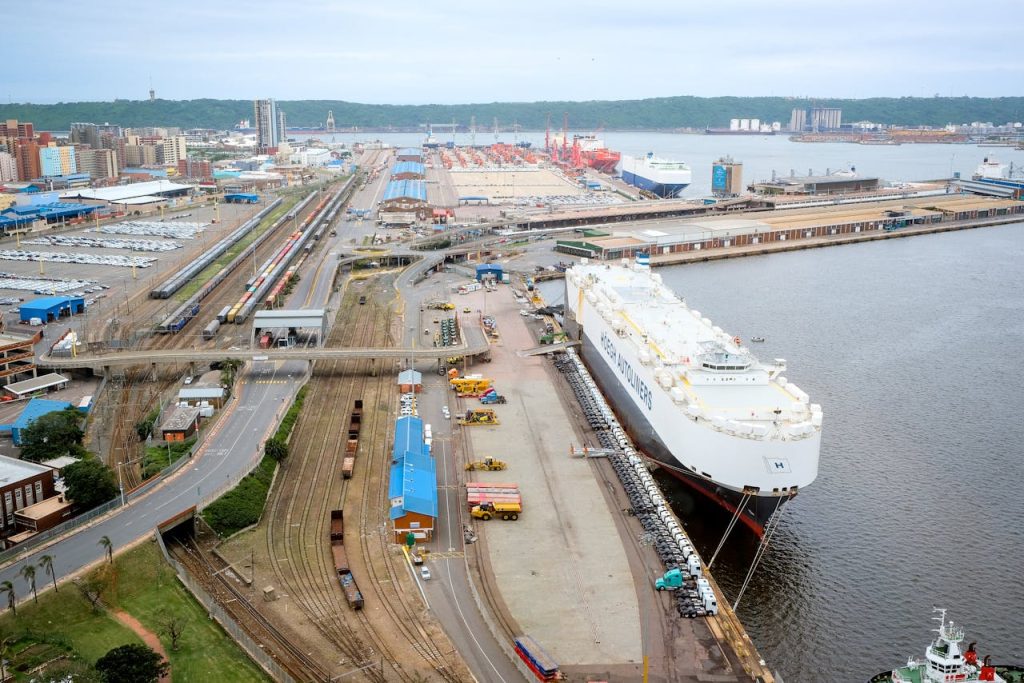
The massive infrastructure projects currently coming online, such as the Trans-Guinean Railway and the modernization of the Port of Conakry, are “Multi-User” facilities. Cobalt projects can leverage this infrastructure, which was originally built for iron ore and bauxite, to drastically reduce their logistical CAPEX and OPEX.
3. Ethical Sourcing and ESG Leadership
In 2026, the “Social License to Operate” is non-negotiable. Guinea is positioning itself as the “Ethical Alternative” in the cobalt market. By adhering to the OHADA legal framework and the Extractive Industries Transparency Initiative (EITI), Guinea ensures that cobalt extraction meets the rigorous ESG requirements of European and American battery off-takers.
Roadmap for Battery Mineral Investment Success
- Concession Acquisition: Partner with Yes! Invest Guinea to identify high-prospectivity zones and navigate the Legal and Regulatory Assistance process.
- Feasibility and ESG Audits: Implementing the IFC Performance Standards early ensures that your project is “bankable” for international green finance.
- Strategic Off-take Agreements: Securing long-term supply contracts with EV manufacturers or battery “Gigafactories” early in the development phase.
- Local Value-Addition: Exploring the potential for local pre-processing to increase margins and meet the Local Content requirements that are central to Guinean mining policy in 2026.
FAQ: Cobalt Reserves Guinea
- How large are the estimated cobalt reserves in Guinea?
While bauxite is the primary export, 2026 geological surveys suggest that Guinea possesses significant “Inferred Resources” of cobalt, particularly in the Forest Region and along the borders with Liberia and Ivory Coast.
- Is cobalt mining in Guinea artisanal or industrial?
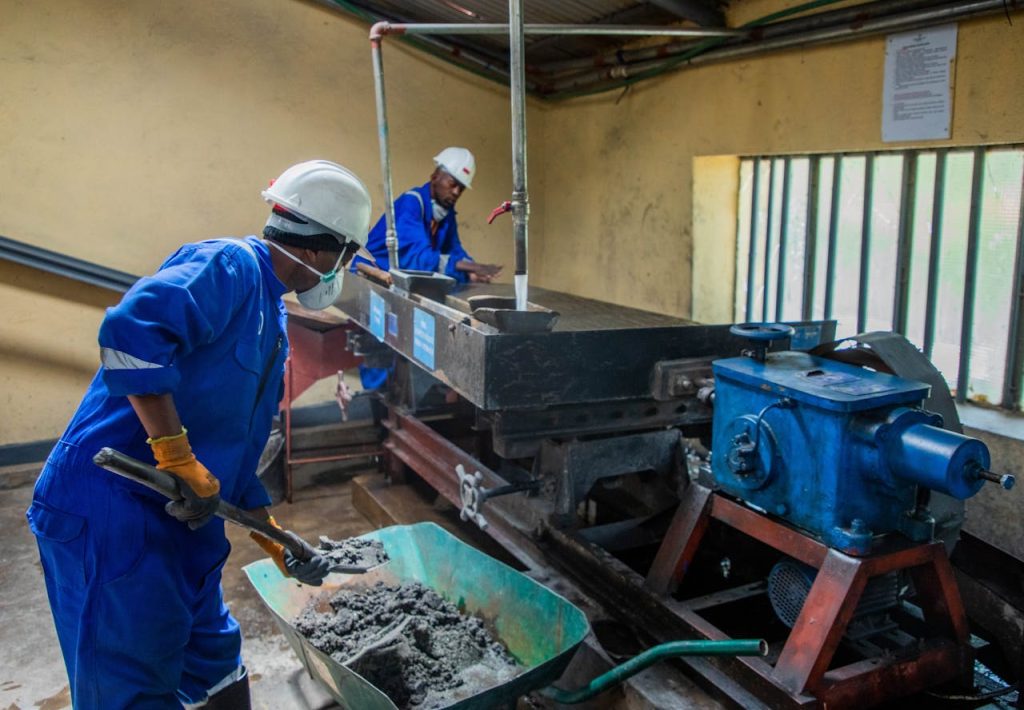
The Guinean government is focused on Industrial-Scale mining. This ensures better safety standards, higher environmental compliance, and more reliable supply volumes for international investors.
- What is the process for securing an exploration permit?
Exploration permits are granted through the Ministry of Mines and Geology. The process has been streamlined via a “Digital Mining Cadastre,” which Yes! Invest Guinea can help you navigate.
- Can cobalt be processed locally in Guinea?
Yes. In fact, the government provides significant tax incentives for firms that establish local refining facilities to produce battery-grade cobalt sulfate or hydroxide.
- How does the 2026 Mining Code protect my investment?
The code includes “Stability Clauses,” ensuring that the fiscal and legal terms of your agreement remain unchanged for the duration of the mining title.
Conclusion: Securing the Blue Gold Frontier
The Republic of Guinea is proving that it is far more than a “Bauxite Nation.” Cobalt Reserves in Guinea: Battery Mineral Investments represent the most strategic play in the West African mining sector for 2026. By combining vast geological potential with world-class infrastructure and a transparent legal framework, Guinea is inviting the world to power the future from its shores.
The transition to a clean energy future is inevitable, and the minerals required to build it are found in the red soil of Guinea. The investors who recognize the value of Cobalt Reserves Guinea today will be the gatekeepers of the global battery supply chain tomorrow.
Power the Future with Yes! Invest Guinea
At Yes! Invest Guinea, we are your strategic partner in the critical minerals sector. From the first drill hole to the final export agreement, our team provides the local intelligence and institutional access you need to win.
Contact Yes! Invest Guinea today to receive our 2026 Cobalt & Battery Mineral Prospectus.