Fishing & Aquaculture Investment in Guinea: West Africa's Untapped Blue Economy Frontier

From Ocean Depletion to Sustainable Harvest: How Guinea's 320km Coastline Holds Africa's Last Major Undeveloped Fisheries Opportunity

Strategic Investment Opportunities

The Blue Economy Emergency: A Fishing Nation Without Modern Industry

Guinea possesses Africa’s richest fishing grounds with annual sustainable yields of 600,000+ tonnes, yet captures only 40% while importing $200M in processed fish annually. This extraordinary marine resource paradox represents West Africa’s final major blue economy investment frontier. As Guinea’s aquatic resource architects, we guide strategic investors to build the sustainable fishing and aquaculture operations that will transform ocean wealth into economic prosperity.

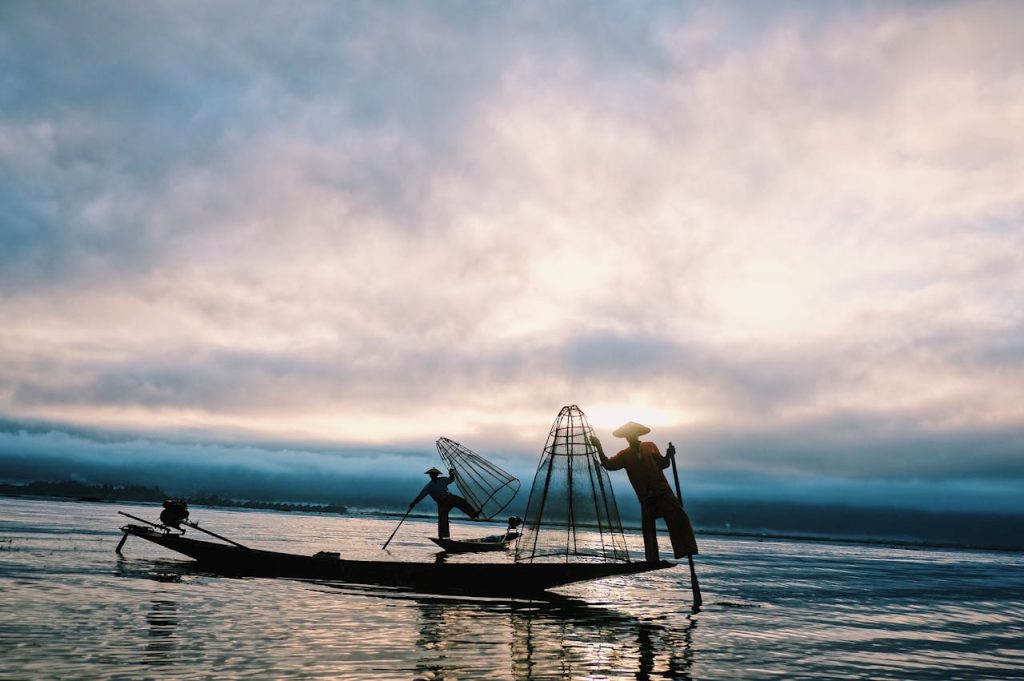
Conakry’s fishing ports reveal a stark reality: Artisanal fishermen using 19th-century techniques compete with illegal foreign trawlers in waters that could sustainably produce 600,000+ tonnes annually. This fisheries crisis presents an undeniable investment opportunity:

  • Resource Underutilization: Only 40% of sustainable catch potential harvested
  • Value Loss: $200M annual fish imports despite local superabundance
  • Illegal Fishing: 60% of catch taken by unauthorized foreign vessels
  • Post-Harvest Waste: 40% of landed fish lost due to poor handling and storage

Market Analysis: The Perfect Fisheries Development Storm

  • Current Fisheries Landscape:
    • Artisanal Sector: 30,000+ small boats, 95% of employment, 30% of catch value
    • Industrial Fleet: 12 licensed vessels operating at 40% capacity
    • Aquaculture: Less than 500 tonnes annual production versus 50,000+ tonne potential
    • Processing: Only 8% of catch processed beyond basic smoking/drying
  • Resource Wealth Assessment:
    • Coastline: 320km with 40,000 sq km Exclusive Economic Zone
    • Stock Potential: 600,000+ tonnes sustainable annual yield
    • Biodiversity: 400+ fish species including high-value tuna, shrimp, sardines
    • Aquaculture Potential: 300,000+ hectares suitable for ponds and cages

Strategic Investment Opportunities

1. Sustainable Commercial Fishing Operations

  • Licensed Industrial Trawler Fleet
    • Resource Access: 40+ available industrial fishing licenses underutilized
    • Target Species: Sardinella, mackerel, tuna for regional and EU markets
    • Technology: Modern vessels with bycatch reduction and traceability systems
    • Scale: $10-25M investment for 5-10 vessel fleet
    • Returns: 25-35% IRR with 4-6 year payback
  • Specialized High-Value Fisheries
    • Premium Species: Tuna, shrimp, lobster, octopus for export markets
    • Method: Pole-and-line, trap fishing for sustainability certification
    • Market: EU, Japan, US with 30-50% price premiums
    • Certification: MSC, Fair Trade for market access and premium pricing
    • Investment: $5-15M for specialized vessels and processing


2. Aquaculture Development

  • Industrial Shrimp Farming
    • Natural Advantage: 50,000+ hectares of mangrove-adjacent land
    • Technology: Recirculating systems, disease management, breeding hatcheries
    • Scale: $15-30M for 500+ hectare integrated operation
    • Yield: 10-15 tonnes/hectare with 2-3 cycles annually
    • Market: $8,000-12,000/tonne for export-quality shrimp
  • Tilapia & Catfish Aquaculture
    • Domestic Demand: 300,000+ tonne annual fish consumption
    • Technology: Cage culture in freshwater bodies, pond systems
    • Locations: Niger River tributaries, Fouta Djallon highlands
    • Production: 50,000+ tonne annual potential
    • Economics: $1,500-2,000/tonne production cost, $2,500-3,500 market price
  • Integrated Aquaculture Systems
    • Innovation: Rice-fish systems, aquaponics, polyculture
    • Efficiency: Multiple revenue streams from same infrastructure
    • Sustainability: Closed-loop systems with minimal environmental impact
    • Scale: $2-10M for diversified aquaculture operations
    • Market: Local and regional with premium for sustainable production


3. Processing & Value Addition

  • Modern Fish Processing Plants
    • Current Gap: 92% of fish sold fresh with 40% post-harvest losses
    • Products: Frozen fillets, canned fish, fishmeal, fish oil
    • Technology: IQF freezing, HACCP-certified processing lines
    • Scale: $5-20M facilities processing 50-200 tonnes daily
    • Value Addition: 100-300% increase over fresh fish prices
  • Specialty Product Development
    • Market Opportunities: Fish sausages, surimi, ready-to-eat products
    • Technology: Value-added processing for local and export markets
    • Brand Potential: “Wild-caught West African” premium branding
    • Investment: $3-10M for specialized processing lines
    • Margins: 40-60% on value-added products


4. Cold Chain & Logistics Infrastructure

  • Integrated Cold Storage Network
    • Critical Need: Less than 5,000 tonnes of cold storage capacity nationwide
    • Locations: Coastal landing sites, urban markets, transport hubs
    • Technology: Solar-powered cold storage, mobile freezing units
    • Scale: $10-30M network covering entire value chain
    • Revenue: Storage fees plus logistics services
  • Modern Fishing Port Development
    • Current State: Artisanal landing sites with no facilities
    • Opportunity: PPP for modern fishing ports with processing zones
    • Components: Ice plants, cold storage, auction halls, repair facilities
    • Investment: $20-50M per port with multiple revenue streams
    • Location Priority: Conakry, Benty, Kamsar
Financial Architecture: Fisheries Economics

Production Economics
  • Wild Catch: $800-1,200/tonne production cost, $1,500-4,000 market price
  • Aquaculture: $1,500-2,500/tonne production, $2,500-5,000 market
  • Processing: 40-60% margins on value-added products
  • Export Premium: 30-50% higher prices for certified sustainable products
  • Commercial Fishing: 25-35% IRR with 4-6 year payback
  • Aquaculture: 30-40% IRR with 3-5 year horizon
  • Processing: 35-45% IRR with 2-4 year recovery
  • Infrastructure: 20-30% IRR with 5-7 year return
  • Industrial Fleet: $20-50M for modern sustainable fishing operations
  • Aquaculture Complex: $15-40M for integrated production systems
  • Processing Plants: $10-25M for export-standard facilities
  • Cold Chain Network: $5-15M for temperature-controlled logistics

Government's Blue Economy Transformation

National Fisheries Strategy 2024-2030
  • Sustainability Target: 100% MSC certification for industrial operations by 2028
  • Import Substitution: 50% reduction in fish imports by 2027
  • Aquaculture Growth: 50,000+ tonnes annual production target
  • Local Content: 40% of processing value retained domestically
  • Tax Holiday: 8-year corporate tax exemption for fisheries investments
  • Duty Exemption: 100% on fishing vessels, aquaculture equipment, processing machinery
  • VAT Exemption: On exported fish products and inputs for local processing
  • Land Allocation: 30-year leases for aquaculture sites at nominal rates
  • License Priority: Fast-track approval for sustainable operations
  • Port Development: $150M investment in modern fishing port infrastructure
  • Surveillance Systems: Vessel monitoring and coastal surveillance to combat illegal fishing
  • Research Support: Government-funded stock assessment and aquaculture R&D
  • Export Facilitation: EU-approved inspection and certification systems

Anchor Demand & Market Access

Confirmed Market Opportunities
  • EU Market: 180,000 tonne import quota under EU-West Africa agreement
  • Regional Demand: 500,000+ tonne annual consumption in neighboring countries
  • Domestic Market: 300,000 tonne annual consumption growing at 8%
  • Specialty Markets: Organic, sustainable certifications commanding 30-50% premiums
  • EU Importers: 10+ companies seeking certified sustainable supply
  • Regional Supermarkets: Supply agreements with major chains
  • Government Procurement: School feeding and military supply contracts
  • Hotel & Tourism: Premium supply to 4-5 star properties

Technology & Innovation Integration

Sustainable Fishing Technologies
  • Selective Gear: Bycatch reduction devices and modified nets
  • Traceability Systems: Blockchain for catch documentation and traceability
  • Stock Assessment: AI-powered population monitoring and management
  • Ecosystem Protection: Mangrove restoration and marine protected areas
  • Breeding Technology: Selective breeding for disease resistance and growth
  • Feed Optimization: Local ingredient-based feeds reducing costs 30-40%
  • Water Management: Recirculating systems for water conservation
  • Health Management: Probiotics and natural disease prevention
  • Solar Processing: Solar drying and freezing for off-grid operations
  • Waste Utilization: Fish waste conversion to feed, fertilizer, biogas
  • Smart Packaging: Modified atmosphere packaging extending shelf life
  • Quality Control: Rapid testing for contaminants and freshness

Our End-to-End Fisheries Investment Solution

Resource Assessment & Planning

  • Stock assessment and sustainable yield calculations
  • Site selection for aquaculture and processing
  • Technology selection and equipment sourcing
  • Market analysis and product positioning

Development & Implementation

  • License acquisition and regulatory compliance
  • Infrastructure development and equipment installation
  • Team recruitment and training programs
  • Certification and quality system establishment

Operations & Production

  • Sustainable harvesting and farming operations
  • Processing and value addition
  • Quality control and certification maintenance
  • Market development and sales execution

Scaling & Diversification

  • Production capacity expansion
  • Product line diversification
  • Export market development
  • Vertical integration and value chain control

Risk Mitigation: Our Fisheries Expertise

Investor Concern

Fisheries Sector Risk

Our Mitigation Strategy

Resource Sustainability

Overfishing and stock depletion

MSC certification, science-based quotas, ecosystem management

Illegal Competition

Unlicensed foreign vessels

Government surveillance partnerships, traceability systems, premium branding

Climate Vulnerability

Changing ocean conditions

Diversified operations, climate-resilient aquaculture, insurance products

Market Access

Export certification barriers

Pre-certification support, EU compliance systems, buyer partnerships

Success Blueprint: From Sea to Market

  • Project: “Guinea Shrimp Farms” integrated aquaculture complex
  • Location: 800 hectares of converted mangrove-adjacent land
  • Technology: Semi-intensive ponds with recirculation and biofloc
  • Investment: $18.5M with 50% development finance
  • Production: 2,000 tonnes annually of export-quality shrimp
  • Certification: GlobalGAP, ASC, EU export approval
  • Markets: EU (60%), US (25%), regional (15%)
  • Employment: 350 direct jobs, 1,000+ indirect
  • Revenue: $16M annually with 35% EBITDA margin
  • Environmental: 200 hectares mangrove restoration
  • Expansion: Phase 2 doubling capacity within 3 years

The Strategic Imperative: Why Invest in Fisheries Now

  1. Global Protein Demand: 30% increase in fish demand by 2030
  2. Sustainability Premium: Certified sustainable products commanding 30-50% premiums
  3. Import Substitution: $200M annual import bill for local production capture
  4. Technology Leapfrog: Opportunity to adopt latest sustainable technologies from start
  5. Government Priority: Blue economy as national development pillar
  • Resource Access: Prime coastal and inland water access rights
  • Certification Leadership: Establish sustainability standards for Guinea
  • Brand Establishment: “Wild-caught West Africa” premium positioning
  • Infrastructure Control: Strategic port and cold chain locations
  • Strategic Acquisition: By global seafood conglomerates
  • Regional Expansion: Hub for West African fisheries operations
  • Public Listing: As sustainable seafood success story
  • Impact Investment Exit: To ocean conservation-focused funds
Company Registration

Begin Guinea's Blue Economy Transformation

Ready to harvest West Africa's richest fishing grounds sustainably? We transform Guinea's marine resource paradox into your portfolio's most natural, high-yield investment opportunity.